 Bo Wu
Bo Wu
If you're planning a trip to Beijing, you've probably wondered what the must-see spots are. Let's cut to the chase: the Forbidden City and the Temple of Heaven are the two iconic attractions that define the city's history and culture. I've visited both multiple times, and in this guide, I'll share everything you need to know—from ticket hassles to hidden corners most tourists miss.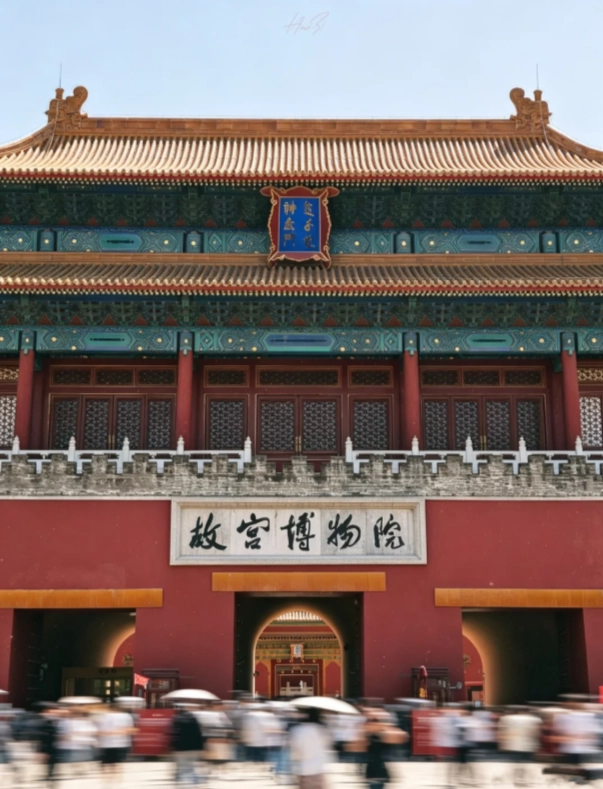
What You'll Find in This Guide
The Forbidden City: Beijing's Imperial Heart
Walking into the Forbidden City feels like stepping into a different era. It's massive—over 180 acres—and can be overwhelming if you're not prepared. I remember my first visit: I got lost near the Hall of Supreme Harmony because the signs weren't clear. Let's break it down so you don't make the same mistakes.
Tickets, Opening Hours, and Location
The Forbidden City is located at 4 Jingshan Front Street, Dongcheng District, Beijing. It's right in the city center, next to Tiananmen Square. Here are the practical details:
- Tickets: You must book online in advance via the official website or authorized platforms. On-site sales are extremely limited, especially during peak seasons. Adult tickets cost around 60 CNY for the basic entry, with additional fees for special exhibitions like the Treasure Gallery (about 10 CNY extra). I'd recommend splurging on the Treasure Gallery—it's worth it for the jade and gold artifacts.
- Opening Hours: 8:30 AM to 5:00 PM from April to October, and 8:30 AM to 4:30 PM from November to March. Last entry is one hour before closing. Mondays are closed, except for national holidays.
- Getting There: Take subway Line 1 to Tiananmen East Station (Exit B) or Line 2 to Qianmen Station. Both involve a short walk. If you're taking a taxi, tell the driver "Gugong" (the Chinese name). Be prepared for traffic near Tiananmen—it's often congested.
What to See Inside the Forbidden City
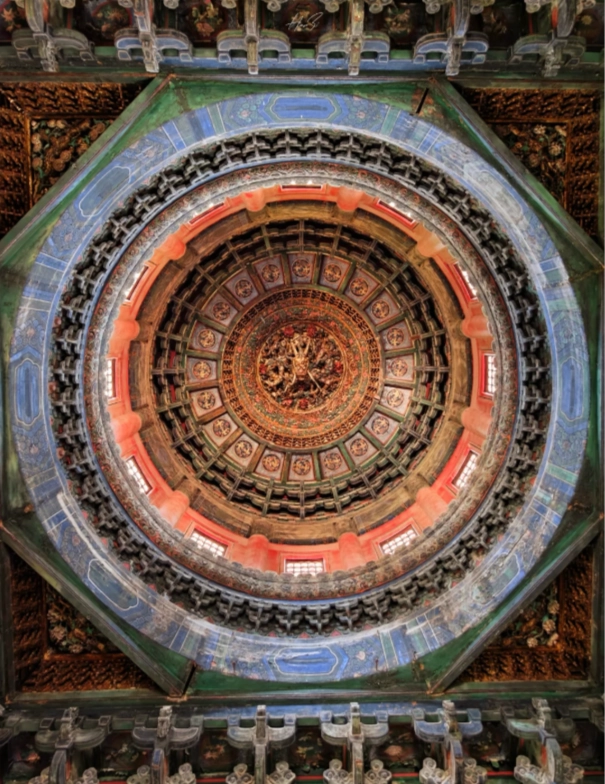
Don't try to see everything in one day. Focus on the central axis: start from the Meridian Gate, then move to the Three Great Halls (Hall of Supreme Harmony, Hall of Central Harmony, Hall of Preserving Harmony). These are the grand ceremonial spaces. A pro tip: most crowds gather here in the morning, so consider visiting in the afternoon for slightly fewer people.
The eastern and western wings house museums and quieter gardens. I spent an hour in the Clock Exhibition Hall, which has intricate European timepieces—a surprising contrast to the Chinese architecture. The Imperial Garden at the north end is a nice spot to rest, but it can get packed. If you're short on time, skip the peripheral halls unless you're a history buff.
One thing I noticed: the stone floors are uneven in places, so wear comfortable shoes. Also, there are few food options inside—just basic snacks. Eat before you go or pack some water and energy bars.
The Temple of Heaven: A Serene Architectural Marvel
After the hustle of the Forbidden City, the Temple of Heaven offers a peaceful escape. It's not just a single building; it's a large park with ancient structures where emperors prayed for good harvests. I visited on a weekday morning and found locals practicing tai chi under the cypress trees—a lovely scene that many tourists miss by rushing through.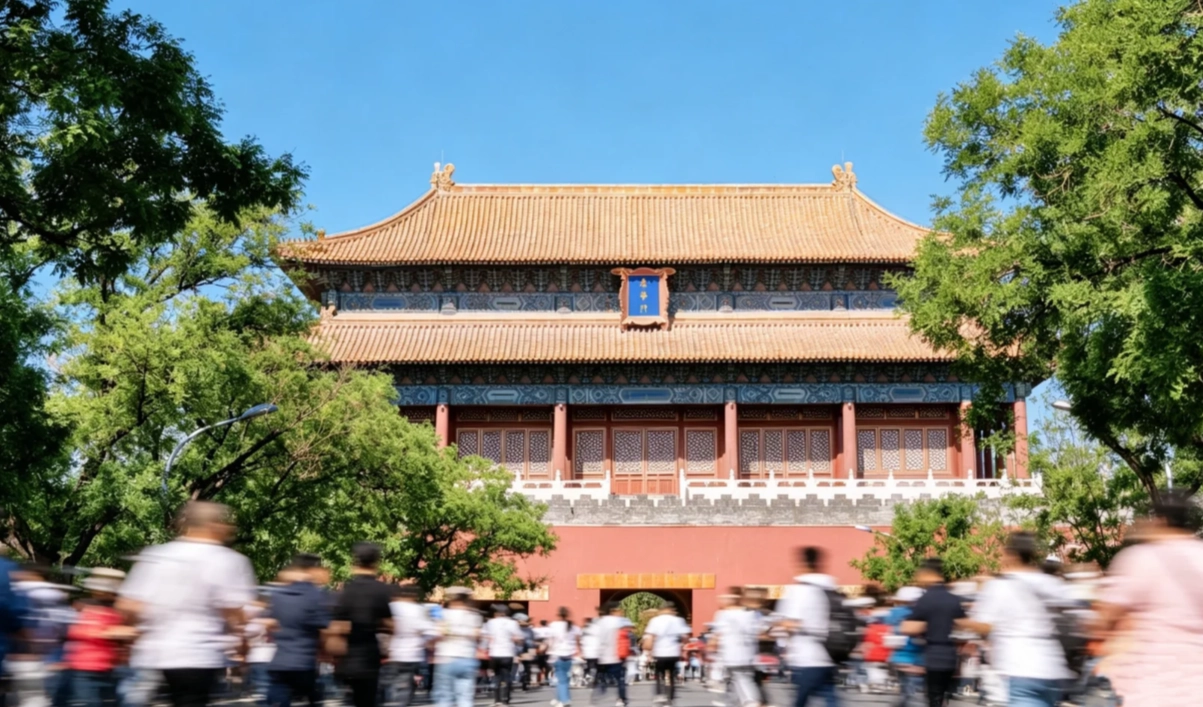
Practical Information for Visitors
Located at Tiantan East Road, Dongcheng District, the Temple of Heaven is easily accessible. Here's what you need to know:
| Aspect | Details |
|---|---|
| Tickets | Park entry is 15 CNY, while a combined ticket for all main buildings (like the Hall of Prayer for Good Harvests) is 35 CNY. You can buy tickets at the gates, but online booking saves time. No need for advanced reservations like the Forbidden City. |
| Opening Hours | Park: 6:00 AM to 10:00 PM. Main buildings: 8:00 AM to 5:30 PM (April to October), 8:00 AM to 5:00 PM (November to March). The park opens early for morning exercises. |
| Transportation | Subway Line 5 to Tiantan East Gate Station (Exit A). Buses also stop nearby. It's less crowded than the Forbidden City, so taxis are a good option too. |
Exploring the Temple of Heaven Complex
The highlight is the Hall of Prayer for Good Harvests—that circular blue-roofed building you see in photos. It's stunning, but the interior is often crowded. Go early to avoid tour groups. The Echo Wall and the Circular Mound Altar are fun for testing acoustics, though they can be noisy with kids running around.
What I enjoyed most was strolling through the park. The ancient cypress trees are hundreds of years old, and the pathways are shaded. You'll see locals playing cards, singing opera, or just relaxing. It's a glimpse into daily Beijing life. If you have time, visit the nearby Temple of Heaven Museum for context on the rituals.
A downside: the signage isn't great in English, so download a map or use a translation app. Also, the buildings can feel repetitive if you're not into architecture, but the symbolism—like the three-tiered roofs representing heaven, earth, and man—adds depth.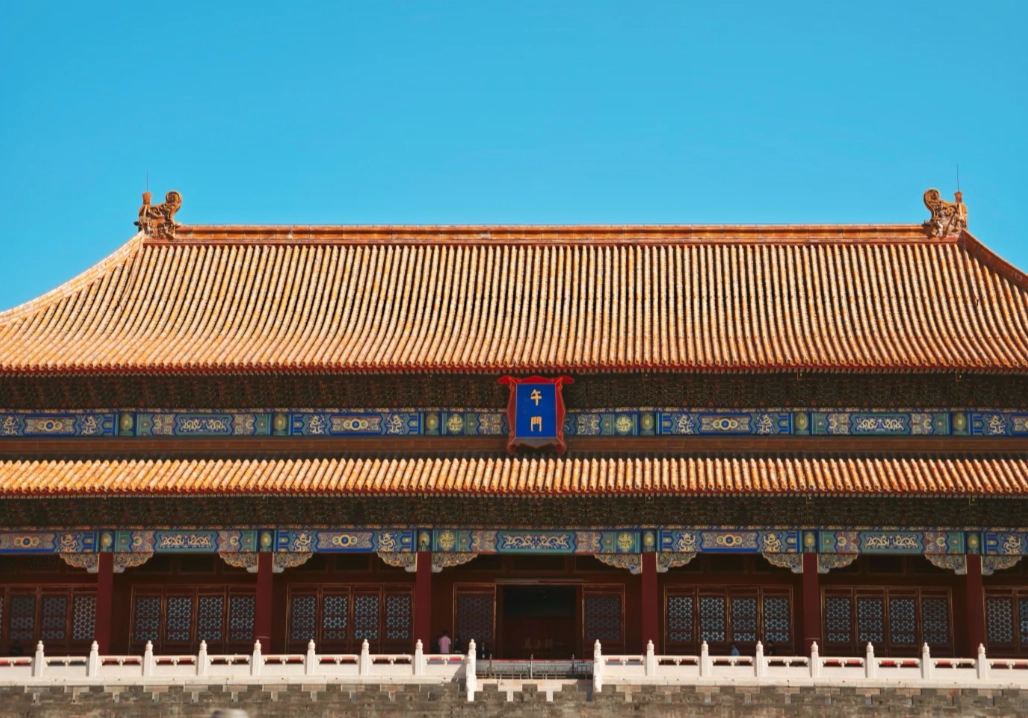
How to Plan Your Visit Efficiently
Combining these two attractions in one day is possible, but tiring. I'd recommend spreading them over two days if you can. Here's a sample plan based on my experience:
Morning: Arrive at the Forbidden City by 9 AM after booking tickets online. Spend 3-4 hours exploring the central axis and one wing. Afternoon: Walk to Jingshan Park across the street for a panoramic view of the Forbidden City—it's worth the small entry fee. Evening: Explore the hutongs nearby for dinner.
Morning: Visit the Temple of Heaven around 8 AM to see the buildings before crowds. Spend 2-3 hours. Afternoon: Head to Qianmen Street for shopping or the National Museum if you have energy. The Temple of Heaven is less time-consuming than the Forbidden City.
Transportation-wise, both sites are well-connected by subway. Use apps like Baidu Maps for real-time directions. For tickets, always check official sources like the Beijing Tourism Development Commission website for updates—policies can change.
One thing I learned: avoid weekends and Chinese holidays. The Forbidden City gets packed, and the Temple of Heaven loses its serenity. If you must go on a busy day, visit the Temple of Heaven early in the morning when it's mostly locals.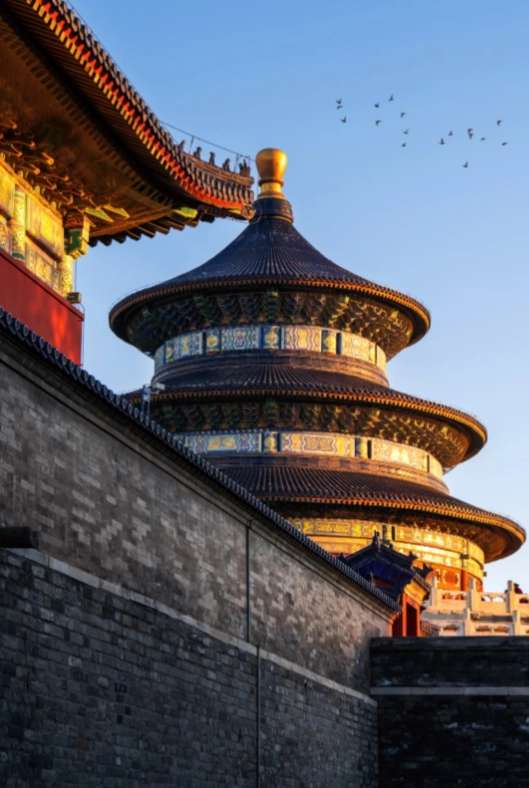
Frequently Asked Questions (FAQ)
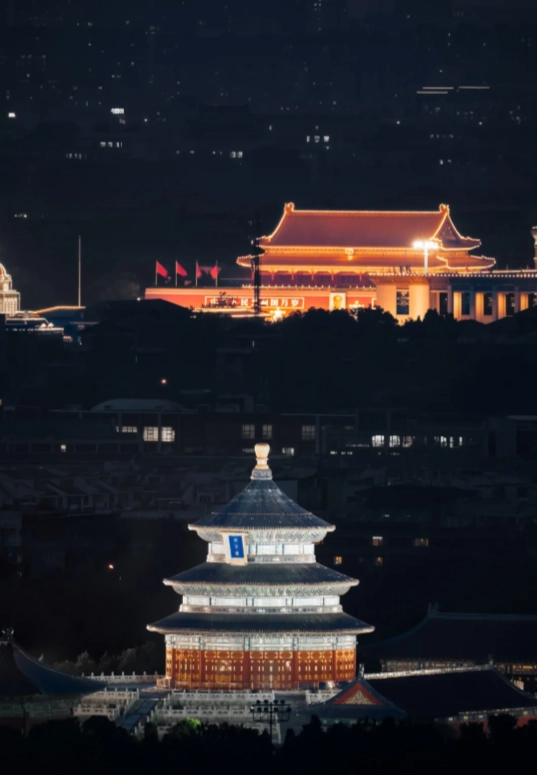 This guide is based on personal visits and fact-checked against official resources. Remember, these attractions are more than just photo ops—they're windows into China's imperial past. Take your time, soak in the atmosphere, and don't forget to look beyond the main halls. Happy exploring!





No comments yet.