 Jian Zhao
What’s Inside This Guide
I almost missed it. After exploring the stark, imposing beauty of the Zhenbeitai (North Fortified Terrace) itself—a Ming Dynasty beacon on the edge of the Mu Us Desert—I followed the main road back towards Yulin city, hungry. The tourist-facing restaurants near the entrance looked clean, quiet, and utterly generic. That’s when I saw him: an older man in a worn apron, disappearing down a narrow alley between two low buildings, carrying a tray of steaming, hand-pulled noodles. My gut said follow.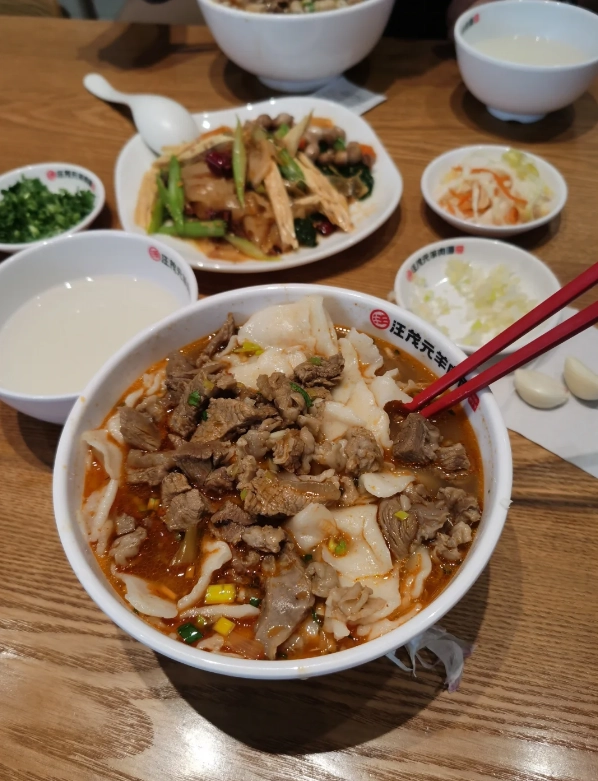
That alley led to a different Yulin. Not the one of grand history, but the one of daily life—a cacophony of sizzling woks, the thick, wheaty smell of fresh mantou (steamed buns), and the low murmur of locals debating the day’s news over bowls of soup. This guide isn’t about the fanciest meals. It’s a map to that alley and others like it. If you want to understand northern Shaanxi, you need to taste its resilience and simplicity, found in a perfectly charred meat pie or a bowl of noodles that costs less than a coffee.
The Food Scene Beyond the Terrace
Forget “Shaanxi cuisine” as a single idea. Xi’an, to the south, is about bold, sour, and spicy flavors. Up here in Yulin, near the Great Wall and the desert, the food is heartier, saltier, and built for sustenance. Wheat is king, not rice. You’ll see more lamb and mutton than pork. The flavors are direct, robust, and often involve some form of dough being masterfully transformed.
The area immediately around Zhenbeitai itself is sparse, food-wise. Your real eating adventure starts in the older neighborhoods of Yulin city, a short drive away. Places like the streets around Bell and Drum Tower area, or the bustling local market lanes south of Nanmen (South Gate). Here, restaurants have plastic stools, laminated menus with pictures, and a layer of honest grease on the walls that tells you they’ve been doing this for decades.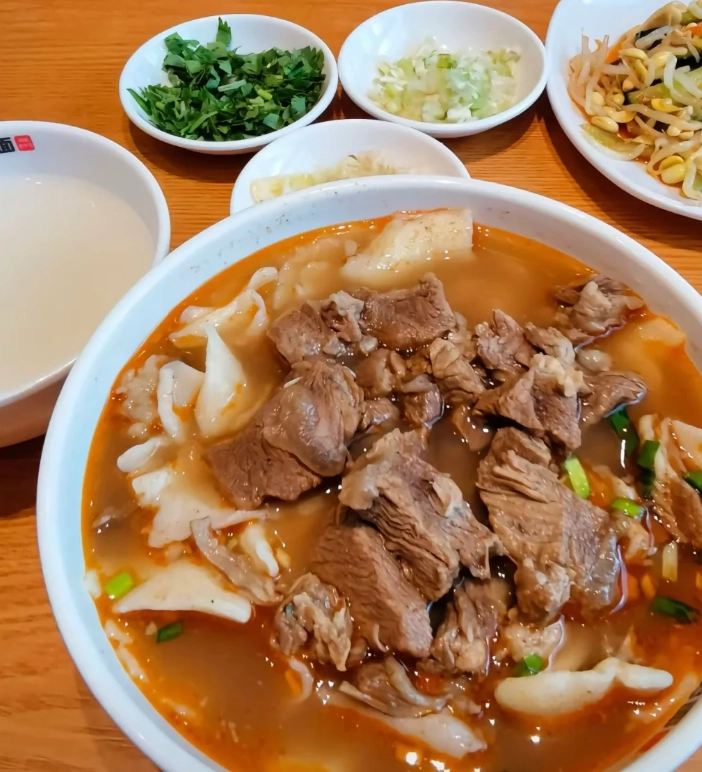
A Quick Geography Note: Zhenbeitai is a historical site on the northern outskirts of Yulin City, in Shaanxi Province. It’s part of the Great Wall fortification system. When we talk about “Zhenbeitai food,” we’re really talking about the local culinary culture of Yulin city, which is your base for visiting the terrace. Plan to explore the city’s eateries after your visit.
What to Eat Near Zhenbeitai: A Handpicked List
Based on multiple trips and more than a few happy (and one regrettable) meals, here’s where I’d send a friend.
1. The Noodle Master: Lao Wang Hand-Pulled Noodles
Address: Look for a faded blue sign saying “老王拉面” on a small street off Beidajie, about 1.5km south of the Bell Tower. (It’s easier to show a taxi driver the Chinese characters).
The Vibe: This is a one-man show. The eponymous Lao Wang pulls noodles in the front window. The room has six tables, sticky floors, and zero English. It’s perfect.
Must-Order: Yulin Lamb Noodle Soup (榆林羊肉面). The broth is clear, deep, and savory, simmered with lamb bones for hours. The hand-pulled noodles are thick, chewy, and irregular—the sign of real skill. Tender chunks of stewed lamb on top. It’s not spicy, just profoundly satisfying. The aroma of lamb and cumin hits you first.
Price & Practicals: A huge bowl is about ¥25 (~$3.5 USD). Open 10:30 AM – 8:30 PM. No real queue, but it fills up at lunch (12:30-1:30). Go at 11:30 AM. Hygiene is basic but fine; the broth is boiling hot. Bring cash.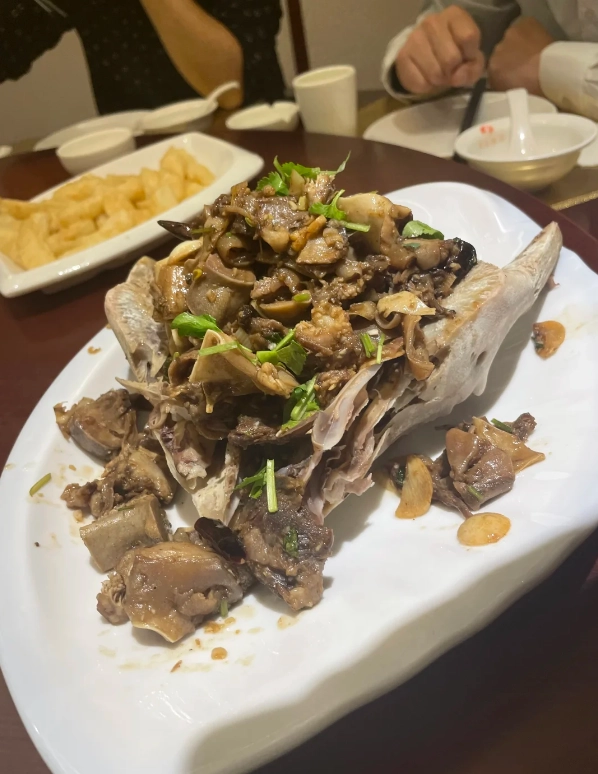
2. The Pie Legend: Auntie Zhang’s Frying Pan
Address: A tiny storefront in the covered market near “Kaihuo Temple” (开豁寺) area. No English sign, just a constant line of locals.
The Vibe: Street food at its best. Auntie Zhang and her daughter work two giant flat pans, churning out pies. You eat standing up or take away. It’s chaotic, fragrant, and fast.
Must-Order: Fried Meat Pie (馅饼). The dough is flaky and blistered golden brown from the pan. Inside, a savory filling of minced lamb, spring onion, and a hint of five-spice. It’s juicy, a little greasy in the best way, and incredibly flavorful. The first bite is always a scalding, delicious mistake.
Price & Practicals: ¥6 per pie (~$0.85 USD). Two make a meal. Open from 7 AM until they sell out, usually by 2 PM. Expect a 5-10 minute wait. They use disposable paper sleeves. Watch your sleeves near the hot oil!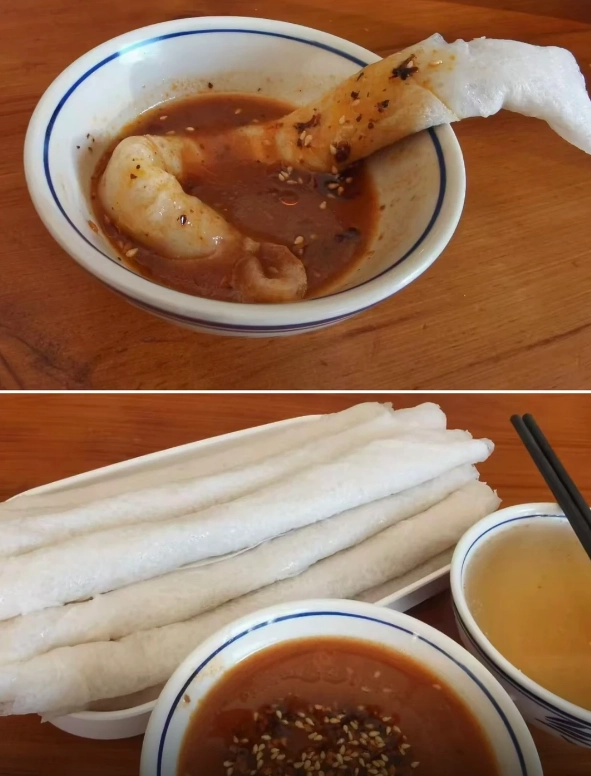
3. The Home-Style Haven: Xiangyang Folk Restaurant
Address: 42 Xiangyang Lane, a bit harder to find but worth it. This is a proper sit-down restaurant with a menu.
The Vibe: A step up in comfort—private rooms, clean tables—but the food remains staunchly local. Families and groups come here for celebrations.
Must-Order Dishes:
| Dish (English/Pinyin) | Description & Flavor Profile | Approx. Price (USD) |
|---|---|---|
| Braised Yellow River Carp (红烧黄河鲤鱼) | The fish is sweet-fleshed, braised in a slightly sweet, soy-based sauce with garlic. Less bony than you’d fear. A local delicacy. | $12-$15 |
| Stir-Fried Shredded Potato (炒土豆丝) | Sounds simple, but it’s a test of skill. Crisp, vinegar-tangy, with a touch of chili. The ultimate comfort side dish. | $4-$5 |
| Steamed Dough with Wild Vegetables (野菜烩蒸饼) | Dough strips steamed until fluffy, then stir-fried with bitter wild greens. Earthy, hearty, and uniquely northern. | $6-$8 |
Practicals: Open 11 AM – 10 PM. You can point at pictures. A meal for two with drinks runs about ¥120-180 (~$17-$25 USD). They accept digital payments (Alipay/WeChat).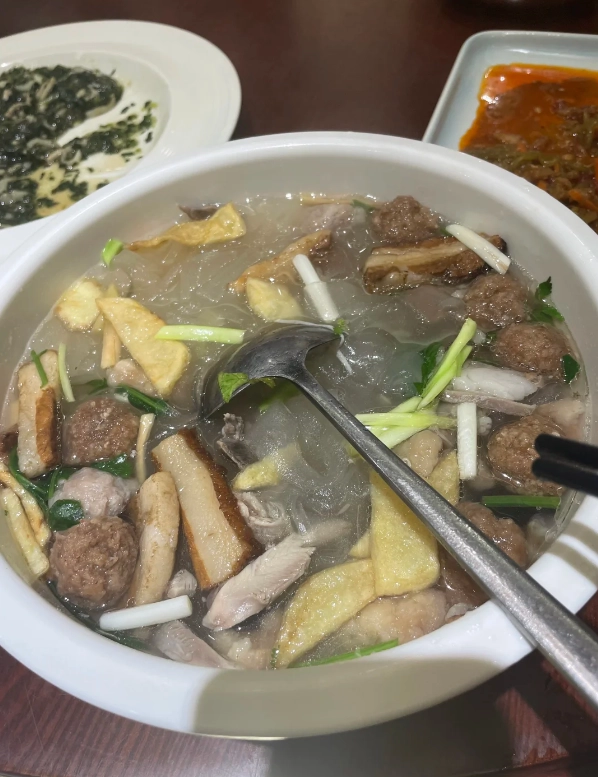
A Place I’d Skip (The Tourist Trap)
The “Ancient Style” Restaurant right by Zhenbeitai parking lot. I made this mistake so you don’t have to. The prices are double, the portions are smaller, and the flavors are muted for a presumed “less adventurous” palate. The lamb was dry, the noodles were pre-made. It’s convenient, but it’s a culinary dead zone. Walk another 10 minutes or get a taxi into town.
How to Order Like a Local at Yulin’s Noodle Shops
This is where most travelers freeze up. Here’s the non-scary breakdown.
Step 1: The Noodle Shape. In hand-pulled noodle shops, you’ll often be asked what shape you want. The main two are:
- La mian (拉面): The classic, long, round strands.
- Dao xiao mian (刀削面): Knife-shaved noodles, thicker, chewier, and irregular with flat edges.
Step 2: The Topping/Soup Base. The most common are:
- Yangrou mian (羊肉面): Lamb noodle soup. The default and a must-try.
- Zajiang mian (炸酱面): Noodles with a minced meat (usually pork) and fermented bean paste sauce. It’s drier, richer, and savory.
- Tang mian (汤面): Simple soup noodles, sometimes with tomato and egg.
Step 3: The Magic Phrase. If you’re sensitive to spice or the numbing effect of Sichuan pepper, say: “Bu yao tai la.” (不要太太). It means “Don’t make it too spicy.” They’ll usually put the chili oil on the side.
My go-to order at a new place? I point at the person next to me who looks like they know what they’re doing and say, “Wo yao yi yang de.” (我要一样的) – “I want the same one.” It has never failed me.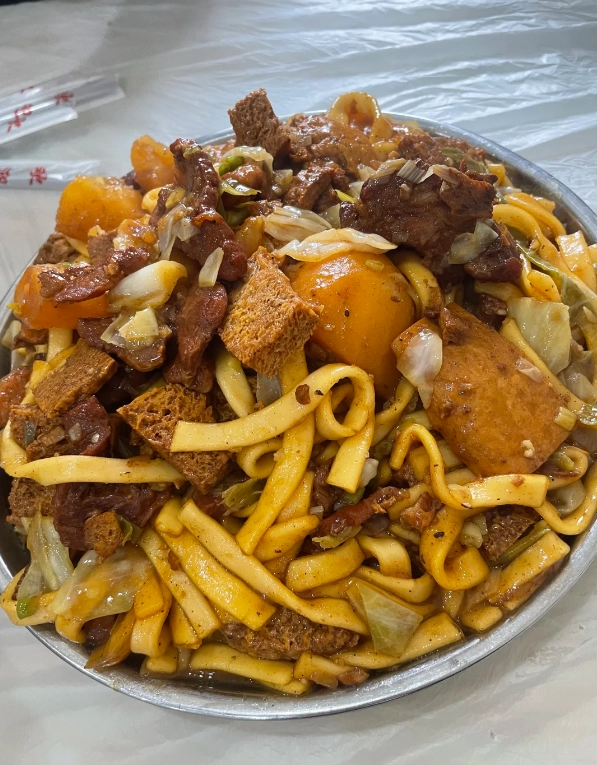
Navigating Yulin’s Food Streets: What to Expect
Yulin’s old town is walkable and the best food is stumbled upon. Here’s what you’ll encounter:
The Stall Setup: Tiny kitchens open to the street. You’ll see the cook, the ingredients, and the process. This transparency is a good sign. Look for places with a steady stream of locals, not tourists.
Hygiene Reality Check: It’s not sterile. Surfaces might be well-worn. The key is heat. Food that’s cooked to order right in front of you, served piping hot, is generally safe. Avoid pre-cut, unrefrigerated fruit salads or lukewarm items sitting out. Stick to boiled, fried, or steaming-hot items.
Paying: Cash is universally accepted, especially for small stalls. Surprisingly, most places, even Auntie Zhang’s, now have a QR code for Alipay or WeChat Pay. If you have those set up, you’re golden. If not, have small denomination RMB notes (¥5, ¥10, ¥20).
Portion Sizes: They are generous, especially noodles. One bowl is often enough for a meal. Sharing a few different street snacks is a great way to try more.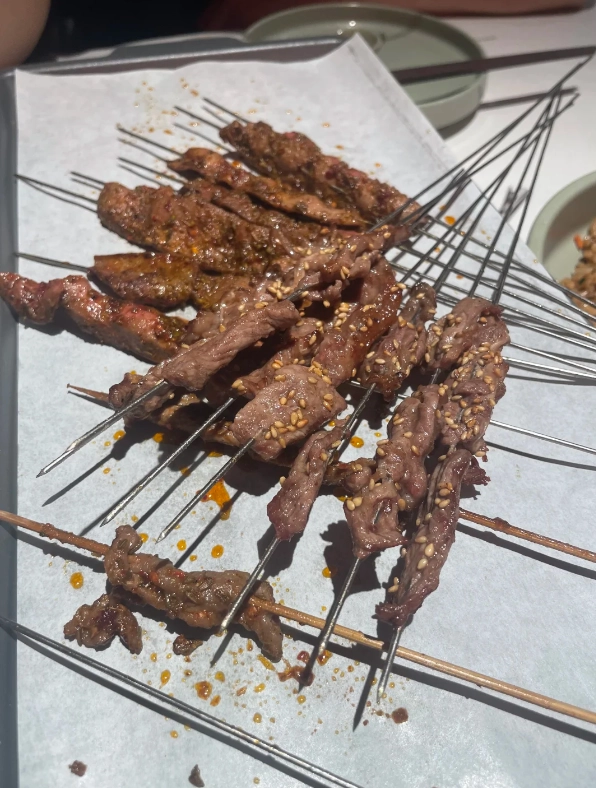
Your Zhenbeitai Food FAQ Answered
Is the tap water safe to drink in Yulin?
No. Do not drink tap water anywhere in China, including Yulin. Always drink bottled or boiled water. This includes avoiding ice in your drinks at very casual street stalls (restaurants typically use commercial ice). At noodle shops, the soup broth is boiled, so that’s fine. Just stick to sealed bottled water for drinking.
What if I can’t use chopsticks?
First, give them a try—noodles are actually easier to eat with chopsticks than a fork! But if you struggle, it’s not a big deal. For noodle soup places, you can ask for a shaozi (勺子) – a Chinese soup spoon. For dry noodles or dumplings, some places might have a fork if you ask (“you meiyou chazi?” 有没有叉子?), but it’s hit or miss. Carrying a compact travel fork isn’t a bad idea.
 I’m a vegetarian. Will I find options?
It’s challenging, but not impossible. Northern Shaanxi cuisine heavily features lamb. You need to be very clear. Say: “Wo chi su.” (我吃素) meaning “I eat vegetarian.” Then specify: “Bu yao rou, bu yao yu, bu yao ji dan.” (不要肉,不要鱼,不要鸡蛋) for “No meat, no fish, no eggs.” Your best bets are stir-fried potato shreds, wood ear mushroom dishes, cold cucumber salads, and plain steamed buns (mantou). Be aware that even vegetable dishes might be cooked in animal fat, so strict vegetarians should seek out Buddhist-style restaurants specifically.
How do I know if a place is clean enough?
Look for a high turnover of customers and food. A busy place means ingredients are fresh. Watch the cook. Are they handling money and then food without washing hands? That’s a red flag. Are raw and cooked ingredients separated? Trust your eyes. The places I recommended have stood the test of time and local patronage, which is the best hygiene indicator.
What’s the one dish I absolutely cannot miss?
Hands down, a bowl of Yulin Lamb Noodle Soup (榆林羊肉面) from a local hand-pulled noodle shop. It’s the soul of the region. The combination of the clear, savory broth, the chewy, fresh noodles, and the tender lamb encapsulates the hearty, no-nonsense character of this part of China. Skip this, and you’ve missed the point of coming here.
This article is based on the author’s first-hand travel experiences and observations in Yulin. Details regarding restaurant operations, prices, and menu items were verified during visits. Travelers are advised that specifics like exact opening hours may occasionally vary.





Honestly, I was a bit let down. The guide hyped up a few spots as 'must-visit', but the braised lamb we had was overly fatty and the noodles were mushy. The hygiene was questionable – sticky tables and flies buzzing around. Prices weren't bargain level either. Maybe I caught the wrong day, but for a food guide claiming 'authentic local eats', I expected way better. Would skip the top picks and just wander instead.
Solid guide overall! The oil cake (油馍馍) was a revelation – fluffy and slightly sweet, perfect with tea. I appreciated the detailed descriptions of each dish. My only gripe: a couple of the restaurant locations were a bit tricky to find, and one place had closed earlier than the guide said. Still, the food quality was great and everything felt very authentic. Would use it again with some patience on navigation.
This guide led me to a night market that wasn't even on Google Maps – just a cluster of grills and steam carts behind the old town wall. The grilled lamb skewers were smoky and juicy, and the potato patties (土豆饼) were crispy on the outside, soft inside. I sat on a tiny stool watching locals laugh and chat. That kind of real experience is exactly what I hoped for. Highly recommend following this guide if you want to eat like a Yulin local.
As a food blogger who chases authentic street eats, this guide delivered big time. The recommended lamb offal soup (羊杂碎) was a game changer – so hearty and layered with spices, not gamey at all. Also tried the 'pin san xian' (拼三鲜) which felt like a hug in a bowl. The vendors were incredibly patient explaining ingredients despite my broken Chinese. Cheap eats, huge flavors. 5 stars, no question.
I followed the guide to a tiny corner stall near Zhenbeitai and had the most incredible bowl of buckwheat noodles (荞面饸饹) I've ever tasted. The broth was rich with lamb and the noodles had this perfect chewy bite. The place was just a few plastic stools under a faded awning, but the old lady running it smiled the whole time. This guide really knows where the hidden gems are – absolutely worth every penny!
This guide led me to a tiny family-run place just south of the Zhenbeitai parking lot. The owner only speaks local dialect but her hand-pulled biangbiang noodles were incredible – thick, chewy, and soaked in a spicy soy sauce base. Plus she gave us free slices of watermelon after the meal. Simple, hearty, and super cheap (18 yuan). Four stars because the directions in the guide were a bit confusing – I almost walked past it!
Honestly a bit overhyped. We followed the guide to a 'famous' lamb offal spot but the intestines were rubbery and the broth was way too salty. Maybe it's an acquired taste, but for 35 yuan a bowl I expected better. The environment was also dusty and flies were buzzing around. Not my favorite meal in Yulin. Would skip next time.
Hands down the best suanla tang (sour-spicy soup) I've ever had in Yulin! The vendor near the west entrance of Zhenbeitai uses this secret blend of aged vinegar and local peppercorns that wakes up every taste bud. Also, the fried dough sticks were perfectly crispy. If you're a foodie visiting the fortress, this guide is a must-follow. 5 stars, no doubt.
Solid guide if you want to eat like a local around Zhenbeitai. Tried the youpo mian (oil-splashed noodles) at a spot listed here – the texture was spot on and the chili oil was fragrant but not overwhelming. Only gave it 4 stars because the seating was a bit cramped and we had to wait 20 minutes for a table at noon. Still, the flavors were authentic.
We stumbled upon this food guide after climbing Zhenbeitai and it was a game changer! The lamb skewers near the north gate were incredibly juicy, with just the right amount of cumin. The stall owner even showed us how they grill over charcoal right there. Felt like a real local experience. Highly recommend the cold skin noodles too – perfect after a hot morning hike.
This guide is a lifesaver if you want to eat like a local in Yulin. I appreciated the clear directions and price ranges. The only reason I'm giving 4 instead of 5 is that the formatting on mobile was a bit cramped — some paragraphs ran together. But the content itself is gold. Would definitely recommend.
Decent guide overall, but I tried the fenjiu chicken place it recommended and found the meat a bit dry and the service indifferent. Maybe I caught them on a bad day, but I expected more for a 'must-eat' listing. The other suggestions seemed fine, just not a home run for me.
Great starting point, but be warned — some of the 'authentic' spots are very local and might be challenging if you're not used to strong flavors or rough seating. I loved the mianpi place, but my friend found it too oily. Still, a solid 4/5 for helping me go off the beaten path.
Loved how this guide dives into the stories behind each dish. The description of the spicy lamb skewers made me crave them before I even arrived, and the actual stall near the north gate lived up to the hype. Only wish there were more photos, but the writing more than makes up for it. A must-read!
I followed this guide religiously during my trip to Yulin, and it did not disappoint! The recommendation for yangrou paomo at the small alley near Zhenbeitai was spot on — the broth was rich and the bread perfectly soaked. Saved me from tourist traps. Absolutely essential for any foodie visiting the area.