 Fang Wang
Let's cut to the chase. If you're searching "Is Qibao Old Street worth visiting?", you're probably weighing a half-day trip from central Shanghai against other options like Zhujiajiao or a museum. I've walked its lanes countless times, both with out-of-town friends and alone for a snack fix. The short answer is yes, it's worth it—but only if you know what to expect and what to avoid.
Qibao isn't a serene, ancient Venice. It's a lively, compact historical lane built along a canal, packed with food stalls, small museums, and souvenir shops. Think of it as a concentrated dose of traditional Shanghai snack culture and Ming-Qing era architecture, served with a side of crowds. It's perfect if you're short on time but want a taste of "water town" charm without the full-day commitment to places farther out.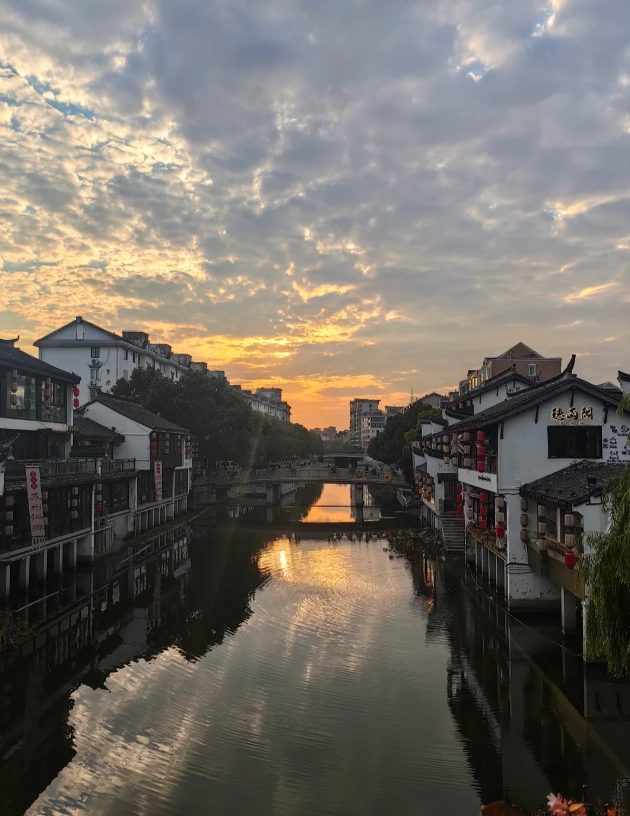
What’s Inside This Guide?
The Quick Verdict: Who Should (and Shouldn't) Go
Qibao Old Street is worth your visit if:
- You have only 3-4 hours to spare for an excursion.
- Your primary goal is to sample a wide variety of classic Shanghainese and Jiangnan snacks in one place.
- You enjoy bustling, market-like atmospheres.
- You want to see a "water town" but can't justify a whole day trip.
You might want to skip it if:
- You seek a peaceful, authentic ancient town experience (try Tongli or Xitang instead).
- You dislike crowds and tightly packed pedestrian streets.
- You're expecting grand, awe-inspiring historical architecture. The scale here is intimate.
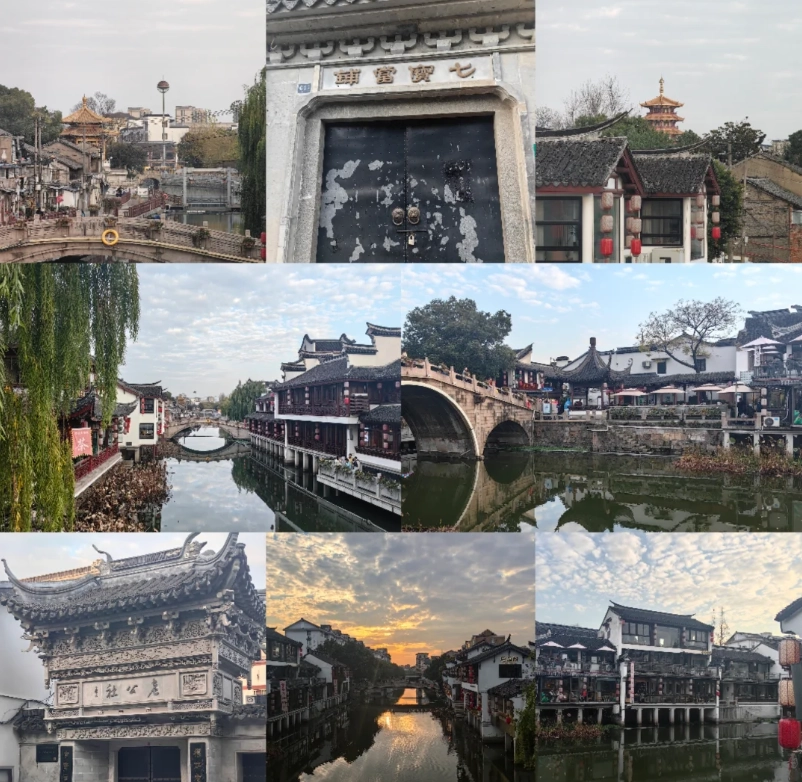
What Can You Actually Do and See in Qibao?
The main activity is strolling. The core area is about 800 meters long, split into two sections by the Zhonggu Road bridge. The south side is all about food. The north side mixes shops with a few small museums and quieter stretches of canal.
Beyond the Snacks: Cultural Spots
Most people blow right past these, which is a shame. They offer a quiet breather.
- Qibao Shadow Puppet Museum: Tucked away on the north side. For a small fee (around 10 RMB), you can watch a short traditional shadow puppet show. It's charming, kitschy, and a genuine piece of folk art. The shows run at scheduled times.
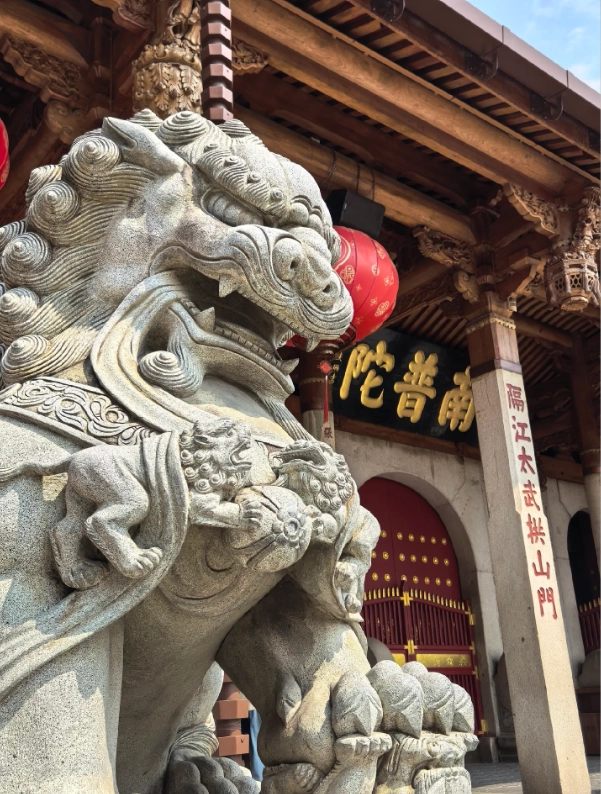
- Qibao Temple (Qibaosi): A working Buddhist temple at the northern end. It's not enormous, but its yellow walls and incense smoke provide a stark contrast to the commercial buzz just outside its gates. Entrance is separate from the old street.
- The Old Rice Warehouse & Cotton Mill Exhibits: These are tiny, one-room displays explaining Qibao's historical trades. They're free, take two minutes, and give context—this was a prosperous market town for grain and textiles.
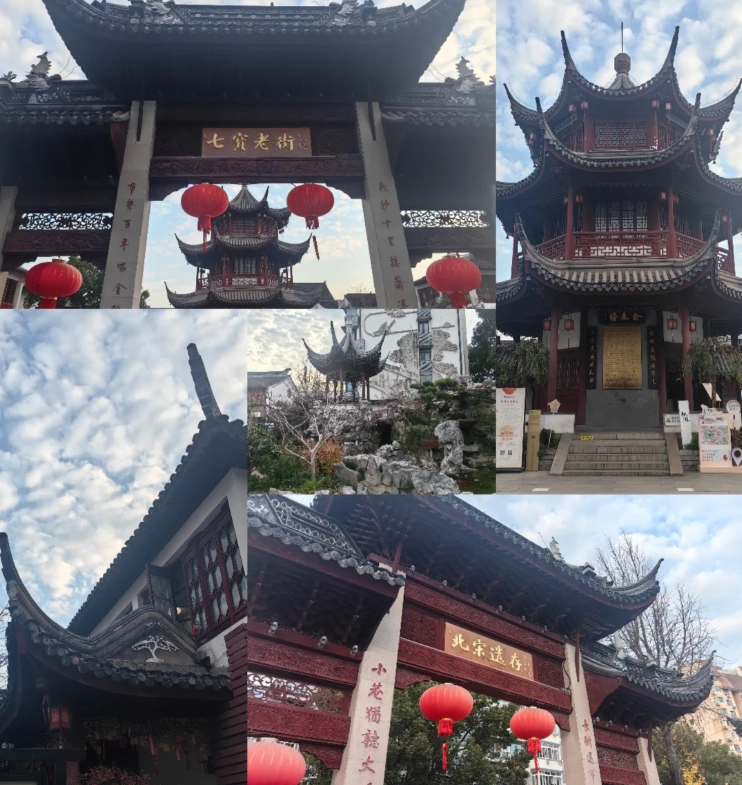
A Local's Perspective on the Vibe
On my last visit, a Tuesday afternoon, the main snack street was still busy. The air was thick with the smell of frying oil, soy sauce, and sugar. It's not a place for a contemplative walk. But duck into a side alley or cross the bridge to the less-food-focused north section, and the pace slows. You'll see old residents playing cards, laundry hanging over the canal, and cats sunning themselves. That glimpse of daily life alongside the tourism is what makes Qibao feel real to me.
The Real Qibao Food Guide: What to Eat (And Where)
This is the main event. Don't come with a full stomach. The strategy is to share small items so you can try more. Here are the must-tries, based on my repeated tastings.
| Food Item | What It Is | Approx. Price | My Recommended Spot (Look for) |
|---|---|---|---|
| Qibao Glutinous Rice Cake (Qibao Gaotie) | Sweet, sticky rice cakes with red bean or sesame paste, pressed in a mold and grilled. | 5-8 RMB each | The stall with a long line near the south entrance. The crispier exterior from the iron press is key. |
| Braised Pork in Soy Sauce (Hongshao Rou) | Tender, fatty pork belly stewed in sweet soy sauce, served in a small bowl. | 15-25 RMB | "Fangbang Lao Jie" shop. The sauce has a deeper, more complex flavor with a hint of star anise. |
| Salt-Brined Tofu (Xian Doufu) | Firm tofu cubes marinated in a savory brine, often served cold or at room temperature. | 10 RMB per box | Any vendor with a large glass jar full of tofu blocks. It's a simple, savory palate cleanser. |
| Crab Roe Soup Dumplings (Xiefen Xiaolongbao) | Small steamed buns filled with rich, savory crab and pork broth. | 20-30 RMB for 6 | "Nanxiang Steamed Bun Restaurant" (a branch). Not the absolute best in Shanghai, but reliably good here. |
| Sweet Rice Wine (Jiangmi Jiu) | A mildly alcoholic, sweet fermented rice drink, served warm or cold. | 8-12 RMB per cup | The small shop near the shadow puppet museum. Theirs is less syrupy than others. |
A common mistake is loading up on the first few stalls. Walk the entire food street first, see what looks good and fresh, then double back. The quality can vary surprisingly.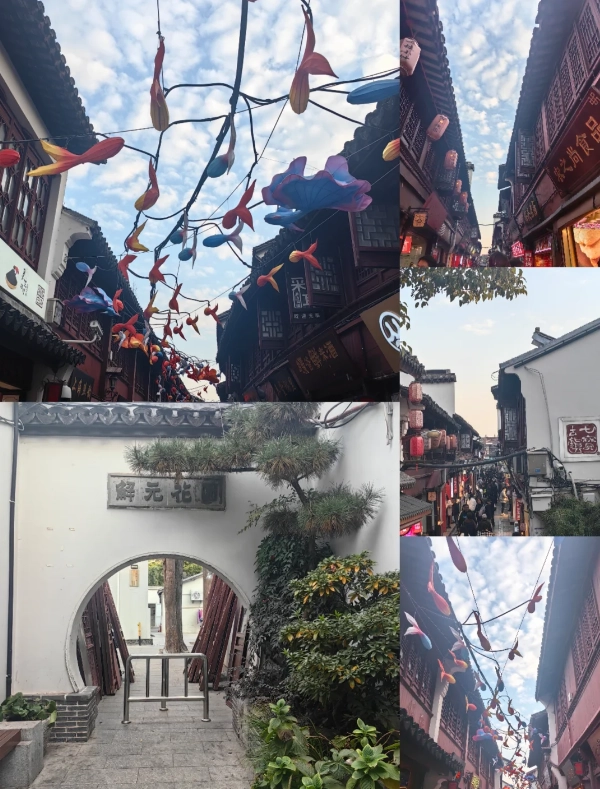
Practical Visit Info: Hours, Tickets & Getting There
How to Get to Qibao Old Street
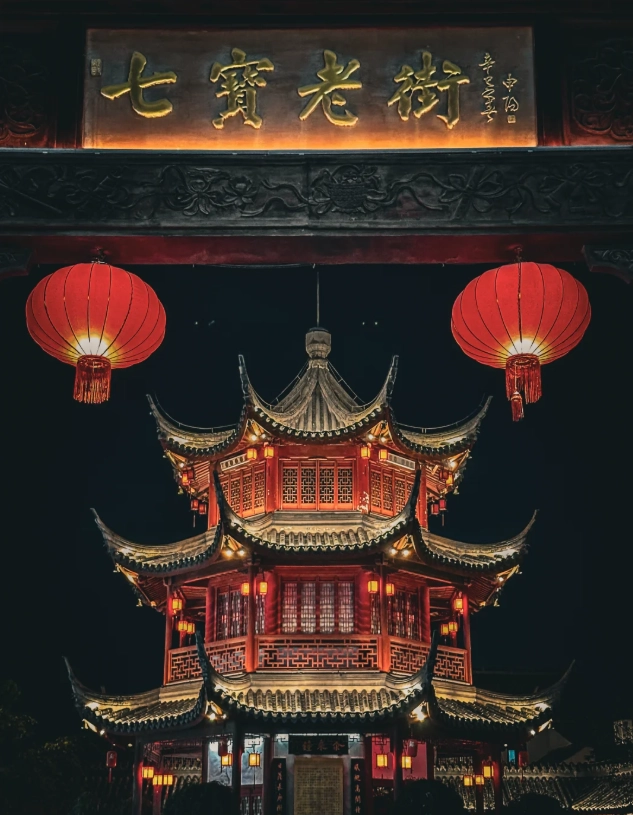
The easiest way is by Shanghai Metro. Take Line 9 and get off at Qibao Station. Use Exit 2. From there, it's a clearly signed 5-7 minute walk south. You'll see the traditional archway entrance.
If you're coming from popular areas:
- From People's Square: Metro Line 1 to Xujiahui, transfer to Line 9. Total travel ~35 minutes.
- From Nanjing East Road: Metro Line 2 to Century Avenue, transfer to Line 9. Total travel ~40 minutes.
- Taxi: A taxi from the Bund area will take 30-45 minutes depending on traffic and cost around 60-80 RMB.
Don't drive yourself. Parking is notoriously difficult and expensive near the old street.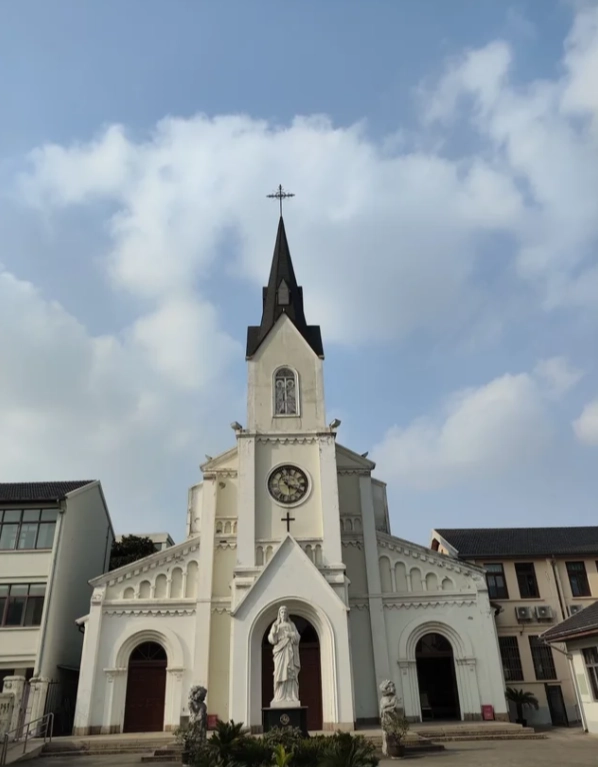
Making the Most of Your Trip: Itinerary & Tips
Here’s how I’d structure a perfect 3-4 hour visit:
- 10:00 AM: Arrive via Metro. Start on the south side (food street). Grab a rice cake or a savory pancake for initial fuel.
- 10:30 AM - 12:00 PM: Slow walk up the food street, sampling. Share a bowl of pork, try the tofu, split some soup dumplings. Don't eat a full portion of anything.
- 12:00 PM: Cross the Zhonggu Road bridge to the north side. It's instantly quieter. Explore the shadow puppet museum if timing aligns with a show.
- 12:45 PM: Walk the north street, peek into the old warehouse exhibits, enjoy the canal views without the main crowd.
- 1:15 PM: Loop back. If you missed a must-try snack, now's the time. Or, get a cup of sweet rice wine and find a spot by the water to people-watch.
- 2:00 PM: Depart, or optionally visit Qibao Temple before heading back to the metro.
Insider Tips You Won't Read Elsewhere
- The Crowd Secret: Weekday mornings (before 11 AM) are genuinely less packed. Sunday afternoons are the absolute peak. If you must go on a weekend, aim for the last hour before shops close.
- Cash is King (Sometimes): While most places accept WeChat/Alipay, some of the oldest, smallest stalls still prefer cash. Having 50-100 RMB in small bills avoids awkward moments.
- Bathroom Tip: Public toilets are at both ends of the old street and are usually clean. The one near the north end (close to the temple) tends to be less busy.
- What to Skip: The generic souvenir shops selling mass-produced trinkets. The "freshly squeezed" pomegranate juice that looks too perfectly red (it's often heavily diluted or from concentrate).
Your Questions, Honestly Answered
 This guide is based on multiple personal visits and cross-referenced with local information. Details like operating hours and prices are subject to change.





No comments yet.