 Jing Song
Quick Navigation
Let's cut to the chase. After more than a dozen visits over the years, I can say that for most people, the 798 Art Zone is absolutely worth a visit. But—and this is a big but—your experience can swing from inspiring to irritating based on a few key factors I'll break down. If you're short on time, here's the core: 798 offers a unique blend of industrial history, contemporary art, and urban culture that you won't find elsewhere in Beijing. However, it's not a pristine museum; it's a living, sometimes chaotic district where commerce and creativity collide. I've seen tourists leave thrilled, and others underwhelmed because they didn't know what to expect.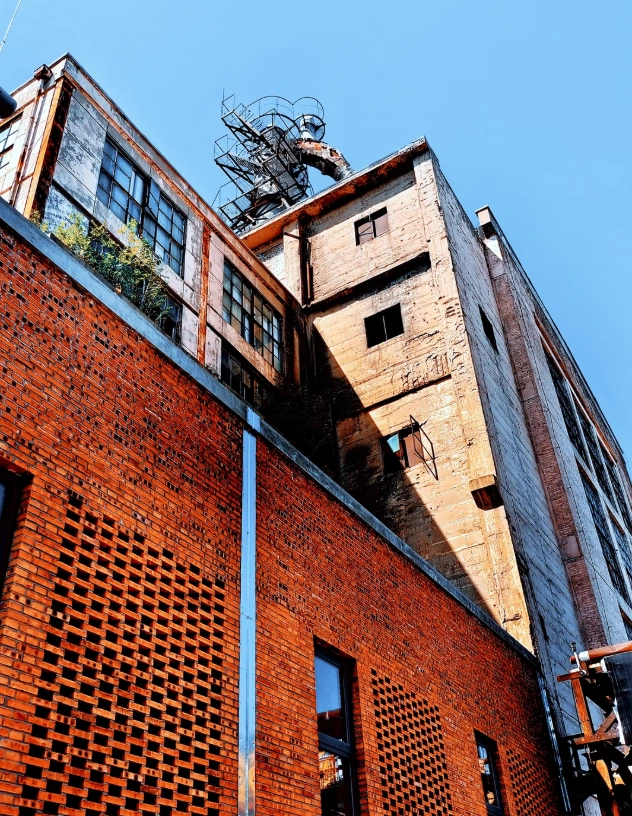
What is the 798 Art Zone?
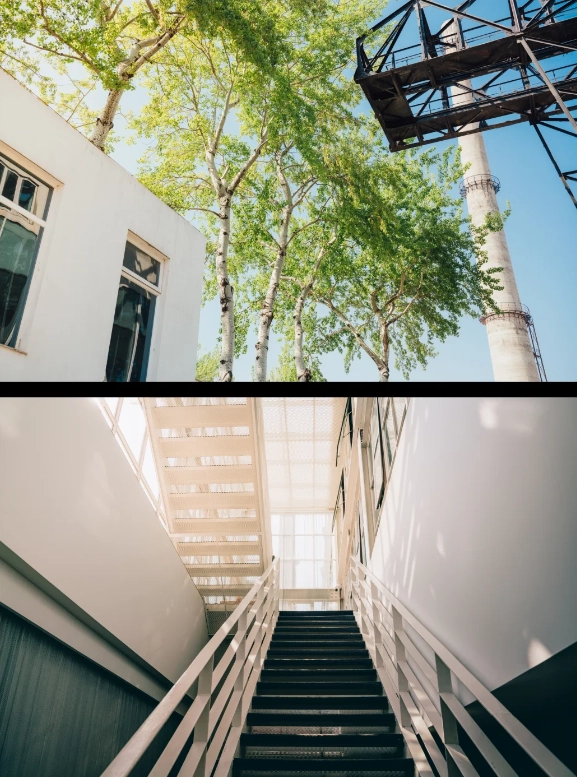
First things first. 798 isn't a single building or gallery. It's a massive complex of repurposed factory buildings from the 1950s, originally part of Beijing's state-owned electronics industry. The name "798" comes from one of the factory numbers. In the late 1990s, artists started moving into these cheap, spacious spaces with their high ceilings and Bauhaus-inspired architecture. Today, it's a sprawling art district covering about 230,000 square meters. Walking through, you'll feel the gritty charm of exposed pipes, rusty machinery left as sculptures, and red-brick walls covered in graffiti. It's this raw, unfinished vibe that sets it apart from sanitized art museums.
I remember my first visit, getting lost in the maze of alleys, stumbling upon a gallery showcasing avant-garde installations right next to a café playing loud electronic music. That's 798 in a nutshell—unpredictable and layered.
A Brief History Lesson
The transformation from factory to art hub wasn't overnight. According to historical records from the Beijing Cultural Heritage Bureau, the area was designated for redevelopment in the early 2000s, and artists fought to preserve its character. Now, it's a symbol of Beijing's modern cultural scene, though some argue it's become too commercial. On my last trip, I chatted with a local gallery owner who lamented how rents have skyrocketed, pushing out smaller studios. Yet, the creative energy persists if you know where to look.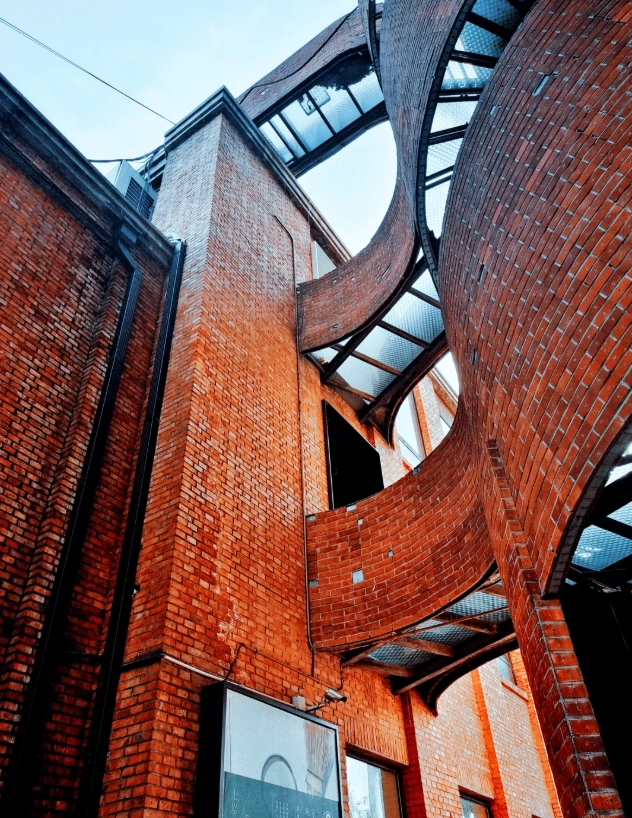
The Verdict: Pros and Cons
Let's get real. Is 798 worth it? It depends on your priorities. Here's my honest breakdown from countless hours exploring.
What I Loved
The sheer variety. You can spend a whole day hopping between galleries, boutiques, and cafes. I always discover something new, like a pop-up exhibition in a hidden courtyard. The photography galleries are particularly strong; I've spent hours in ones like the Three Shadows Photography Art Centre, which often features thought-provoking work. The industrial aesthetic is photogenic—perfect for Instagram, but also genuinely atmospheric. Plus, entry to the district itself is free, so you can wander without pressure.
What Fell Short
Commercialization is real. Some galleries feel like overpriced gift shops, selling mass-produced trinkets rather than art. I've walked into spaces that smelled more of coffee than creativity. Crowds can be intense on weekends, turning narrow paths into slow-moving queues. Signage is poor; I've gotten disoriented multiple times, even with a map. And while there's art everywhere, the quality is uneven. One day, I saw a brilliant interactive exhibit, the next, a derivative painting display. If you're expecting a curated museum experience, you might leave disappointed.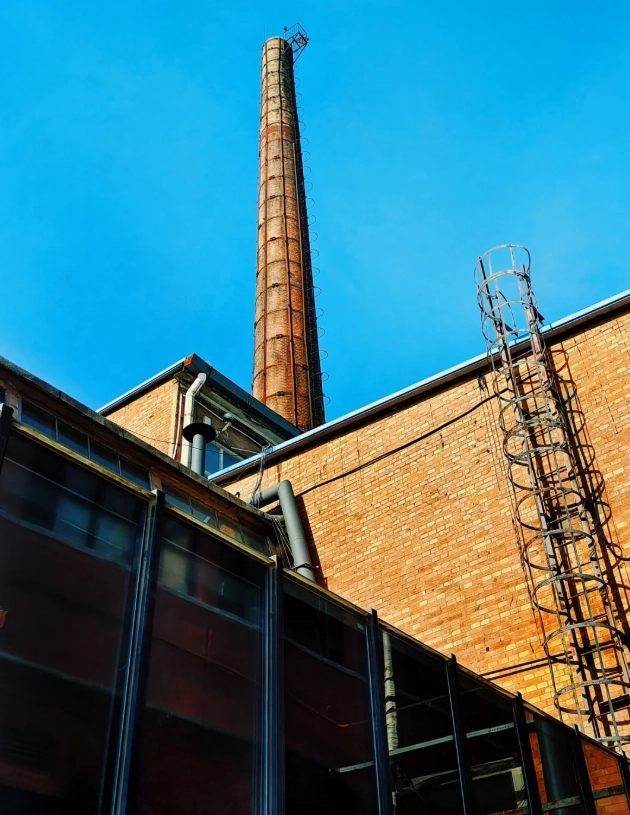
Practical Information at a Glance
Here's everything you need to plan your visit, based on my on-the-ground checks. I've compiled the key details into a table for quick reference.
| Category | Details |
|---|---|
| Address | 798 Art Zone, 4 Jiuxianqiao Road, Chaoyang District, Beijing, China. It's not a single point—use this as a general landmark. |
| Opening Hours | Varies by venue. Most galleries and shops open from 10:00 AM to 6:00 PM, Tuesday to Sunday. Some close on Mondays. Cafes and restaurants may operate until 10:00 PM. |
| Admission Fee | Free entry to the district. Individual galleries may charge tickets, typically ranging from 20 to 100 RMB (about $3 to $15) for special exhibitions. Many are free. |
| Best Time to Visit | Weekday mornings (10 AM - 12 PM) for fewer crowds. Avoid weekends and Chinese public holidays if you dislike congestion. |
| Time Needed | At least 2-3 hours for a quick walk. For a thorough exploration, allocate 4-6 hours, including breaks. |
I made the mistake of visiting on a Saturday afternoon once—it was packed, and I could barely move in popular spots. Now, I stick to weekdays.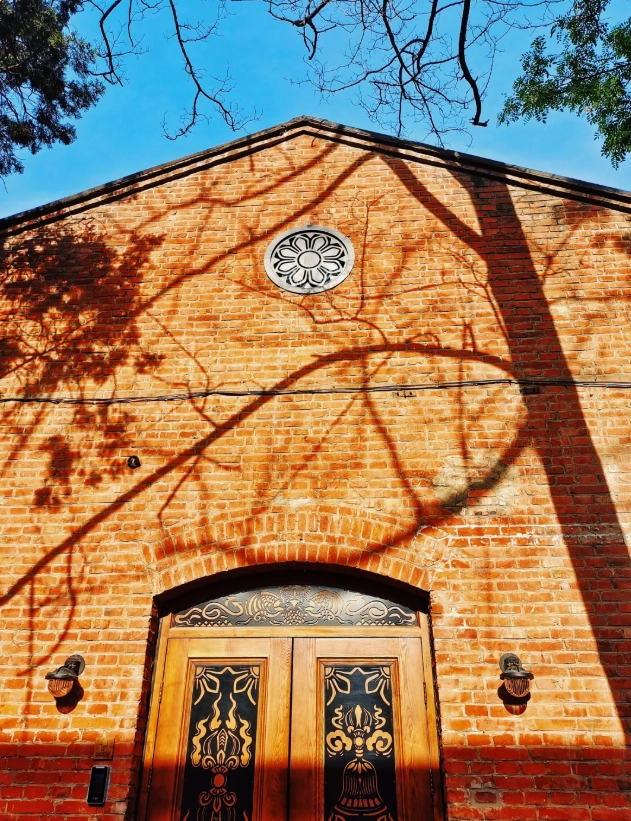
How to Get to 798 Art Zone
Navigating Beijing's transport can be tricky, but 798 is relatively accessible. Here's my step-by-step guide from different starting points.
By Metro
The most efficient way. Take Beijing Subway Line 14 to Jiangtai Station. From Exit A or B, it's a 15-20 minute walk west to the main entrances. The walk itself is through local neighborhoods—I often see street food vendors, which adds to the experience. Alternatively, from Line 14's Wangjing South Station, you can transfer to a bus, but walking is simpler.
By Bus
Several buses stop near 798. Bus routes 401, 402, 405, 445, 909, and 988 have stops at Dashanzi or Wangjing. I've taken Bus 401 from downtown; it's cheap but can be slow during rush hour. Alight at "Dashanzi Lukou Dong" stop and walk north for 5 minutes.
By Taxi or Ride-Hailing
Convenient but pricey. Use apps like Didi. Tell the driver "798 Yi Shu Qu" (798 Art Zone). From Tiananmen Square, it takes about 30-45 minutes depending on traffic, costing around 50-80 RMB. A pro tip: avoid peak hours (7-9 AM, 5-7 PM) to save time and money. I once got stuck in traffic for an hour, so plan ahead.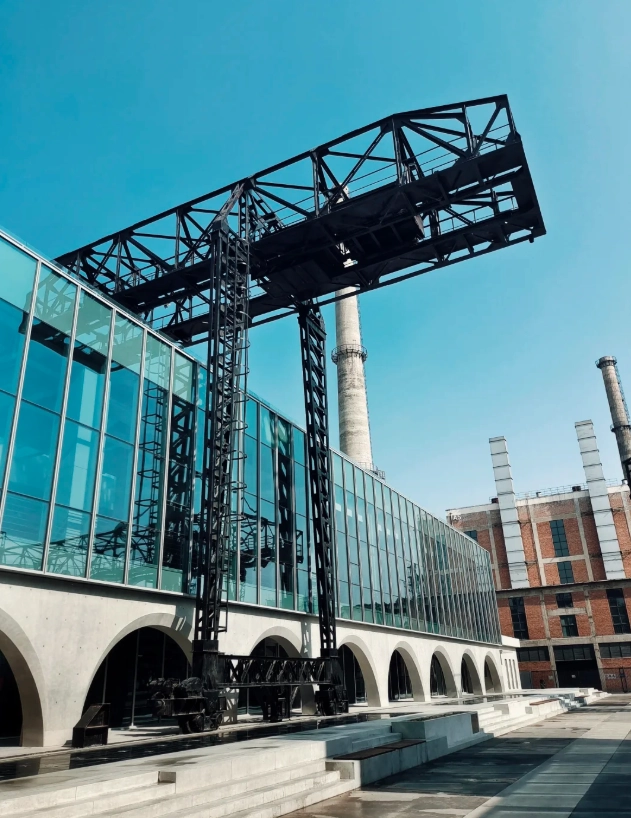
What to See and Do: My Personal Recommendations
Don't just wander aimlessly. Based on my visits, here are spots that stood out.
Must-Visit Galleries
Ullens Center for Contemporary Art (UCCA): This is the big one. It hosts rotating international exhibitions—I saw a fantastic Ai Weiwei show here. Entry fee applies, but it's worth it for the quality. Another favorite is the Beijing Minsheng Art Museum, which focuses on Chinese contemporary art. For photography, the Three Shadows Photography Art Centre is a gem, tucked away in a quieter corner.
Hidden Corners Most Tourists Miss
Venture beyond the main streets. I found a cluster of smaller studios near the northern edge, where artists actually work. Look for places like the 798 Space, which often has experimental installations. Also, the rooftop of some buildings offer great views of the district—ask politely at cafes. One café owner let me up, and I got a panoramic shot of the brick rooftops against the Beijing skyline.
Food and Drink Spots
Hungry? I usually grab a coffee at At Cafe, which has a cool industrial interior. For a full meal, try Timezone8, a bookstore-café with decent Western food. Prices are higher than outside, but the ambiance justifies it. I've had hit-or-miss experiences with street food inside—stick to established places if you're sensitive.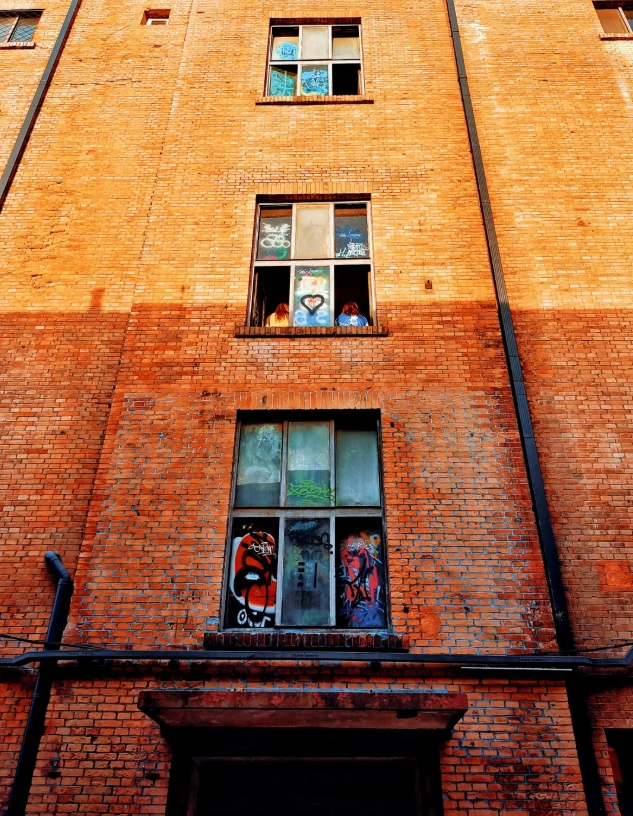
Insider Tips for the Best Experience
These are things I learned the hard way, so you don't have to.
Wear comfortable shoes. The area is vast, with uneven pavement and lots of walking. I made the mistake of wearing new sneakers once, and my feet were killing me by the end.
Carry cash. While many places accept digital payments, some smaller galleries or vendors prefer cash, especially for small purchases. I've been caught short a few times.
Check exhibition schedules online before going. Galleries like UCCA update their websites regularly. I use their official sites or local art forums to see what's on. This saves you from arriving to find a closed show.
Visit in the morning. Light is better for photos, and crowds are thinner. I love the quiet vibe around 10 AM, when you can actually hear the echoes in the factory halls.
Don't skip the side alleys. The main drag gets crowded, but the smaller paths often hide interesting street art or cozy cafes. I discovered a tiny sculpture garden this way.
Be prepared for weather. The area is mostly outdoors, so bring sunscreen in summer and layers in winter. I've been caught in sudden rain, and cover is limited.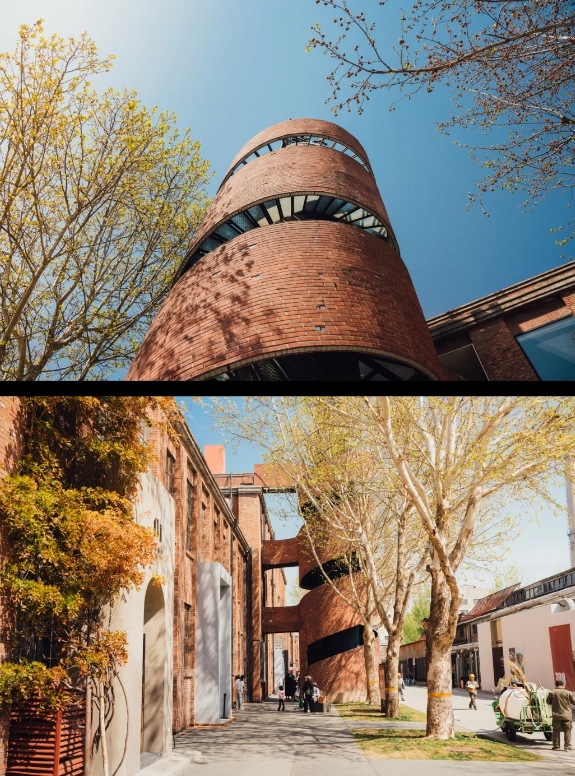
Frequently Asked Questions
 Wrapping up, 798 Art Zone is a must-see if you're interested in contemporary culture and urban exploration. It's not perfect—commercial pressures and crowds can detract—but its unique history and creative pulse make it worthwhile. Use my tips to navigate it like a local, and you'll likely leave with memorable experiences. I still go back regularly, always finding something new in those brick walls.
This review is based on my personal visits and fact-checked against reliable sources like the Beijing Tourism Administration and local art publications. If you have more questions, feel free to explore further—798 is a place that rewards curiosity.





No comments yet.