 Fang Wang
What You'll Find in This Guide
You typed that question into Google, didn't you? I've done it myself, hoping for a simple, definitive answer. The truth is, after years of walking every corner of this city, I can tell you there isn't one. Shanghai's beauty isn't a single postcard. It's a collection of moods, eras, and textures spread across its grid. Asking for the most beautiful street is like asking for the best flavor of ice cream—it entirely depends on what you're craving at that moment.
Are you after the imposing, wide-avenue grandeur of its colonial past? The dappled sunlight filtering through plane trees onto a quiet, artsy lane? Or the hidden, perfectly preserved residential block that feels frozen in the 1930s? Each offers a different kind of beautiful. My goal here isn't to crown a winner, but to give you the tools and insights to find your winner. I'll share the streets that consistently take my breath away, the specific details most guides miss, and the practical know-how to experience them like someone who lives here.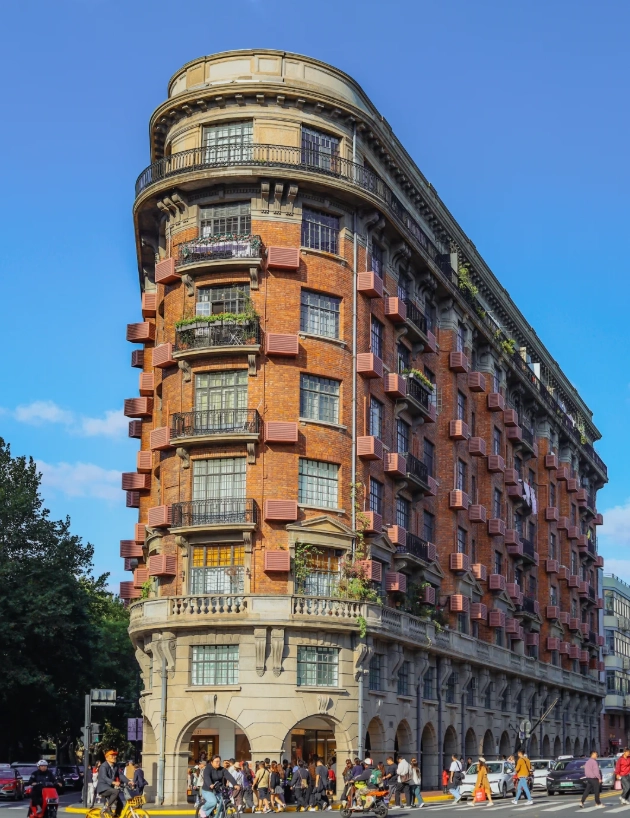
The Question With Many Answers: Defining "Beautiful" in Shanghai
Let's get this out of the way first. If you force me to name a single street that encapsulates a classic, postcard-ready vision of Shanghai, it's often Wukang Road (formerly Ferguson Road). But calling it the "most beautiful" does a disservice to the others. Its fame is a double-edged sword. On a perfect Tuesday morning, with the sun casting long shadows from the iconic Wukang Mansion (Normandie Apartments), it's magical. On a Saturday afternoon, it's a slow-moving river of tourists and influencers posing in the middle of the road. The beauty is real, but the experience varies wildly.
So, I categorize Shanghai's beautiful streets by the experience they offer. This is more useful than any numbered list.
For Those Who Love History & Grandeur
These streets feel designed to impress. They are wide, lined with monumental architecture, and speak of power and ambition.
The Bund's Backstage: East Beijing Road
Everyone walks the Bund promenade. Almost no one turns around and walks the street directly behind it: East Beijing Road. This is where you see the back of those famous banks and trading houses, but also their magnificent, often-overlooked side entrances and details. The scale is humbling. I like to start at the intersection with Sichuan and walk east. The traffic is heavy, so it's not a leisurely cafe stroll. It's an architectural pilgrimage. Look up at the carvings, the rusticated stonework, the sheer bulk of the Shanghai Customs House clock tower from this angle. The beauty here is severe, imposing, and awe-inspiring. It's best early in the morning on a weekday when the light hits the facades and the crowds are thin.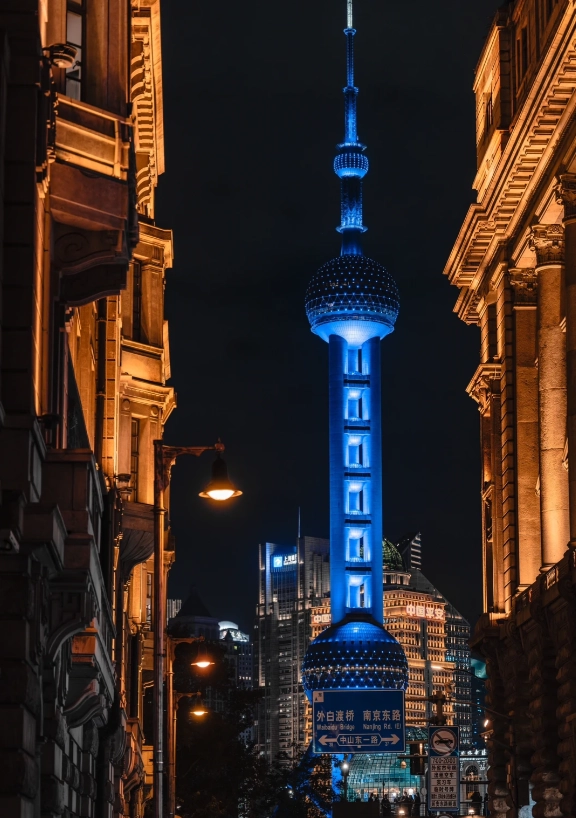
The Former French Concession's Spine: Hengshan Road
Hengshan Road is a grand boulevard, especially the section between Gao'an Road and Wulumuqi Road. It's a wide, tree-lined avenue with a central green median, flanked by solid, handsome apartment blocks and villas set back behind walls. It feels European in its proportions. The beauty is in its openness and order. It's less about intimate details and more about the graceful sweep of the road itself. I often cycle down this street just to feel that sense of space, which is rare in Shanghai. At night, the old-fashioned street lamps cast a warm glow, making it feel incredibly romantic from the window of a passing car.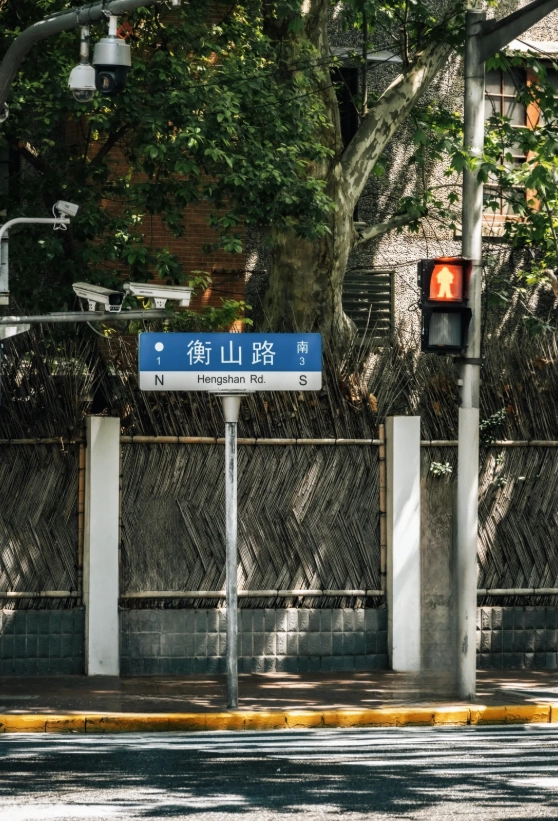
For Those Who Seek Romantic Ambiance & Cafe Culture
This is what most people imagine when they dream of Shanghai's streets: intimate, leafy, and buzzing with a low-key, cultured energy.
The Classic (and Crowded): Wukang Road
Let's address the elephant in the room. Wukang Road is about 1.1 kilometers of concentrated charm. What to look for beyond the famous mansion? The delicate ironwork balconies on the Spanish-style apartments, the yellow stucco walls of the former French police headquarters, and the way the sunlight filters through the dense plane trees around mid-morning, creating a pattern on the pavement that looks like scattered lace. My personal favorite spot isn't the mansion itself, but the quieter western end, closer to Huashan Road, where you'll find beautiful, less-photographed villas.
Practicalities: No tickets, open 24/7. The nearest metro is Shanghai Library Station (Line 10), Exit 3. Your best bet for a peaceful experience is a weekday before 10 AM or after 8 PM. Weekends are a zoo.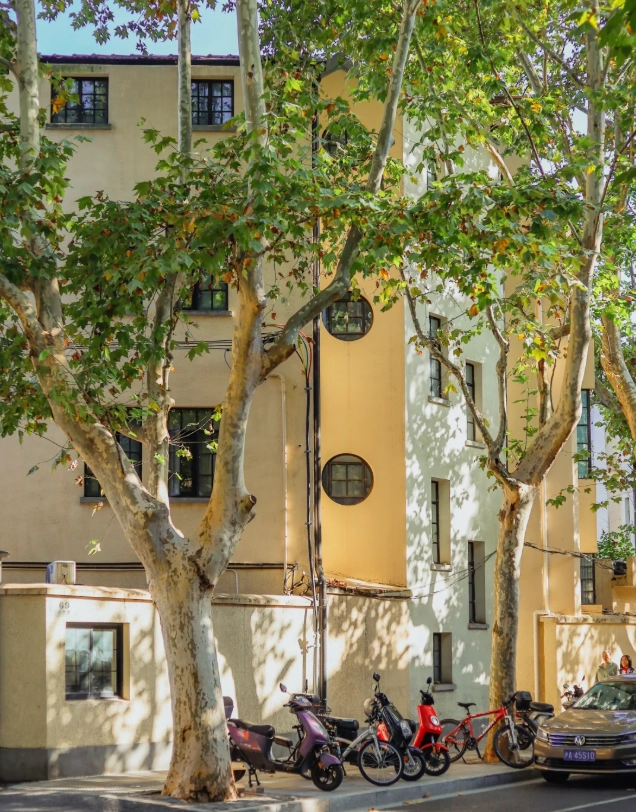
The Lively Alternative: Anfu Road / Wulumuqi Road Area
If Wukang Road feels like a museum, the network of streets around Anfu and Wulumuqi Roads feels like its lively, younger sibling. The beauty here is more dynamic. It's in the overflowing flower boxes outside boutiques, the curated window displays of design shops, and the buzz of people sitting at sidewalk cafes. The plane trees are just as majestic. Start at Anfu Road (east of Wulumuqi) and let yourself get lost in the perpendicular lanes like Changle Road or Fumin Road. The architecture is a delightful, slightly haphazard mix of 1920s lane houses, modern renovations, and art deco apartments. It feels lived-in and creative.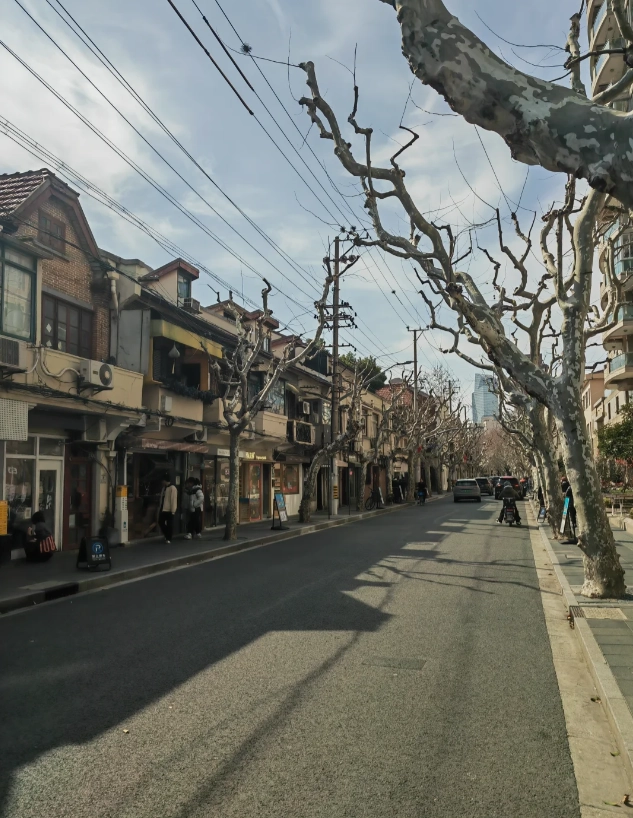
For Those Who Prefer Hidden & Tranquil Lanes
Shanghai's greatest secrets are its longtangs (lane neighborhoods) and the quiet, residential streets that feel worlds away from the metropolis.
A Perfectly Preserved Pocket: Sinan Road
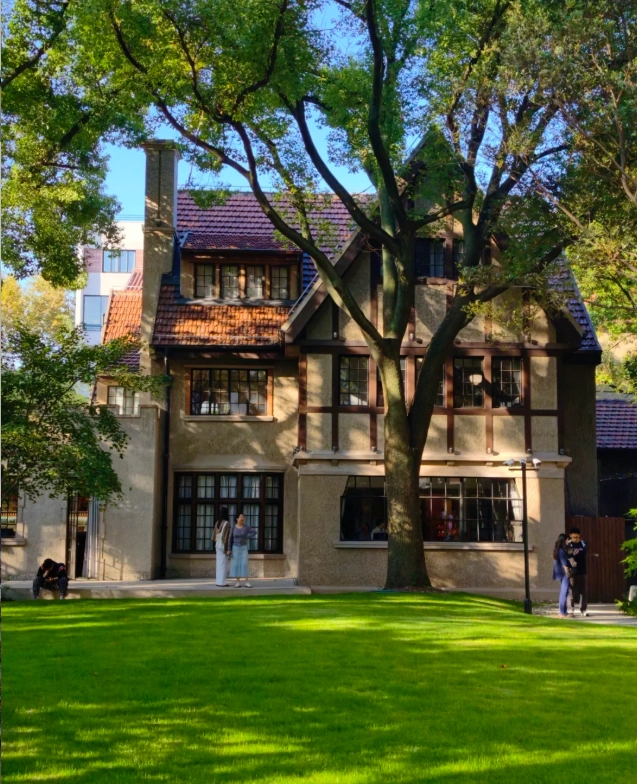
Sinan Road (Route Remi) is short, but it's a time capsule. This is where you find the former residences of historical figures like Zhou Enlai and Mei Lanfang, now museums. But the street itself is the attraction. The villas are set behind high walls and grand gates, with impeccably manicured gardens peeking through. The atmosphere is one of serene, privileged quiet. It's almost eerily peaceful. I walk here when I need to think. The beauty is formal, dignified, and incredibly green. Remember, this is a residential area, so be respectful and keep your voice down.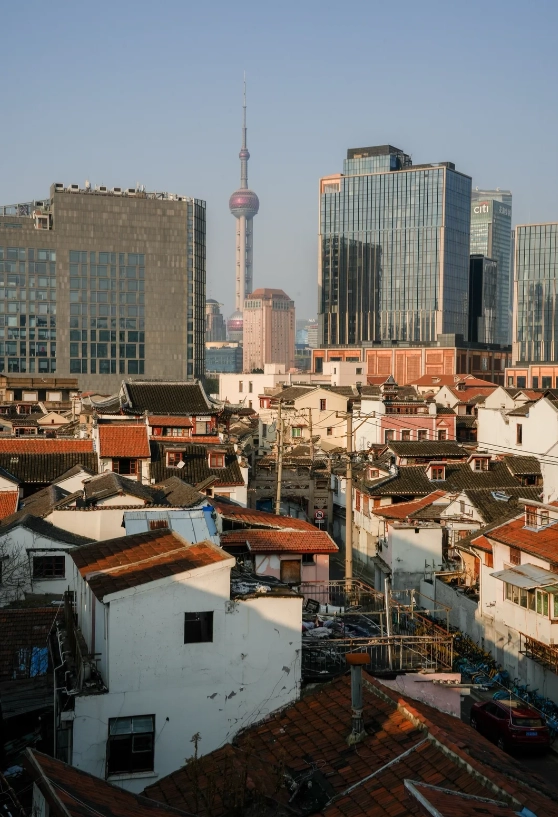
The Ultimate Local Life: Fuxing Road West (Past Hunan Road)
Venture west on Fuxing Road, past the intersection with Hunan Road, and the tourist veneer completely melts away. This becomes a wide, wonderfully local street. You'll see grand, old villes (many now used as institutions or offices) mixed with 1980s residential compounds. The beauty is in the authenticity. Elderly residents play chess under the trees, people air their quilts on balconies, and the pace is slow. The plane tree canopy is spectacular here, forming a complete tunnel in summer. It's not glamorous, but it's a beautiful, unfiltered slice of Shanghai life. You won't see another tourist for blocks.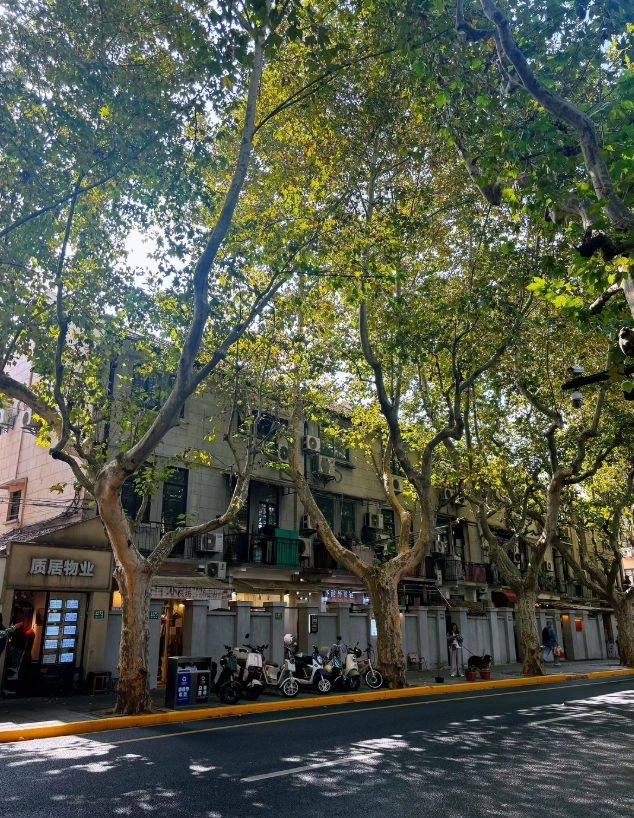
How to Choose Your Street: A Quick-Reference Guide
This table summarizes the vibe to help you match a street to your mood.
| Street (Area) | Primary Beauty | Best For | Ideal Time to Visit |
|---|---|---|---|
| Wukang Road | Architectural diversity, iconic photo spots, plane tree tunnel. | First-time visitors, architecture lovers, photography (early). | Weekday morning (before 10 AM). |
| Anfu / Wulumuqi Area | Lively atmosphere, boutique shopping, cafe culture, leafy lanes. | Combining a stroll with shopping/dining, people-watching. | Late morning or afternoon on a sunny day. |
| Sinan Road | Historical gravitas, peaceful gardens, formal tranquility. | A quiet, contemplative walk, history buffs. | Any weekday. |
| Fuxing Road West | Local life, massive plane tree canopy, authentic residential vibe. | Experienced travelers wanting to see daily life, long walks. | Morning or early evening on a weekend. |
| East Beijing Road | Monumental scale, raw historical power, dramatic architecture. | Serious architecture enthusiasts, a different view of The Bund. | Weekday morning for best light. |
Your Shanghai Stroll Planning Guide
Here's the tactical advice you won't find on a generic blog.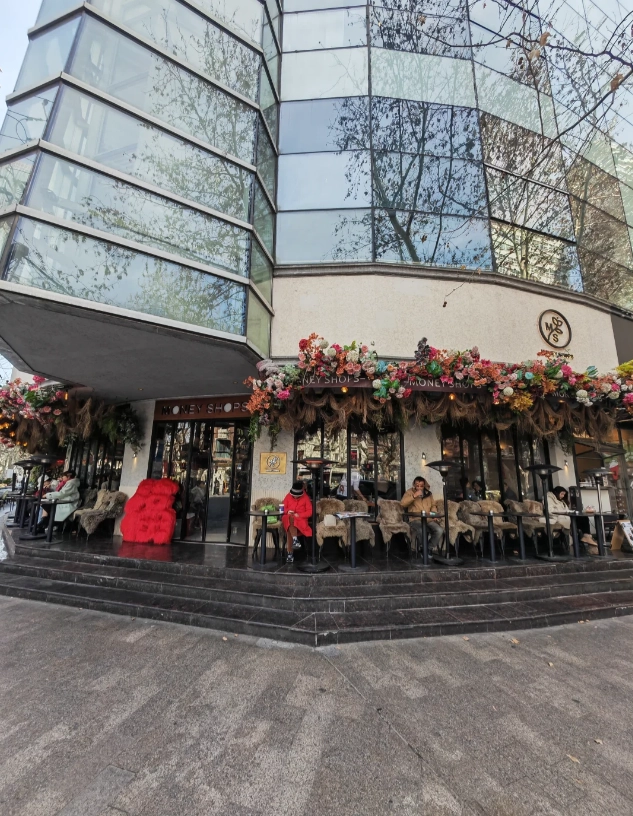
Getting Around: The metro is your friend. For the Former French Concession streets, key stations are Shanghai Library (Line 10 for Wukang), Changshu Road (Lines 1, 7 for Anfu area), and South Shaanxi Road (Lines 1, 10, 12). Exit and just start walking. For Sinan Road, get off at South Huangpi Road (Line 1).
The Magic of Connecting Streets: Don't just visit one street. Create a walk. For example: Start at Shanghai Library Station, walk down Wukang Road to its end, turn left onto Huashan Road, then right onto Fuxing Road West. You'll experience three distinct personalities in one 40-minute walk.
What to Bring & Wear: Comfortable walking shoes are non-negotiable. The pavement can be uneven. Carry a bottle of water—while there are cafes, you might not want to stop at one every time you're thirsty. A wide-brimmed hat is useful in summer, as the sun can be intense even under the trees.
A Local's Secret for Photos: The light is almost always better in the morning. Afternoon sun can be harsh and create deep shadows. For empty shots on popular streets, rain is your ally. A drizzly day scatters the crowds and gives the old stones a beautiful, dark sheen.
FAQs Answered From Experience
 So, what is the most beautiful street in Shanghai? It's the one that makes you stop, put your phone away, and just look. It might be the way the late afternoon sun hits a particular moss-covered wall on Sinan Road, or the sound of a piano drifting from an open window on a quiet stretch of Fuxing West. It's personal. Use this guide as a starting point, then let your own curiosity be the map. The beauty is there, waiting in plain sight, just off the main drag.
This article is based on personal, repeated visits and observations made over several years. Details regarding public access and general ambiance have been fact-checked against current conditions.





No comments yet.