 Yan Zhou
Let's be honest. Most articles about Sheshan National Forest Park just give you a bullet-point list: hike, see the observatory, visit the church. It feels generic. After spending multiple days there, walking every main trail and talking to local visitors, I want to give you something different—a real plan based on what you'll actually experience on the ground. This isn't just about what to do; it's about how to do it smartly to avoid crowds, find the quiet spots, and make the most of a day trip from Shanghai's relentless energy.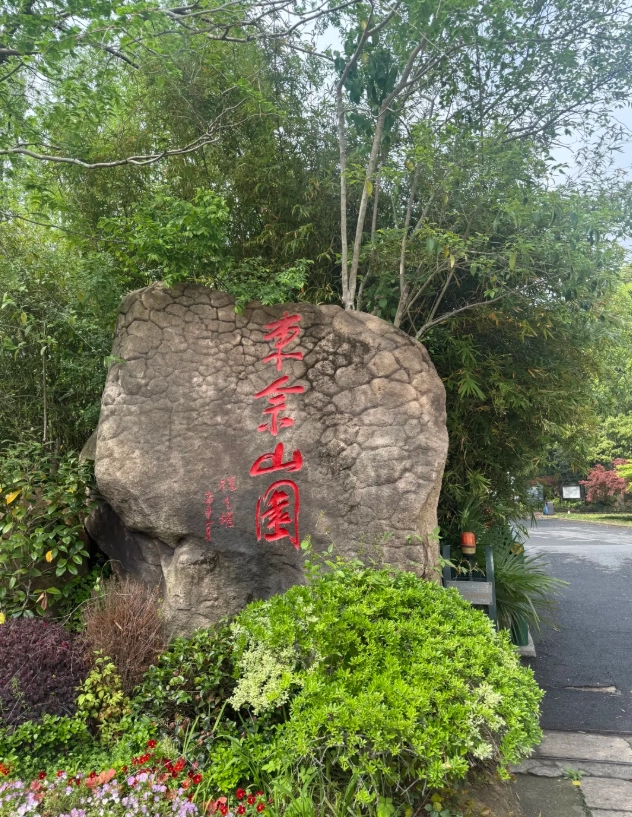
Quick Navigation
Planning Your Sheshan Visit: The Logistics
First things first. Sheshan isn't one single park you enter with one ticket. It's a forested area with two main hills—East Sheshan and West Sheshan—each featuring separate attractions with their own gates and fees. This confused me on my first visit. You need to decide which hill to focus on, or if you have the stamina for both.
Location: Songjiang District, Shanghai. The address is simply Sheshan, Songjiang. For navigation, use "East Sheshan Hill Scenic Area" or "West Sheshan Hill Scenic Area."
General Opening Hours: Most areas are open from 8:00 AM to 5:00 PM, with last entry around 4:30 PM. The Sheshan Observatory on West Hill may have slightly shorter hours.
Best Time to Visit: Weekdays, obviously. Mornings (before 10 AM) are golden. Spring (April-May) and Autumn (October-November) are perfect—summer is humid and crowded, winter can be bleak but quiet.
My advice? If you only have half a day, pick one hill. Trying to rush both means you'll spend more time walking between entrances and buying tickets than actually enjoying the scenery. The two hills are about a 15-20 minute walk apart via the main road, which isn't particularly scenic.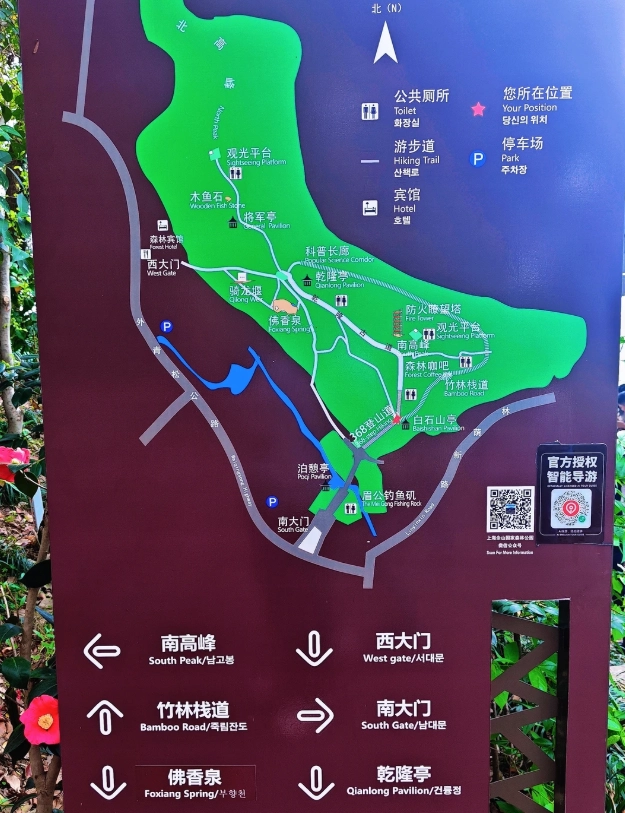
Top Activities at Sheshan: A Ranked Guide
Here’s my personal ranking of things to do, based on the quality of the experience, uniqueness, and what you get for the effort.
| Activity | Location (Hill) | What It Is & Why It's Worth It | Ticket Fee (Approx.) & Time Needed |
|---|---|---|---|
| Hiking the Bamboo Forest Trails | East Sheshan | The core Sheshan experience. Well-paved paths wind through dense, peaceful bamboo groves. It's cooler, quieter, and feels a world away from Shanghai. The air smells different here—earthy and fresh. | Free for the forest trails. 60-90 min. |
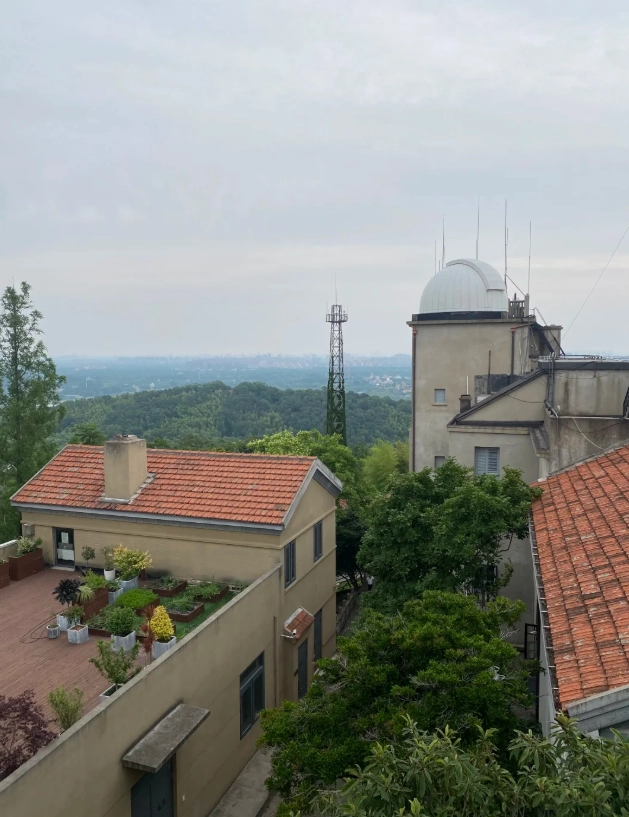
| Visiting the Sheshan Observatory | West Sheshan | A historic site (built 1900) with genuine character. It's not a flashy modern science museum. You see old telescopes, the building's architecture, and learn about its role in Chinese astronomy. The view from the hilltop is a bonus. | Combined ticket required for West Hill (~¥12). 45-60 min. |
| Climbing to the Sheshan Basilica | West Sheshan | The iconic red-spired Catholic church. The climb up the stairway is a pilgrimage for some. The interior is modest, but the exterior architecture against the green hill is photogenic. It's often busy on weekends. | Part of West Hill ticket. 30-45 min. |
| Riding the Chairlift/Cable Car | East Sheshan | A fun, slow ride that offers a unique canopy-level view of the forest. It saves your legs for the downhill walk. Not thrilling, but pleasantly relaxing. I took it up and walked down. | Extra fee (~¥10 one way). 15 min ride. |
| Exploring the Astronomical Museum | West Sheshan (base) | A more modern companion to the old observatory. Good for families or if you're deeply into space science. It can feel a bit dated compared to major city museums, but has solid content. | Often included in combo tickets. 45 min. |
A common mistake is heading straight to the West Hill for the church and observatory because they're famous. I found starting at East Sheshan for a morning hike in the bamboo forest to be a much more serene introduction. You get the nature fix first, then visit the cultural sites on West Hill when you're ready for more people.
What Most Guides Don't Tell You About the Hiking
The trails are paved and well-maintained, which is great for most visitors. But "hiking" here is more like a vigorous walk—don't expect rugged wilderness. The paths on East Hill are a series of interconnected loops. If you want the longest continuous walk, look for the signs pointing to the "Skyway" or the paths that lead towards the back of the hill. There's a particular spot about 20 minutes up the main East Hill path, just past a small stone bridge, where the bamboo is so thick it blocks out most of the sound. It's my favorite place to just stop for five minutes. You won't find it marked on any map.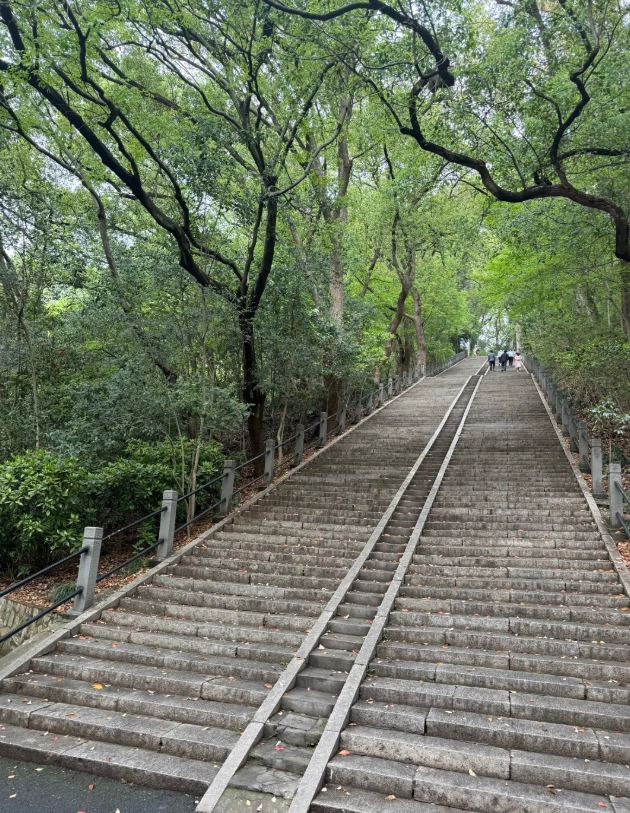
Getting There: Transport Options Decoded
You have three main choices, each with a different trade-off between cost, time, and convenience.
Metro + Taxi/Ride-hail (My Recommended Balance): Take Shanghai Metro Line 9 to Sheshan Station. This is the most straightforward public transport step. From Exit 2, you'll see a bus hub, but for maximum efficiency, use Didi or hail a taxi. The ride to the East Sheshan entrance is about 10-15 minutes and costs around ¥15-25. This gives you control over your start time without the full cost of a private car.
Direct Tourist Bus (Cheapest, Less Flexible): Tourist Bus Line 1 runs from Shanghai Stadium. It's budget-friendly but schedules are fixed, and it can be packed on weekends. You're tied to its return timetable.
Private Car or Full-Day Hire (Most Convenient, Priciest): Obviously the easiest door-to-door option. Parking is available near both hill entrances for a fee. If you're a group, splitting a Didi for the whole day from central Shanghai can be cost-effective and gives you freedom to leave when tired.
I used the Metro+Didi combo every time. Leaving, I found it easier to get a car from the West Hill parking lot than from East Hill.
Food and Drink: What to Expect
Manage your expectations. Sheshan is not a food destination. Inside the park areas, you'll find basic snack kiosks selling bottled water, instant noodles, sausages, and simple packaged snacks. Prices are inflated.
Your best bet is to bring your own water and snacks—some fruit, nuts, or sandwiches. There are plenty of benches and quiet clearings perfect for a picnic.
For a proper meal, you need to go outside the park gates. Near the entrances, especially on the road between the two hills, there are clusters of local restaurants. They serve standard Shanghainese and Chinese fare—think noodles, fried rice, simple vegetable and meat dishes. Look for places with more locals inside. One I tried served a decently hearty bowl of tomato and egg noodles for about ¥25. It wasn't amazing, but it was hot and filling after a long walk.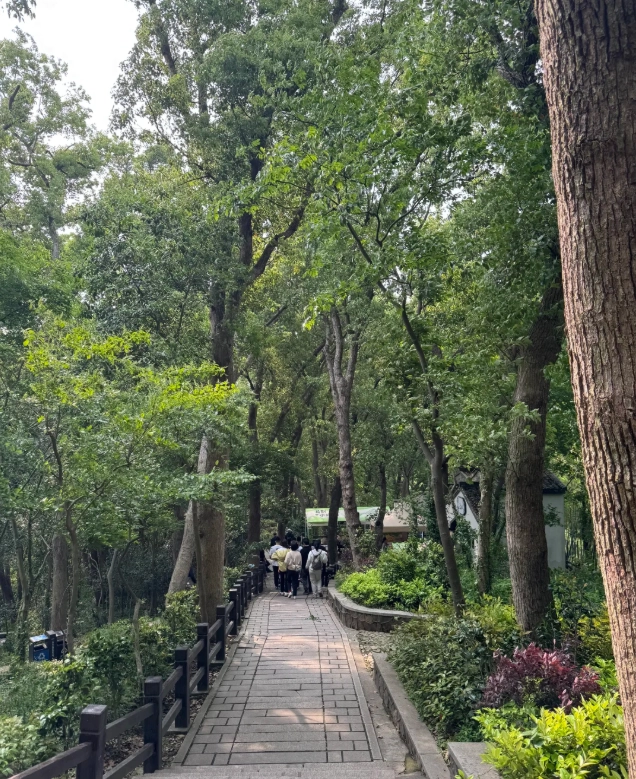
My On-the-Ground Tips & Experience
Walking from East to West Hill, I noticed most crowds cluster around the main stairways and the immediate area around the church. If you walk just a few minutes down any of the side paths on West Hill, the crowd thins out dramatically. The area behind the observatory, for instance, has some lovely, quiet forest walks that most people ignore.
The chairlift on East Hill is a single-seat, old-school style. It's perfectly safe but can feel a bit exposed if you're not used to it. It moves slowly. It's not a necessity, but it's a pleasant way to gain elevation without effort. I saw many people walking up the path next to it, which is also perfectly fine.
Wear proper walking shoes. The paths are paved but can be steep and slippery if damp. I saw several people struggling in flimsy sandals or fashion shoes.
Finally, the view. The "view of Shanghai" from the top is often mentioned. On a clear, pollution-free day (cherish those), you can see the distant skyline. But most days, it's hazy. Don't come solely for that panoramic city view. Come for the feeling of being surrounded by green, for the historical curiosity of the observatory, for the simple act of breathing deeply.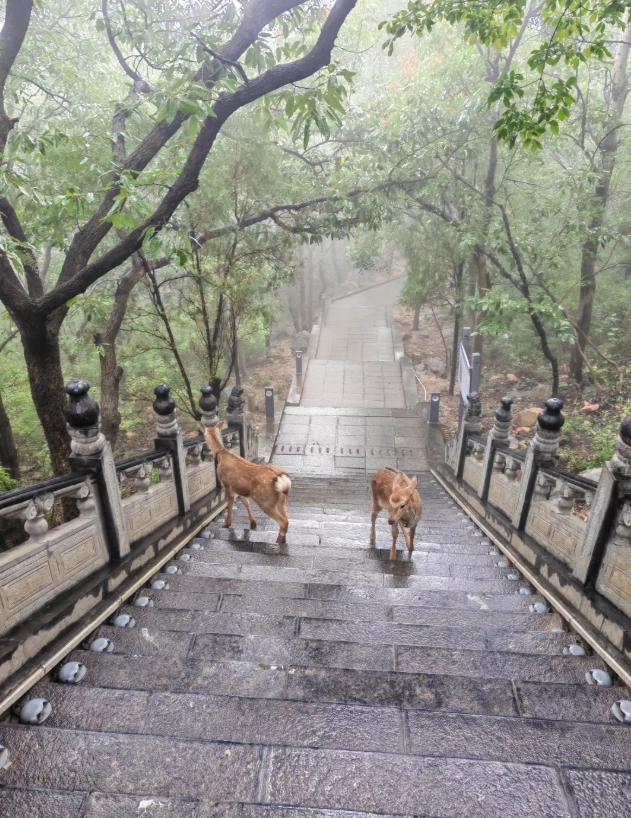
Your Sheshan Questions Answered
 For the most current official information, you can refer to the Shanghai Municipal Administration of Culture and Tourism website. The details in this guide are based on my personal visits and observations, and I've fact-checked the core logistical information to ensure accuracy for your planning.







No comments yet.