 Fang Wang
Ask any Shanghai local or seasoned traveler what Xintiandi is famous for, and you'll likely get a polished answer about renovated Shikumen houses and upscale dining. I've walked its stone-paved lanes countless times over the years, and that answer feels incomplete. It's like describing a person only by their clothes. The real fame of Xintiandi lies in its specific, almost contradictory, role as a meticulously curated stage for a certain version of Shanghai life—one that blends a genuine architectural legacy with a powerful commercial engine. It's a place where history is the backdrop, not the main event, and understanding that distinction is key to enjoying it.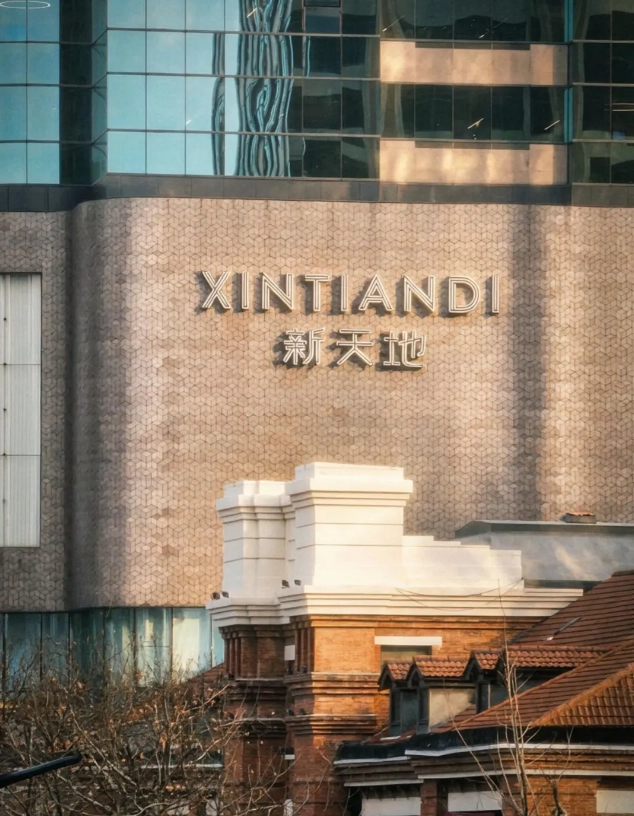
From the outside, it's a premier destination for luxury shopping and global cuisine. Step inside its restored alleyways, and you're touching the brick-and-wood skeleton of old Shanghai. This guide isn't just a list of shops and restaurants you can find anywhere. It's based on my repeated visits, observing what works, what feels overrated, and where the magic actually hides between the designer storefronts.
Quick Navigation: What You'll Find Here
- The Shikumen Architecture: The Original Star
- The Dining & Drinking Scene: A Global Culinary Hub
- The Shopping Experience: Curated Luxury & Local Design
- Taipingqiao Park & The Lake: The Breathing Space
- Cultural Events & Nightlife: The Ever-Changing Vibe
- Planning Your Visit: Practical Details & Local Tips
- Answering Your Questions About Xintiandi
The Shikumen Architecture: The Original Star
This is the non-negotiable starting point. Xintiandi's global recognition is fundamentally tied to its Shikumen (“Stone Gate”) architecture. In the late 1990s, this was a densely populated, somewhat dilapidated residential neighborhood. The development preserved the shells of these unique 1920s-30s lane houses—characterized by stone-framed gateways, grey brick walls, and black-painted wooden doors—while gutting the interiors.
The genius, and also the point of criticism, was the transformation. Where families once lived in communal closeness, you now find boutique fashion stores, art galleries, and cocktail bars. Some purists lament the loss of authentic life. I see it differently. Without this project, these structures likely would have been demolished entirely. Walking through North Block (preserved historical feel) versus the more modern South Block, you get a physical lesson in adaptive reuse.
My tip? Don't just look at the main facades. Peek into the side alleys. Look up at the intricate woodwork on the second-floor windows. Notice the mix of Western and Chinese motifs on the stone gates—a literal embodiment of Shanghai's East-meets-West history. The architecture isn't just a theme; it's the district's authentic skeleton, and that's a large part of its initial and enduring fame.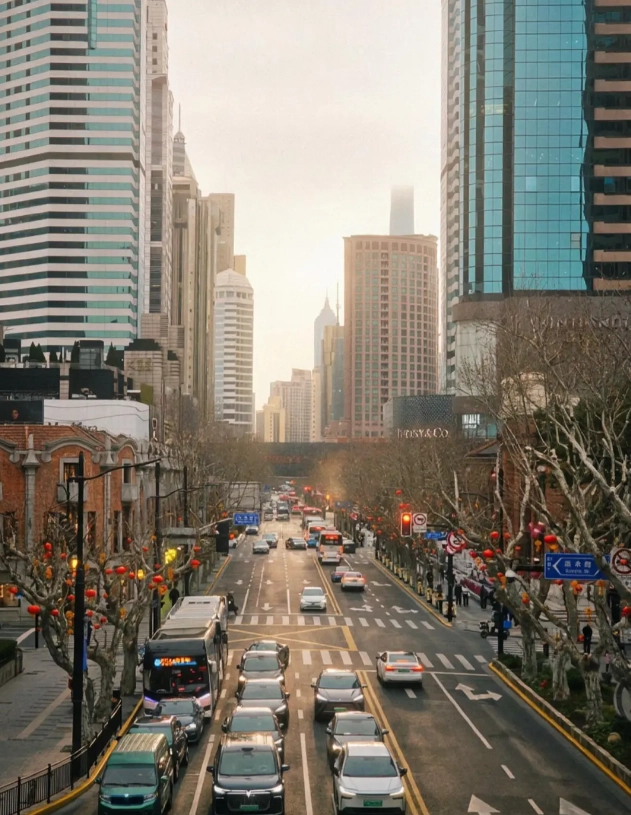
The Dining & Drinking Scene: A Global Culinary Hub
If the architecture draws you in, the food and drink make you stay. Xintiandi is a magnet for celebrated chefs and international restaurant groups. It's famous for offering a reliable, high-quality global menu all within a few picturesque blocks.
| Name & Vibe | What It's Known For / Signature Dish | My Personal Take & Tip |
|---|---|---|
| Lost Heaven (Yunnan Folk Cuisine) Ethnic, atmospheric |
Yunnan province flavors. Their Crossing the Bridge Noodles and herb-marinated grilled fish are showstoppers. | The theatrical presentation is part of the charm. The lavender lemonade is a surprisingly perfect pairing with the spicy food. Book a balcony table if you can. |
| Green & Safe (Organic Bistro) Casual, farm-to-table |
Organic salads, hearty grain bowls, and fresh bakery items. Great for brunch or a healthy lunch. | It's consistently good, not mind-blowing. The real win is their pantry section—I always grab a loaf of their sourdough or some local honey to take home. |
| The Refinery (Gastrobar) Industrial-chic, lively |
Craft cocktails and solid gastropub fare. The truffle fries and burgers have a cult following. | Happy hour is legit. The crowd is a mix of expats and style-conscious locals. It gets loud later, perfect for pre-dinner drinks but chaotic for a quiet chat after 8 PM. |
| Xiao Ye (Modern Shanghainese) Intimate, innovative |
Reimagined local classics. Their “Xiao Long Bao” (soup dumplings) sometimes come with unexpected, delicious fillings. | This is where you taste the “new” Shanghai. Portions are dainty, so it's more about the experience than getting full. A great choice for foodies bored of traditional presentations. |
The concentration means you can wander without a plan and find something excellent. However, the fame comes with a price—literally. This is not the district for a budget meal. You're paying for the location, the ambiance, and the consistent quality control.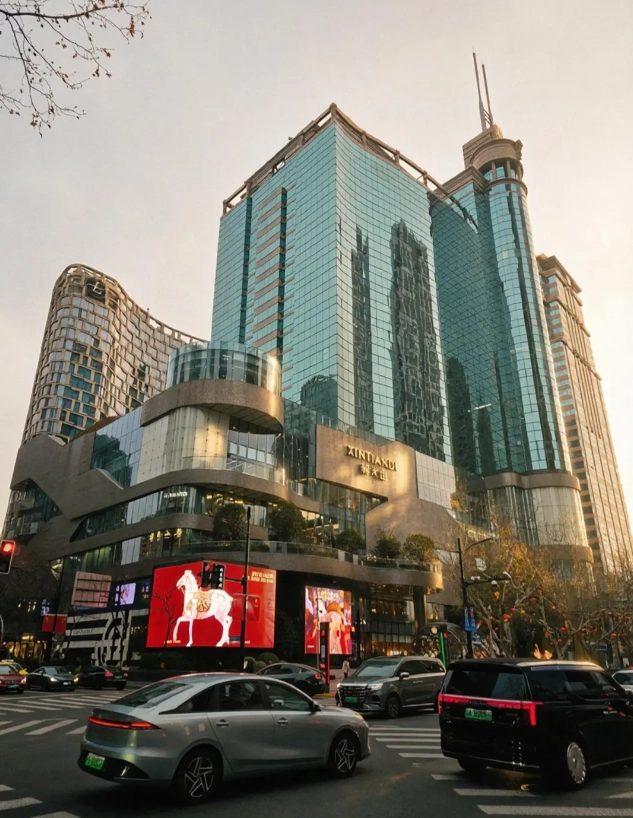
The Shopping Experience: Curated Luxury & Local Design
Shopping here isn't about sprawling malls; it's about curated discovery. Yes, you have flagship stores for international brands like I.T, Victoria's Secret, and Rolex. But Xintiandi's more interesting fame in retail comes from its support of local designers and concept stores.
Places like “Labelhood” showcase avant-garde Chinese fashion designers you won't find in typical department stores. “Zi” focuses on homeware and gifts with a Chinese aesthetic twist—think porcelain with modern shapes. This blend makes window-shopping an activity in itself. You're as likely to see a globally recognized logo as you are to find a unique, locally-made piece of jewelry in a small atelier tucked in a Shikumen lane.
Taipingqiao Park & The Lake: The Breathing Space
This is the component many first-time visitors miss, but it's crucial to the local appeal. Adjacent to the commercial blocks is Taipingqiao Park and its serene artificial lake. After the buzz of shopping and dining, this green space offers a quiet reset.
On weekend mornings, you'll see locals practicing tai chi, families strolling, and couples paddling small boats on the lake. The contrast is deliberate and brilliant. It prevents Xintiandi from feeling like a suffocating open-air mall. You can have a fancy cocktail, then walk five minutes to watch elderly Shanghainese play cards under a willow tree. This balance between high-end commerce and public leisure space is a masterstroke in urban planning and a key reason the area feels livable, not just visitable.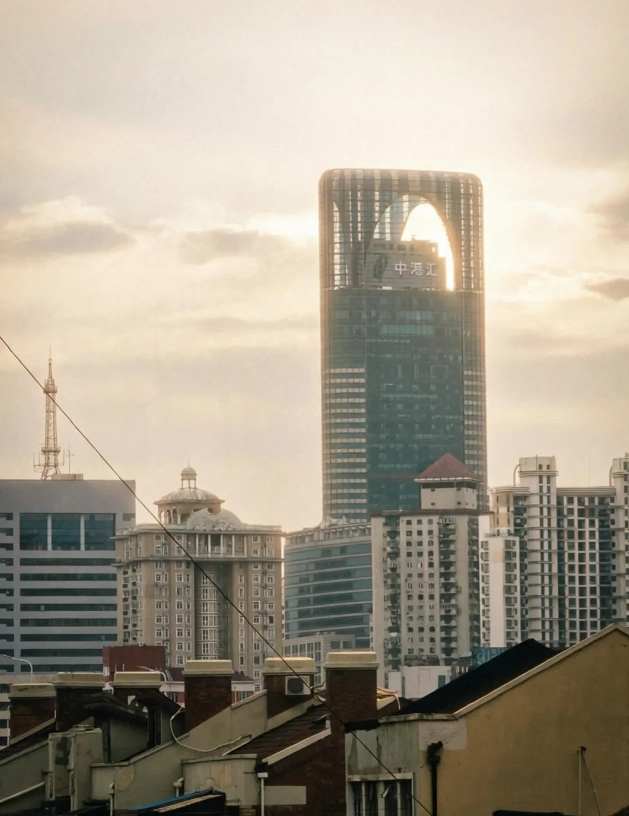
Cultural Events & Nightlife: The Ever-Changing Vibe
Xintiandi's calendar drives its recurring fame. It's a hub for seasonal festivals (Christmas markets, Chinese New Year decorations), fashion shows, and art exhibitions. The open plazas transform regularly.
The nightlife is sophisticated rather than wild. Think wine bars with extensive lists, jazz lounges like House of Blues & Jazz (a legendary spot that feels transported from another era), and sleek cocktail dens. The crowd is generally well-dressed and older than you'd find in the city's mega-club districts. It's a place for conversation and seeing-and-being-seen.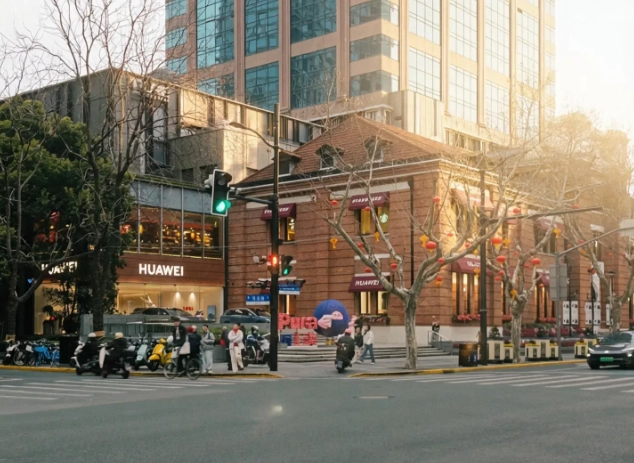
Planning Your Visit: Practical Details & Local Tips
To make your visit match the hype, a little planning goes a long way.
Address & Access: Xintiandi, Huangpu District, Shanghai. The heart of it is bounded by Madang Road, Taicang Road, Zizhong Road, and Huangpi South Road.
Getting There: The easiest way is via Shanghai Metro. Take Line 10 or Line 13 and get off at Xintiandi Station (Exit 6 puts you right in the middle). Taxis and ride-hailing apps (Didi) know it very well.
Opening Hours: The district itself is an open public area, always accessible. Individual stores and restaurants have their own hours, typically:
- Shops: 10:00 AM – 10:00 PM
- Restaurants: 11:00 AM – 11:00 PM (many kitchens close around 10 PM, but bars serve later)
- Cafes: Often open from 8:00 AM.
No General Admission Fee: It's free to walk around. You only pay for what you consume (food, drinks, shopping).
My Recommendations for Different Visitors
For History & Culture Buffs: Start at the Site of the First National Congress of the Communist Party of China (free admission, requires ID, often has queues). Then, simply wander the North Block lanes. Skip the main stores and look at the architectural details.
For Foodies: Come for lunch or an early dinner to avoid the biggest crowds. Make at least one reservation, especially for popular spots like Lost Heaven on weekends.
For Shoppers: Head to the South Block for more mainstream international brands, and explore the smaller lanes in the North Block for designer boutiques and concept stores.
For a Relaxed Experience: Come on a weekday afternoon. Have coffee at a streetside cafe, watch the world go by, and finish with a stroll around Taipingqiao Park as the sun sets.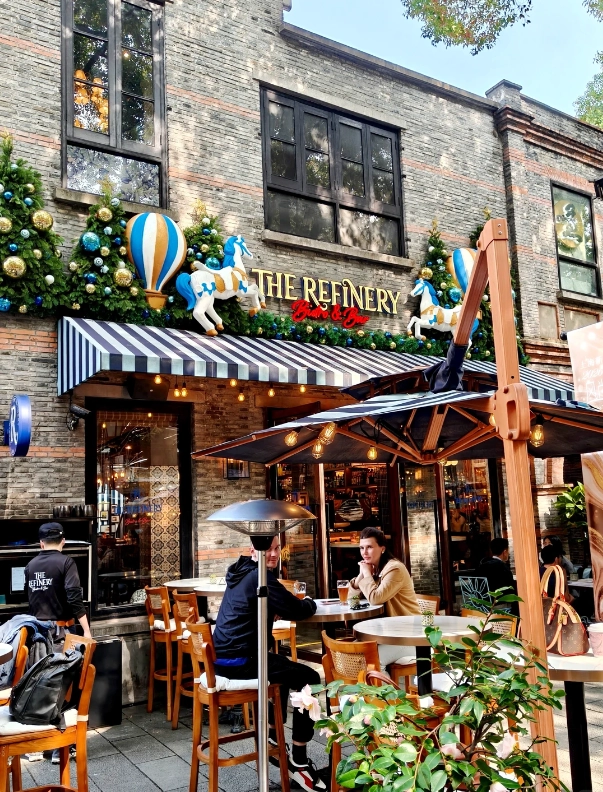
Answering Your Questions About Xintiandi
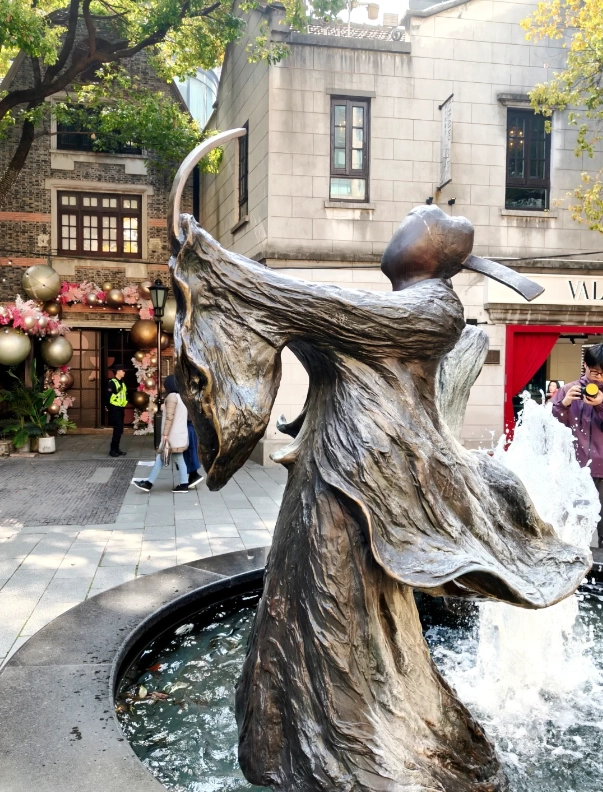 So, what is Xintiandi famous for? It's famous for being a successful, living experiment. It took a disappearing piece of Old Shanghai, preserved its physical form, and injected it with a hyper-curated version of global, contemporary urban life. Its fame is built on that specific tension—between the old grey bricks and the new designer glass, between the quiet park and the buzzing patio bar. It's not a museum, and it's not a purely commercial strip. It's a stage where different aspects of Shanghai perform daily. Appreciating that duality is what turns a simple visit into a real understanding of the city's ongoing story.





No comments yet.