 Fang Wang
Jump Straight to What You Need
I've lost count of how many times I've been asked this. After visiting the Shanghai Museum three times in the past year—once with a historian friend, once alone, and once with a group of tourists—I have a clear answer. Yes, the Shanghai Museum is worth visiting, but only if you approach it the right way. Skip the hype and let's get real.
Most guides parrot the same facts. I'm here to tell you what it's actually like on the ground, the quiet corners most miss, and the times you should save your energy for something else.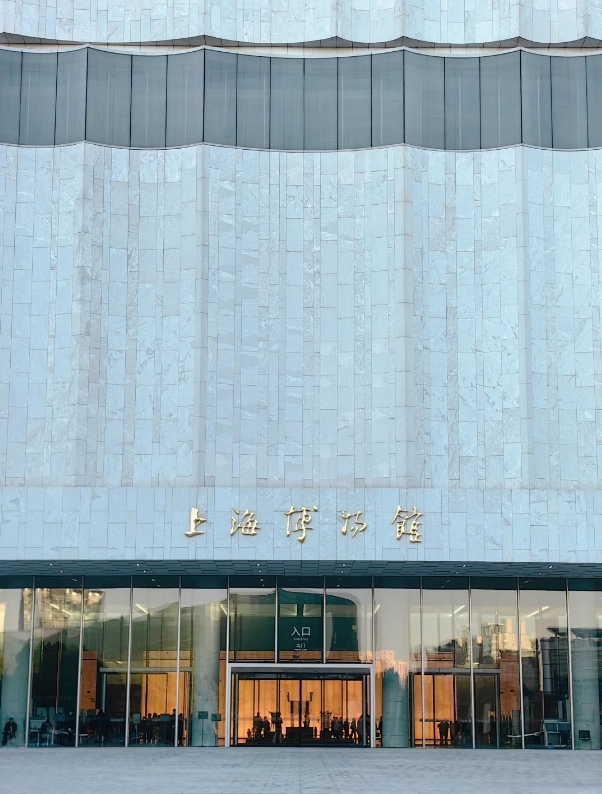
My Take: Why It's Worth It (And When It Isn't)
The Shanghai Museum isn't just a building full of old things. It's a curated journey through China's artistic soul. If you're into history, art, or just want to understand Chinese culture beyond the skyscrapers, this place delivers.
But here's the non-consensus bit: if you're short on time (less than 2 hours) or traveling with restless young kids, you might leave frustrated. The museum demands attention. It's not a flashy, interactive playground. The value is in the depth, not the breadth.
I think its worth hinges on two things: your interest level and your timing. Go on a weekday morning, and it feels like a serene temple. Go on a weekend afternoon, and it's a crowded hallway.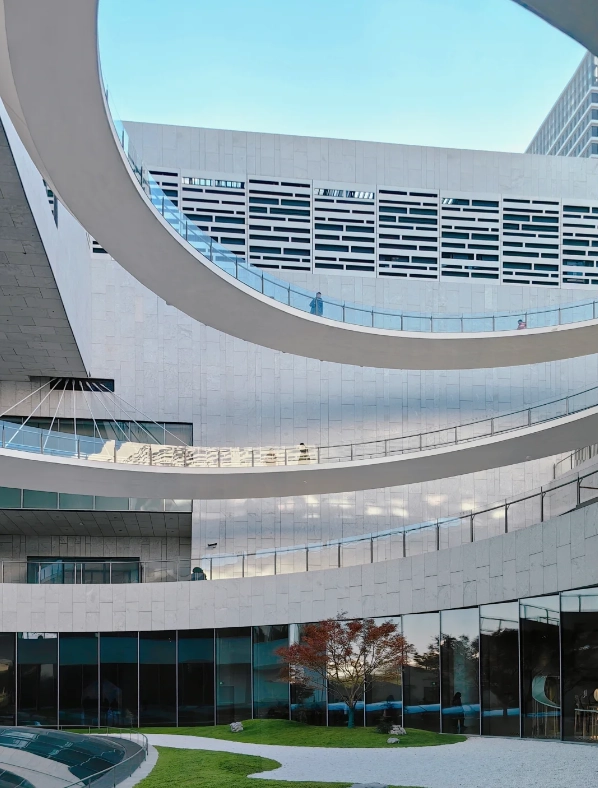
The Exhibits That Actually Matter
With four floors and eleven permanent galleries, you can't see it all. Don't even try. Focus on these, based on my repeated visits.
The Ancient Chinese Bronze Gallery (First Floor)
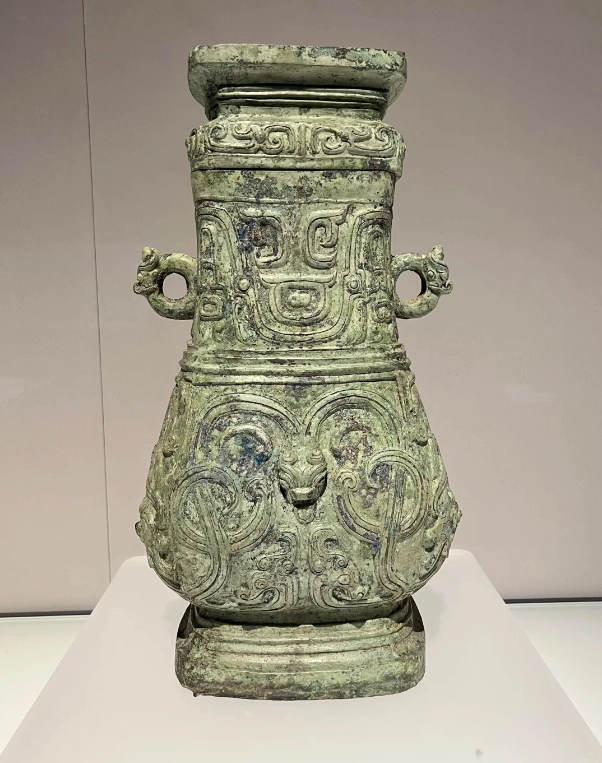
This is the museum's crown jewel, and most people rush through it. Big mistake. The detailing on those ritual vessels—you can see the casting seams if you look closely—tells stories of power and belief. I spent forty minutes here alone. The You vessel with its intricate taotie patterns is a standout, but the quiet star is a simple Jue drinking cup. Its patina has a greenish hue you only appreciate in person.
The Chinese Ceramics Gallery (Third Floor)
From Neolithic pottery to sublime Qing dynasty porcelain, this gallery is a visual feast. The celadon pieces from the Song Dynasty have a jade-like glow that photos never capture. A pro tip: the lighting is slightly better on the right side of the room, making the colors pop.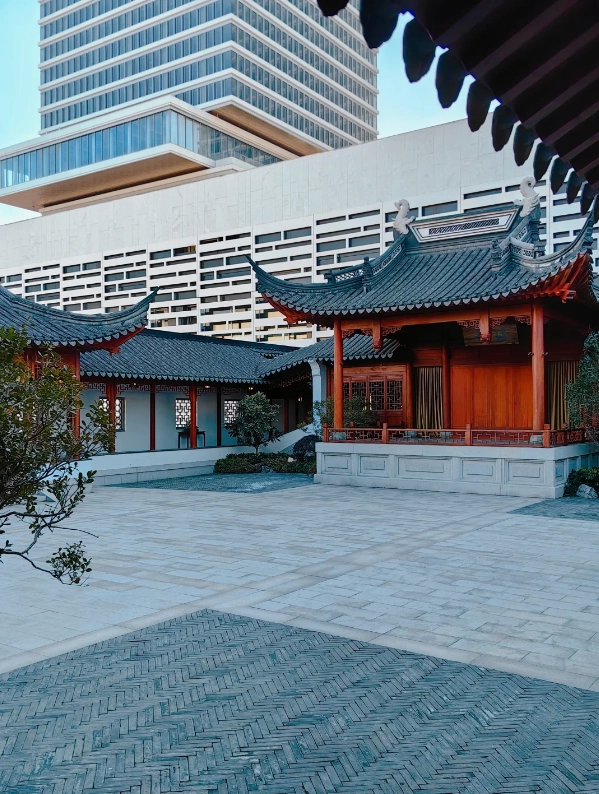
The Chinese Painting Gallery (Third Floor)
This gallery rotates, but when they display works from the Ming and Qing periods, it's magical. The brushwork is so fine you need to lean in. I once saw a landscape scroll that made me forget the city outside. It's often less crowded, a perfect escape.
The other galleries—like coins, furniture, or seals—are interesting if you have a specific interest, but for a first-time visitor, the three above give you the most bang for your buck.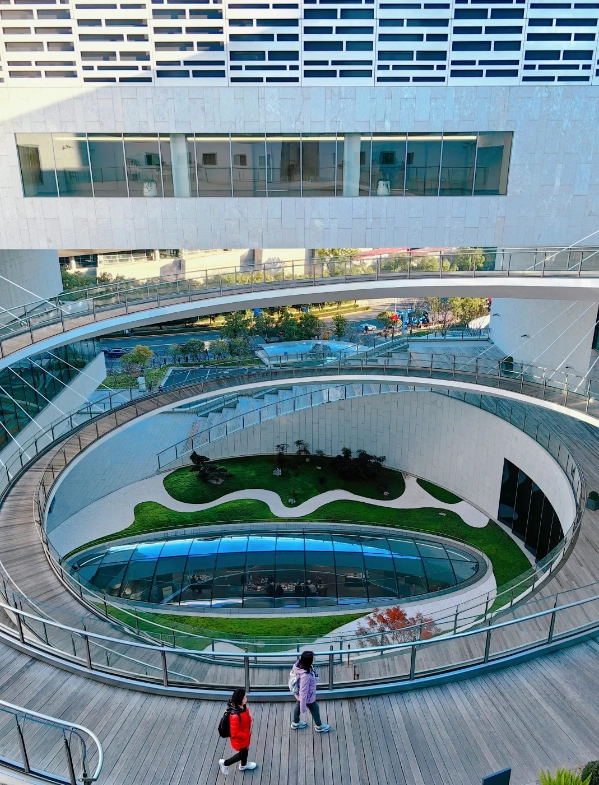
Tickets, Hours, Location: The Nitty-Gritty
Let's cut to the chase. Here's every practical detail you need to plan, compiled from my visits and double-checked for accuracy.
| What You Need to Know | Specific Details |
|---|---|
| Official Address | No. 201 Renmin Avenue, Huangpu District, Shanghai, China. It's in People's Square, hard to miss. |
| Opening Hours | 9:00 AM to 5:00 PM daily. Last admission is at 4:00 PM. The museum is closed every Monday. If Monday is a public holiday, it closes the next day. |
| Ticket Policy | Admission is free. However, you must reserve a timed entry ticket online in advance through their official website or WeChat channel. Walk-ins are rarely allowed, especially post-2020. |
| How to Get There | Take Metro Line 1, 2, or 8 to People's Square Station. Use Exit 1. Walk straight for about 5 minutes—you'll see the distinctive round-top building. Buses like 49, 123, and 934 also stop nearby. |
| Time Needed | A thorough visit takes 3 to 4 hours. A quick highlights tour can be done in 1.5 to 2 hours. I recommend allocating at least 2.5 hours to not feel rushed. |
| On-Site Facilities | There's a cloakroom (free), a cafe on the first floor (overpriced, but the coffee is decent), clean restrooms on each floor, and a gift shop with replicas. Wi-Fi is spotty. |
Booking your ticket online is non-negotiable. I tried showing up without one once and was turned away. The process is in Chinese, but browser translation tools work. Do it a few days ahead for weekends.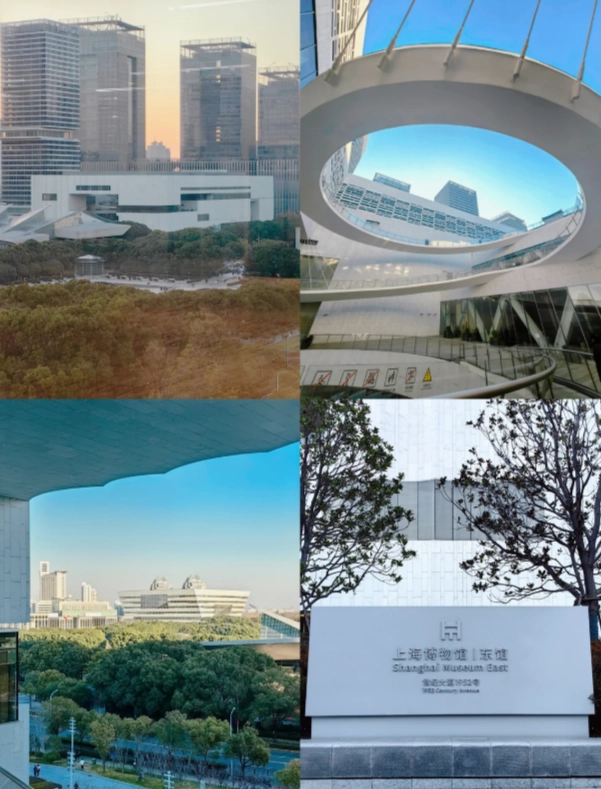
Inside the Museum: A Personal Walkthrough
Let me walk you through my last visit, a Thursday in autumn. I booked a 9:30 AM slot. The queue at security moved quickly—about five minutes. They check bags thoroughly; water bottles are allowed.
Entering the atrium, the scale is impressive, but it feels a bit sterile. Everyone heads upstairs. I went against the flow to the Bronze Gallery first. It was nearly empty. That's the secret: start at the top attractions in reverse order to avoid crowds.
By 11 AM, the ceramics gallery had a steady stream of people. I noticed a group clustered around a famous blue-and-white vase, missing a stunning monochrome piece in the corner. That's typical. The crowd follows the big names.
I took a break at the cafe around noon. It was packed. A better option? Bring a small snack and sit on the benches near the painting gallery—quieter and with a view of the square.
The museum staff are helpful if you ask, but they don't proactively offer guidance. I asked one guard about a specific bronze, and he pointed me to a detailed panel I'd overlooked.
One negative: the English descriptions, while present, are sometimes too technical or brief. They assume prior knowledge. I wished for more context on the cultural significance.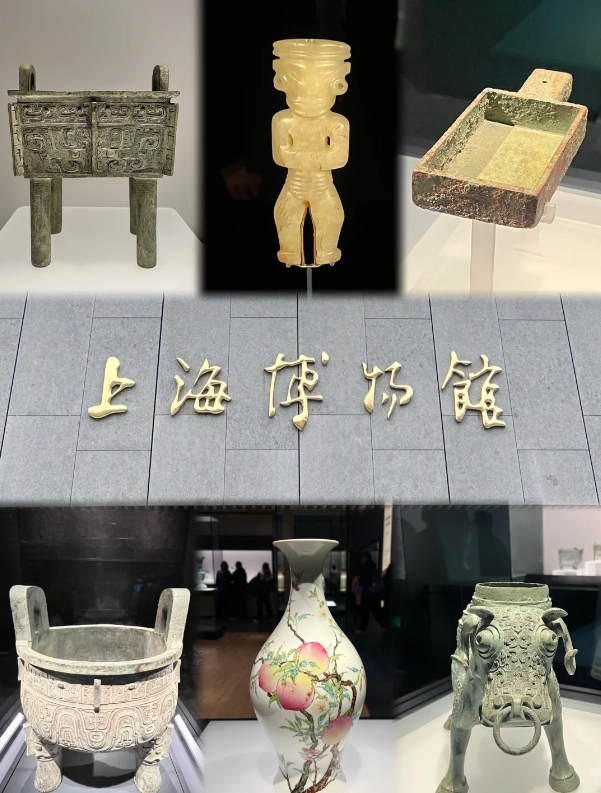
Mistakes Most Visitors Make
After observing hundreds of visitors, here are the blunders I see repeatedly.
Mistake 1: Trying to see everything. This leads to museum fatigue. Pick two or three galleries and explore them deeply. The furniture gallery, for instance, is niche; skip it unless you're a enthusiast.
Mistake 2: Visiting at peak times. Weekends after 2 PM are chaos. School groups pour in. Aim for weekday openings or late afternoons after 3 PM when crowds thin.
Mistake 3: Ignoring the temporary exhibitions. The museum hosts world-class rotating exhibits. Check their website before you go. I once caught a Tibetan art exhibit that was breathtaking and barely advertised.
Mistake 4: Not wearing comfortable shoes. The floors are hard stone. You'll be standing a lot. I made this error on my first visit and paid for it.
Mistake 5: Relying solely on audio guides. The audio guide (available for rent, around 40 RMB) is informative but dry. It often states the obvious. Instead, read the plaques and let your curiosity guide you.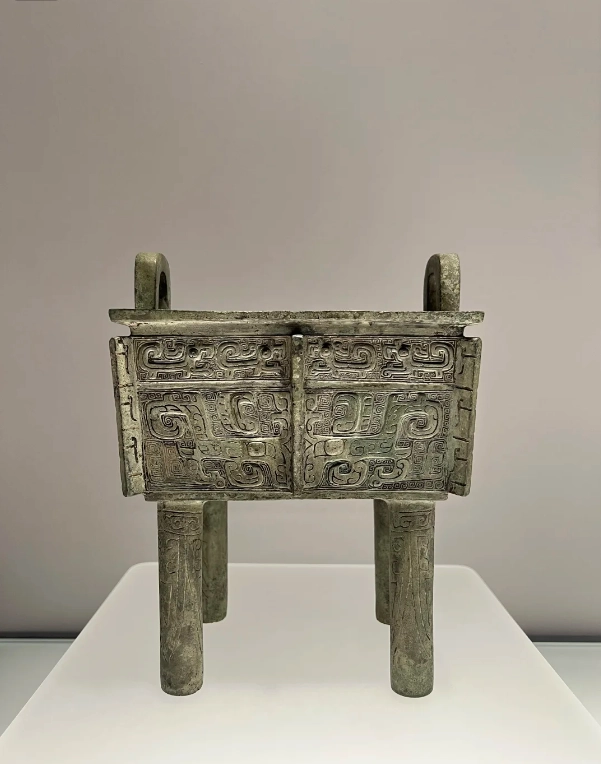
Your Questions, Answered
 This guide is based on multiple personal visits and fact-checked against the museum's official communications as of my last update. The goal is to give you the unvarnished truth so you can make your own call. The Shanghai Museum isn't just a checkbox; it's an experience that rewards the curious.





No comments yet.