 Yan Zhou
If you're searching for "What is Qibao Ancient Town known for?", you've likely heard it's a popular day trip from Shanghai. But the standard answer—"it's a water town with food"—barely scratches the surface. Having wandered its lanes countless times, I can tell you its fame rests on a specific, potent blend: hyper-local street food you won't find elsewhere in Shanghai, a surprisingly intact canal system that feels lived-in rather than staged, and a cluster of quirky, niche museums that tell the story of everyday life, not just imperial history. It's compact, which is either a pro or a con depending on what you want. Forget the sprawling, day-long commitment of other water towns; Qibao is a concentrated dose of culture and flavor, perfect for a half-day immersion. Let's unpack exactly what makes it tick.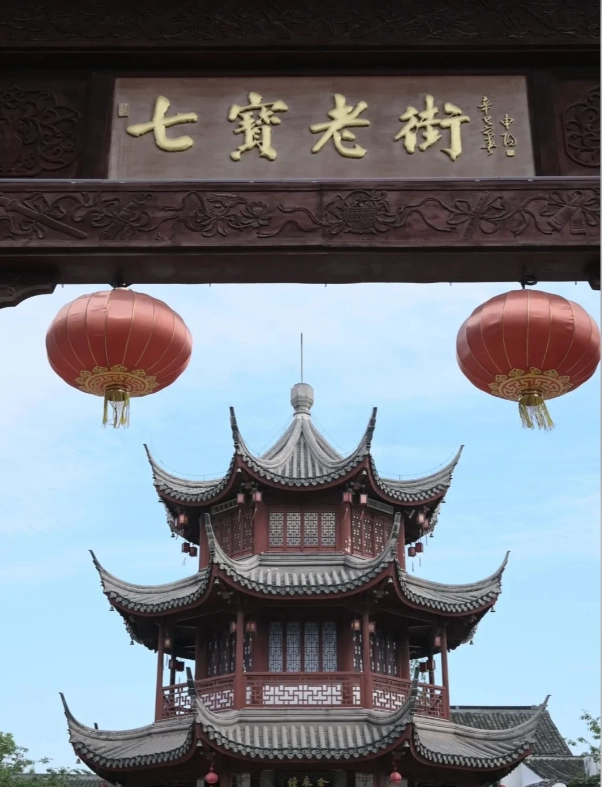
What You'll Find in This Guide
What Makes Qibao Ancient Town Special?
Qibao's identity is a triple-layered cake. At the top, and what hits you first, is the food. This isn't generic Chinese snack street fare. The specialties here are deeply tied to the town's history. The most famous, Qibao lamb, has a preparation method locals claim dates back centuries. Then there's the atmosphere. Unlike some water towns that feel like open-air museums after the tourists leave, Qibao's northern and southern streets, divided by the Puhuitang Canal, are still functional arteries. You'll see laundry hanging, locals playing cards in alleyways, and goods being delivered by boat. It's messy and authentic in parts. The third layer is its collection of small museums. They focus on micro-histories: shadow puppetry, cricket culture, local wine-making. You won't find grand palaces here. You'll find the tools and stories of ordinary people. This combination—unique food, lived-in canals, humble museums—is Qibao's unique signature.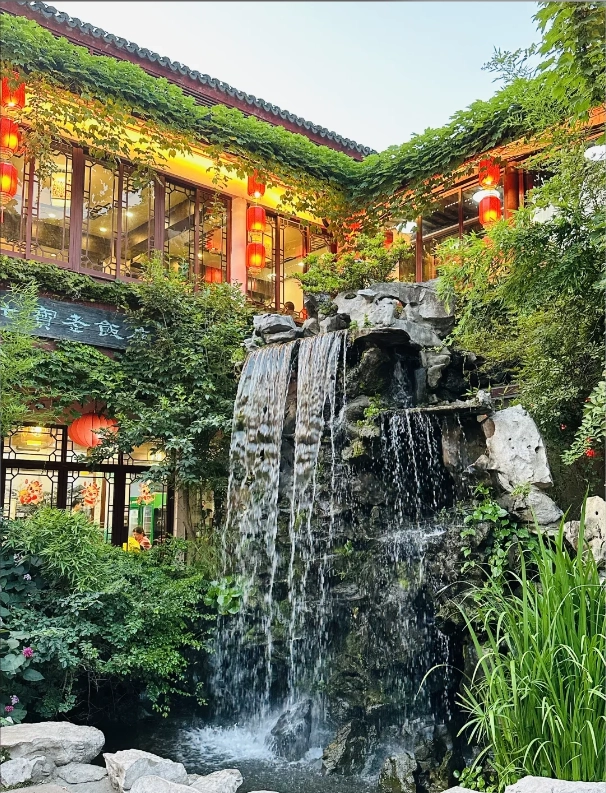
How to Get to Qibao Ancient Town?
The easiest way is the Shanghai Metro. Take Line 9 and get off at Qibao Station. Use Exit 2. From there, it's a straightforward 5 to 7-minute walk west. You'll see the crowds and traditional architecture guiding you. A taxi from central Shanghai (like People's Square) takes about 30-45 minutes depending on traffic and costs roughly 80-120 RMB. My personal tip? Avoid visiting on a Saturday afternoon if you dislike crowds. The metro station and main bridge entrance become bottlenecks. A Tuesday morning offers a completely different, much more serene experience. There's no official public parking lot that's terribly convenient for tourists, so metro is king.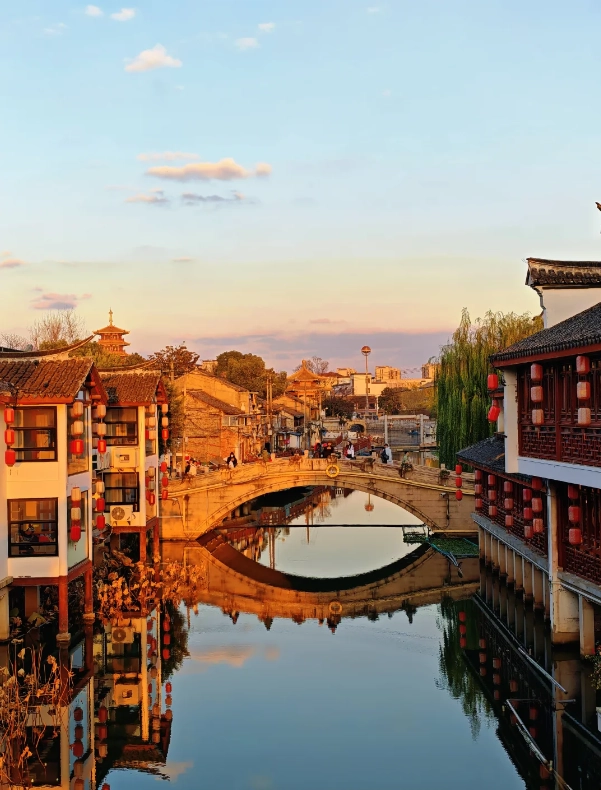
What Are the Must-Try Foods in Qibao?
This is the main event for many. Don't come with a full stomach. The old street is a continuous line of food stalls and small shops. Here are the non-negotiables, based on my repeated tastings:
Top 3 Must-Try Qibao Street Foods:
- Qibao Lamb: This is the town's legend. The meat is stewed for hours until incredibly tender, then served cold or at room temperature, sliced thinly. It has a clean, slightly gamey flavor, not heavy or spicy. The most famous spot is a no-frills shop about halfway down the main street on the left if you're coming from the main entrance. Look for the whole legs of lamb in the window. A portion costs around 50-60 RMB. Pro tip: They often sell out by mid-afternoon. Go before 2 PM to guarantee you get some.
- Qibao Glutinous Rice Cake: These are square, steamed cakes made from glutinous rice flour, often filled with sweet red bean paste or sesame. They're chewy, not too sweet, and a quintessential souvenir. Multiple vendors sell them. They're best eaten warm, right off the steamer. About 5-10 RMB per piece.
- Braised Pork Hocks: You'll smell these before you see them—aromatic, soy-sauce-based braising liquids. The hocks are sticky, gelatinous, and fall-off-the-bone tender. A great savory counterpoint to the sweeter snacks. A half hock is usually 25-35 RMB.
Other notable mentions: crab shell cakes (crispy pastries shaped like crab shells), stinky tofu (an acquired taste, but the version here is particularly pungent), and various rice wine offerings. I find the rice wine a bit sweet for my liking, but it's a local product.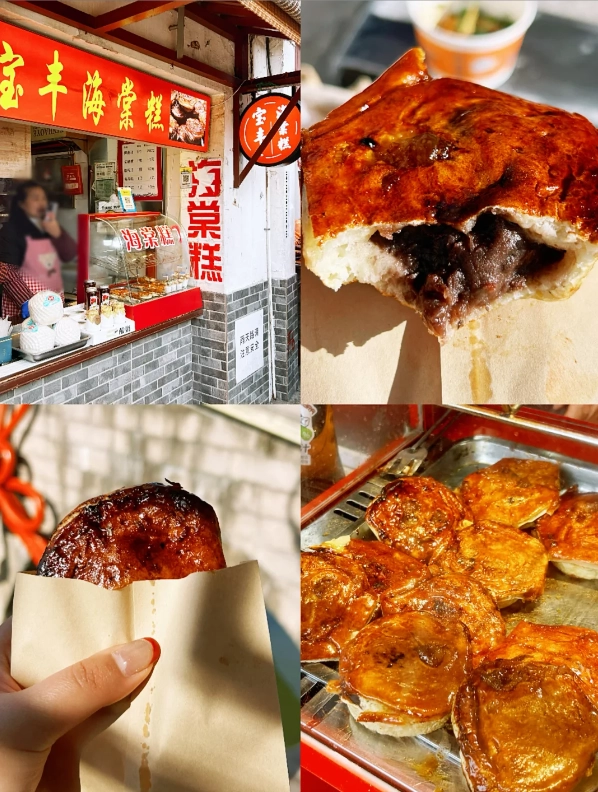
Exploring Qibao's Canals and Alleys
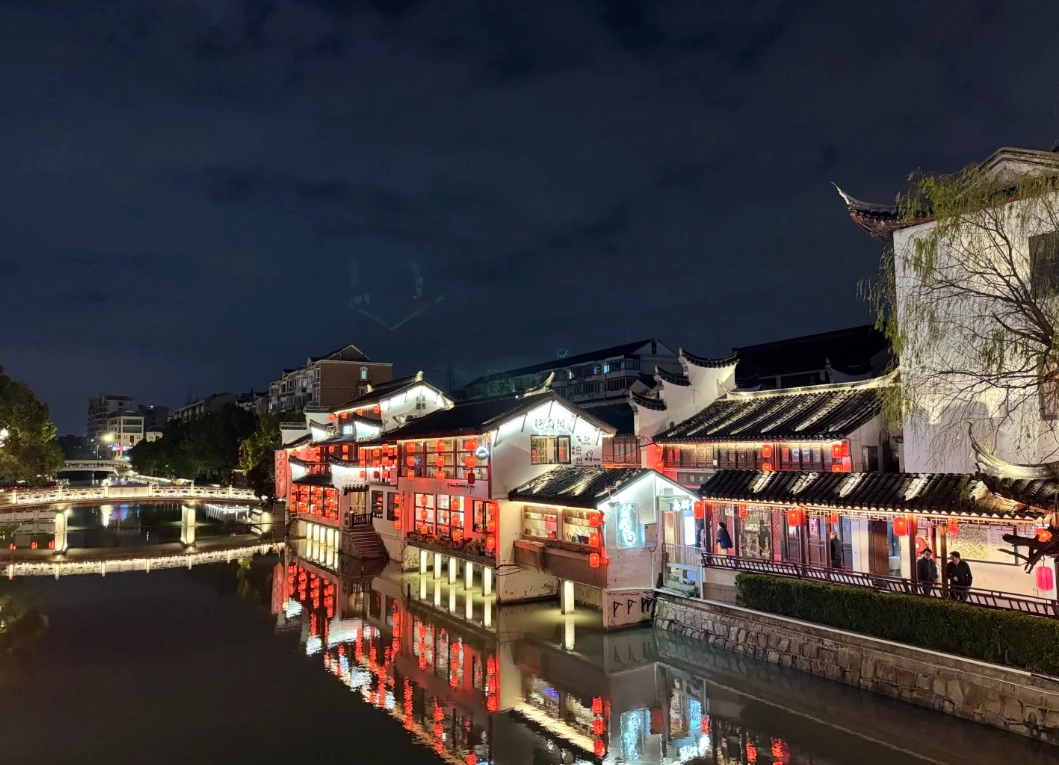
The Puhuitang Canal is the spine. The main tourist action is on the north bank (Beidajie), packed with shops and stalls. For a breather, cross any of the stone bridges to the south bank (Nandajie). It's noticeably quieter, with more residential buildings, a few teahouses, and better photo opportunities of the classic water town scenery—willow trees, stone bridges, and tiled roofs reflected in the water.
A Local's Canal Walk Suggestion: Enter from the main eastern entrance, dive into the food frenzy on North Street. After an hour of eating, cross the Anguo Bridge to South Street. Walk west along the quieter canal, then cross back over the Puji Bridge near the temple area. This loop gives you both the vibrant and the peaceful sides of Qibao.
Visiting Qibao's Temples and Museums
Once you've eaten, these sites provide context. They require separate tickets or a combo pass.
| Site | What It's Known For | Ticket (Approx.) | Time Needed |
|---|---|---|---|
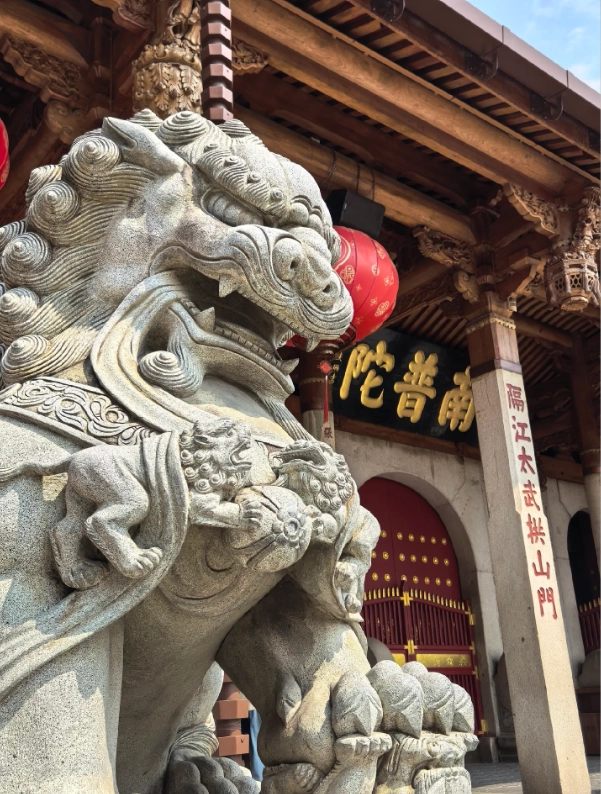
| Qibao Temple | A working Buddhist temple with a distinctive twin-pagoda structure. More modern reconstruction than ancient relic, but a calm oasis. | 10 RMB | 30 mins |
| Qibao Shadow Puppetry Museum | Excellent displays on the history and art of Chinese shadow puppets, with live short performances at scheduled times. | Included in 30 RMB combo ticket* | 45 mins |
| Qibao Cricket House | A quirky museum dedicated to cricket fighting, a traditional pastime. You'll see antique cricket pots and learn about the "sport." | Included in 30 RMB combo ticket* | 20 mins |
| Qibao Wine Museum | Shows the traditional tools for brewing rice wine, with samples available (often for an extra small fee). | Included in 30 RMB combo ticket* | 20 mins |
*A 30 RMB combo ticket typically covers entry to the Shadow Puppet Museum, Cricket House, Wine Museum, and a couple of other minor exhibits. You buy it at the entrance to any of these sites. The temple ticket is sold separately at its gate.
Is the combo ticket worth it? If you're curious about folk culture, absolutely. The Shadow Puppet Museum is genuinely interesting. If you're just there for food and ambiance, you can skip them without missing Qibao's core essence.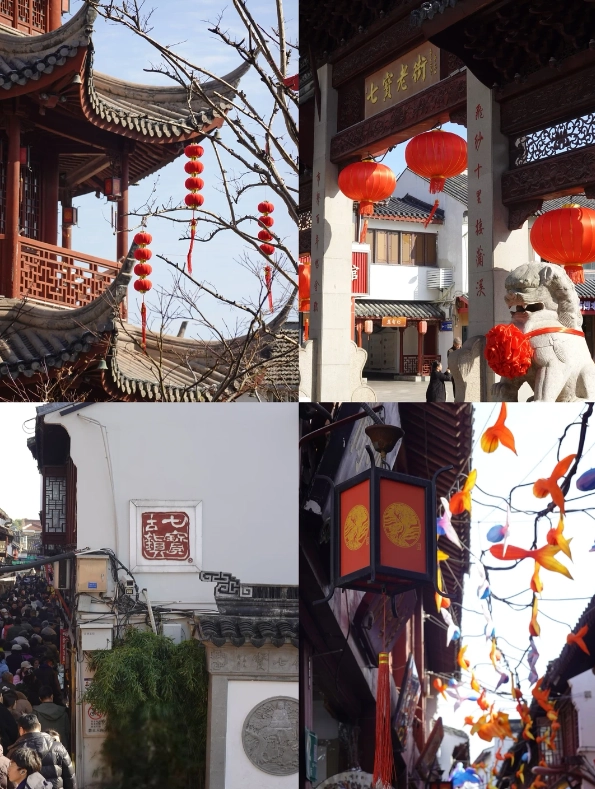
Practical Information for Your Visit
Address: Qibao Old Street, Minhang District, Shanghai. There's no single address; the area is the destination.
Main Area Opening Hours: The old street and canals are publicly accessible, essentially 24 hours. Shops and food stalls generally operate from 9:00 AM until 9:00 or 10:00 PM.
Museum & Temple Hours: Typically 9:00 AM to 5:00 PM (last entry around 4:30 PM).
Admission: Entry to the old street and canal area is FREE. You only pay for individual temple/museum entry or the combo ticket as described above.
Best Time to Visit: Weekday mornings (Tuesday-Thursday) for lower crowds. Evenings are also pleasant when the lanterns light up, but the food stalls can get very busy. Avoid Chinese national holidays.
What to Wear: Comfortable walking shoes are non-negotiable. The streets are old stone and can be uneven.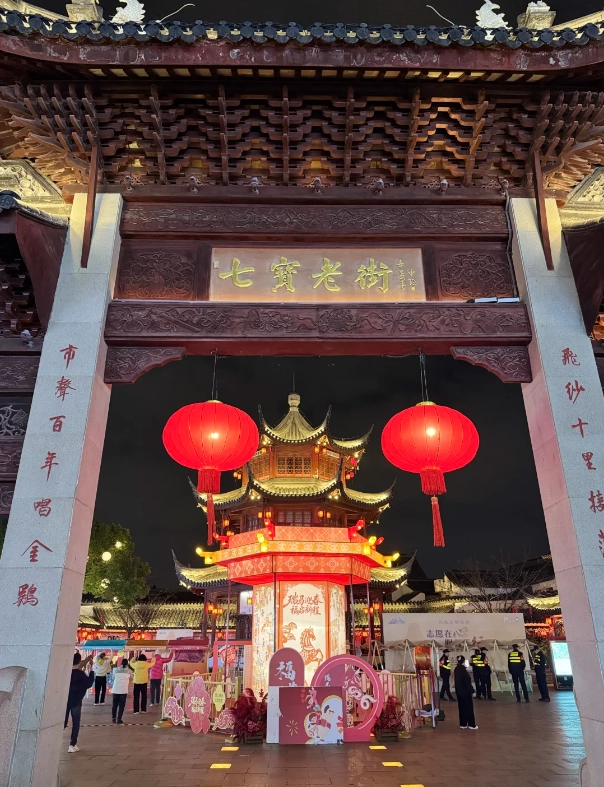
Your Qibao Questions Answered
 This guide is based on multiple personal visits and observations. Information, such as ticket prices and operating hours, is subject to change. For the most current official details, you can refer to resources from the Shanghai Municipal Administration of Culture and Tourism.





No comments yet.