 Bo Wu
Bo Wu
I've lost count of how many times I've wandered through Beihai Park. As a Beijing resident, I've seen it in all seasons—crowded with tourists in summer, serene under autumn leaves, frozen in winter, and blooming in spring. So, is it worth visiting? For most people, absolutely. But let's cut through the hype. If you're short on time or hate crowds, you might skip it. However, if you want a slice of imperial history paired with peaceful nature right in central Beijing, Beihai Park delivers. This guide dives into the nitty-gritty: what you'll actually experience, the costs, the hidden gems, and the common pitfalls.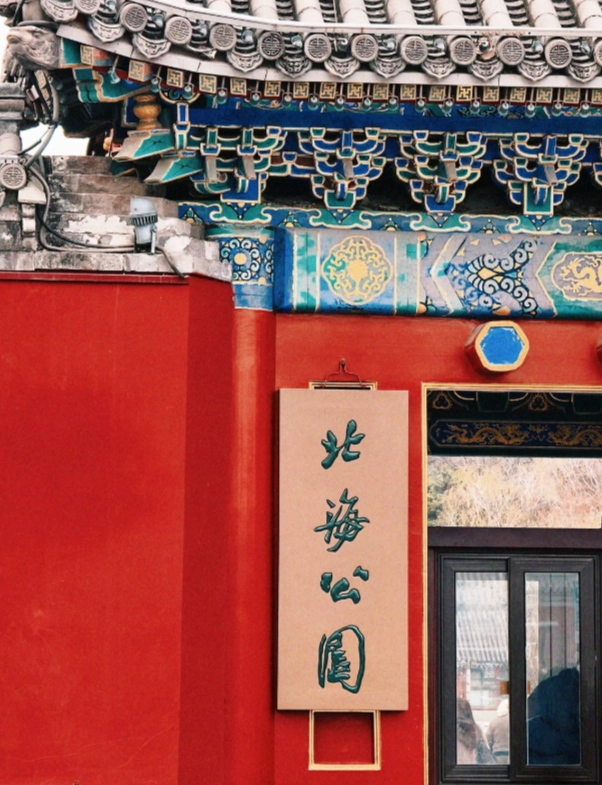
Jump to What Matters Most
Why Beihai Park Stands Out
Beihai Park isn't just another green space. It's one of the oldest and most well-preserved imperial gardens in China, dating back to the 10th century. I remember my first visit—I was struck by how the park seamlessly blends man-made elegance with natural beauty. You get history, architecture, and relaxation all in one spot.
The Historical Significance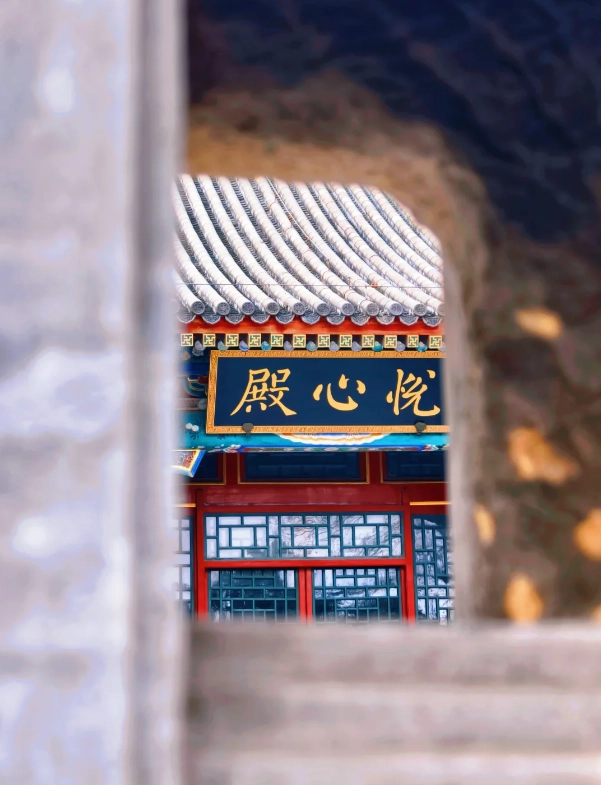
This place was a playground for emperors. Walking around, you'll see structures like the White Dagoba, built in 1651 under Emperor Shunzhi's order. It's a Tibetan-style stupa that dominates the skyline. What most guides don't mention is that the dagoba has been rebuilt several times due to fires and earthquakes. The current version is a 20th-century restoration, but it still feels ancient. The park's layout follows traditional Chinese garden design principles, emphasizing harmony between humans and nature. According to the Beijing Municipal Administration of Cultural Heritage, Beihai Park is a key protected historical site, which means maintenance is top-notch.
The Natural Beauty
The centerpiece is Beihai Lake, a vast body of water that's perfect for boating in warmer months. I've rented a paddleboat here on a crisp autumn day—the views of the White Dagoba reflected in the water are postcard-perfect. The park is dotted with pavilions, bridges, and rockeries. One of my favorite spots is the Nine-Dragon Wall, a glazed-tile screen with nine coiling dragons. It's less crowded than the main attractions, and the craftsmanship is incredible up close.
Practical Details for Your Visit
Let's get down to brass tacks. Here's everything you need to plan your trip without surprises.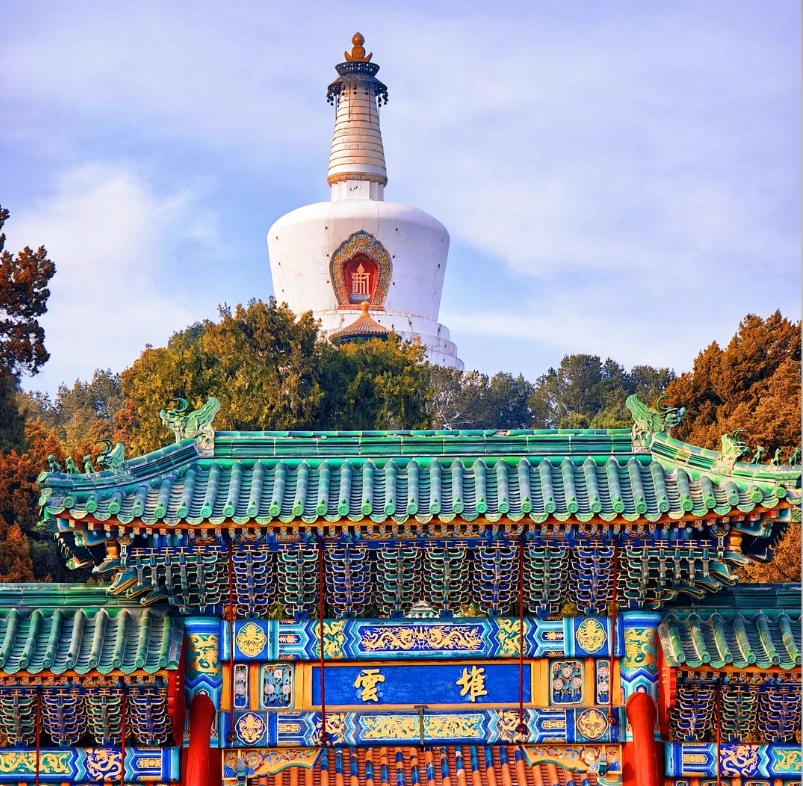
Ticket Prices and Opening Hours
Beihai Park uses a tiered ticket system. The basic entrance fee gets you into the park, but some inner areas cost extra. I've found this confusing for first-timers—you might buy a ticket only to realize you need another for the White Dagoba. Here's a breakdown based on my latest visit:
| Ticket Type | Price (approx.) | What It Covers |
|---|---|---|
| Park Entrance (Apr-Oct) | CNY 10 | Access to main park areas, lakeside paths |
| Park Entrance (Nov-Mar) | CNY 5 | Same as above, off-season discount |
| Combination Ticket | CNY 20 | Park entrance plus White Dagoba and other inner sites |
| Boat Rental (per hour) | CNY 60-100 | Paddleboats or electric boats on the lake |
Opening hours: 6:30 AM to 8:00 PM (April to October), 6:30 AM to 7:00 PM (November to March). Last entry is usually one hour before closing. I recommend going early—around 7 AM—to enjoy the park with locals doing tai chi. By 10 AM, tour groups swarm in.
How to Get There: Transportation Guide
Beihai Park is centrally located, so access is easy. Address: No. 1 Wenjin Street, Xicheng District, Beijing. The main entrance is near the north gate of the Forbidden City.
- By Subway: Take Line 6 to Beihai North Station (Exit B). From there, it's a 5-minute walk. I prefer this because it's efficient and avoids traffic.
- By Bus: Multiple buses stop nearby, like routes 5, 101, or 103. Get off at Beihai Park station. Bus travel is cheaper but can be slow during rush hours.
- By Taxi or Ride-hailing: Tell the driver "Beihai Gongyuan" (North Sea Park). Expect traffic near the park, especially on weekends.
Parking is limited and expensive, so I'd avoid driving.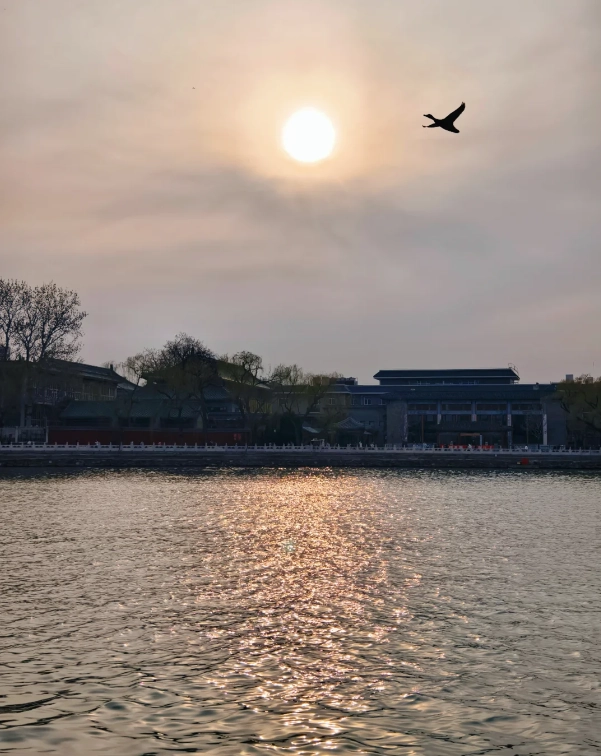
Top Attractions You Shouldn't Miss
Don't just wander aimlessly. Focus on these highlights to make the most of your time.
White Dagoba (Baita): The iconic landmark. Climb the hill for panoramic views of Beijing. Inside, there's a small Buddhist shrine. It's worth the extra ticket if you're into history.
Nine-Dragon Wall (Jiulongbi): Located in the northeastern part of the park. This wall is a masterpiece of glazed tile art. I often see people rushing past it—take a moment to admire the details.
Round City (Tuancheng): A small fortified area with ancient trees and a jade urn. It's included in the combination ticket. The vibe here is quieter, almost meditative.
Boating on Beihai Lake: Rent a boat near the north shore. Spring and autumn are ideal—summer can be scorching. I once capsized a paddleboat (my fault for goofing around), but the staff were helpful.
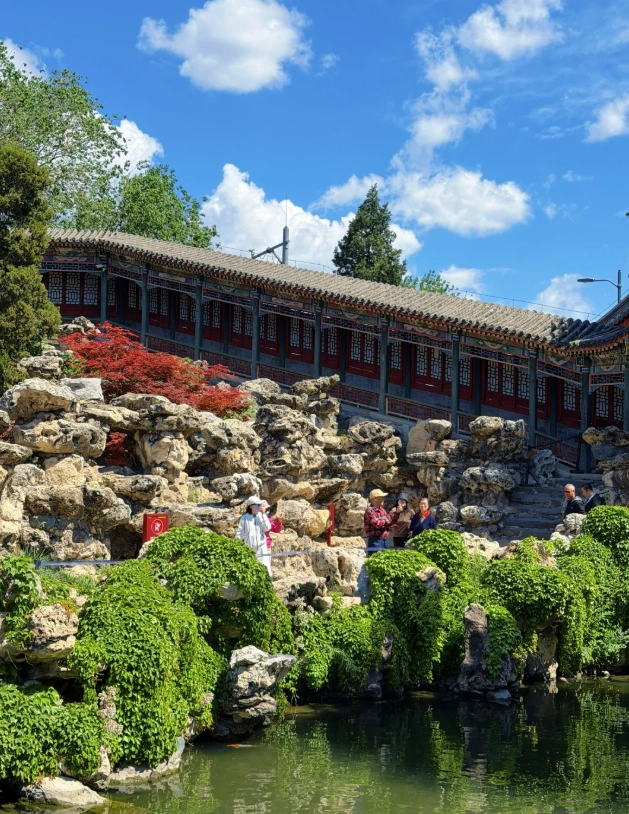
Imperial Garden Areas: Stroll through the Hao Pu Creek Garden and the Jingxin Studio. These spots showcase classical Chinese garden design with rockeries and pavilions. They're less crowded than the main paths.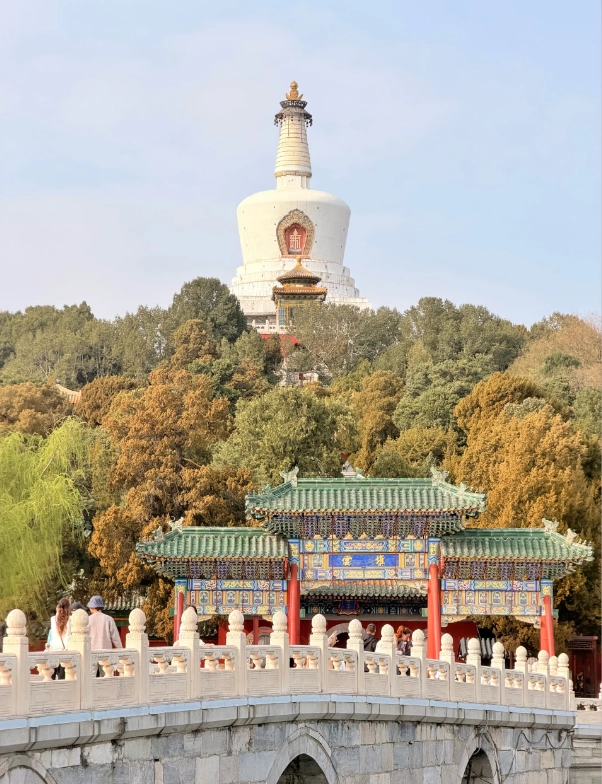
Insider Tips and Common Mistakes
Here's where my experience pays off. Most tourists make these blunders, but you can avoid them.
First, many people visit Beihai Park as part of a packed itinerary with the Forbidden City. That's a recipe for exhaustion. The park is large—about 69 hectares—and involves a lot of walking. I'd allocate at least 2-3 hours, preferably in the morning or late afternoon.
Second, food options inside are limited and overpriced. There are snack stalls selling instant noodles and drinks, but quality is mediocre. I usually bring my own water and snacks. For a proper meal, head to nearby hutongs like around Shichahai.
Third, photography hotspots get crowded quickly. The best photo op of the White Dagoba is from the south shore of the lake, early in the day. Later, it's swarmed with selfie sticks.
A subtle mistake: ignoring the seasonal changes. In winter, the lake freezes, and you can ice-skate (for an extra fee). It's magical but cold. Summer brings lush greenery but also mosquitoes—bring repellent.
Lastly, some areas might be under renovation. On my last visit, part of the eastern corridor was closed. Check the park's official website or signage for updates.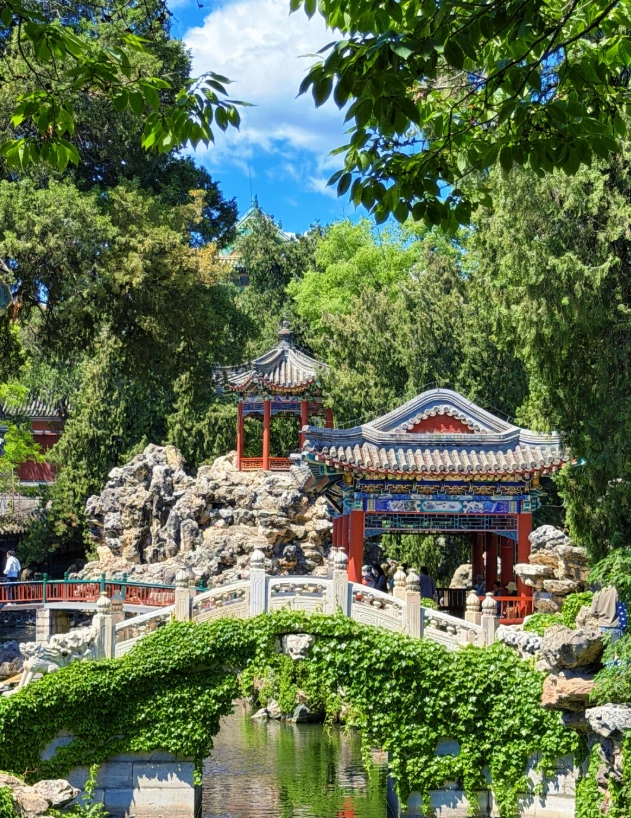
Frequently Asked Questions
 All information here is based on my personal visits and cross-checked with reliable sources like the Beijing tourism authority. Beihai Park isn't perfect—it can be crowded, and some parts feel touristy—but its historical depth and serene corners make it a worthwhile stop in Beijing. Pack comfortable shoes, arrive early, and let yourself get lost in the lanes. You'll see why it's endured for centuries.





No comments yet.