 Peng Gao
My stomach growled, a low, persistent rumble that echoed faintly in the vast Pit 1. I'd been staring at the silent, stoic ranks of the Terracotta Warriors for three hours, and the awe was slowly being replaced by a very human, very urgent need: food. The problem was, the options inside the Emperor Qinshihuang's Mausoleum Site Museum felt... predictable. Overpriced instant noodles, generic fried rice, and souvenir stalls. I knew Xi'an was a food paradise, but trapped out here, 40 minutes from the city, it felt like a culinary desert. That's when I decided to figure it out—not just for me, but for anyone who doesn't want their deep historical dive to end with a disappointing, overpriced meal.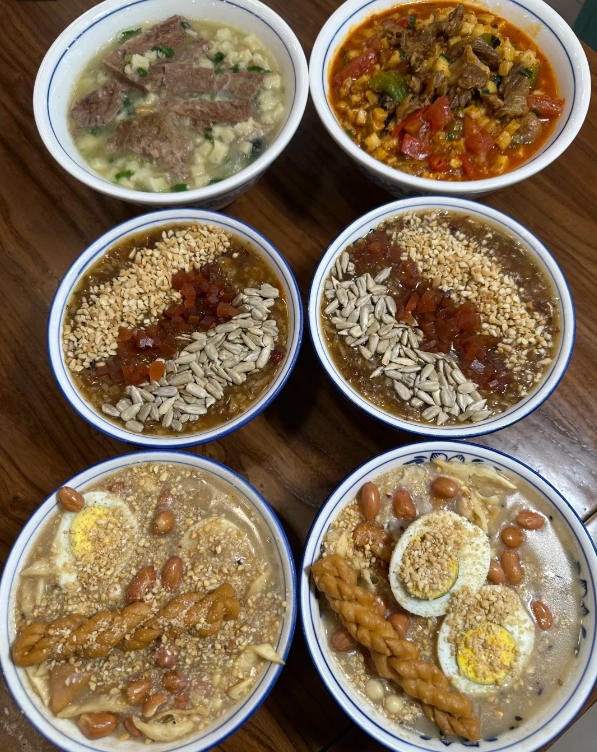
Your Food Navigation Map
What to Eat Inside the Museum Complex
Let's be brutally honest: you're not here for a Michelin-starred meal. You're here for fuel. The museum has several cafeteria-style restaurants and snack kiosks. The main one, near the entrance/exit of the pits, is your best bet. It's clean, functional, and air-conditioned—a blessing in summer.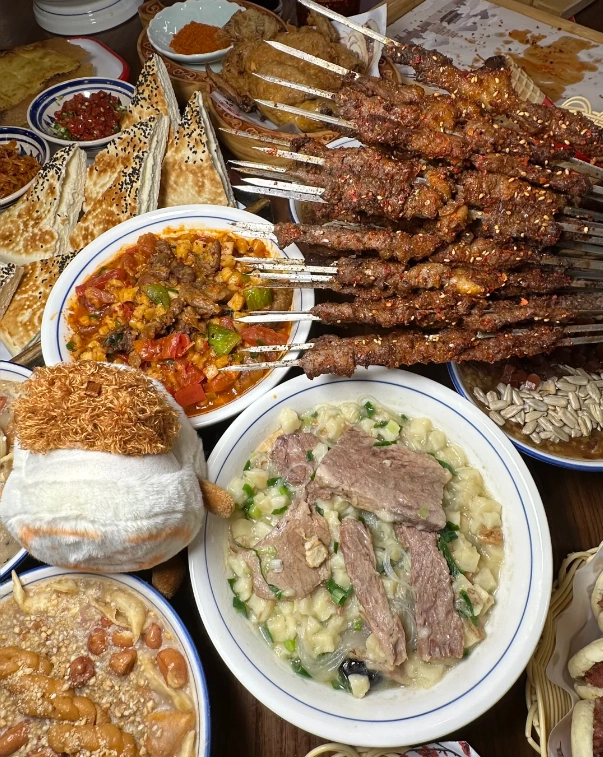
The coffee from the chain shops is drinkable but expensive. Bring a water bottle—you can refill it at designated stations. The real meal is waiting in Xi'an.
How to Get from the Warriors to Xi'an's Food Streets
You have three main options, and your choice depends on your hunger level and budget.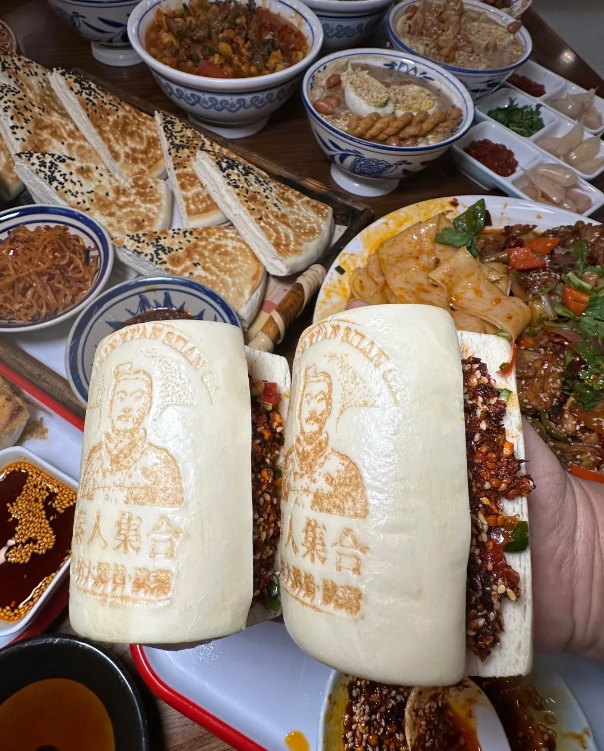
| Option | Time | Cost (Approx.) | Best For | Drop-off Point for Food |
|---|---|---|---|---|
| Tourist Bus (Green Bus 613) | ~45-60 mins | ¥5 per person (~$0.7 USD) | Budget travelers, solo explorers | Xi'an Railway Station. From there, a 15-min taxi to the Muslim Quarter. |
| Taxi / Ride-hailing (Didi) | ~40-50 mins | ¥120-150 (~$17-21 USD) | Groups of 3-4, direct comfort | Directly to the Bell Tower or the entrance of the Muslim Quarter. |
| Pre-booked Private Driver | ~40 mins | ¥200-300 (~$28-42 USD) | Families, those wanting a seamless day | Anywhere you want. You can ask for "Huimin Jie." |
I took bus 613 back. It was packed, hot, and my legs were tired from standing all day. Next time, I'm splitting a Didi. The extra $15 is worth the mental sanity after a long museum visit.
A Deep Dive into the Muslim Quarter (Huimin Jie)
This is where the magic happens. Forget the main tourist drag of Beiyuanmen Street with its giant skewers and pomegranate juice hustlers. The real gems are in the perpendicular alleys. I turned right onto Sajinqiao Xiang and the crowd thinned, the shouts became conversations, and the smells got more complex.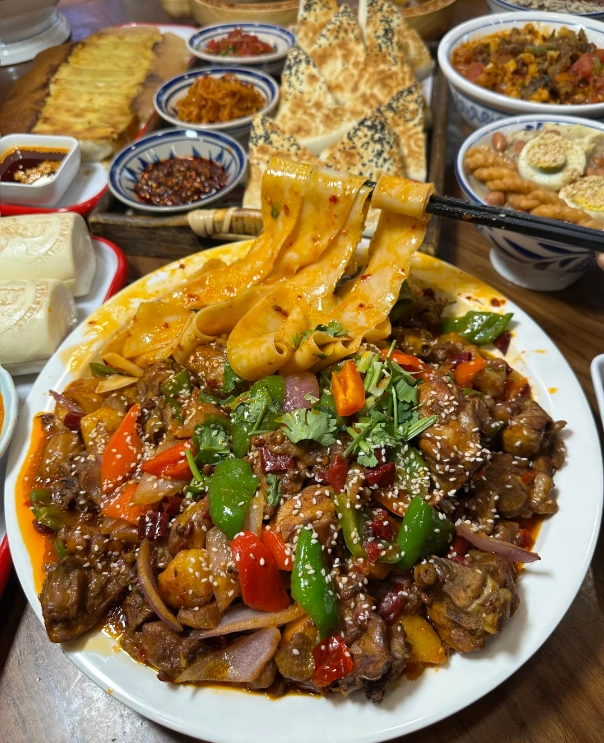
The Must-Try Dishes & Where to Find Them
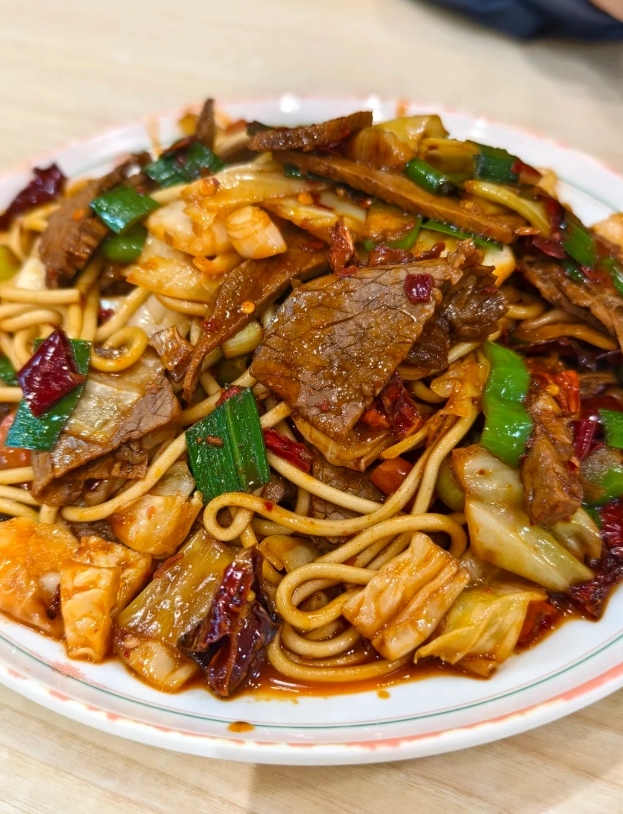
1. Biang Biang Noodles: The name comes from the sound of the dough being slapped on the counter. Don't go to a place with an English sign boasting about it. Look for a small shop with a window where you can see someone pulling the wide, belt-like noodles. I found one at "Lao Sun Jia" (a common shop name) at the intersection of Sajinqiao Xiang and another small lane. No English menu. I pointed to the man next to me whose bowl was a masterpiece: thick, irregular noodles coated in a crimson chili oil, with chunks of stewed pork, scallions, and crushed garlic. The first bite was all texture—a satisfying chew. Then the heat hit, followed by a deep, savory umami. A bowl cost ¥25 (~$3.5 USD). The plastic stools were sticky, the floor was... lived-in. It was perfect.
2. Roujiamo: The real deal, not the museum version. The best ones use pork belly slow-cooked for hours in a spiced broth until it's melt-in-your-mouth. Wang Ji Xing, a tiny storefront on Beiyuanmen (look for the long, slow-moving line of locals, not tourists), is legendary. The bread is baked fresh, crisp on the outside, fluffy inside. They chop the meat right in front of you, the cleaver thumping rhythmically. It's juicy, slightly sweet, and fragrant with spices like star anise. ¥15 (~$2 USD). Eat it over a napkin; the juices will run down your wrist.
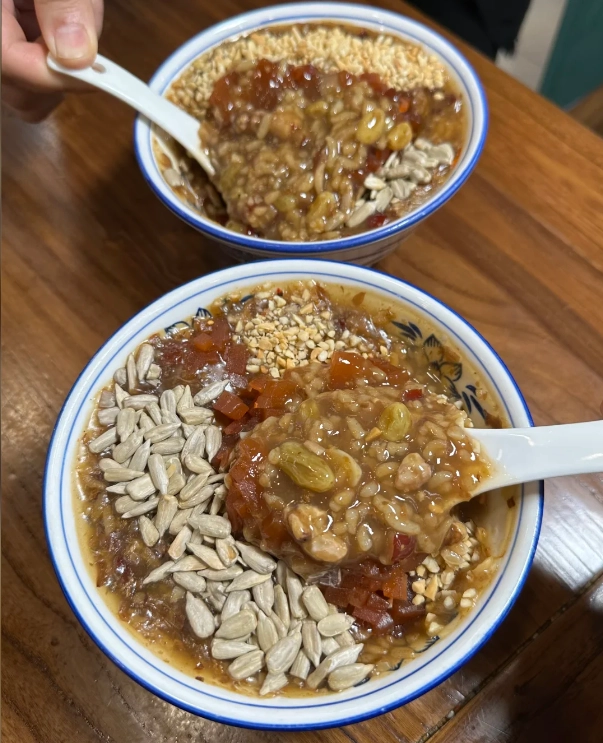
3. Persimmon Cakes (Shizi Bing): A sweet treat. Mashed persimmon mixed with flour, stuffed with a sweet filling (like bean paste or nuts), and pan-fried. They're served piping hot, crispy on the outside, gooey and sweet inside. Look for an old lady with a flat iron griddle in one of the alleys off the main street. About ¥5 for one (~$0.7 USD). Don't eat more than one; they're heavy.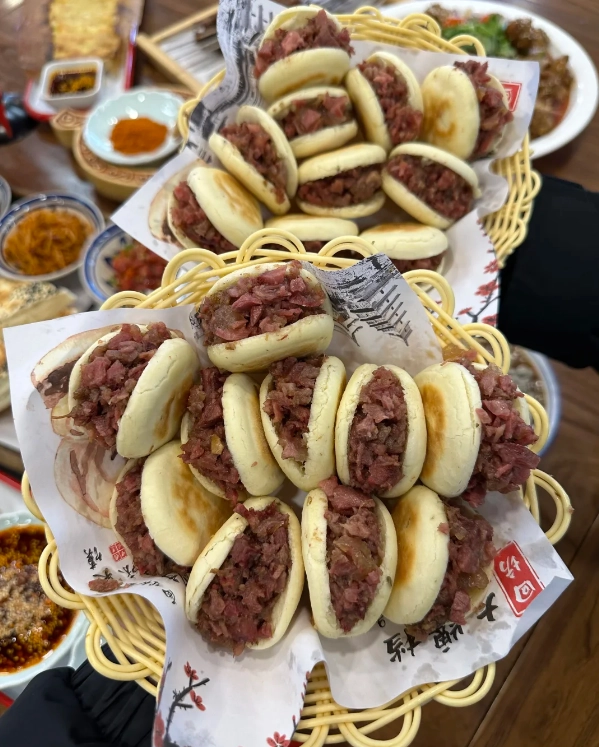
A Note on Hygiene & Payment
Street food hygiene is a spectrum. Use the "local line" rule: if locals are eating there, it's generally safe. Watch how food is handled. Are raw and cooked items separated? Is the oil clean? I avoid anything that looks like it's been sitting out for hours. For payment, everyone uses mobile pay (WeChat Pay or Alipay). Cash is still accepted, but having your phone set up is infinitely easier. Small stalls often have a QR code you can scan.
The Survival Guide to Ordering & Eating
No Chinese? No problem. Here's your toolkit.
- Point & Nod: The universal language. See something that looks good on someone else's table? Walk over, smile, point at it, and hold up fingers for how many you want.
- Key Phrases (with pronunciation):
- "Zhe ge" (jer guh) = "This one."
- "Yi ge" (ee guh) = "One." "Liang ge" (lee-ang guh) = "Two."
- "Bu la" (boo la) = "Not spicy." Use this cautiously; you might get a puzzled look.
- "Wei dao hen hao!" (way dow hen how) = "Taste very good!" A compliment that goes a long way.
- Spice Management: Shaanxi food loves chili oil and Sichuan peppercorn (which causes a tingly, numbing sensation). If you're sensitive, look for dishes that are lighter in color. The deep red ones are the dangerous ones SPICY. You can try saying "wei la" (way la) for "a little spicy," but results may vary.
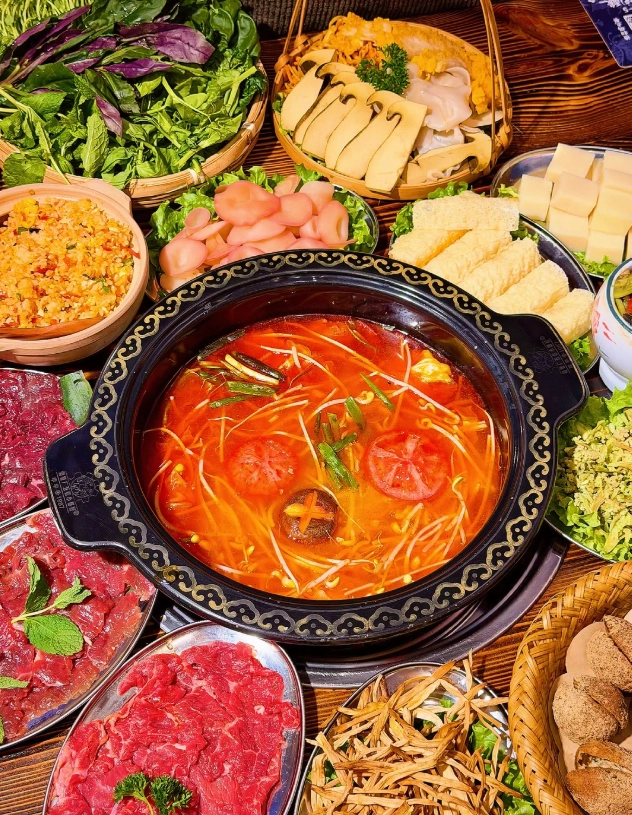
I once pointed at a dish that turned out to be Mala Tang—a choose-your-own-ingredients soup boiled in a numbing spicy broth. I loaded up on veggies and tofu, not realizing the broth itself was the weapon. I ate it, tears streaming down my face, while the auntie running the stall laughed and brought me a bottle of cold milk tea. It was a rite of passage.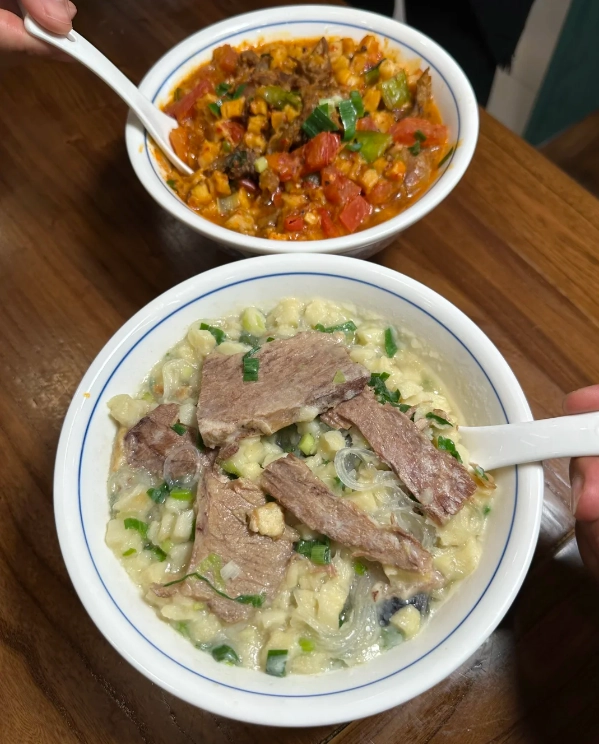
Questions You're Too Hungry to Ask (FAQ)
 What's the spiciest dish I should try (or avoid)?
The final word? The Terracotta Warriors will leave you in awe of ancient China. The food in Xi'an, just a short ride away, will plunge you into the vibrant, chaotic, and delicious reality of modern China. Don't settle for the museum cafeteria. Make the journey, get lost in an alley, point at something sizzling, and eat it standing up. That's the real complement to a day with the emperor's army.
This article is based on personal, repeated visits and has been fact-checked for practical accuracy regarding locations, typical prices, and travel logistics.





If you only read one food guide for Xi'an, make it this one. We followed the 'post-museum feast' suggestion and went to a dumpling banquet restaurant near the South Gate. Every single dumpling was a work of art—shaped like peonies, pandas, even little warriors. The pork and chive ones burst with juice. The guide also warned us about the local 'smiling' fried rice (it's not happy, it's spicy!), which saved me from a shock. Absolutely essential reading before you go.
Decent recommendations, but nothing mind-blowing. We hit up the cold noodle shop near the museum as suggested, and while the portion was generous (cheap too, only 12 yuan), the sesame sauce was a bit bland. I added extra chili oil and it helped, but I've had better street food elsewhere in Xi'an. Solid 4 stars for being an honest, no-frills option close to the terracotta warriors.
This food guide saved us from eating at another tourist trap. We found a lovely family-run place in Xi'an's Muslim Quarter that served the best yangrou chuan (lamb skewers) I've ever had—charred, fatty, and seasoned with a secret spice blend. The guide even mentioned the little alley with the tanghulu (candied hawthorn) cart. Perfect balance of sweet and sour after all that meat. Highly recommend!
Good guide overall, but I felt it hyped up the 'must-try' lamb paomo a bit too much. We went to the recommended spot near the Bell Tower and the soup was fine but way too salty for my taste. The service was rushed too—they literally cleared our bowls while we were still chewing. Worth a try if you're curious, but I'd skip the queue.
We followed this guide to the letter and ended up at a tiny noodle joint just outside the museum gates. The hand-pulled biangbiang noodles were incredible—chewy, spicy, and full of cumin. My only gripe? The place was sweltering in August, no AC, just a fan. Still, the flavors made up for the sweat. 5/5 for the food itself.
Came to Xi'an for the Warriors, stayed for the food. This guide led me to a Persian-style lamb skewer joint near the Great Mosque that wasn't even highlighted in the main tourist materials. The meat was charred perfectly, cumin and chili dancing on the tongue. Sat on tiny plastic stools, drinking local beer, watching the sunset over the minaret. Unforgettable. The only reason it's not a 5 is because the guide’s map had a wrong turn and I walked an extra 20 minutes. Still, found it eventually. Would use this guide again in a heartbeat.
I really wanted to love the food scene here, but this guide overhyped a couple of places. Tried ‘Qiaozi’ for paomo—the bread was hard and the broth lukewarm. Maybe I went at a bad time (late afternoon), but the energy was off and the service was indifferent. The guide’s description made it sound magical, but I left feeling underwhelmed. On the bright side, I discovered a tiny stall selling candied hawthorn sticks on my way back, which was amazing. So the guide is decent for getting you started, but you’ll need to explore on your own too. 3 stars—fine, not great.
Used this guide to try a famous Yangrou Paomo place near the Muslim Quarter. The process of tearing the bread yourself was fun, but honestly the soup was way too salty for my taste. Broth had depth but the mutton was a little tough. The place was packed and noisy, which I usually love, but the staff kept mixing up orders. Got my friend’s dish instead. For a 4-star rating I’d expect better execution. The guide itself is well-written though—just maybe temper expectations on that specific spot.
This guide pointed me to a hidden dumpling spot on a side street near the Bell Tower, not far from where we stayed. I’m vegetarian and was worried about options, but they had a spinach and egg filling that was simply dreamy. The dumpling skins were thin and translucent, handmade right in front of us. Service was warm—the owner even showed me how to dip in vinegar with ginger. My only small letdown was the cold wind blowing through the open door (it’s November), but honestly that added to the street-food charm. Would absolutely recommend this guide to anyone wanting real Xi’an flavors.
I stumbled upon this food guide before my trip and it saved me from tourist trap restaurants near the Terracotta Warriors. Followed the suggestion for ‘Lao Sun Jia’ just outside the museum—got the biangbiang noodles with lamb. The broth was rich, the hand-pulled noodles had that perfect chewy bite, and the chili oil wasn't just heat but genuinely fragrant. Atmosphere? Basic but clean, with locals chattering away. Only gripe is the waitress seemed rushed, but the food made up for it. Solid 5 for authenticity and value.
Great overall roundup, but I’d add that the guide misses the best hidden spot in Xi’an: a little roujiamo joint called 'Old Wong's' tucked behind the Bell Tower. The crispy pork belly version they make is 10 times better than the ones near the terracotta warriors. Still, the guide's section on avoiding the 'museum buffet' is spot on—that place is a rip-off. Solid 4 stars for honesty and practical advice.
As a mom traveling with two picky kids, this guide was a lifesaver. It steered us to a small family-run place near the museum that offered plain steamed buns (mantou) and mild stir-fried greens—perfect for the little ones. My husband and I shared the spicy hot pot noodles from the same stall and they were packed with flavor. The tips about napkin etiquette and water availability were also super practical. Five stars for saving our family lunch!
Honestly, the food guide was decent but nothing mind-blowing. We went to the cold noodle place it recommended (the one with the red sign) and found the texture a bit too gluey for my taste. Also, the guide said it's 'cheap eats' but a bowl of cold noodles was 28 yuan, which is average, not cheap. I appreciated the warning about avoiding the overpriced yogurt near the entrance, though. Solid 3 stars—it’s okay, but don't expect life-changing meals.
I wish I had found this guide before our trip—it would have saved us from the tourist-trap restaurant right outside the main gate. The article’s suggestion to walk 10 minutes to the Muslim Quarter street stalls was brilliant. We tried the lamb paomo at 'Yi Pin Lao Ma' and it was rich and comforting. Only giving 4 stars because the map links in the guide were a bit outdated; one stall had moved. Still, very helpful overall.
This guide is spot on! We followed the recommendation for 'Lao Sun Jia' near the museum and had the most incredible biangbiang noodles. The portion was huge, the chili oil was fragrant but not overpowering, and the staff even showed us how to properly mix it. After a long morning walking through the pits, that hearty bowl was exactly what we needed. Absolutely essential reading before you go!