 Qiang Huang
I almost skipped Qibao Ancient Town's night scene. My plan was a quick afternoon visit, but a local vendor slicing roast duck told me, "You haven't seen Qibao until the lanterns come on." He was right. As dusk settles, the daytime crowds thin, the souvenir shops fade into the background, and the real character of this water town emerges. The ancient streets, bathed in the warm glow of red lanterns reflecting off the canals, transform into something more intimate and atmospheric. This isn't just a heritage site with extended hours; it's a completely different experience. If you're wondering whether to visit Qibao Ancient Town at night, let me walk you through exactly what makes it worthwhile—and how to do it right.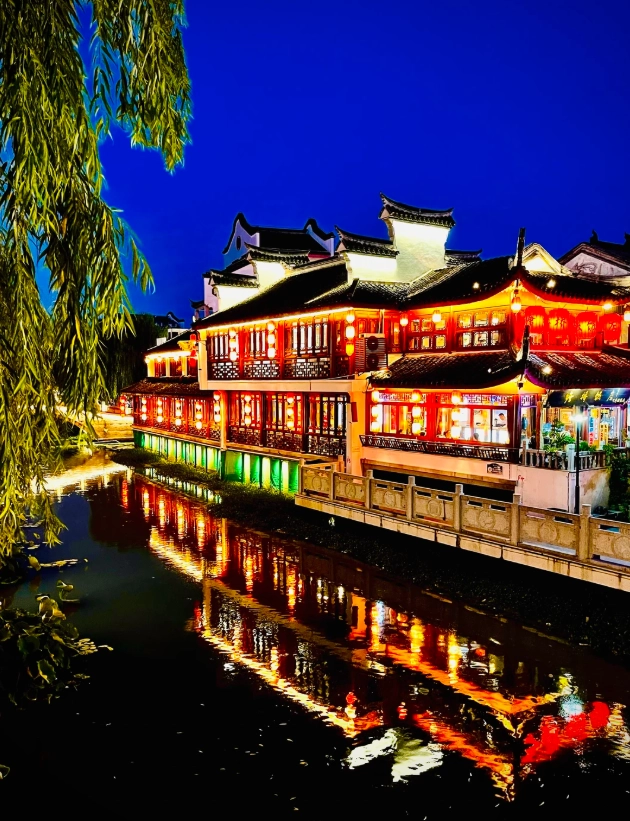
What's Inside This Guide
Why Qibao at Night Feels Different
Daytime Qibao is about history and hustle. You fight for space on the narrow main street, peering into museums and crowded shops. Nighttime Qibao is about ambiance and appetite. The focus shifts from sightseeing to sensory enjoyment. The architectural details of the Ming and Qing dynasty buildings, lit by subtle spotlights and strings of lanterns, become more pronounced. The canals, which can look a bit murky by day, turn into shimmering black mirrors. The noise changes too—the chatter of tour groups is replaced by the sizzle of grills, the clatter of mahjong tiles from upstairs windows, and the gentle lapping of water against stone banks. It feels less like a tourist attraction and more like a living neighborhood enjoying its evening.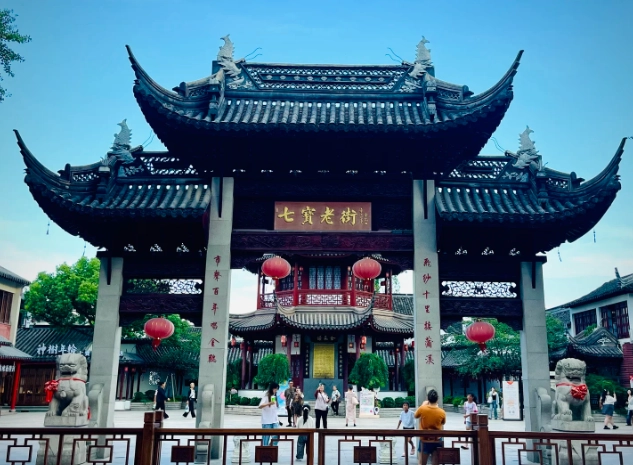
Top Things to Do in Qibao Ancient Town at Night
Forget ticking off museums. Your night visit revolves around a few core experiences.
1. Get Lost on the Side Alleys
The main street, Bei Dajie, is unavoidable and packed with food. But the real charm is in the perpendicular alleys that run towards the water. Alley names like "Lane of Everlasting Prosperity" sound touristy, but they're quieter. I found a tiny tea house in one, where an old man was playing the erhu (a two-stringed instrument) just for himself. No entrance fee, no show—just an authentic moment. Venture towards the edges of the tourist zone; the lighting gets dimmer, but the sense of place gets stronger.
2. The Night Market & Food Crawl
This is the main event. The entire main street becomes a continuous open-air food hall. It's not a formal market with tents, but a line of storefronts with their wares spilling onto the street. The strategy is to graze. Don't commit to a full meal from one place. Buy small portions, share, and keep moving. I'll detail the specific food stars in the next section.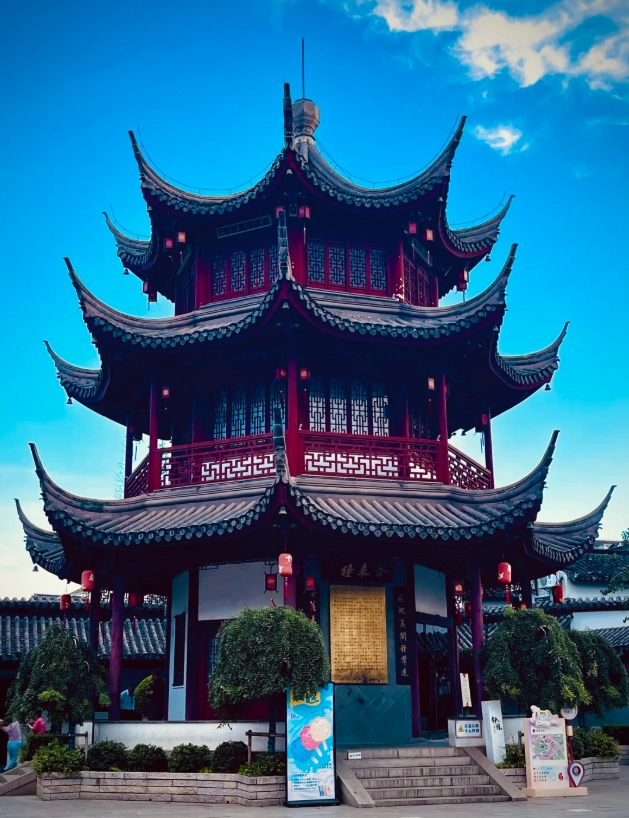
3. Riverside Stroll and Bridge Photos
The two parallel canals are the town's spine. The stone bridges, especially the iconic ones like the Puji Bridge, are beautifully illuminated. Each bridge offers a slightly different view of the traditional houses with their pointed roofs and wooden balconies reflected in the water. The most photogenic spot isn't from the bridge itself, but from the path along the canal, using the bridge as a frame. You'll see photographers with tripods setting up here just before sunset.
4. Take a Short Boat Ride (If It's Not Packed)
The boat ride operates in the evening, offering a unique vantage point. During my last visit, the line was short around 7:30 PM. It's a brief loop, maybe 15 minutes, but gliding under the lit bridges is peaceful. A common mistake is taking the boat first thing. Do your walking and eating first, then use the boat ride as a relaxing capstone. If the queue is longer than 20 minutes, I'd skip it—the views from the bank are nearly as good.
Must-Try Street Food After Dark
Qibao is famous for its snacks. At night, the options are overwhelming. Based on multiple visits and tasting (a tough job), here are the non-negotiable items.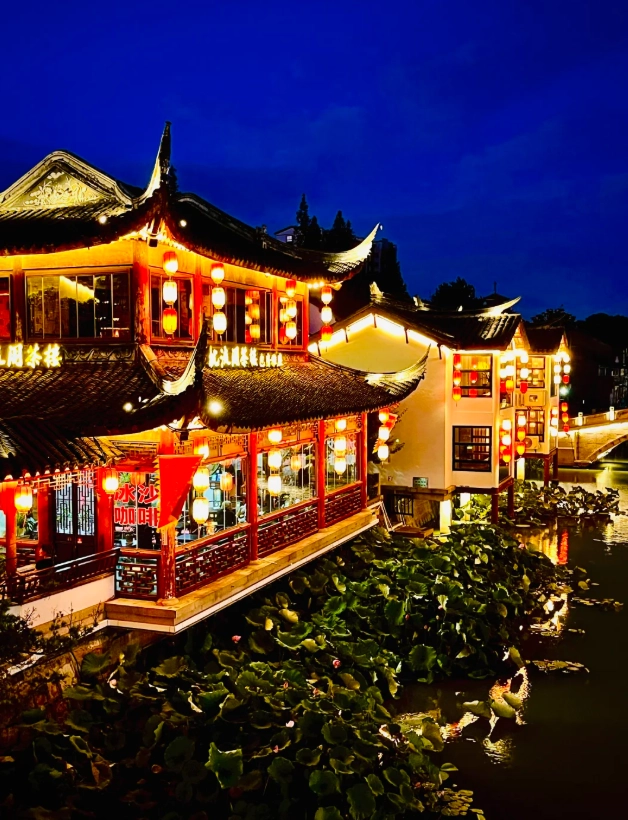
1. Qibao Roast Duck
Don't confuse this with Beijing duck. Qibao's version is a smaller, saltier, air-dried duck, chopped into bite-sized pieces with cleaver. The skin is crispy, the meat is intensely savory and slightly chewy. You buy it by weight (about 60-80 RMB for a quarter duck). Look for the shops with the ducks hanging in the window and a constant line. It's a fantastic savory counterpoint to the sweeter snacks.
2. Sticky Rice Balls in Fermented Rice Wine
This is my top recommendation for a first-time visitor. You'll see huge pots simmering. It's a warm, sweet soup with tiny, chewy glutinous rice balls and a distinct, fragrant fermented rice flavor. It's comforting, not too heavy, and costs around 10-15 RMB a bowl. Perfect for a slightly chilly evening.
3. Crab Shell Cake
Despite the name, no crab. It's a flaky, round pastry baked until it's golden brown and resembles a crab shell. The fillings are usually scallion and oil or a sweet red bean paste. The savory one is incredible—crispy, layered, and oniony. They are best eaten warm, right out of the oven. A stall near the Bell Tower does them particularly well.
Other honorable mentions: the Braised Pork Trotter which is fall-off-the-bone tender, and the Beggar's Chicken wrapped in lotus leaf, though the latter is a bigger commitment. Avoid the generic skewers (chuan'r) you see everywhere in China; focus on the local specialties.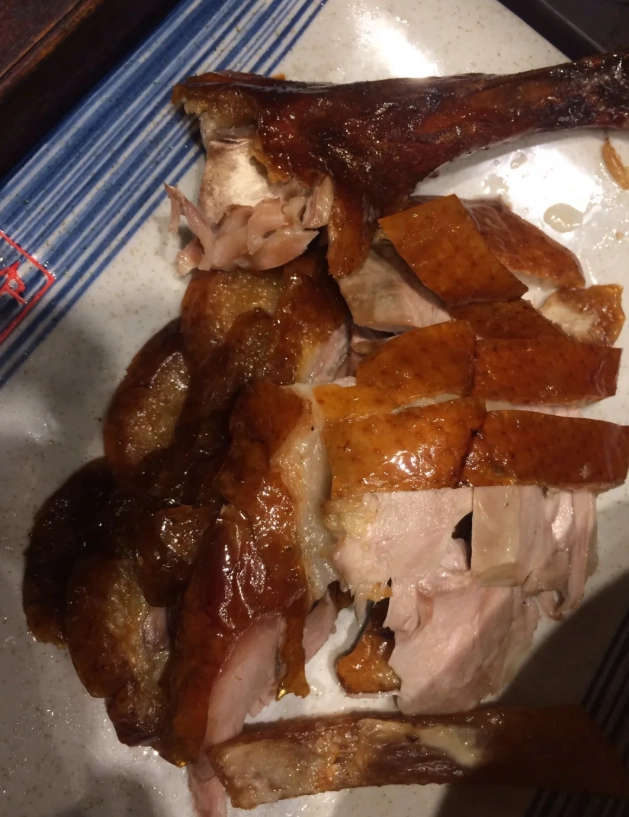
A Perfect Evening Itinerary
Here’s how I would structure a 3 to 4-hour evening visit to maximize the experience.
| Time | Activity | Notes & Tips |
|---|---|---|
| 5:30 PM - 6:00 PM | Arrive & Initial Explore | Enter from the main south gate. The light is still good. Walk the main street quickly to scout food spots, then duck into the quieter side alleys near the water. |
| 6:00 PM - 6:45 PM | Blue Hour Photography | As the sun sets, position yourself along the central canals. The Puji Bridge area is ideal. The lanterns turn on, creating perfect reflections. |
| 6:45 PM - 8:15 PM | Food Crawl Dinner | Start your grazing. Get a portion of roast duck to share, then a bowl of rice wine balls. Try a crab shell cake. Keep moving and picking at different stalls. |
| 8:15 PM - 8:45 PM | Optional Boat Ride or Final Stroll | Check the boat queue. If it's short, take the ride. If not, take a final leisurely walk along the less crowded eastern section of the canals. |
| 8:45 PM onwards | Departure | Stalls begin closing around 9 PM. Make your way back to the metro station. The crowds will have dissipated. |
Getting There & Practical Night Visit Tips
Address: Minhang District, Shanghai. There's no single "address," but navigating to "Qibao Ancient Town" works on all maps.
Night Hours: The town is open-access, but most shops and stalls operate from about 5:00 PM to 9:00 PM. The atmosphere is best between 6:30 PM and 9:00 PM. Some bars or teahouses may stay open later.
Admission: Free. Entering the ancient town area itself costs nothing. Individual attractions like the Qibao Temple or the Shadow Puppet Museum are closed in the evening. Your focus is the streets and canals.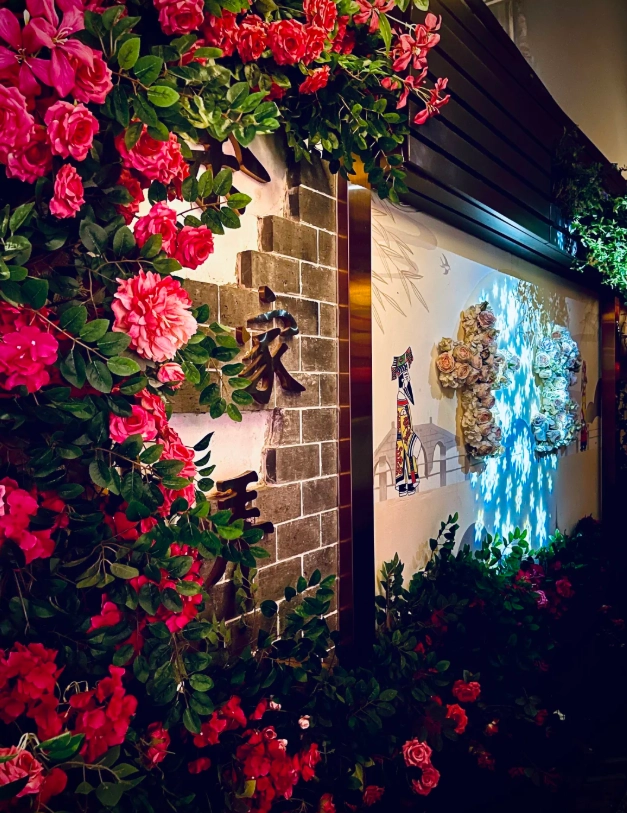
How to Get to Qibao Ancient Town at Night
The metro is the easiest way. Take Shanghai Metro Line 9 to Qibao Station. Use Exit 2. From there, it's a well-signed 5-7 minute walk south to the main entrance archway. The last trains run around 11 PM, so you have plenty of time. Taxis or ride-hailing apps (Didi) are also straightforward for return, especially if you're staying elsewhere in Minhang or Xuhui district.
My personal tip: Wear comfortable shoes with good grip. The stone paving can be uneven and slick, especially near the canals where moisture gathers. And carry cash. While most vendors accept WeChat Pay or Alipay, some of the smaller, older stalls might prefer cash (RMB), and having small bills makes transactions faster.
Your Qibao Night Visit Questions Answered
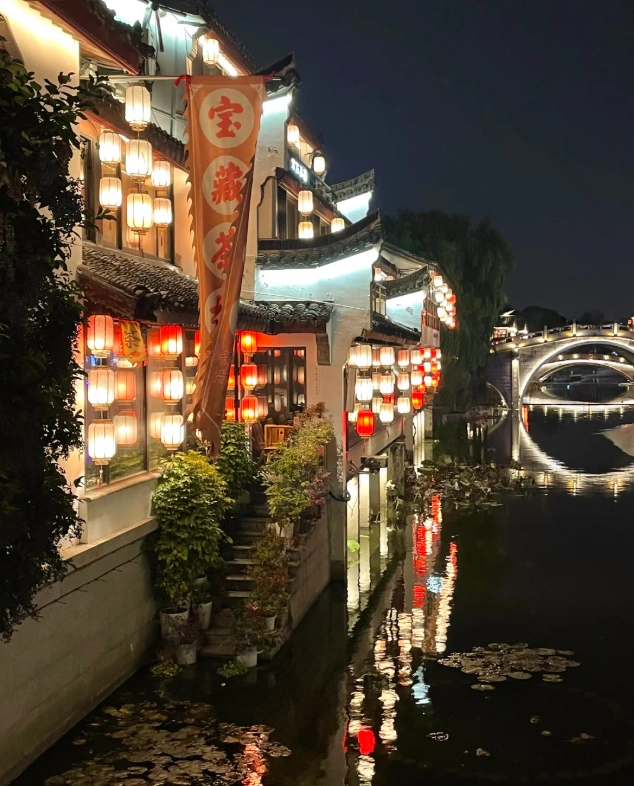 Wandering Qibao Ancient Town after dark corrected my first impression. It’s not just a smaller, more commercial version of other water towns. The night reveals its personality—a bustling, flavorful, and photogenic local hangout. It’s a reminder that some places save their best for when the sun goes down.





No comments yet.