 Hui Lin
Let me cut to the chase. If you're looking for a picture-perfect, serene hutong experience, Nanluoguxiang might disappoint you. But if you want a lively, albeit touristy, slice of Beijing's old alleyway life with modern twists, it's worth a few hours of your time. I've wandered through it multiple times, and here's what I really think.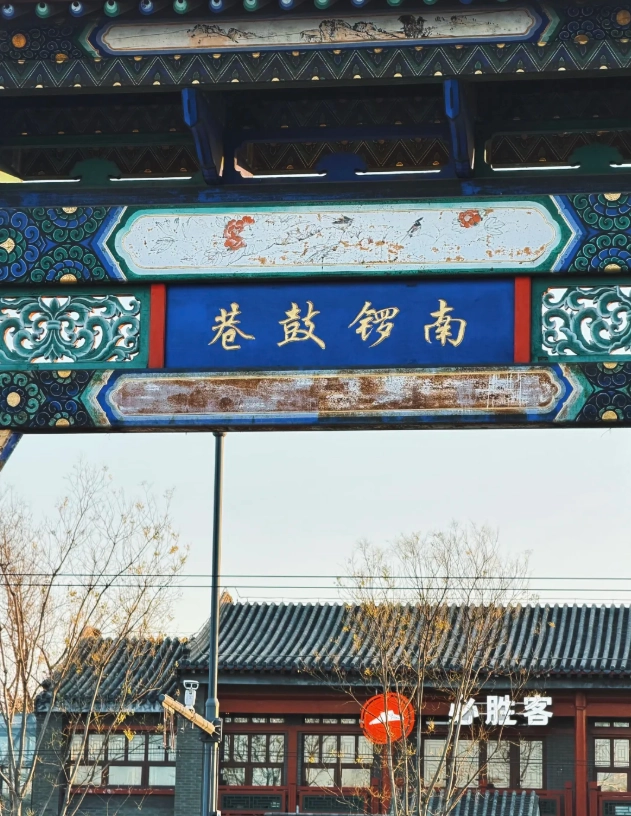
What's Inside This Guide
What Exactly is Nanluoguxiang?
Nanluoguxiang is a famous hutong (traditional alleyway) in Beijing's Dongcheng District. It runs north-south for about 800 meters, dating back to the Yuan Dynasty. Once a residential area, it's now a bustling pedestrian street lined with shops, cafes, and bars. The name means "South Drum Alley," referencing its historical role. But today, it's more about tourism than tradition.
I remember my first visit. The moment I stepped in, the mix of old brick walls and neon signs hit me. It's a place where history meets hipster culture. But don't expect a museum-like preservation. It's alive, chaotic, and constantly changing.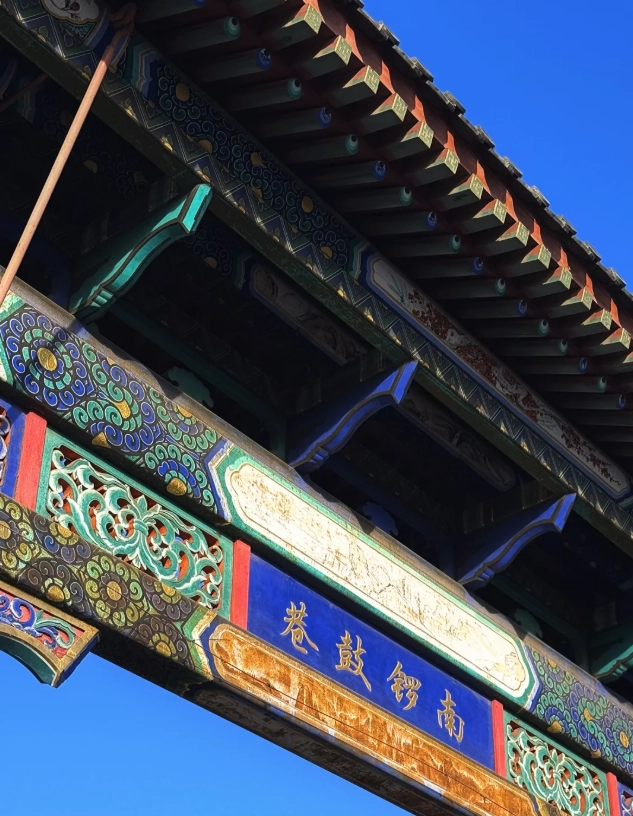
The Upsides and Downsides of Visiting Nanluoguxiang
Whether Nanluoguxiang is worth it depends on your travel style. Here's a breakdown.
The Good Stuff: Why You Might Love It
First, the atmosphere. Despite the crowds, you can still catch glimpses of authentic hutong life. I once peeked into a courtyard where an elderly resident was flying a kite. Those moments feel real.
The variety of shops is impressive. From handmade jewelry stores to indie bookshops, there's something for everyone. I found a tiny tea shop selling rare pu'erh, and the owner spent an hour explaining the blends. That kind of personal interaction is rare in bigger tourist spots.
Food-wise, it's a mixed bag, but you can find gems. Look for small stalls selling jianbing (Chinese crepes) or lamb skewers. They're cheap and tasty. I tried a jianbing from a vendor near the north entrance, and it was the best I've had in Beijing—crispy, with just the right amount of sauce.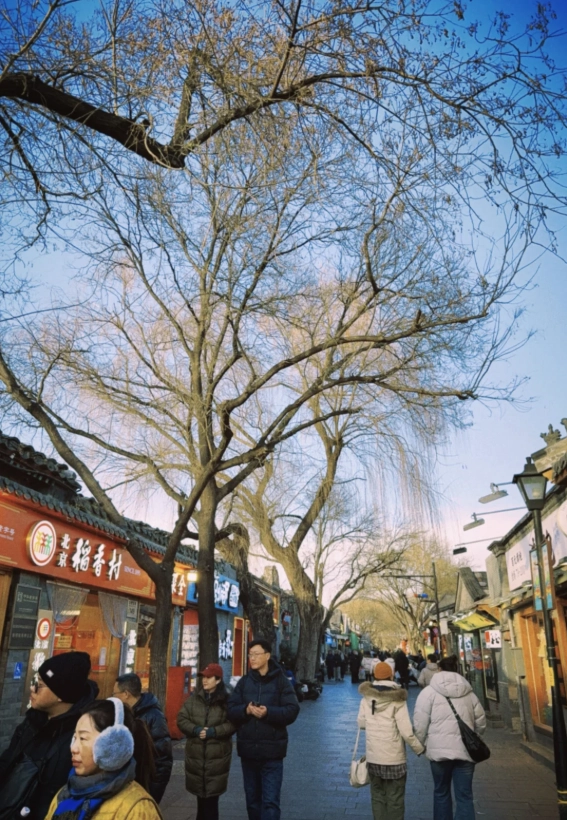
The Not-So-Good Stuff: What Could Turn You Off
Now, the downsides. Crowds are a major issue. On weekends, it feels like a human river. I visited on a Saturday afternoon and could barely move. If you hate packed spaces, avoid peak times.
Commercialization is another problem. Many shops sell mass-produced souvenirs—think Mao badges and plastic toys. It can feel like a tourist trap. I walked into a store promising "authentic calligraphy," only to find cheap prints. That was a letdown.
Noise levels are high. With blaring music from bars and constant chatter, it's not a peaceful retreat. If you seek quiet, you'll need to venture into the side alleys, which I'll cover later.
Getting There and Practical Details
Here's the essential info to plan your visit. Nanluoguxiang is free to enter, open 24/7, but shops generally operate from 9 AM to 10 PM. The address is Nanluoguxiang, Dongcheng District, Beijing, China. For navigation, use maps like Baidu or Google, but note that Google Maps can be spotty in China.
Transportation is straightforward. Here's a table comparing options:
| Mode | Details | Approx. Time/Cost |
|---|---|---|
| Metro | Line 5, Zhangzizhonglu Station, Exit A, then 10-minute walk south | 20 mins from city center, ¥5 |
| Bus | Routes 13, 42, 113, 118, stop at Nanluoguxiang | Varies, ¥2 per ride |
| Taxi | Direct to Nanluoguxiang entrance; tell driver "Nanluoguxiang" | 15-30 mins, ¥20-50 depending on traffic |
| Walking | From nearby sites like the Forbidden City or Beihai Park | 30-40 mins, scenic route through hutongs |
Parking is nearly impossible, so I don't recommend driving. The best time to visit is on weekday mornings, around 9 AM to 11 AM. That's when it's least crowded, and shops are just opening. Evenings are lively but packed.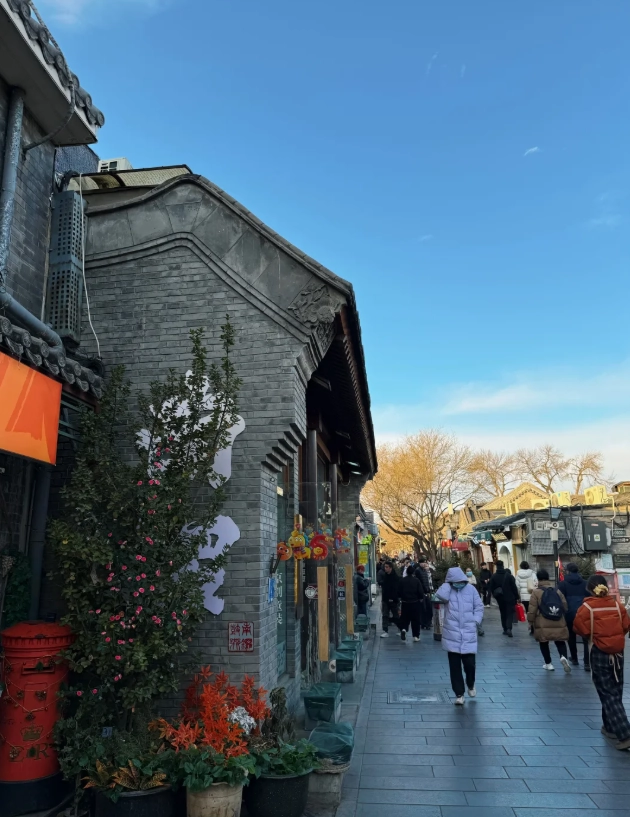
Insider tip: After exiting the metro, don't follow the main crowd. Take a left into the smaller alleys first. You'll see more local life and fewer tourists.
A Walk Through the Lane: What to See and Do
Let's break down what you can actually do here. I'll focus on spots I personally enjoyed.
Top Attractions Along the Lane
Start from the south entrance. The first notable point is the ancient drum tower replica, but it's mostly decorative. More interesting are the side alleys branching off. I recommend exploring Mao'er Hutong, which is quieter and has traditional courtyard homes. You might see residents playing chess or drying laundry.
Further north, look for the small temple dedicated to Guan Yu. It's easy to miss, tucked behind a souvenir shop. I stumbled upon it and found it peaceful, with incense smoke lingering in the air.
For art lovers, there are several galleries showcasing local artists. One I liked is near the middle of the lane, with rotating exhibitions. The owner told me she sources pieces from nearby art schools.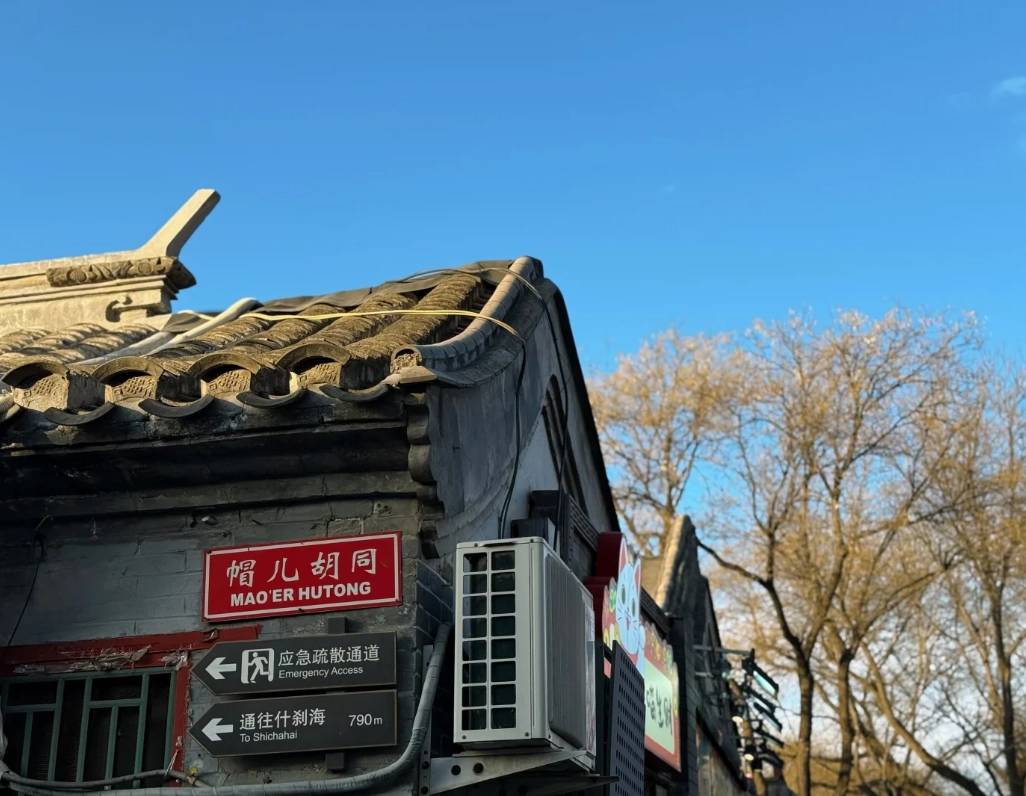
Food and Drink Highlights
Food is a big draw, but quality varies. Here are my picks:
- Jianbing Stall: Located near the north entrance, open from 7 AM to 2 PM. A basic jianbing costs ¥8. It's crispy and fresh.
- Lamb Skewers: Several vendors along the lane; look for ones with a queue. I paid ¥10 for three skewers. They're grilled over charcoal, giving a smoky flavor.
- Cafes: There are countless cafes. I visited one called "Pass By Bar" that serves decent coffee and has a rooftop view. A latte costs ¥35. It's overpriced, but the ambiance is nice for a break.
- Local Eateries: For a full meal, try a small restaurant serving Beijing noodles. One I tried had hand-pulled noodles for ¥25. The broth was rich, though a bit salty.
Avoid the generic fast-food chains. They're everywhere but not worth it.
Shopping Recommendations
Shopping can be fun if you know where to look. I suggest focusing on unique items:
- Handicrafts: Look for shops selling paper-cuttings or clay figurines. I bought a small paper-cutting for ¥20 as a souvenir.
- Clothing: Some boutiques offer modern designs with traditional elements. Prices range from ¥100 to ¥500.
- Antiques: Be cautious—many are reproductions. I saw a "Ming vase" for ¥200, which screamed fake. Only buy if you're an expert.
Bargaining is possible in some stores, but don't expect huge discounts. I managed to get 10% off a silk scarf by chatting with the seller.
My Personal Nanluoguxiang Diary
To give you a real sense of what it's like, here's a snapshot from my last visit. I went on a Thursday morning in early autumn. The air was crisp, and the lane was relatively empty.
I started at the south end, grabbing a jianbing from my favorite stall. The vendor remembered me from a previous visit and added extra cilantro. That small gesture made my day.
As I walked north, the crowds thickened. By 11 AM, tour groups arrived, and the noise level rose. I ducked into a side alley called Ju'er Hutong. Suddenly, it was quiet. I saw an old man flying a kite, kids playing hopscotch, and laundry fluttering on lines. This felt like the real Beijing.
Back on the main lane, I visited a tea shop. The owner invited me for a tasting. We spent an hour discussing different teas, and I learned about the fermentation process of pu'erh. It was educational and relaxing, away from the hustle.
By afternoon, I was tired of the crowds. I headed to a cafe for a coffee break. The latte was okay, but the people-watching was entertaining. I saw tourists posing for photos, locals rushing by, and street performers playing erhu.
Would I do it again? Yes, but only on a weekday morning. The experience is what you make of it. If you stick to the main lane, it's touristy. If you explore the sides, it's rewarding.
Your Questions Answered (FAQ)
 This article is based on my personal visits and information verified from reliable sources such as the Beijing Tourism Administration and local cultural reports. Facts have been cross-checked for accuracy.





No comments yet.