 Wei Zhang
Jump Straight to What You Need
- Why Visit Kunming Western Hills?
- How to Get There: Transport Options Decoded
- Tickets, Times, and Need-to-Know Details
- Mapping Your Visit: The Best Routes for Different Travelers
- Secrets of the Western Hills: Spots Most Tourists Miss
- Eating Near the Hills: Where to Refuel
- What Not to Do: Common Mistakes and How to Avoid Them
- Frequently Asked Questions
Hey, I've been guiding tours around China for over a decade, and if there's one place in Kunming that always surprises visitors, it's the Western Hills. Let's cut to the chase: most people show up, ride the cable car, snap a photo, and leave. They miss the soul of this place. I'm here to make sure you don't. This isn't just a mountain—it's a living legend, a hiking paradise, and a viewpoint that'll steal your breath. I've taken everyone from solo backpackers to families with kids, and I'll share exactly how to do it right, without the crowds or confusion.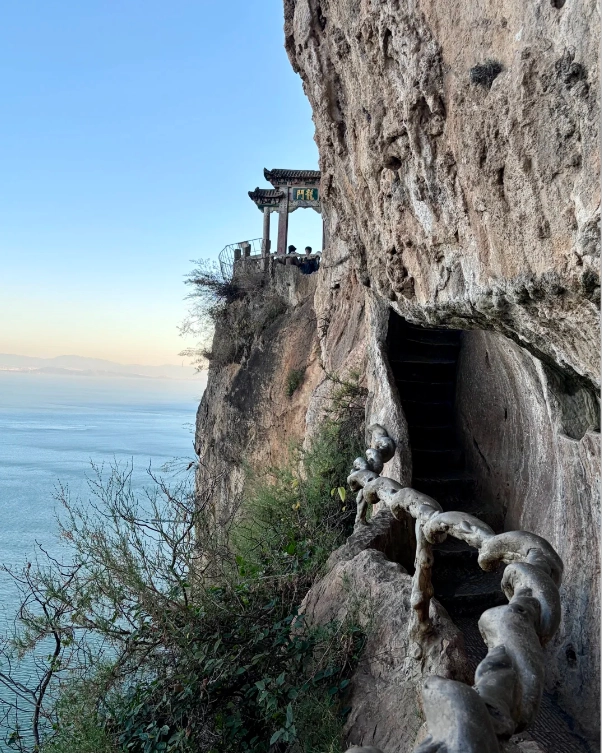
Why Visit Kunming Western Hills?
First off, forget calling it just a hill. Locals know it as the Sleeping Beauty Mountain because from across Dianchi Lake, the silhouette looks like a woman lying down. There's a story there, but I'll save it for when you're on the trail. What matters is this: the Western Hills offer a mix of ancient Taoist temples, lush forests, and panoramic views of Kunming and Dianchi Lake that you won't find anywhere else in Yunnan. I've seen visitors spend hours here just soaking it in. But here's the kicker—most tourists stick to the main path. As a guide, I always sneak my groups into the quieter corners where the real magic happens.
The Legend of the Sleeping Beauty
Let me tell you a quick tale. Legend says a princess turned into this mountain out of love. It's cheesy, but when you're hiking, you'll spot rock carvings and temples that bring it to life. Personally, I think the best part is how the light changes—mornings are misty and mystical, afternoons are clear and bright. Once, I brought a photographer from Canada who insisted on arriving at sunrise. We had the whole place to ourselves, and the photos were unreal. That's the kind of experience I want for you.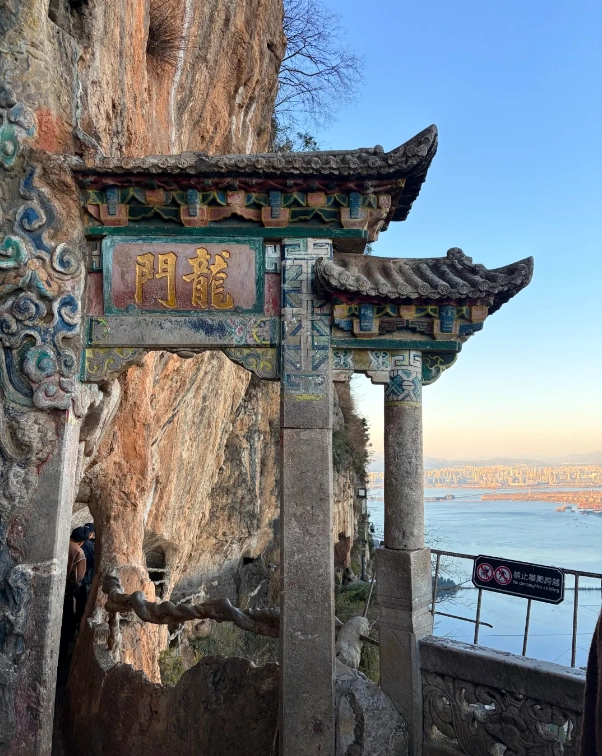
How to Get There: Transport Options Decoded
Getting to the Western Hills is straightforward, but pick the wrong option and you'll waste time. Based on my trips, here's the breakdown.
By Bus: The Budget-Friendly Choice
Take bus line A1 or A9 from Kunming city center. They drop you at the Western Hills Bus Stop. From there, it's a 10-minute walk to the entrance—look for the stone archway with Chinese characters (I'll spell it: Xi Shan). Cost is about 2 RMB per person. Buses run every 15 minutes from 6:30 AM to 8:00 PM. Pro tip: Avoid rush hour (7-9 AM and 5-7 PM) unless you enjoy squeezing in with locals. I once took a group on the A1, and we got there in 40 minutes from Green Lake Hotel.
By Taxi or DiDi: Door-to-Door Convenience
Hail a taxi or use DiDi (China's ride-hailing app). From downtown Kunming, like near Jinma Biji Archway, it costs around 40-60 RMB and takes 30 minutes without traffic. Tell the driver "Xi Shan" and they'll know. But here's a secret: many drivers will drop you at the lower cable car station, which is fine if you want to ride up. If you prefer to hike, insist on the main entrance at Huating Temple. I've had tourists get confused, so double-check.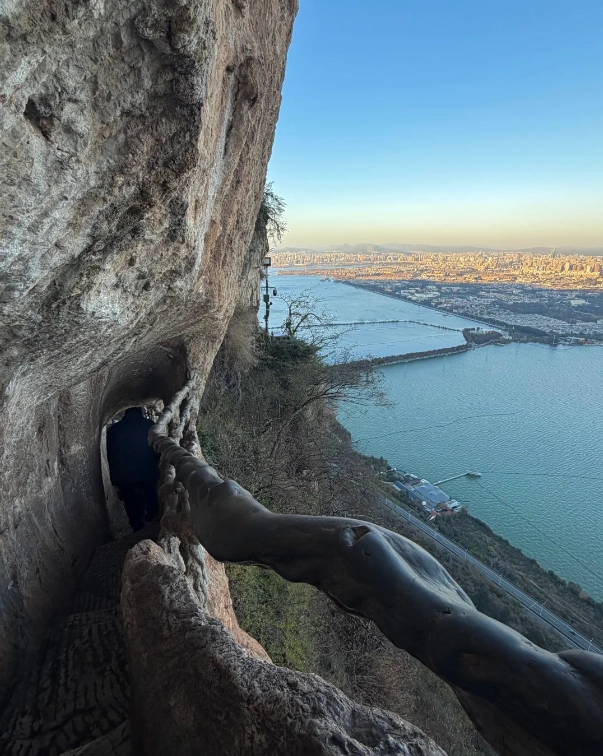
By Cable Car: The Scenic Route Up
The cable car starts from near Haigeng Park. A one-way ticket is 60 RMB for adults, 30 RMB for kids under 1.4 meters. It runs from 8:30 AM to 5:30 PM. The ride is gorgeous—you glide over trees and get a bird's-eye view of Dianchi Lake. But queues can be insane on weekends, sometimes over an hour. I always advise going on a weekday morning. Last month, I took a family from the US who skipped the line by arriving at 8:15 AM. They had the cable car almost to themselves.
Tickets, Times, and Need-to-Know Details
Don't show up blind. Here's the essential info I give every tour group.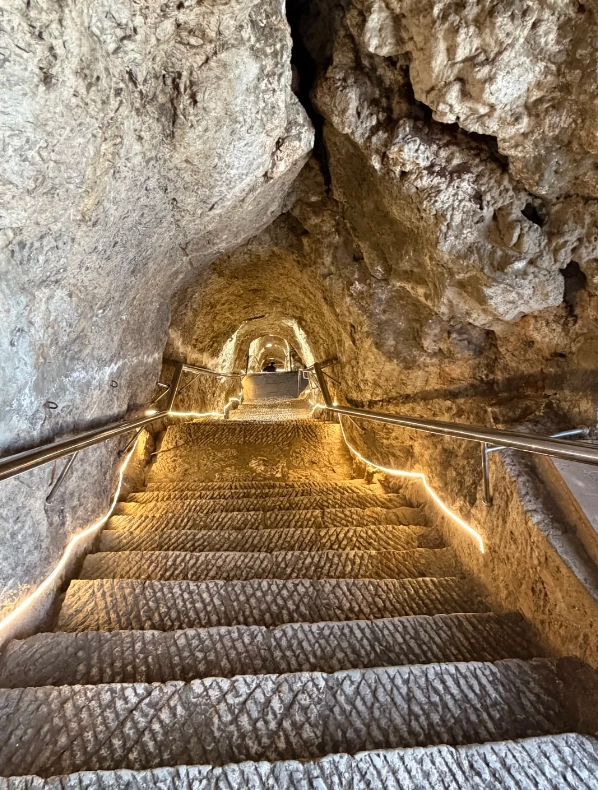
| Item | Details | Notes from My Experience |
|---|---|---|
| Entrance Ticket | Adult: 40 RMB; Child (1.2-1.4m): 20 RMB; Senior (60+ with ID): Free | Buy at the gate or via WeChat mini-program "Kunming Travel". No need to pre-book except holidays. |
| Opening Hours | 8:00 AM to 6:00 PM daily; Last entry at 5:00 PM | In winter (Nov-Feb), sometimes closes at 5:30 PM. Check weather—rainy days might have early closure. |
| Best Time to Visit | Weekday mornings (8-10 AM) or late afternoons (3-5 PM) | Avoid weekends if possible. I've seen crowds triple on Saturdays. |
| Suggested Duration | 3-4 hours for a relaxed hike; 2 hours if using cable car both ways | Most tourists rush through in 2 hours. Take your time—the trails are worth it. |
| Address | Xishan District, Kunming, Yunnan, China (near Dianchi Lake) | GPS coordinates: 24.9575° N, 102.6382° E. Use Google Maps or Baidu Maps. |
| Accessibility | Partial wheelchair access via cable car and paved paths; steep sections elsewhere | I've guided elderly visitors—the cable car helps, but some temples have steps. Plan accordingly. |
My Personal Check: Always carry cash (some stalls don't take cards), wear comfy shoes (the stone steps are slippery when wet), and bring water. There are vendors, but prices double at the top. I once saw a tourist pay 20 RMB for a bottle that costs 5 RMB below.
Mapping Your Visit: The Best Routes for Different Travelers
One size doesn't fit all. Here's how I tailor trips based on time and energy.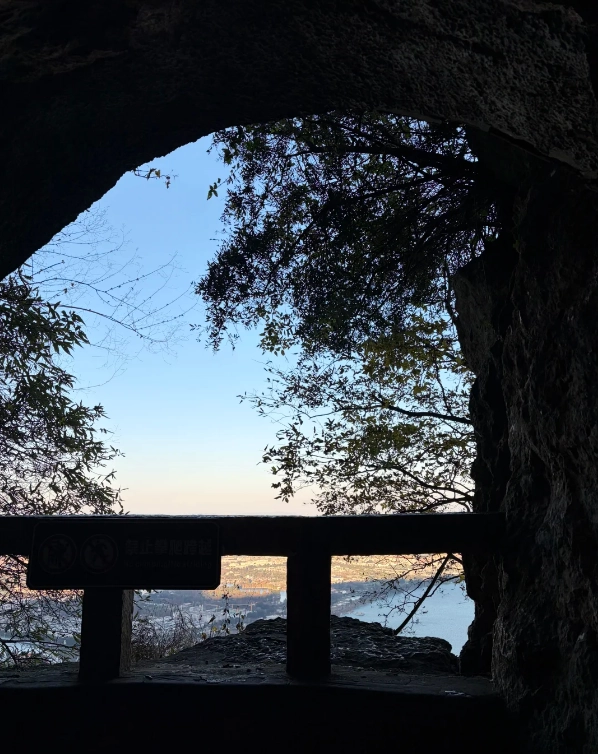
The 24-Hour Blitz: For the Time-Pressed
If you're in Kunming for a day, here's my go-to plan. Start at 8:00 AM: take a taxi to the main entrance (Huating Temple). Buy tickets, then hike up for 1.5 hours via the forest trail—it's shaded and quiet. Reach the Dragon Gate by 10:00 AM for the best photos (light is perfect). Spend 30 minutes there, then take the cable car down to Haigeng Park by 11:30 AM. Grab lunch at a nearby spot (I'll recommend later). Total cost: around 150 RMB per person. I did this with a businessman from London last year—he said it was the highlight of his trip.
The Leisurely Explorer: A Full-Day Adventure
For those with time, start early at 7:30 AM. Enter at Huating Temple, explore the temple complex (donation of 10 RMB optional). Then hike slowly up, stopping at spots like Sanqing Pavilion and the rock carvings. Reach the top by noon, have a picnic (bring your own—I always pack local fruits). Descend via a different path to see the Lesser Western Hills area. Finish by 4:00 PM. This route lets you soak in the culture without rushing. I've taken families this way, and the kids love the hidden caves.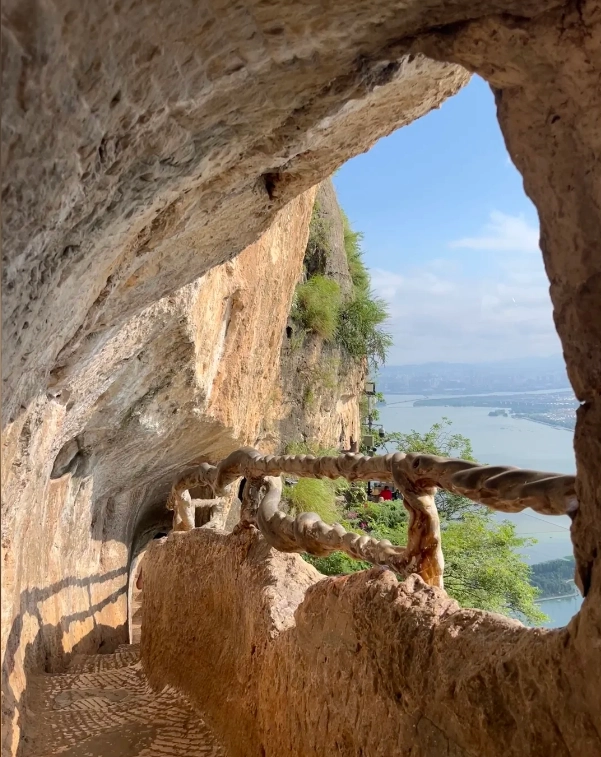
Secrets of the Western Hills: Spots Most Tourists Miss
Okay, this is where my guide experience pays off. Everyone goes to the Dragon Gate, but here are my favorite under-the-radar spots.
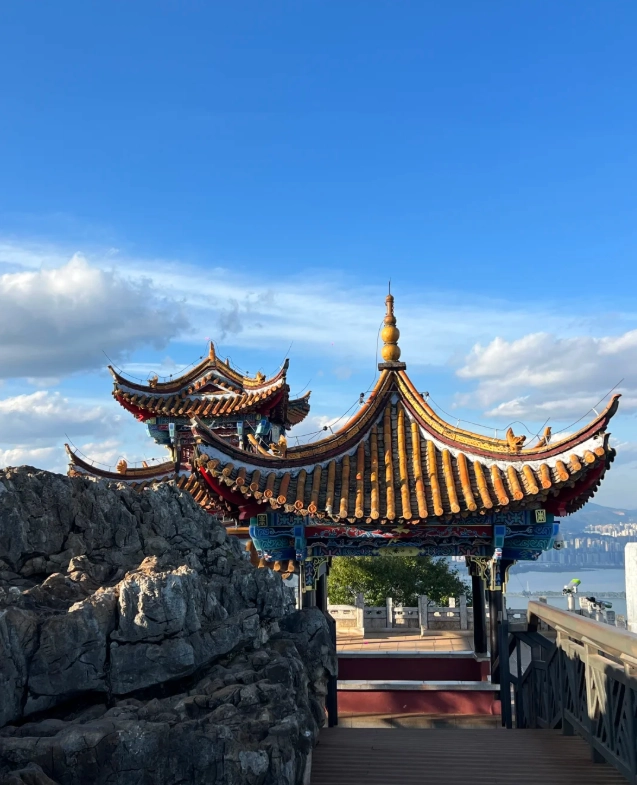
The Quiet Pavilion: After the Dragon Gate, instead of turning back, take a small path to the left. It leads to a pavilion called Jingxiu Ting. I've rarely seen tourists here. The view of Dianchi Lake is unobstructed, and it's perfect for a quiet break. Last fall, I brought a couple here for sunset—they said it felt like their private paradise.
Ancient Tree Grove: Near Sanqing Temple, there's a cluster of old cypress trees. Locals believe they bring luck. It's not on most maps, but ask a vendor for "lao shu lin". I always point it out because the shade is heavenly on hot days.
Photo Angles: For Instagram-worthy shots, avoid the crowded Dragon Gate ledge. Instead, go to the viewing platform near the cable car station—it's less packed, and you get the mountain in the background. I tell my groups: morning light is soft, afternoon light is harsh. For selfies, stand with Dianchi Lake behind you around 9 AM.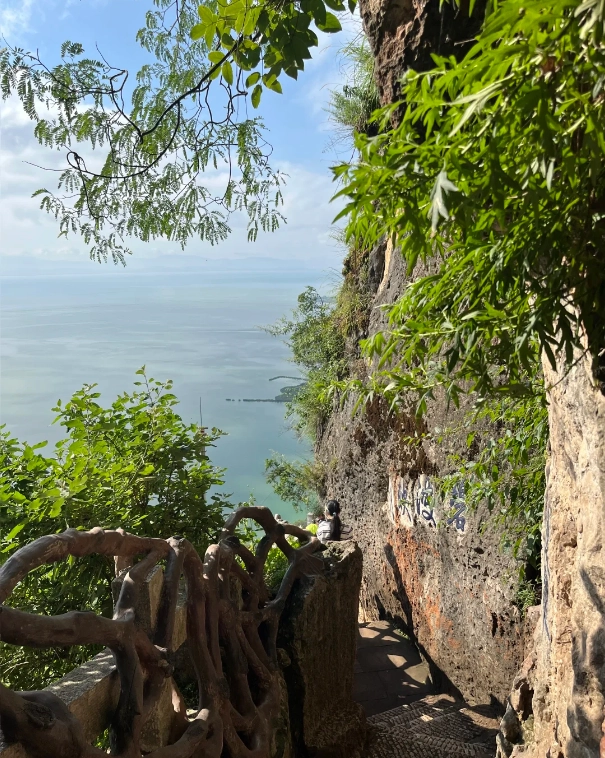
Eating Near the Hills: Where to Refuel
Don't eat at the touristy stalls inside—they're overpriced and mediocre. Here are my top picks after years of tasting.
Yunnan Folk Restaurant: Located at 123 Dianchi Road, a 5-minute walk from the Haigeng Park cable car station. They serve authentic Yunnan dishes like Guoqiao Mixian (crossing-the-bridge noodles). My must-order: the mushroom hotpot. Cost: 50-80 RMB per person. Open 10:30 AM to 9:30 PM. They have an English menu with pictures, and accept international credit cards. I've taken groups here, and the staff knows me—they'll give you extra tea if you mention "the guide".
Local Snack Street: Near the bus stop, there's a small alley with vendors. Try the grilled tofu (5 RMB) and sweet rice cakes (3 RMB). It's cash-only, but worth it. I always grab a snack here before heading up. Peak time is noon, so go early or late.
Vegetarian Options: At Huating Temple, there's a simple vegetarian meal for 20 RMB. It's basic—rice with veggies—but filling. Good for a quick bite if you're hiking.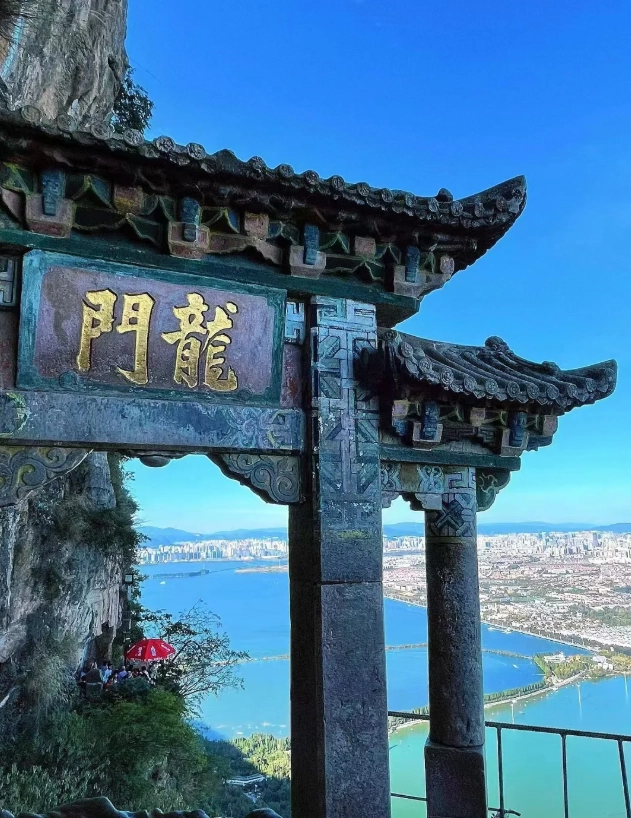
What Not to Do: Common Mistakes and How to Avoid Them
I've seen it all. Here's my list of blunders to skip.
Mistake 1: Going at noon. The sun is brutal, and everyone's there. Instead, aim for early morning or late afternoon. I've had tourists get sunburned because they ignored this.
Mistake 2: Wearing fancy shoes. The paths are uneven and sometimes wet. I once had a client in heels—she ended up renting slippers for 10 RMB. Just wear sneakers.
Mistake 3: Not carrying water. There are shops, but they're sparse on the trails. Bring at least 1 liter per person. I always pack extra for my groups.
Mistake 4: Missing the last cable car. If you hike up and plan to ride down, note the last cable car is at 5:30 PM. I've had to help stranded tourists find a taxi down—it's costly and stressful.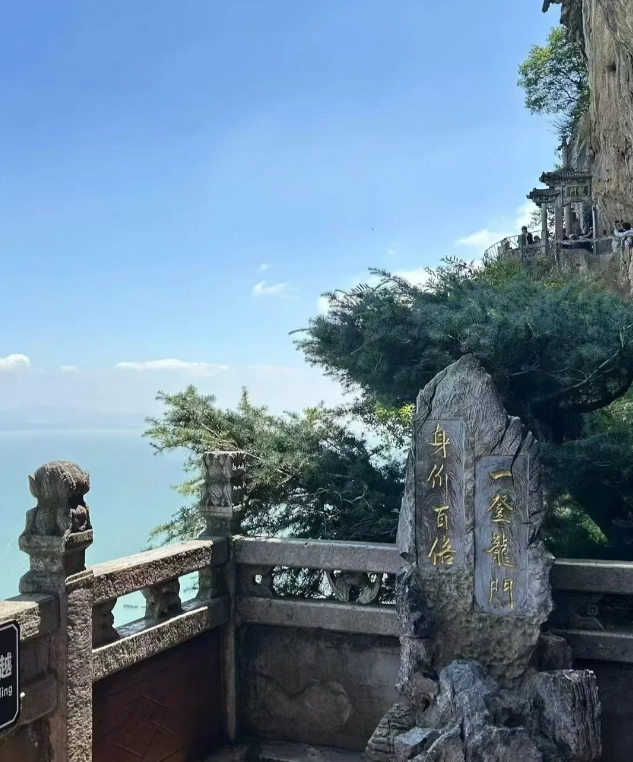
My Rule of Thumb: Check the weather before you go. Rain can make trails slippery, and fog might ruin views. On drizzly days, I recommend indoor alternatives like the Yunnan Nationalities Museum nearby.
Frequently Asked Questions
 There you have it—my complete guide to Kunming Western Hills. I've poured years of on-the-ground experience into this, so you can explore with confidence. Remember, travel is about the moments between the sights. Take it slow, chat with the locals, and let the mountain's story unfold. If you follow these tips, you'll leave with more than just photos—you'll have memories that last. Safe travels!
This article has been fact-checked based on my personal visits and updates from local authorities.







No comments yet.