 Wei Zhang
Let's cut to the chase. You've probably seen the pictures—cobblestone streets, traditional Bai architecture, and the Cangshan Mountains in the background. But after ten years of guiding families, solo travelers, and everyone in between through Dali Ancient City, I can tell you most online guides miss the mark. They send you to the crowded main drag at noon, recommend overpriced tourist restaurants, and leave you wondering what the real fuss is about. This isn't that guide. Think of me as your friend on the ground, here to give you the unfiltered, practical know-how that turns a good trip into a great one. We'll cover everything from sneaking past the crowds to where the locals actually eat, all based on my boots-on-the-ground experience.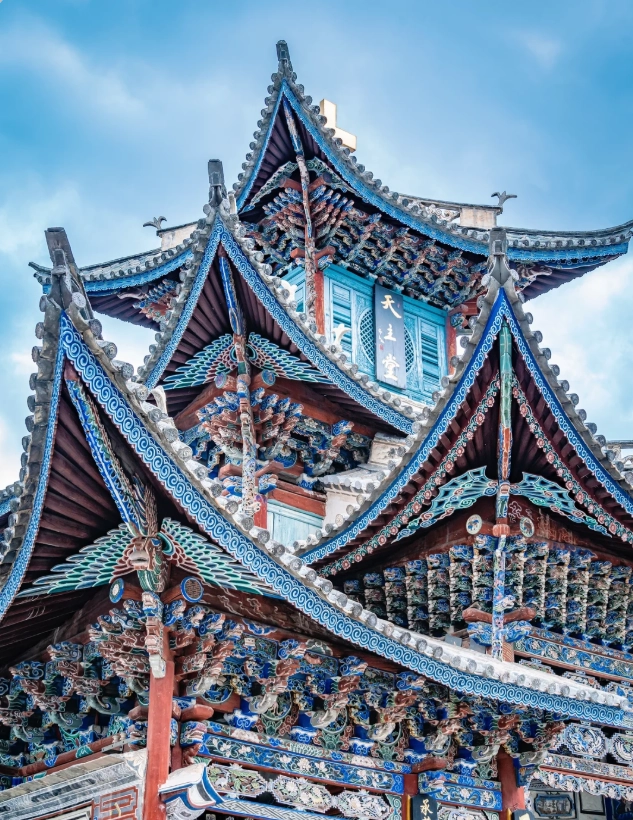
Your Jump-Start Guide to Dali Ancient City
- What is Dali Ancient City and Why You Should Care
- How to Get to Dali Ancient City: No-Nonsense Transport
- Top Things to Do and See (Beyond the Obvious)
- Dali Ancient City Food Guide: Eat Like a Local
- Where to Stay: Accommodation for Every Traveler
- The Perfect One-Day Itinerary: A Realistic Plan
- Common Mistakes to Avoid (Save Time & Money)
- Your Burning Questions Answered (FAQ)
What is Dali Ancient City and Why You Should Care
Dali Ancient City (Dali Gucheng) is the historic heart of the Bai ethnic minority culture in Yunnan. It's not a museum piece; it's a living, breathing town where people still live, work, and celebrate. The entire area is pedestrian-friendly, enclosed by ancient walls with gates. Most visitors make the mistake of treating it like a theme park—rushing from one photo spot to another. The real magic lies in the side alleys, the morning markets, and the slow pace. I remember taking a retired couple from Australia there last spring. They skipped the main street and spent an afternoon in a quiet courtyard sipping tea, chatting with a Bai artisan about tie-dye techniques. That, for them, was the highlight.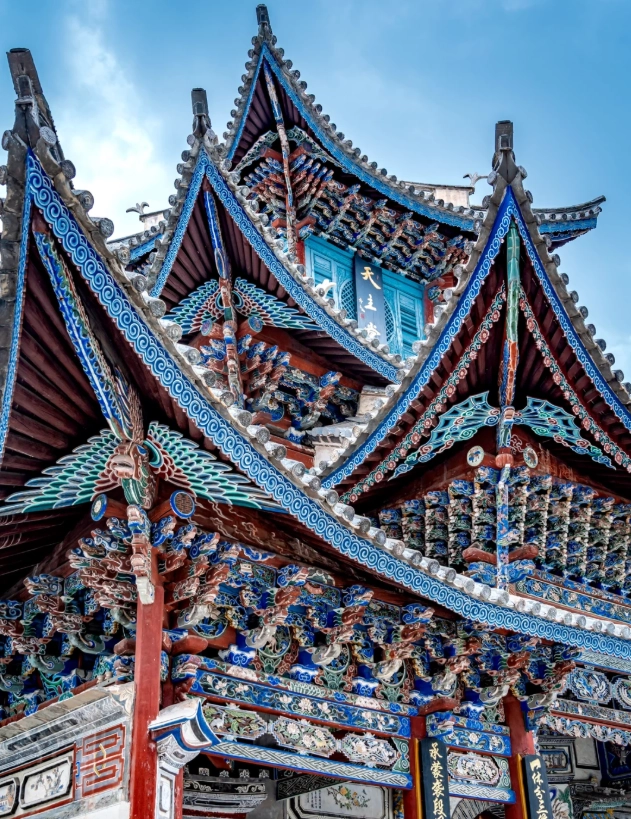
How to Get to Dali Ancient City: No-Nonsense Transport
Getting here is straightforward, but timing is everything to avoid frustration.
From Dali Airport (DLU) or Dali Train Station
Dali Airport is about 30 minutes away by car. No direct metro. Here's your playbook:
- Taxi: The easiest option. Cost is around 80-100 RMB from the airport, 40-50 RMB from the train station. Insist on using the meter or agree on a price before getting in. From the train station, walk out to the official taxi queue—ignore the touts.
- Public Bus: From Dali Train Station, take bus number 8. It costs 3 RMB, takes about 40 minutes, and drops you at the "Dali Gucheng" stop near the South Gate. The bus can be packed during peak hours (9-11 AM, 4-6 PM).
- Ride-Hailing: Didi works perfectly here. Often cheaper than taxis. Set your pickup point as the designated area outside the airport arrivals. A ride from the airport should cost 70-90 RMB.
If you're coming from Kunming, the high-speed train (about 2 hours) to Dali Station is your best bet. Book tickets in advance on Trip.com or the official China Railway website.
Getting Around the Ancient City
Once inside, it's all walking. The main streets are flat, but some side alleys have slight inclines. For tired feet, electric sightseeing carts ply the main routes for about 20-30 RMB per person for a short tour—negotiate. I don't recommend them for serious exploration; you'll miss the details.
Top Things to Do and See (Beyond the Obvious)
Forget just ticking off landmarks. Let's talk experiences.
Must-Visit Attractions with Insider Angles
- Foreigner Street (Yangren Jie): Yes, it's touristy, but it's also the cultural hub. Go early (before 10 AM) to enjoy the quiet architecture, not the souvenir shops. The Catholic Church at the end is a peaceful spot most rush past.
- Chong Sheng Temple Three Pagodas (San Ta): The iconic postcard view. The pagodas are outside the ancient city's north gate, a 15-minute walk. Entrance fee: 75 RMB for adults, 37 RMB for students/children (6-18), free for seniors over 70 with ID. No need to book ahead; buy at the gate. Best photo time? Late afternoon when the sun lights them up from the west. Morning shots are backlit.
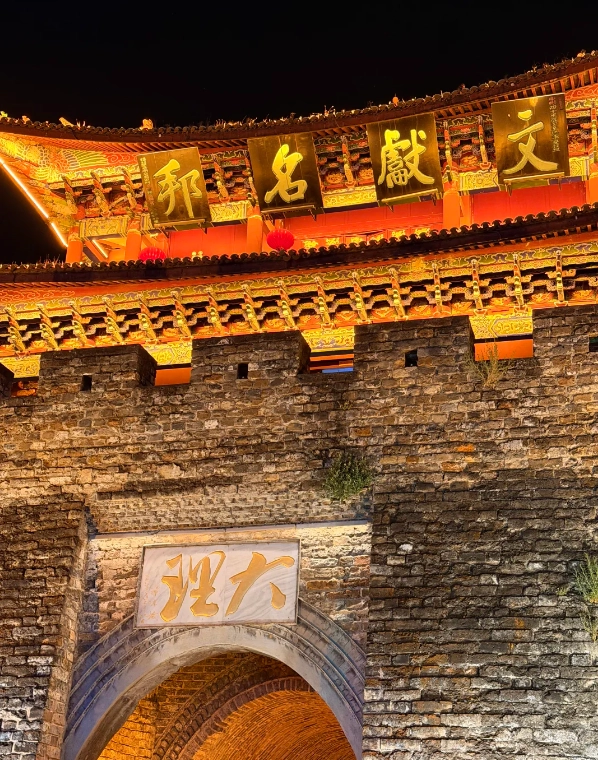
- Dali City Wall: Access is free at the South Gate (Wuhua Lou) and North Gate. Climb up for panoramic views. The section near the South Gate is less crowded than the North.
Hidden Gems Most Tourists Miss
This is where my guiding experience pays off for you.
- Morning Market at Beimen (North Gate): Every morning until about 11 AM, locals sell fresh produce, herbs, and snacks. It's raw, authentic, and a photographer's dream. I once bought wild mushrooms here and a friendly vendor taught me how to cook them.
- Backstreet Tie-Dye Workshops: Avoid the commercial studios on main street. Head to Zhoucheng Village, a 20-minute taxi ride away (about 30 RMB), or ask around in the alleys near Bo'ai Road for family-run workshops. You can try making your own scarf for 50-100 RMB.
- Quiet Teahouses on Honglongjing Well: Near the well (a historic site), small teahouses offer Yunnan pu'erh tea tastings for 30-50 RMB per person. It's a perfect afternoon break away from the bustle.
Dali Ancient City Food Guide: Eat Like a Local
The food scene is a mix of Bai specialties and Yunnan flavors. Many restaurants have English menus or picture menus, but here are my go-to spots.
| Restaurant / Stall | What to Order | Address / Landmark | Price Range (per person) | My Notes |
|---|---|---|---|---|
| Shuanglang Yuanwei | Grilled Erkuai (rice cake), Steam Pot Chicken | No. 42, Renmin Road, near the South Gate | 40-60 RMB | Small, family-run. No English menu, but point at pictures. Their chili sauce is addictive. Go before 7 PM to get a table. |
| Bai Family Courtyard Restaurant | Bai-style Three-Course Tea (a ritual), Rushan (cheese) | Off Fuxing Road, in a small courtyard (look for the blue sign) | 80-120 RMB | Reservation recommended for dinner. They explain the tea ceremony in basic English. A bit pricier but an authentic cultural experience. |
| Street Food: Jian Douhua | Jian Douhua (spicy tofu pudding) | Vendor usually at the corner of Huguo Road and Yeyu Road | 10-15 RMB | Only open from late morning to afternoon. It's spicy, so ask for "wei la" (mild) if needed. Cash only. |
Payment: Most established restaurants and hotels accept Alipay, WeChat Pay, and some take international credit cards (Visa/Mastercard). Smaller stalls and vendors are cash-only or mobile-pay only. Withdraw some RMB at ATMs (like Bank of China near the South Gate).
Where to Stay: Accommodation for Every Traveler
Staying inside the ancient city walls is the best experience. You're steps away from the morning calm and evening ambiance.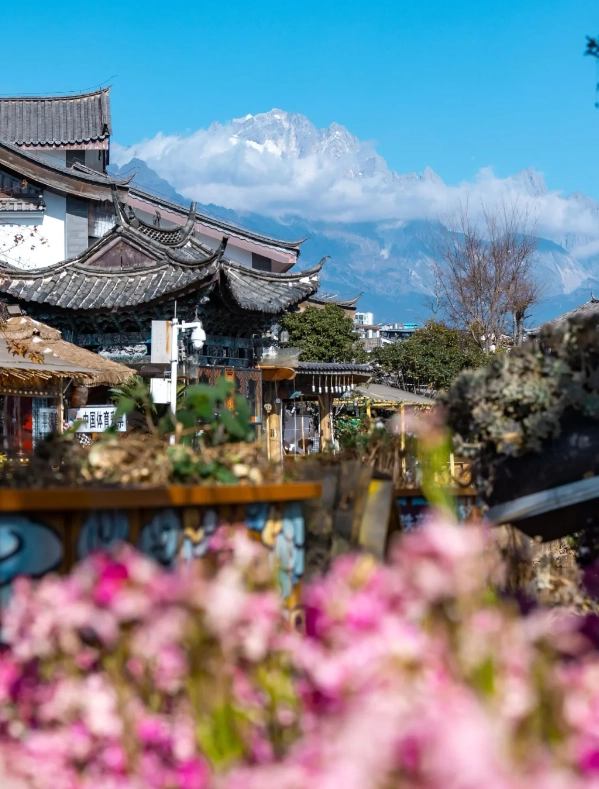
- For Budget Backpackers: Dali Old Town International Youth Hostel. Address: 56 Bo'ai Road. Dorm beds from 50 RMB, private rooms from 150 RMB. It's basic but clean, with a social vibe, free Wi-Fi, and luggage storage. The shared bathrooms can be a queue in the morning.
- For Families & Mid-Range Travelers: The Linden Centre. Address: Near the North Gate in a restored Bai courtyard. Rooms from 600 RMB/night. It's more than a hotel—it's a cultural center. They organize local tours, have English-speaking staff, and the courtyard is stunning. Book months in advance via their website or Booking.com.
- For Luxury Seekers: Songtsam Linka Dali. Located just outside the ancient city, a 5-minute walk to the walls. Rooms from 1200 RMB. Impeccable service, spa, and views of Cangshan. Perfect if you want comfort after a day of exploring.
All these places have elevators or are ground-level, but note that some traditional courtyard guesthouses might have steps. Ask about accessibility if needed.
The Perfect One-Day Itinerary: A Realistic Plan
Let's say you have only 24 hours. Here's how I'd structure it for maximum impact without burnout.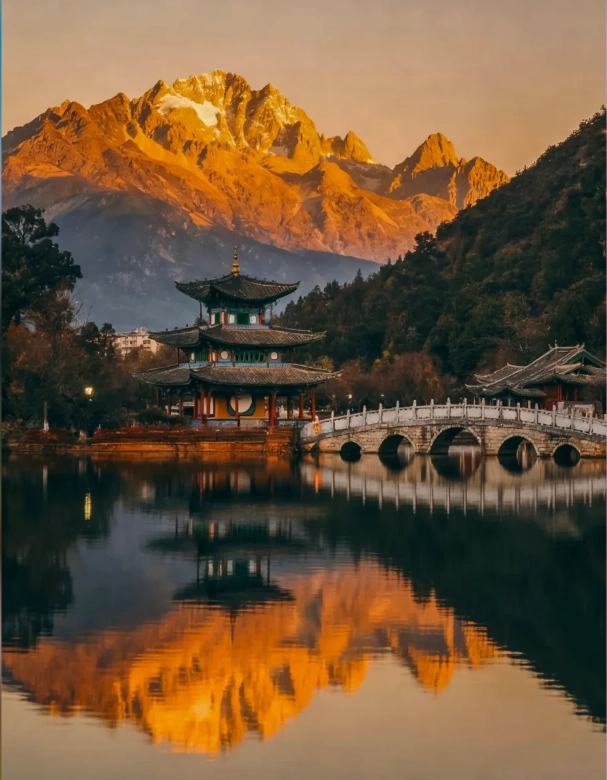
Morning (8:30 AM - 12:00 PM): Culture and Quiet
8:30 AM: Enter from the South Gate. The streets are empty, shops are just opening. Head straight to the morning market at Beimen (20-minute walk).
9:30 AM: Wander back via side alleys. Pop into a small temple like Wuhua Temple (free, donation box).
10:30 AM: Visit Chong Sheng Temple Three Pagodas. Spend an hour there. (Taxi from North Gate: 10 minutes, 15 RMB).
Travel Time Note: Walking from the market to the North Gate takes 15 minutes. The pagodas are a 5-minute walk from the gate.
Afternoon (12:30 PM - 5:00 PM): Food and Exploration
12:30 PM: Lunch at Shuanglang Yuanwei on Renmin Road.
1:30 PM: Explore Foreigner Street briefly, then escape to the backstreets for tie-dye viewing or a teahouse break.
3:00 PM: Walk the city wall from South Gate. It's shaded and breezy.
4:00 PM: If energy allows, take a taxi to Zhoucheng for a quick tie-dye workshop (30 minutes each way). Otherwise, find a cafe with Cangshan views.
Evening (6:00 PM onwards): Relaxation and Nightlife
6:00 PM: Dinner at Bai Family Courtyard Restaurant (book ahead).
7:30 PM: Stroll the lantern-lit streets. The bars on Honglongjing start live music around 8 PM. Try local Dali Beer.
Rainy Day Plan B: Skip outdoor walks. Visit the Dali Bai Autonomous Prefecture Museum (free, open 9-5) near the South Gate, then cozy up in a book cafe like The Bookworm on Fuxing Road.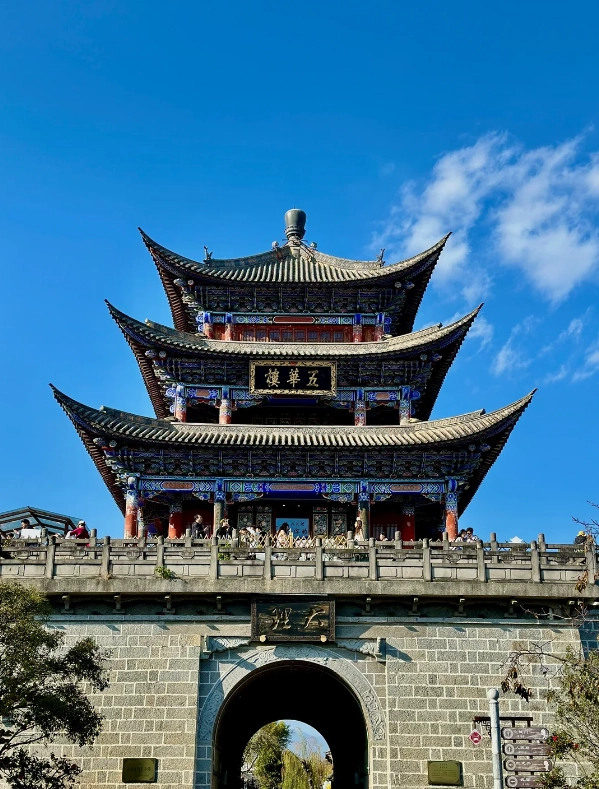
Common Mistakes to Avoid (Save Time & Money)
I've seen these too many times. Learn from others' errors.
- Mistake 1: Visiting at Midday. Between 11 AM and 3 PM, the main streets are packed with tour groups. It's hot, noisy, and unpleasant. Do your major exploring before 11 or after 4 PM.
- Mistake 2: Not Carrying Cash. While mobile pay is king, some small vendors, temples (for donations), and buses require cash RMB. I always keep 200-300 RMB in small bills.
- Mistake 3: Overlooking Altitude. Dali is about 2,000 meters above sea level. Sunscreen is non-negotiable—the UV is strong even on cloudy days. Also, walk slowly at first if you're not acclimated.
- Mistake 4: Expecting Nightlife Like Shanghai. Dali Ancient City winds down by 10:30 PM on weekdays. Bars close around midnight. It's a chill, not a party, town.

Your Burning Questions Answered (FAQ)
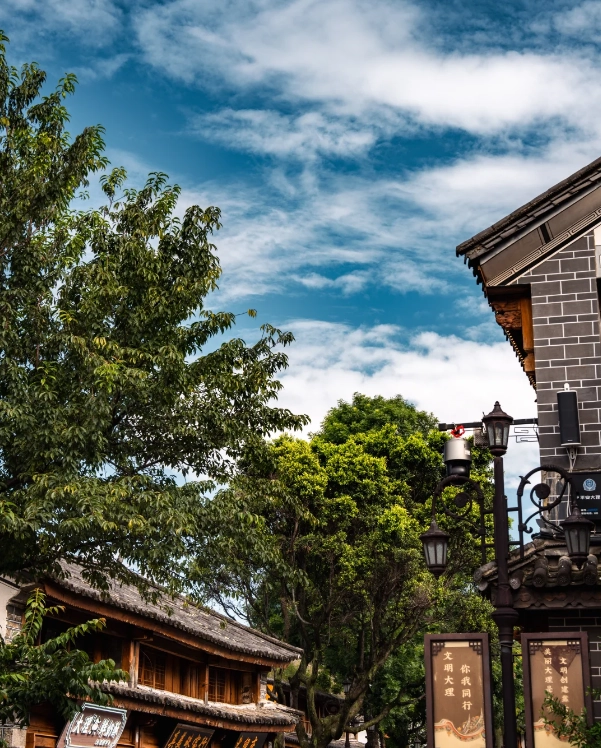 There you have it. Dali Ancient City isn't just a checklist; it's a feeling. It's the smell of pine from Cangshan mixing with street food, the sound of a Bai folk song from a hidden courtyard, and the warmth of a tea shared with strangers. Use this guide as your starting point, but don't be afraid to get lost in a quiet alley. That's where the real stories happen. This article is based on my personal experiences guiding hundreds of travelers through these streets, and I've fact-checked details like prices and locations as of my last visit.





No comments yet.