 Jian Zhao
Quick Bites & Navigation
My stomach was growling. I’d just spent the morning walking the dizzying heights of the Shimen Plank Road, tracing the path of ancient engineers along the cliff face. The scenery was epic, all misty gorges and emerald river bends. But as I got back on the bus to Hanzhong city center, one thought dominated: I need real food. Not the overpriced, lukewarm tourist lunches sold in boxes near the parking lot. I wanted what the bus driver was probably going home to eat.
That’s the thing about Shimen Plank Road. The attraction itself is a historical marvel, but the culinary reward lies 15 kilometers away in Hanzhong. The city is the unsung food capital of southern Shaanxi, a place where noodle culture meets Sichuan-inspired spice. Forget Xi'an; here, the flavors are sharper, the broths more complex, and the chili oil has a purpose beyond just heat.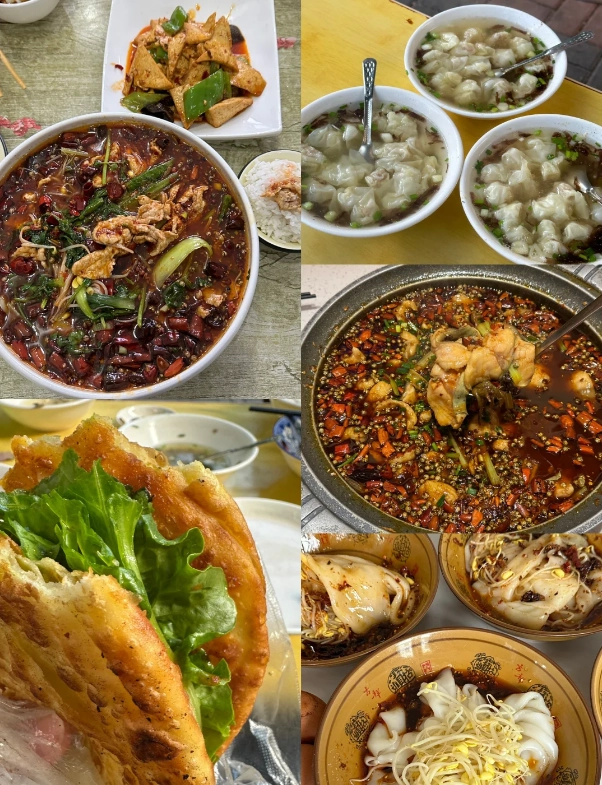
This guide isn't about the generic restaurants with English signs near the scenic area gate. It's about where you go after you've seen the stone inscriptions and walked the plank. It's the food that makes the trip complete.
Where to Eat: The City vs. The Scenic Area
Let's be blunt. Your best meal won't be at Shimen Plank Road itself. The onsite cafeterias serve functional fuel—think pre-made rice boxes, instant noodles, and boiled eggs. It's fine for a quick bite if you're starving, but it's not a culinary experience. A vendor might sell grilled corn or sausages, which can be a nice snack. Plan to have a solid breakfast in Hanzhong before you go, and save your appetite and your budget for dinner back in the city.
Hanzhong City is your target. The food scene is decentralized, woven into residential neighborhoods. You won't find a single "food street" packed with tourists. Instead, you'll find clusters of fantastic eateries a few blocks off the main drags. The atmosphere is local, loud, and unpretentious. Plastic stools, shared tables, the clatter of pots, and the sizzle of oil are the soundtrack.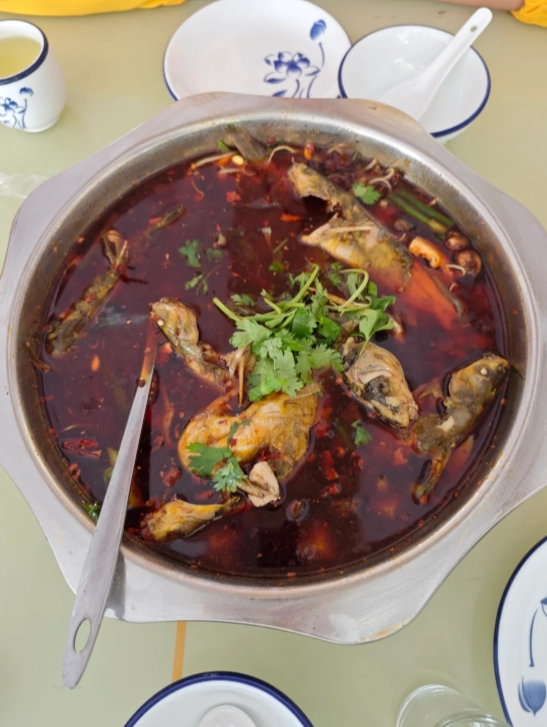
The Strategy: Visit Shimen Plank Road in the morning or early afternoon. Spend 3-4 hours there. Then, head back to Hanzhong. Your late lunch or early dinner (around 2-5 PM) is the perfect time to hit the local spots, missing the peak evening crowds. Use DiDi (China's Uber) or a taxi; it's cheap and direct.
Must-Try Dishes in Hanzhong
Hanzhong's cuisine sits in a delicious borderland. It's part of Shaanxi, so noodles are religion. But it's geographically and culturally close to Sichuan, so expect a liberal use of chili peppers, Sichuan peppercorns (that numbing "ma la" sensation), and pungent sauces. The result is food that's hearty but vibrant, savory with a kick.
| Dish (English / Chinese Pinyin) | What It Is | Flavor Profile & Key Detail |
|---|---|---|
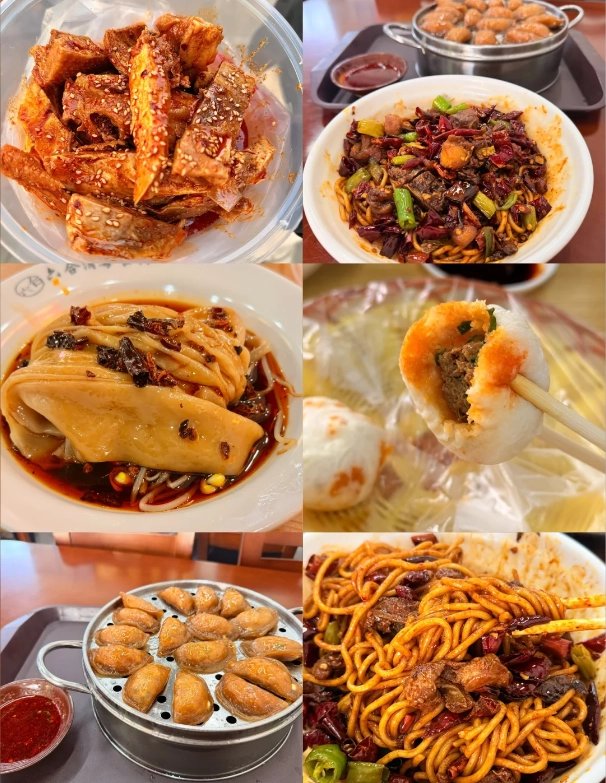
| Hanzhong Hot Skin Noodles / Re Mian Pi | The city's signature. Wide, silky-rice noodles served hot (not cold like other "mianpi"). | Savory, slightly sour, and spicy. The magic is in the chili oil and black vinegar broth. It's slurpy, comforting, and utterly addictive. Look for the noodle maker in the window. |
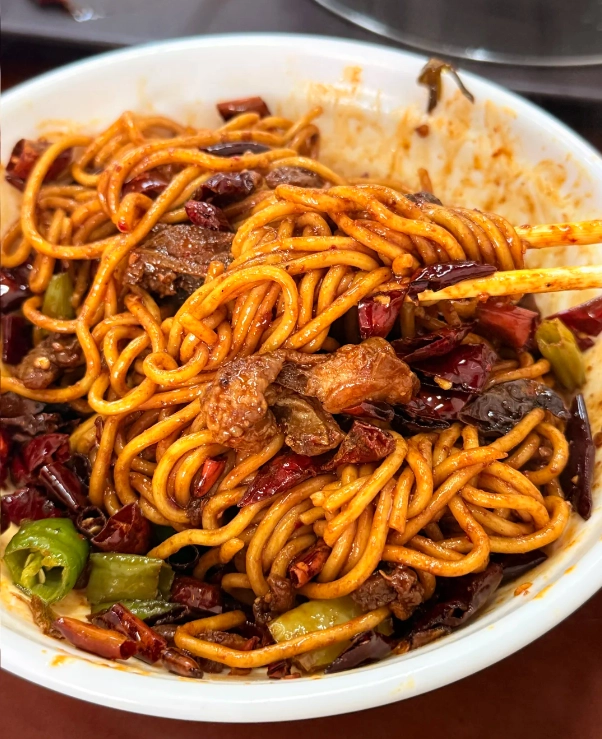
| Bang Bang Mian | Hand-pulled wheat noodles, named for the "bang bang" sound of making them. | Chewy, springy noodles tossed in a sauce of chili oil, soy, vinegar, and minced pork. The texture is everything. It's dry mixed, not in soup. |
| Stewed Pork with Rice / Hong Shao Rou Gai Fan | A clay pot of rice topped with meltingly tender, soy-braised pork belly. | Rich, sweet, and salty. The pork fat renders into the rice at the bottom of the pot, creating crispy, flavorful bits. Pure comfort food. |
| Jiang Dou Mian (Bean Sauce Noodles) | Wheat noodles with a thick, savory fermented broad bean paste sauce. | Deep, funky, umami. It's a stronger, earthier flavor. Often has minced pork and cucumber shreds on top. An acquired taste for some, a masterpiece for others. |
| Local Breakfast: Bao Zi & Hu Lu Tou | Steamed buns and a peppery soup made from pig offal and blood. | Spicy, warming, and incredibly local. The soup is clear but packed with flavor and a sinus-clearing pepper kick. A true morning ritual. |
Top Local Spots in Hanzhong City
These are places I've returned to, the ones where the staff stopped looking surprised to see a foreign face. Remember, ambiance is not the selling point; the food is.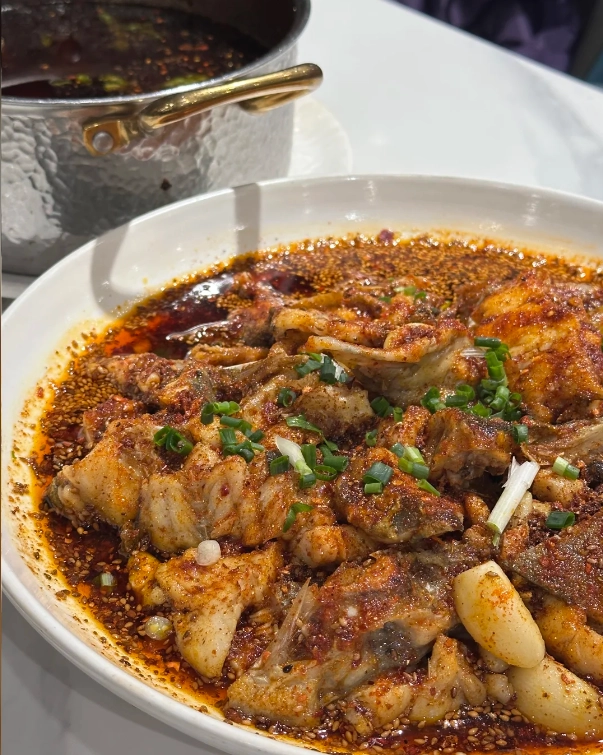
1. Lao Wang's Hot Skin Noodles (No English Sign)
Rough Location: Just south of the intersection of Bei Dajie and Guoqing Lu, look for a small shop with a steamy window and a crowd sitting on low stools. The Chinese sign says "汉中老王家热面皮".
This is my top pick. The place is basically a hallway with a kitchen. You order at the counter, get a ticket, and squeeze onto a shared table. The Re Mian Pi here is perfect. The rice noodles are made fresh every hour—you can see the guy pouring the batter onto steaming cloths. The broth is a masterclass: aromatic chili oil that's more about flavor than brutal heat, balanced with Zhenjiang black vinegar and a hint of sesame paste. A large bowl costs about 12 RMB ($1.70). They're open from 7 AM until they sell out, usually around 7 PM. Go for an early dinner at 5:30 PM to avoid the lunch rush. Hygiene? It's a working-class joint. The tables get wiped quickly, and the focus is on turnover. I've eaten here a dozen times with zero issues.
Tip: Point to the noodle-making station and say "Re Mian Pi" (Ruh Myen Pee). Hold up one finger.2. Zhang's Bang Bang Mian (Near Hantai Road)
Rough Location: In a small alley off Hantai Road, east of the Hanzhong Railway Station. Look for a blue sign with three big characters: "张记梆梆面".
If you want to see noodle artistry, come here. The owner pulls and slaps the dough into perfect, biang-biang-like belts right in the front window. The Bang Bang Mian is the star. The noodles have an incredible chew, and the sauce clings to every ridge. It's spicier than the average, with a noticeable tingle of Sichuan peppercorn. They also do a great You Po Mian (oil-splashed noodles), which is simpler but highlights the quality of the wheat. A bowl is 15-18 RMB ($2.10-$2.50). It's busy from 11:30 AM-1:30 PM and 6-8 PM. I once went at 2 PM and had the place almost to myself, watching the chef prep for the evening. No English menu, but there are pictures on the wall.
Tip: For less spice, say "wei la" (way lah) which means "a little spicy."3. The Clay Pot Rice Alley (A Cluster, Not One Shop)
Rough Location: Along a narrow lane running parallel to Dong Dajie, about halfway between Zhongxin Guangchang and Beiguan Lu.
This isn't a single restaurant but a row of 4-5 tiny shops, each specializing in Hong Shao Rou Gai Fan (clay pot rice with red-braised pork). You pick one that has seats. The process is mesmerizing: individual clay pots cook over gas flames, the rice forming a golden crust at the bottom. The pork belly is stewed for hours until it's so tender it collapses at the touch of chopsticks. They crack a fresh egg on top sometimes. It's served blisteringly hot with a side of pickled vegetables to cut the richness. A pot costs 20-25 RMB ($2.80-$3.50). It's a heavy meal, perfect after a day of hiking. Opens around 10 AM for lunch and runs until 9 PM. The vibe is chaotic and wonderful.
How to Order Like a Local
Don't panic if there's no English. The system is visual and intuitive.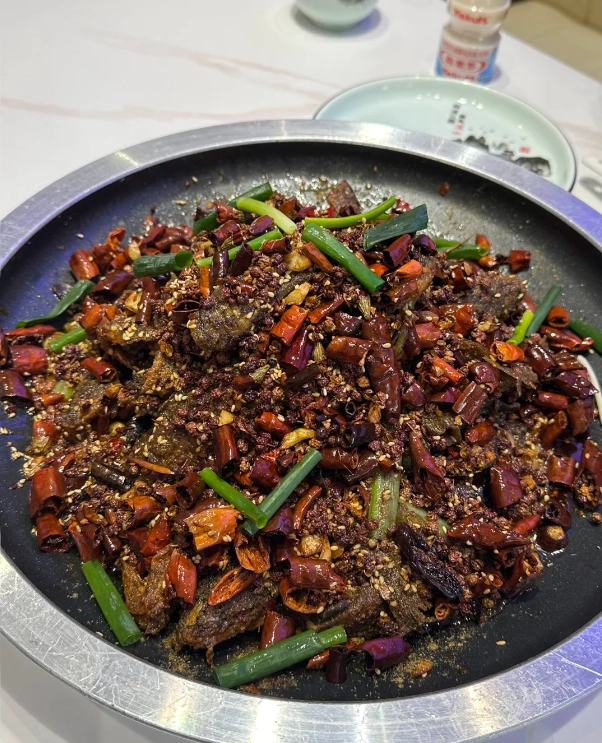
Step 1: Observe. Look at what other people are eating. See a bowl of wide, glistening noodles? That's Re Mian Pi. See thick, chewy noodles being mixed? That's Bang Bang Mian. Pointing is a universal language. I often just walk up to a table, smile, point to someone's bowl, and give a thumbs up. Usually, they smile back and nod.
Step 2: Know the Magic Words. Memorize these:
- Re Mian Pi (Ruh Myen Pee): Hot skin noodles.
- Bang Bang Mian (Bahng Bahng Myen): The namesake noodles.
- Yi Wan (Ee Wahn): One bowl.
- Wei La (Way Lah): A little spicy.
- Bu La (Boo Lah): Not spicy.
Step 3: Payment. Have Alipay or WeChat Pay set up. It's how 95% of transactions happen, even at street stalls. Cash is still accepted but becoming rarer. If you only have cash, hold it up and say "xianjin" (she-en-jeen). They'll understand.
Step 4: Find a seat. It's often communal. Don't be shy. If there's an empty stool at a table with people, just gesture "may I?" and sit down. No one minds.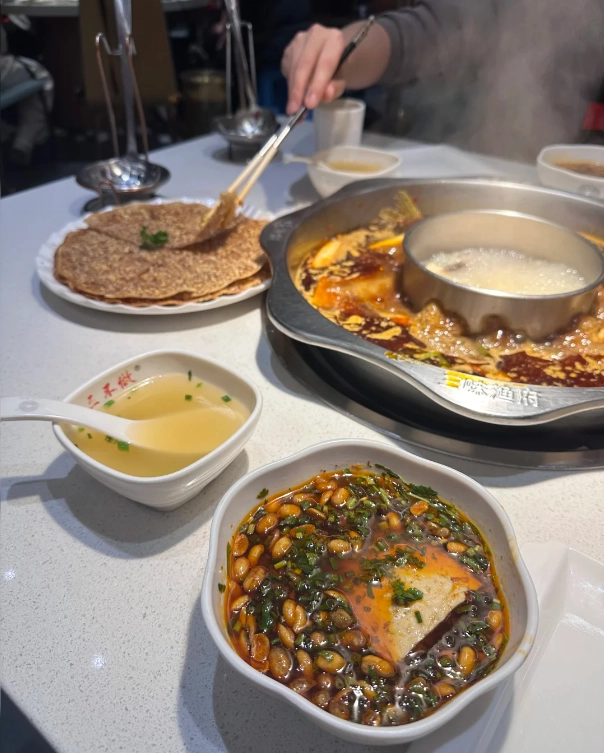
Your Food Questions Answered
 How do I handle the spice level if I'm sensitive?
 The real souvenir from Shimen Plank Road isn't a trinket. It's the memory of that first slurp of Re Mian Pi, the steam hitting your face, the complex flavors cutting through the fatigue of a day's exploration. It's the feeling of finding the place behind the place. Skip the scenic area cafeteria. Get back to Hanzhong, find a crowded little shop with plastic stools, and point at the bowl that looks the best. That's where your trip truly becomes delicious.
This article is based on first-hand experience and multiple visits to Hanzhong. Details regarding prices and locations were accurate at the time of writing and are subject to change.
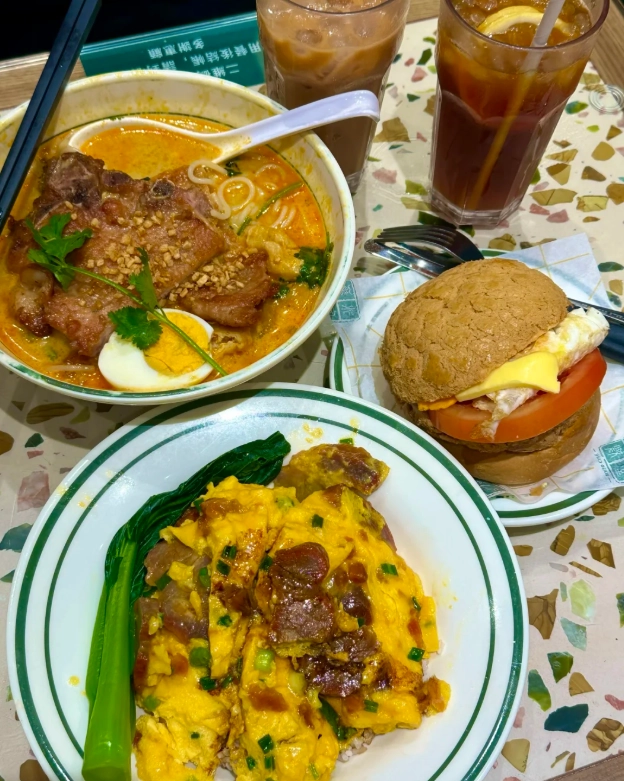
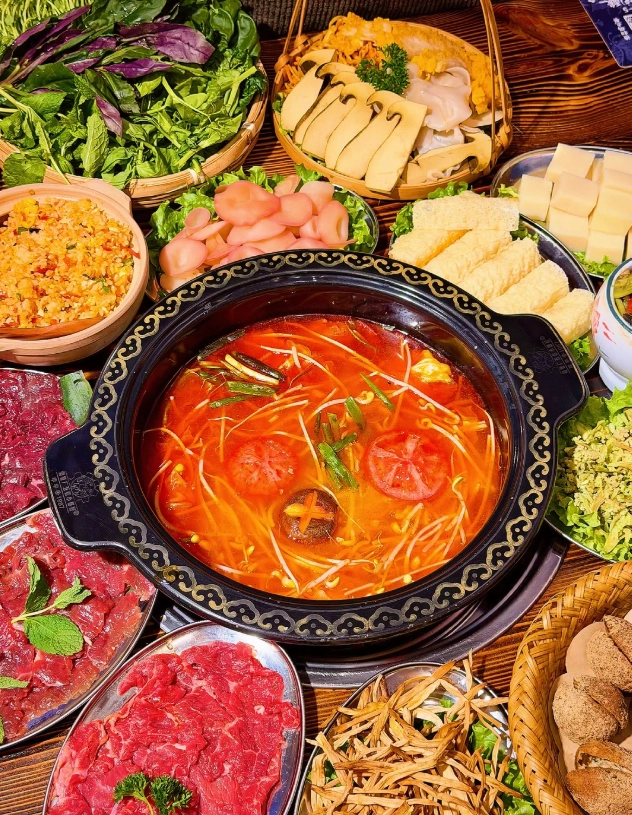





Came here based on a friend's tip and left completely satisfied. Ordered the 'three-delight' noodle bowl with pork, tofu skin, and wood ear mushrooms – every bite had a different texture. The broth was rich without being greasy, and the portion size was generous. The owner's son speaks decent English and helped me figure out the menu. Already planning to go back before I leave Hanzhong. Unforgettable food, wonderful people.
Best meal I've had in Shaanxi so far. Got the recommendation from a local and everything hit the mark – the cold noodles with vinegar and chili were refreshing after the dusty walk, and the lamb skewers from the grill outside were perfectly charred. The staff were incredibly welcoming, even gave us a free sample of their homemade pickled radish. A memorable lunch that made my trip to the plank road complete. Highly recommended!
Absolute gem! I'm still thinking about those hand-pulled noodles drenched in spicy sesame sauce and topped with crispy fried garlic. The owner even came out to show us how they stretch the dough – such a fun experience. The vibe inside is casual and local, with communal tables and a hum of conversation. If you want real Hanzhong flavor, don't skip this place. 5 stars, no question.
A solid spot for a quick lunch after hiking the plank road. The beef noodle soup was comforting and the broth had a nice herbal note. Prices are super reasonable – two bowls and a cold beer for under 30 RMB. Only downside: the waitress forgot my order and I had to remind her twice. Still, the food came out hot and tasty. Would come back for the convenience.
Stumbled upon this tiny noodle joint just a few blocks from the Plank Road entrance. Ordered the signature Hanzhong hot dry noodles and the chewy texture was spot-on, but the chili oil lacked that deep smoky punch I was hoping for. Service was friendly enough, but the place was a bit cramped and the AC barely worked on a hot afternoon. Worth a try if you're nearby, but I wouldn't go out of my way for it.
Stumbled upon this noodle joint by accident and it turned out to be the highlight of my day! The house special mixed noodles with pork and pickled veggies was incredibly flavorful—each bite had a different texture. The small courtyard seating area is so cozy, shaded by a big tree, perfect for resting tired feet after the plank road walk. The grandma who served us was super sweet, even refilled our water without asking. Absolute 5-star experience!
I really wanted to love this place because the location is unbeatable, but the experience fell flat. The noodles were overcooked and clumped together, and the sauce tasted like it came from a bottle. To make things worse, the staff seemed more interested in their phones than in helping customers. I waited 20 minutes for a simple bowl of noodles. Not worth the hype, unfortunately.
Came here starving after a long hike along the Shimen Plank Road. The hot and sour noodles hit the spot—great balance of tang and heat. The owner recommended their local Hanzhong specialty, 'cai dou fu' (vegetable tofu), which was surprisingly flavorful and light. Only downside: they ran out of iced tea, so had to settle for warm water. Still, a satisfying meal with real local vibes.
Decent spot for a quick meal after visiting the plank road. The noodles are fresh and the portions are generous. I had the cold noodles with sesame paste—refreshing but a bit too oily for my taste. Service was fast but not particularly warm. Price is fair for the area. Would give it a solid 4 if the air conditioning worked better; it was quite stuffy inside.
Hands down the best biangbiang noodles I've ever had! The chewiness is perfect, and the chili oil is fragrant without being overpowering. We ordered the beef noodle soup too—broth was deep and rich. The lady running the place even showed us how she pulls the noodles by hand. This little shop near Shimen Plank Road is a hidden gem. Will definitely come back before heading to the plank road hike!
Ordered the braised beef noodle soup thinking it'd be hearty, but the beef was tough and the noodles were overcooked into mush. The broth was okay but not enough to save it. Maybe I came on an off day, but for the hype this place gets, I expected way better. Disappointing.
Found this tiny noodle joint near the Shimen parking lot – the signage is only in Chinese so I almost missed it. The cold noodles were refreshing after a hot morning hike, and they let me watch them pull the dough. Only complaint: the napkins were basically tissue paper. Still, solid local experience for a very fair price.
I'm not usually a fan of strong garlic, but the garlic oil noodles here converted me. The little side of pickled veggies cut through the richness perfectly. Also, the lady running the stall gave me free samples of their sesame flatbread. Felt like a proper Hanzhong welcome. Highly recommend!
Decent noodles but nothing mind-blowing. The broth was a bit too salty for my taste and the service was slow even though the place wasn't full. I appreciated the handmade texture though. It's fine if you're starving, but I wouldn't go out of my way again.
Stopped by after walking the Plank Road – absolutely starving. The hot dry noodles at Old Zhang's were a lifesaver, chewy and coated in chili oil that wasn't just heat but had real depth. The owner even pointed out where to get the best cold rice noodles a block away. Five stars because this is exactly the kind of local spot I travel for.