 Ming Yang
What You'll Find Inside
Hey there! I've been guiding tours across China for over ten years, and let me tell you, solo female travel here is not just possible—it's incredible. I've walked alongside hundreds of women from all over the world, from backpackers to professionals, and seen them fall in love with this place. But I've also seen the worries: Is it safe? How do I get around? Where should I go? So, I'm putting together everything I wish my clients knew before they landed. This isn't a fluffy guide; it's the real stuff, from routes that work to safety hacks only locals know.
Why China is Surprisingly Safe for Solo Female Travelers
First off, let's tackle the big one. China consistently ranks high on global safety indexes for travelers. Violent crime against tourists is extremely rare. I've had clients leave phones in taxis and get them back hours later. The cities are well-lit, and public spaces are bustling until late. But safety isn't just about crime stats—it's about feeling secure. Here's what makes it work:
Public surveillance is everywhere, which sounds creepy but means help is always nearby. Police boxes (called "paichusuo") are common in tourist areas, and officers usually have basic English. I once helped a solo traveler who lost her wallet near Tiananmen Square; we found a police officer who arranged a taxi back to her hotel, no fuss.
My Top 3 Curated Routes for Solo Women in China
These routes balance iconic sights with off-the-beaten-path gems, all chosen for ease, safety, and that wow factor. I've timed them based on how long I see solo travelers enjoy without burning out.
Route 1: The Imperial Capitals – Beijing & Xi'an (5-7 Days)
Perfect for first-timers. You get history, culture, and solid infrastructure. Start in Beijing.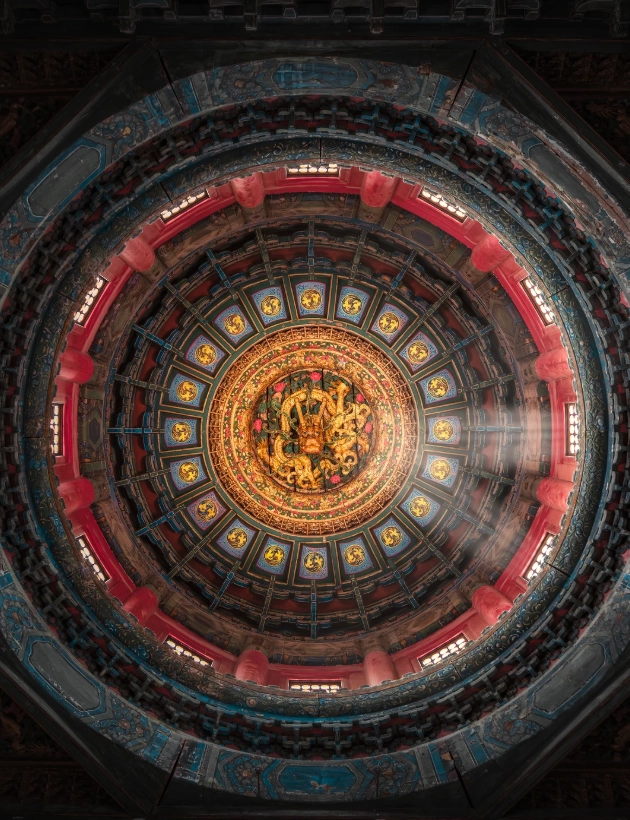
Beijing Highlights:
- Forbidden City: Ticket price is 60 RMB for adults. You must book online via the official WeChat mini-program "故宫博物院" (search "Gugong") at least a day ahead. Address: 4 Jingshan Front St, Dongcheng District. Open 8:30 AM to 5:00 PM, last entry at 4:00 PM. Nearest subway: Tian'anmen East Station, Exit B—walk 5 minutes north, you'll see the massive red walls. Go at 8:30 AM sharp; by 10 AM, it's packed with tour groups. I always tell my clients: the Hall of Supreme Harmony looks best in morning light.
- Great Wall at Mutianyu: Safer and less crowded than Badaling. Ticket: 45 RMB. Take subway Line 2 to Dongzhimen Station, then bus 916 Express to Huairou, and a local taxi (about 30 RMB) to the entrance. Or book a guided tour—I recommend companies like China Highlights for solo-friendly options. Cable car up, toboggan down—fun and efficient. Spend 3-4 hours here.
Then, high-speed train to Xi'an (4-5 hours, book on Trip.com or at the station). In Xi'an:
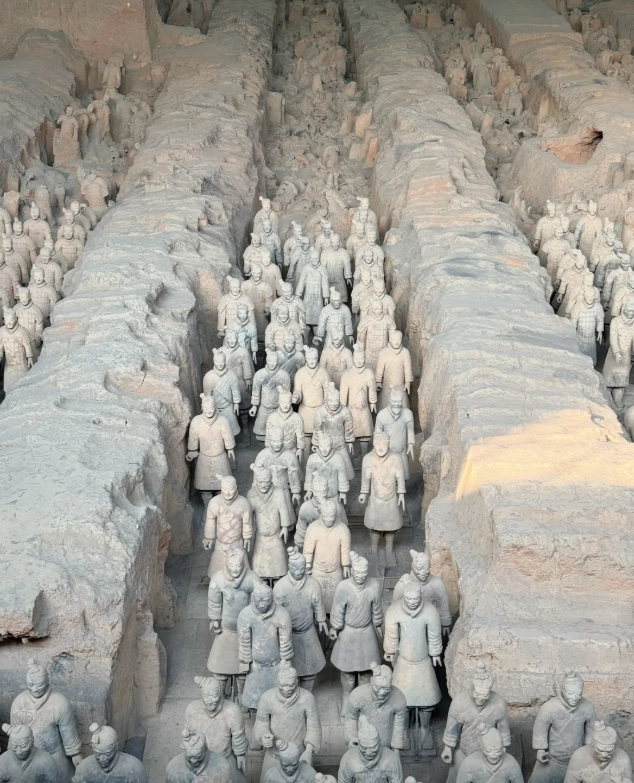
- Terracotta Army: Ticket: 120 RMB. From Xi'an North Station, take tourist bus Line 5—it drops you right there. Open 8:30 AM to 6:00 PM. Hire an audio guide (40 RMB); the signs are in English, but the stories bring it alive. Avoid weekends; Tuesday mornings are quietest.
- Muslim Quarter: For food. Try yangrou paomo (lamb soup with bread)—at Lao Sun Jia, address: 172 Beiyuanmen. It's spicy, so ask for mild. Crowded at night, but well-patrolled. Keep your bag close; pickpocketing is the main petty crime here.
Route 2: The Scenic Southwest – Yunnan Province (7-10 Days)
If you love nature and minority cultures, this is your jam. Yunnan is chill, affordable, and solo-traveler-friendly. Fly into Kunming.
Kunming to Dali: Kunming's Stone Forest (Shilin) is a day trip—ticket 130 RMB, bus from Kunming East Station takes 2 hours. Then overnight train to Dali (soft sleeper for safety, about 150 RMB). In Dali, stay in old town hostels like The Hump—dorm beds 50 RMB, with female-only dorms and English-speaking staff. Rent a bike around Erhai Lake; stick to the east shore, less traffic.
Lijiang: Bus from Dali (3 hours). Lijiang's old town is touristy but safe. Ticket: 50 RMB preservation fee. Get lost in the alleys early morning; by noon, it's a souvenir zoo. For a secret spot, take bus 13 to Shuhe Old Town—quieter, same charm. I once spent an afternoon there with a solo traveler from Australia; we found a tea house with no menu, just local brew.
Route 3: The Modern Mix – Shanghai & Hangzhou (4-5 Days)
For a sleek, easy intro. Shanghai feels like any global city, but with Chinese flair.
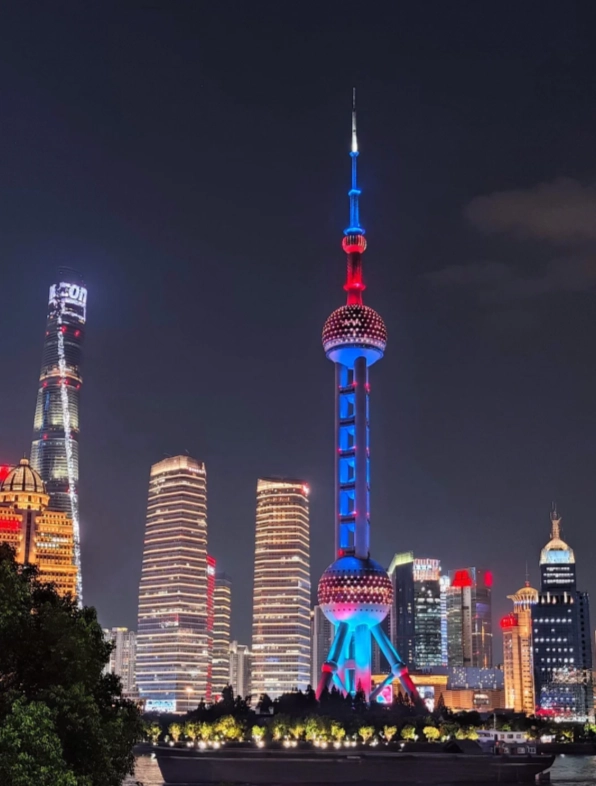
- Shanghai: The Bund at night is safe and stunning—police every 100 meters. Take metro Line 2 to East Nanjing Road Station, Exit 2. For accommodation, I recommend Blue Mountain Bund Hostel—private rooms from 200 RMB, 24-hour security, and a rooftop bar with views. Avoid the fake tea ceremony scams near People's Square; if someone invites you for "free tea," smile and walk away.
- Hangzhou day trip: High-speed train from Shanghai Hongqiao Station (1 hour, 70 RMB). West Lake is free to explore. Rent a bike (5 RMB/hour via Mobike app) and cycle the southern loop—less crowded than the north. Hefang Street for snacks; try dingding cake at Wushan Fried Cake Shop. Back to Shanghai by evening.
| Route | Best For | Estimated Cost (USD) | Solo-Friendliness Score |
|---|---|---|---|
| Imperial Capitals | History buffs, first-timers | $500-700 | 9/10 |
| Scenic Southwest | Nature lovers, budget travelers | $400-600 | 8/10 |
| Modern Mix | Urban explorers, short trips | $300-500 | 10/10 |
Non-Negotiable Safety Tips from a Decade of Guiding
These aren't from a manual; they're from watching what works on the ground.
Transportation Smarts: Trains, Taxis, and Apps
China's trains are a solo traveler's best friend. Book high-speed rail (G trains) on Trip.com—it's in English and accepts international cards. Always choose a seat in the middle of the carriage; it's brighter and near staff. For taxis, use DiDi app (China's Uber); it tracks your route and lets you share it. I've had clients get overcharged by street taxis, but with DiDi, the price is fixed. If you're lost, show the driver the address in Chinese characters—screenshot it from Google Maps (use a VPN) or Maps.me.
Accommodation Choices: Hostels vs Hotels
Hostels are great for meeting people. Look for ones with female dorms and 24-hour reception—chains like Hello Inn or Mingtown are reliable. In Beijing, I like Peking Station Hostel: dorm bed 80 RMB, free lockers, and they'll help you book tours. Hotels? Stick to international brands like Holiday Inn for consistency; they have English-speaking staff and better Wi-Fi. A pro tip: book a room above the 5th floor—less street noise, and in older buildings, elevators can be sketchy.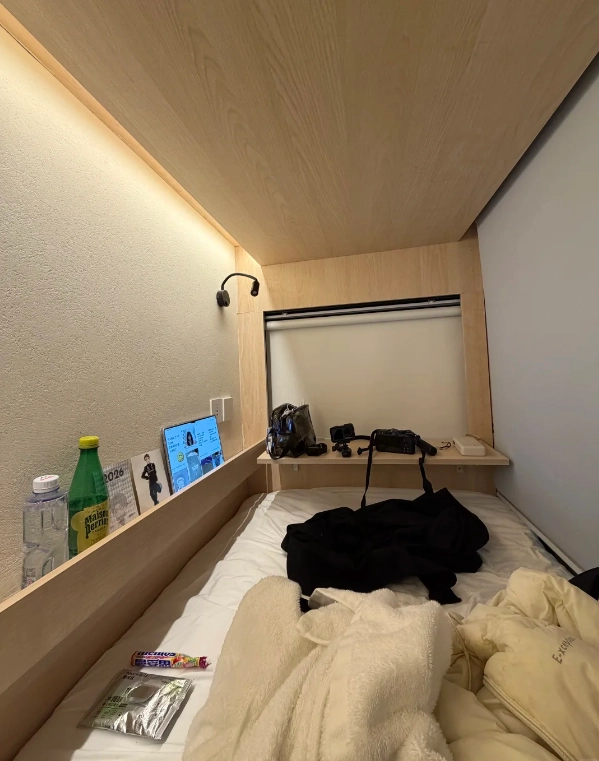
Cultural Nuances: Dress Code and Interactions
Dress modestly, especially in rural areas. Shoulders covered in temples—carry a light scarf. In cities, anything goes, but avoid drawing unnecessary attention. When interacting, a smile goes far. If someone stares, it's usually curiosity, not threat. I taught a client to say "xiexie" (thank you)—it breaks the ice. For unwanted attention, a firm "bu yao" (don't want) works. Most locals are helpful; once, a granny in Xi'an walked a solo traveler to her bus stop just because she looked confused.
How to Plan Your Solo Trip: A Practical Timeline
Let's break it down step by step. Assume you have 2 weeks.
2 Months Before: Apply for a Chinese tourist visa—check the latest requirements on your country's embassy website. Book flights into Beijing or Shanghai; they're the easiest hubs. Start reading up on the routes above.
1 Month Before: Book your first 3 nights' accommodation. I suggest a hostel in Beijing—it eases you in. Download essential apps: DiDi for taxis, WeChat for payments (link a card), Pleco for translation, and ExpressVPN for internet access. Yes, you need a VPN; without it, Google Maps won't work.
1 Week Before: Pack light: comfortable shoes, a power adapter (Type A/I), and a portable charger. China uses 220V. Bring copies of your passport and visa—leave originals in the hotel safe. Notify your bank you're traveling.
On the Ground: Get a local SIM card at the airport—China Mobile offers tourist plans with data for 100 RMB/month. Withdraw cash from ATMs (Bank of China accepts foreign cards); keep small bills for markets. For daily budgeting, aim for 300-500 RMB: hostels 100 RMB, food 150 RMB, transport 50 RMB, sights 100 RMB.
If you only have 24 hours in a city, say Shanghai: Morning at Yu Garden (opens 8:30 AM, ticket 40 RMB), afternoon at the Shanghai Museum (free, book online), evening on the Bund. Use metro Line 10—it connects everything. Skip the Pearl Tower; it's overpriced and crowded.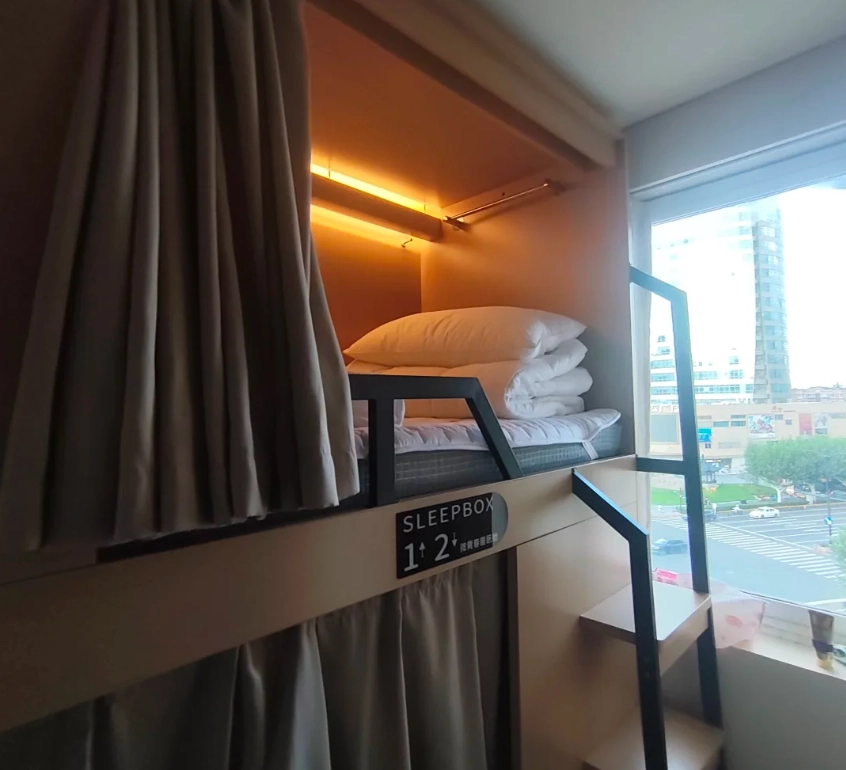
FAQs: Answering Your Real Concerns
So, there you have it. China is waiting, and it's safer than you think. Pack your curiosity, follow these tips, and you'll have stories for years. I still get emails from solo travelers I guided a decade ago—they're the best part of my job. If you take one thing away: plan your routes, stay aware, and don't be afraid to ask for help. Locals might not speak English, but kindness needs no translation.
This article has been fact-checked.





No comments yet.