 Ling Wu
Let's get this out of the way first. If you're picturing serene, untouched villages frozen in time, you need a reality check. The most famous ancient towns in China are popular for a reason, and that means people. Lots of them. I've lost count of the times I've seen a client's face fall when we round a corner into a river of selfie sticks.
But here's the secret I've learned over a decade of guiding tours from Shanghai to Sichuan: the beauty is absolutely real, and you can absolutely find it. You just need to know where to look, and more importantly, when. This isn't a list of postcard names. It's a practical field guide from someone who's navigated these cobblestones hundreds of times. I'll tell you which ticket line is the slowest, where the light hits the water just right at 5:30 PM, and how to find the alleyway noodle shop the tour groups always miss.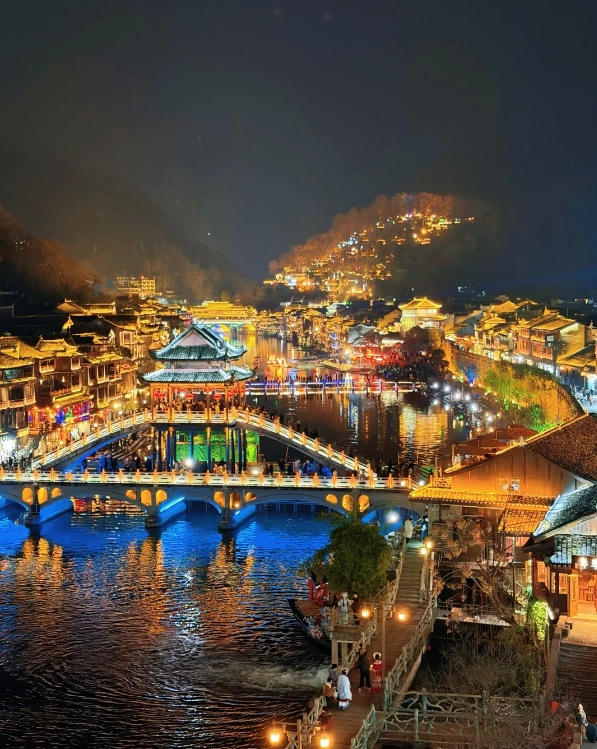
Your Quick Guide to China's Timeless Towns
How to Choose Your Ancient Town
Picking the right town is the first step to a great trip. Most blogs just throw pretty pictures at you. I'm going to give you a filter. Think about what you actually want.
The Mountain & Ink Painting Lover: You want dramatic landscapes, misty peaks, and architecture that looks like it was painted with a brush. Your vibe is poetic and photographic. Head west to places like Fenghuang or the villages around Huangshan.
The Canal & Culture Buff: You're fascinated by waterways, silk, and the laid-back vibe of the Jiangnan region. You want to sip tea by a canal and visit small museums. Focus on the water towns like Zhouzhuang or Tongli near Shanghai.
The History & Commerce Explorer: You love imagining old trade routes, banking systems, and walled cities. You want substance over sheer scenery. Pingyao in the north is your non-negotiable stop.
My personal, slightly controversial take? If you only have time for one or two, skip the ultra-famous water town closest to Shanghai (you know the one). It's a beautiful museum piece, but it often feels like a theme park after 9 AM. The magic happens further afield, or in the same place at dawn.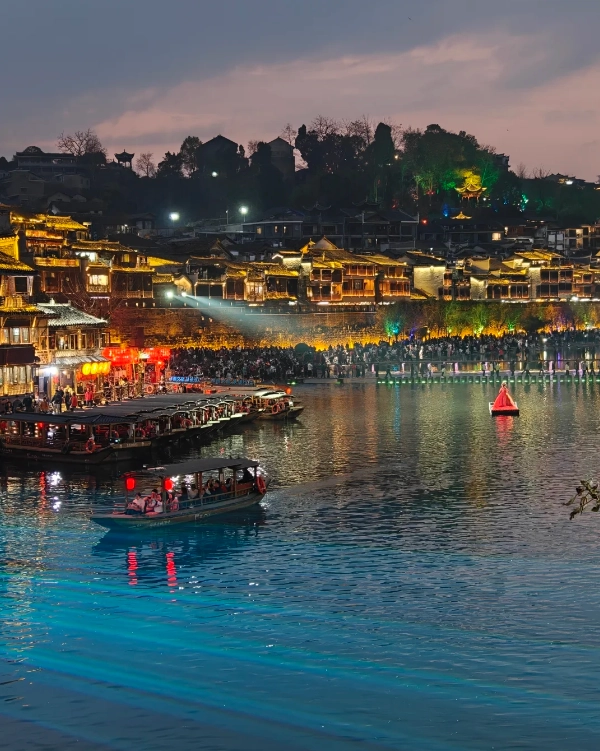
Top 5 Ancient Towns: A Tour Leader's Breakdown
Here are my top five, based on authenticity, accessibility, and that undeniable "wow" factor. I'm including the nitty-gritty details I always give my groups.
| Town & Province | Core Vibe | Key Practical Info | My "Don't Miss" Tip |
|---|---|---|---|
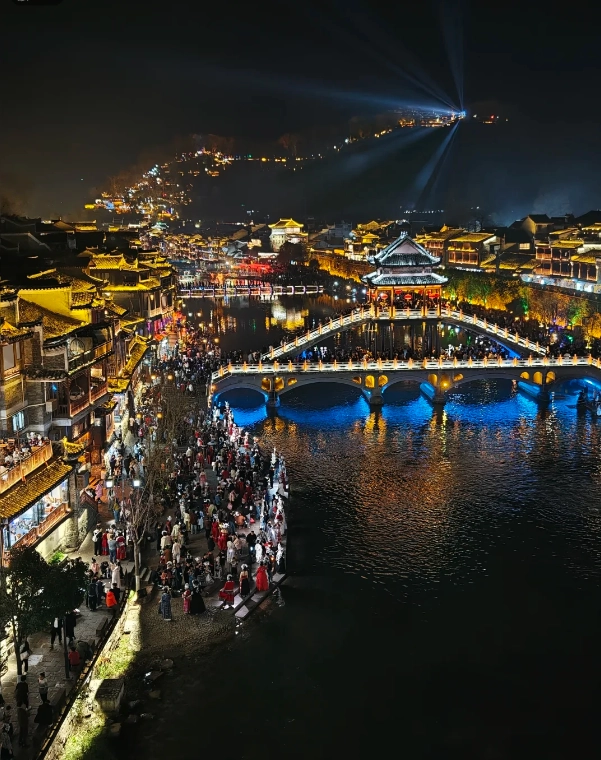
| 1. Fenghuang (Phoenix Ancient Town), Hunan | Mountain river town, minority (Tujia & Miao) culture, stunning night views. | Tickets: Entry to the historic core requires a pass (approx. ¥140). You must book this in advance via their official WeChat mini-program "游湖南" or a platform like Trip.com. Getting There: Fly to Zhangjiajie (DYG) or Tongren (TEN), then a 1.5-hour bus/car. From Changsha, it's a 5-hour direct bus. Best Time: Weekday mornings or after 10 PM. Avoid Chinese national holidays like the plague. | Forget the main riverfront bars. Cross the "Rainbow Bridge" (Hong Qiao) to the quieter east bank. Find the stilt houses along the back canals. The light is softer, and you'll see local life, not just souvenir shops. |
| 2. Hongcun, Anhui | Classic Huizhou architecture, the "village in a painting," reflective ponds. | Tickets: ¥104. Purchase at the gate or online (Ctrip). Combined tickets with nearby Xidi are available. Getting There: High-speed train to Huangshan North Station. Then, a 90-minute bus to Yixian County, followed by a local bus/taxi (20 mins) to Hongcun. Best Time: First entry at 7:30 AM to see the moon pond without crowds. Or stay overnight inside the village. | Everyone runs to the main pond. Instead, get lost in the network of alleys south of the school. Look for the intricate wood carvings above door frames. Hire a local guide for 30 minutes; they'll point out symbolism you'd never see. |
| 3. Pingyao, Shanxi | Walled trading city, Ming-Qing era banking hub, raw and authentic. | Tickets: A single ¥125 pass covers city walls and key sites. Buy at the south gate. No advance booking usually needed. Getting There: Direct high-speed train from Taiyuan (30 mins) or Beijing (4 hours). The station is a 15-minute taxi from the ancient city. Best Time: Late afternoon. Walk the city walls as the sun sets. The city is less about a single photo spot and more about the overall atmosphere. | Skip the fancy restaurants on Ming-Qing Street. For dinner, walk down Xi Dajie and look for a place with plastic stools called "Pingyao Wanwan Tuanyuan." Their hand-pulled noodles and local vinegar are fantastic. They have a picture menu. |
| 4. Zhouzhuang, Jiangsu | The "Venice of the East," classic water town, double bridges. | Tickets: ¥100 for day entry. Book online to skip queues. Getting There: From Shanghai, take metro Line 17 to Oriental Land Station, then bus Zhouzhuang Special Line (total ~1.5 hours). From Suzhou, bus or taxi (~1 hour). Best Time: Stay overnight. The town empties out after 5 PM. Book a hotel inside the old town gates. | Do not take the standard daytime boat tour. Book a private boat for 8 PM. The lanterns are lit, the crowds are gone, and the boatman might even sing a folk song. It costs about ¥180 per boat (fits 6) and is worth every penny. |
| 5. Xitang, Zhejiang | Lively water town with covered corridors, great for evening ambiance. | Tickets: ¥95. After 5 PM on weekdays, entry to the old town is sometimes free, but you still need tickets for the mansions. Check policy changes. Getting There: High-speed train to Jiashan South Station, then taxi (15 mins). Direct buses also run from Shanghai Tourist Center. Best Time: Late Friday or Saturday afternoon, staying for the nightlife. It's more youthful than Zhouzhuang. | The "Covered Corridors" (Langpeng) are the highlight. Walk along the north side of the river, away from the main bars. Pop into the Nyzhi Art Gallery—it's free, quiet, and has beautiful prints of the town. |
What About Lijiang and Dali?
You'll see them on every list. They're in Yunnan and are stunningly located. But I'm being honest here: the old towns themselves, especially Lijiang's Dayan, have become incredibly commercial. The bones are beautiful, but it's often a sea of identical souvenir shops and loud bars. If you go, base yourself in the quieter Shuhe or Baisha suburbs of Lijiang. For a more authentic Yunnan ancient town, I'd point you toward Shaxi, but that's a story for another guide.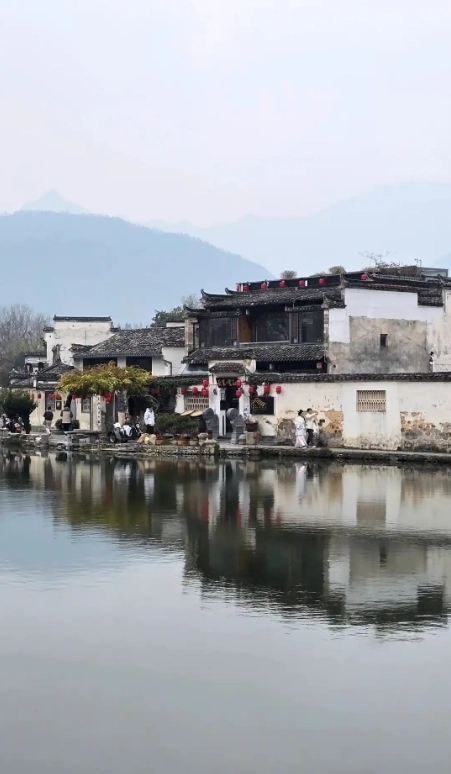
The 24-Hour Challenge: Fenghuang in a Day
Let's get hyper-specific. Say you're on a tight schedule, maybe traveling from Zhangjiajie, and only have one full day in Fenghuang. Here's exactly how I'd structure it for a small group to maximize experience and minimize frustration.
The Golden Rule: Your experience is 90% dictated by timing. Crowds are the enemy of atmosphere.
7:00 AM - 9:30 AM: The Morning Magic. Be out the door by 7. The town is just waking up. Locals are washing vegetables in the river, elderly residents are doing tai chi on the piers, and the mist hangs over the water. This is your prime photography window. Walk from the Hong Qiao south along the east bank. You don't need your ticket checked this early in the alleys.
9:30 AM - 12:00 PM: Beat the Ticket Queue & Explore. By 9:30, the main ticket halls get busy. Head to the less-crowded ticket booth near the South Gate (Nan Hua Men). Use your pre-booked QR code. Now, visit one major site like the Former Residence of Shen Congwen. It's quiet while everyone is still taking river photos.
12:00 PM - 2:00 PM: Lunch Like a Local. Avoid the riverfront restaurants with hawkers. Slip into an alley off Chongde Street. Look for a small place with a sign saying "Xue Cai Ya" (Blood Duck). It's the local specialty—chopped duck cooked with its blood, spices, and lots of garlic. It's rich, savory, and costs about ¥60 for a small pot. They'll have a picture menu.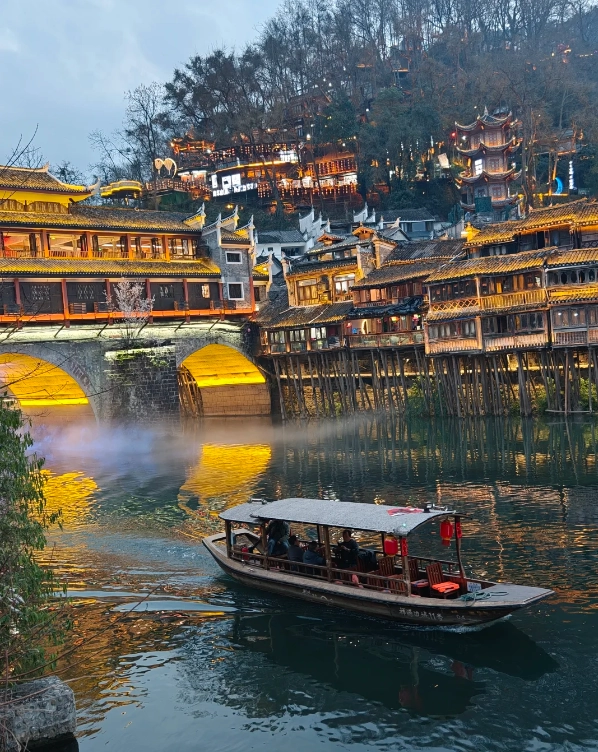
2:00 PM - 5:00 PM: Strategic Siesta or Boat Ride. This is peak crowd and heat time. Good options: 1) Take the official boat tour now (included in your pass). Yes, it's crowded, but you're on the water. 2) Better yet, retreat to your hotel or a cafe. I like the second-floor terrace at "Border Town Cafe" near the river bend—good coffee, WiFi, and people-watching.
5:00 PM - 7:00 PM: The Golden Hour Stroll. The light turns warm. Walk the west bank now. The souvenir shopping is fine, but look for the old barber shops and metalworkers in the backstreets.
7:30 PM Onwards: Dinner & The Night Transformation. The town lights up with neon and lanterns. It's a spectacle. Have dinner (try grilled fish from a riverside stall), then find a spot on the Hong Qiao or the bridges upstream to watch the scene. The crowds thin significantly after 9:30 PM. That's your moment for a quiet nightcap.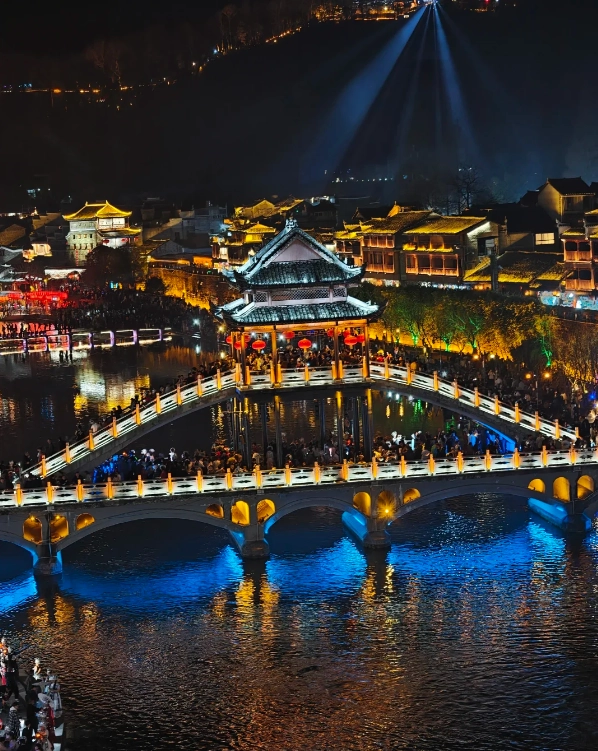
Beyond the Postcard: Local Details You Need
This is the stuff that separates a generic trip from a memorable one.
Payment: While Alipay and WeChat Pay are king, all major tourist towns now accept international credit cards (Visa/Mastercard) at hotels, ticket offices, and larger restaurants. However, for street food, market stalls, or small family shops, you need cash (RMB). Withdraw it at ATMs in the nearby modern city area before you enter the old town.
Bathroom Situation: Public toilets in ancient towns are often... an adventure. They are usually free but may be squat-style and not always stocked with toilet paper or soap. The cleanest bathrooms are invariably inside paid attractions (like a former merchant's house) or in hotel lobbies. Plan your breaks accordingly.
The Language Gap: Outside Shanghai/Suzhou areas, English is minimal. Download the Google Translate app (with offline Chinese packs) and use the camera function to translate signs. Learn three phrases: "Ni hao" (Hello), "Xie xie" (Thank you), and "Duo shao qian?" (How much?). A smile goes further than perfect grammar.
Where to Stay: Always choose a guesthouse inside the ancient town walls/area. Yes, it might mean carrying your luggage over cobblestones for 5 minutes (ask if they have a luggage porter service), but being able to step out at dawn or late at night when the day-trippers are gone is the entire point. Look for places with recent reviews mentioning "helpful owner" and "good water pressure." Read between the lines.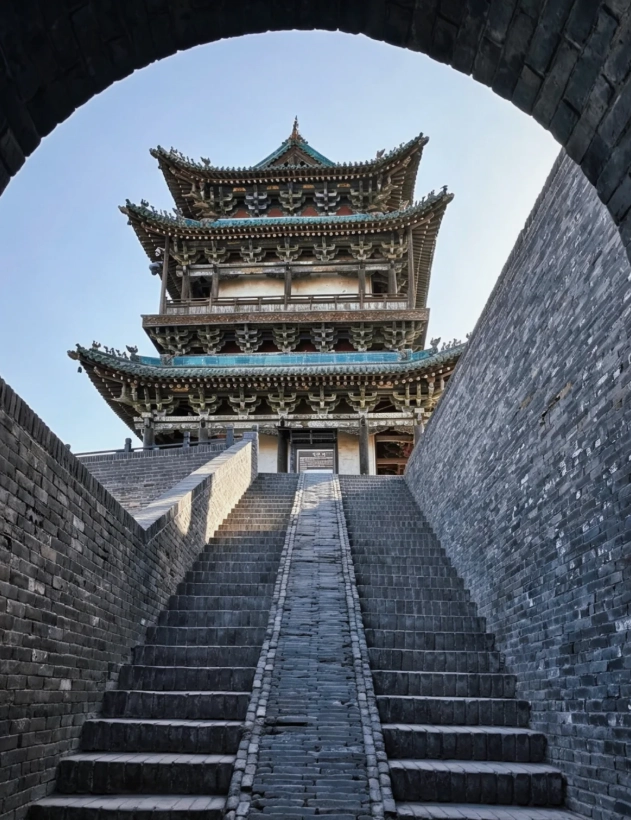
Your Ancient Town Travel Questions Answered
 This article is based on my personal, on-the-ground experience guiding tours from 2014 to the present. Details like ticket prices and transport links are checked against official sources and major travel platforms as of the time of writing. Travel information can change, so always double-check official town websites or trusted booking platforms like Trip.com for the latest entry requirements and hours before your visit.





No comments yet.