 Peng Gao
After ten years of guiding families, couples, and solo travelers through China, I've seen every mistake in the book. The most common? Trying to cram too much into two weeks and ending up exhausted, or sticking only to the mega-famous spots and missing the soul of the place. This China 2 week itinerary is the one I wish I could hand to every first-time visitor. It's logical, respects travel times, and sneaks in the authentic moments between the iconic photo ops. Forget just checking boxes; let's build a trip you'll actually remember.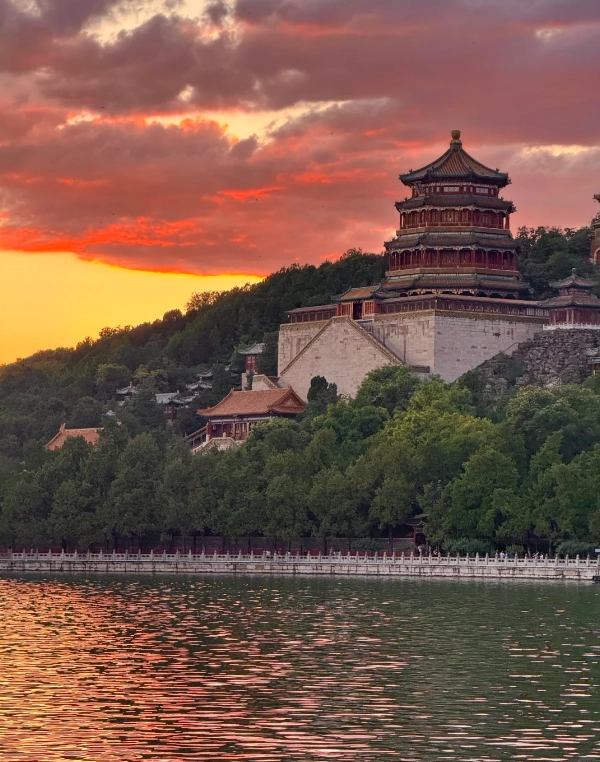
Your 14-Day Roadmap
- The Logical Route: Why This Order Works
- Day 1-3: Beijing – Ancient Power & Modern Pace
- Day 4-6: Xi'an – Warriors, History & Hui Food
- Day 7-9: Chengdu – Pandas, Pepper & Teahouses
- Day 10-12: Guilin & Yangshuo – River, Peaks & Village Life
- Day 13-14: Shanghai – Bund, Buzz & Final Feasts
- Essential Trip Logistics Before You Go
- FAQ: Your China Trip Questions Answered
The Logical Route: Why This Order Works
This loop (Beijing → Xi'an → Chengdu → Guilin → Shanghai) is geographically efficient. You fly into Beijing, a major international hub, and out of Shanghai, another major hub, avoiding backtracking. The domestic flights/trains between them are well-established. It balances heavy history (Beijing, Xi'an) with natural beauty (Guilin) and modern energy (Shanghai), with Chengdu as the perfect, relaxed cultural pivot in the middle.
Day 1-3: Beijing – Ancient Power & Modern Pace
Day 1: Arrival & Hutongs. Land at Beijing Capital (PEK). Take a taxi (approx 45 mins, 120-150 RMB) or airport express train to your hotel. Fight jet lag with a walk. I always take my groups to the Houhai Lake area. Skip the noisy bars; wander the hutongs (alleys) behind them. Find Kao Rou Ji (Roast Meat Season) at 14 Qianhai Dongyan for their legendary roast leg of lamb. No English menu, but point at the sizzling plates. About 80 RMB per person. Early night.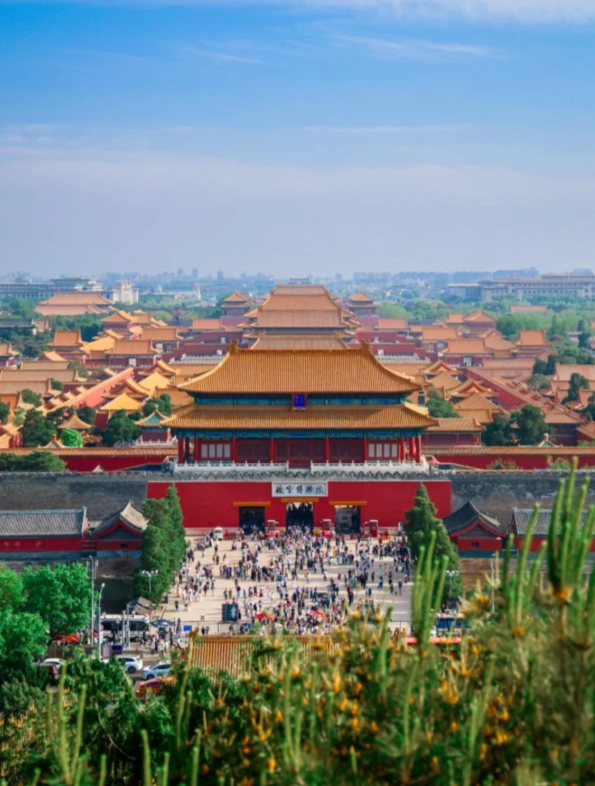
Day 2: The Forbidden City & More. Book your Forbidden City ticket online 7 days in advance via their official WeChat mini-program or website. Slots sell out. Aim for a 8:30 AM entry. Don't enter through Tiananmen Square's main gate—the queues are insane. Walk along the moat to the East Glorious Gate (Donghuamen); it's quieter. Inside, head straight to the central halls before the crowds. Give it 3-4 hours.
After lunch, visit the Temple of Heaven. The Hall of Prayer for Good Harvests is the star, but the real magic is the surrounding park where locals dance, sing opera, and play chess. It's living culture. Evening: Duck de Chine (Gongti Bei Lu) for a superb Peking duck in a chic setting. Book ahead. ~250 RMB/person.
Day 3: The Great Wall at Mutianyu. Most tours go to Badaling. Don't. It's packed. Mutianyu is 90 minutes north, has stunning views, and a cable car up/toboggan down (yes, a slide!). Hire a private car for the day (600-800 RMB) for flexibility. Arrive by 9 AM. Climb from Tower 10 to 14 for the best photos. The toboggan queue gets long after 2 PM. Return to the city by 4 PM. Tired? Order-in from Da Dong Roast Duck via an app like Meituan—their "less-fatty" duck is a revelation.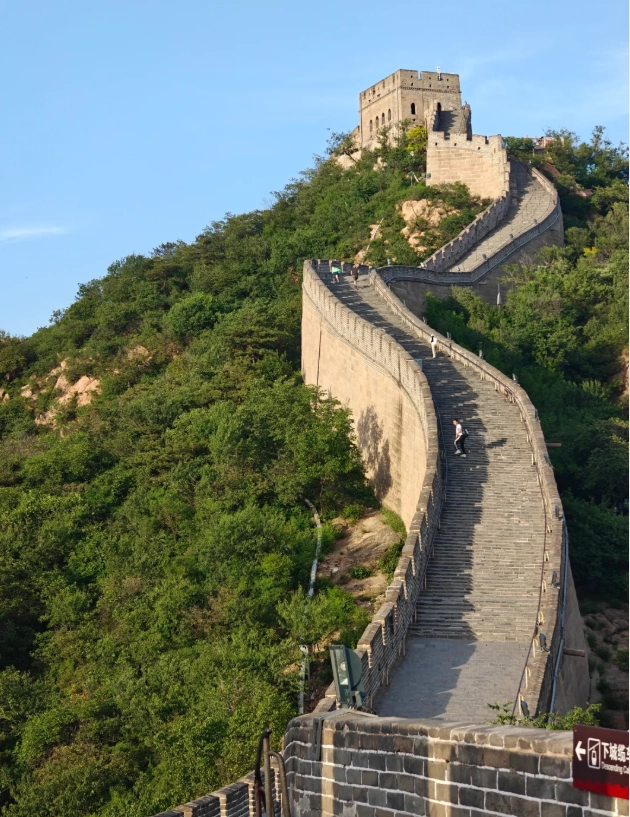
Beijing Hotel Pick
The Orchid Hotel (Baochao Hutong). A hidden gem in a hutong. Courtyard rooms, fantastic breakfast, staff who give personal maps. Walking distance to Houhai. From 800 RMB/night. Perfect for travelers wanting atmosphere over a generic lobby.
Day 4-6: Xi'an – Warriors, History & Hui Food
Day 4: Travel & City Wall. Take a morning high-speed train (G-series) from Beijing West to Xi'an North (4.5 hours, ~550 RMB). Book on Trip.com or at the station. Check into a hotel near the South Gate. Afternoon: Rent a bike and cycle the Xi'an City Wall. It's 14km, but you don't need to do it all. Start from the South Gate, cycle to the West Gate and back. Sunset views are golden. Evening: Dive into the Muslim Quarter. It's chaotic, delicious, and safe. Look for Lao Sun Jia for lamb paomo (breadcrumb soup you tear yourself). Follow the steam and the longest queue for kebabs.
Day 5: Terracotta Warriors Deep Dive. Do NOT go with a public bus tour. Hire a private driver (400 RMB for the day) or book a small-group tour that includes the Mausoleum of Emperor Qin Shi Huang (the actual tomb mound, often skipped). At the warriors, go against the flow: Start with Pit 3 (the command post), then Pit 2 (unexcavated figures), and finish with the jaw-dropping Pit 1. Avoid 10 AM-2 PM peak tour group onslaught. After, ask your driver to stop at a local village for a "nong jia le" (farmhouse meal).
Day 6: History & Departure. Morning visit to the Shaanxi History Museum. You MUST book a free ticket online 3-14 days in advance on their website. The Tang dynasty murals hall (paid extra) is worth it. Afternoon flight to Chengdu (1.5 hours).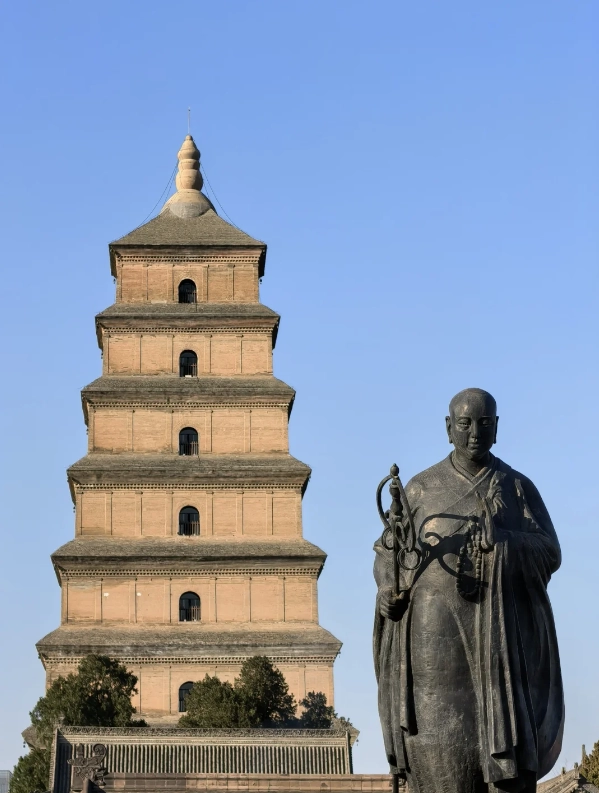
Day 7-9: Chengdu – Pandas, Pepper & Teahouses
Day 7: Pandas the Right Way. Go to the Chengdu Research Base of Giant Panda Breeding for opening at 7:30 AM. Pandas are most active during morning feeding. The crowds (and pandas) nap after 10 AM. Skip the panda bus; walk directly to the adult panda enclosures first. The new west section is more spacious. Afternoon: Unwind at People's Park. Find the Heming Teahouse, grab a bamboo chair, order a cup of jasmine tea (12 RMB), and get your ears cleaned by a master (30 RMB). It's a quintessential Chengdu experience.
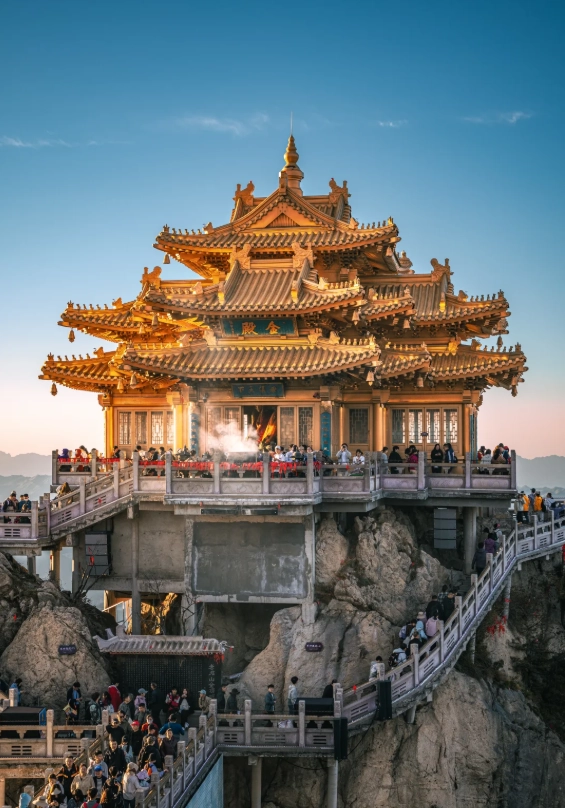
Day 8: Leshan Giant Buddha Day Trip. Take an early high-speed train to Leshan (1 hour). From the station, take a taxi to the Leshan Giant Buddha Scenic Area (entrance: 80 RMB). Most people queue for hours to walk down the cliffside staircase beside the Buddha. My tip: Take the ferry from the dock across the river (70 RMB). You get the full-face view, perfect photos without crowds, and it takes 30 minutes total. Return to Chengdu for a hotpot feast. Try Shu Daxia Hotpot (multiple locations) – they have a split pot (mild/spicy) and good ventilation.
Day 9: Relaxed Chengdu & Evening Flight. Visit the Wenshu Monastery for a peaceful morning. Their vegetarian restaurant is excellent. Explore the trendy Kuanzhai Alley (but treat it as a pretty shopping lane, not authentic history). Evening flight to Guilin (1.5 hours). Stay near the Li River in Guilin for one night.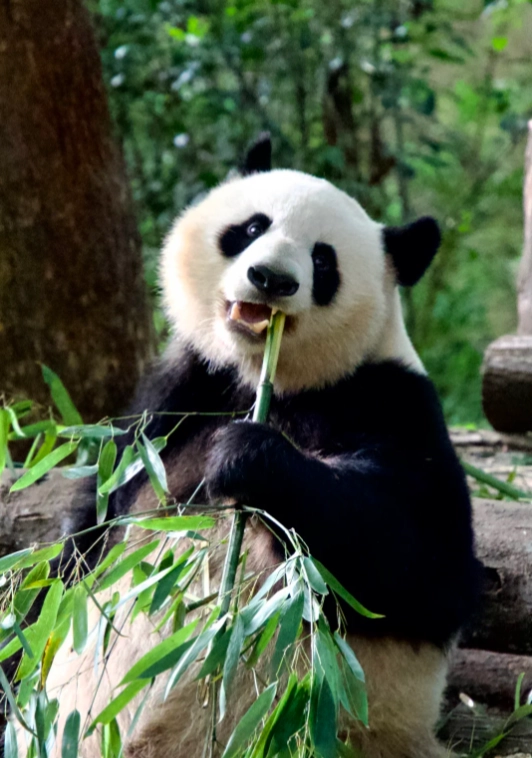
Day 10-12: Guilin & Yangshuo – River, Peaks & Village Life
Day 10: Li River Cruise to Yangshuo. Book the 4-star VIP cruise from Zhujiang Pier (official sites or your hotel). It's less crowded than the standard Mopanshan Pier option. The 4-hour cruise to Yangshuo is the postcard come to life. Disembark in Yangshuo; your hotel can collect your luggage. Evening: See the Impression Sanjie Liu light show directed by Zhang Yimou. It's on the river with karst peaks as the backdrop. Book tickets ahead.
Day 11: Yangshuo Countryside. Rent an e-bike (50 RMB/day). Ride through the Yulong River valley, not the busy main roads. Cross ancient stone bridges, see farmers in rice paddies. Find Gongnong Bridge for the classic photo. Have lunch at a farmer's home like Old Liu's Kitchen (no address, just past Dragon Bridge)—beer fish, local greens. In the afternoon, try bamboo rafting on the calmer Yulong River.
Day 12: Morning in Guilin, Fly to Shanghai. Return to Guilin by car (1.5 hours). If time, visit Elephant Trunk Hill briefly. It's the city symbol. Fly to Shanghai (2 hours).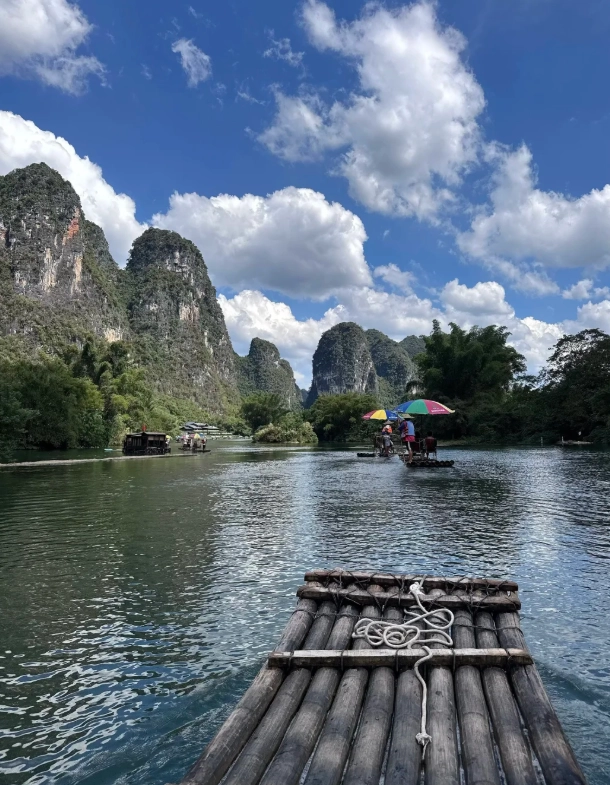
Day 13-14: Shanghai – Bund, Buzz & Final Feasts
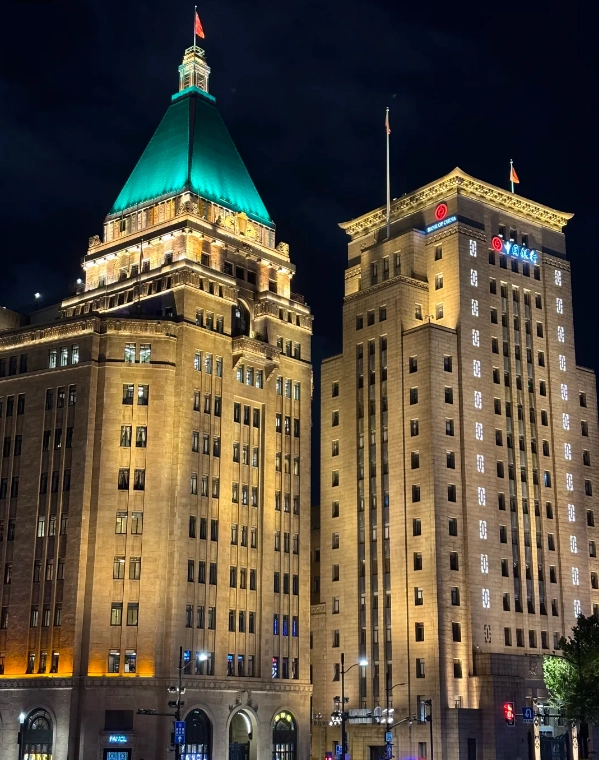
Day 13: Contrasts. Morning in the French Concession. Wander Fuxing Park, see locals ballroom dancing, explore boutique shops on Fumin Road. Lunch at Jesse Restaurant (41 Tianping Road) for classic Shanghainese like braised pork belly. Then, fast-forward: take the metro to Lujiazui in Pudong. Go up the Shanghai World Financial Center observatory (180 RMB). Skip the Oriental Pearl Tower. Evening: Walk the Bund as the skyscrapers light up. For dinner, the hidden Fu 1088 in a mansion serves exquisite Shanghainese in private rooms. Splurge-worthy (~400 RMB/person).
Day 14: Last-Minute Finds & Departure. Visit the Shanghai Museum (People's Square) if you love bronzes and ceramics. Or, for something different, the Power Station of Art (free, contemporary). Last-minute souvenirs? Skip the fake markets. Go to Tianzifang (labyrinth of artsy shops) or buy tea from Wang De Tea on Nanjing West Road. Fly out from Pudong (PVG) or Hongqiao (SHA).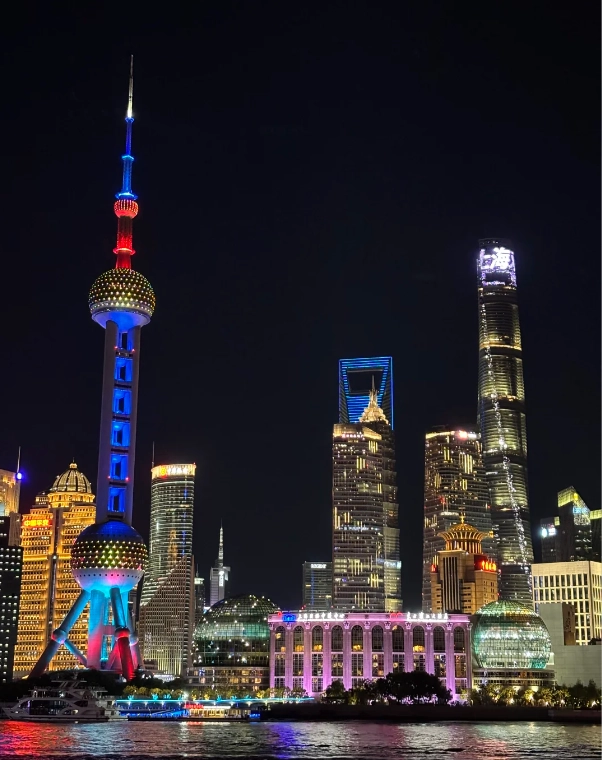
Essential Trip Logistics Before You Go
| What | How-To & My Advice |
|---|---|
| Visa | Apply for a tourist (L) visa well in advance. You typically need a flight & hotel itinerary. Double-check requirements with the Chinese embassy in your country. |
| Payment | Cash is still king for street food & small shops. Link your credit card to Alipay or WeChat Pay before arrival—it's essential for bikeshares, apps, and many restaurants. Notify your bank. |
| Internet | Google, Facebook, WhatsApp are blocked. Get a reliable VPN (like Astrill or ExpressVPN) and install/test it on all devices BEFORE you leave home. Buying a local China Mobile SIM at the airport gives cheap data. |
| Navigation | Apple Maps works. For public transport, use MetroMan app. Didi (China's Uber) has an English interface within its app. |
| Booking Tickets | For trains: Use Trip.com (foreigner-friendly). For major attractions: Check if they have an official English website or WeChat mini-program. Book as soon as the window opens (often 3-10 days ahead). |
FAQ: Your China Trip Questions Answered
Is two weeks in China enough to avoid feeling rushed?
With this itinerary, yes, if you accept you're seeing highlights, not the whole country. The key is overnight trains/flights to maximize daytime, and grouping sights geographically in each city. The one pace-killer is trying to add a 4th mega-destination like Tibet or Zhangjiajie—save those for a separate trip.
What's the biggest mistake first-timers make with a China itinerary?
Underestimating travel time and scale. A "short" 2-hour high-speed train ride still requires getting to the station 45 mins early, security, and a taxi at the other end—it eats half a day. Also, thinking you can see the Forbidden City and the Great Wall in one day. You can't. Be realistic.
 I'm a solo traveler, is this China 2 week itinerary feasible?
Absolutely. China is very safe for solo travelers. For the social aspect, book a bed in a well-reviewed hostel (like Peking International in Beijing) for a few nights to meet others. Use the train journeys for solitude. Some activities, like a private car to Mutianyu, are cheaper if you find 1-2 others to split costs in a hostel common room.
How do I handle food with dietary restrictions (vegetarian, gluten-free)?
It's a challenge, but not impossible. Learn to say "I do not eat meat" (Wo bu chi rou) and "no MSG" (Bu yao weijing). Buddhist temple restaurants (like in Wenshu Monastery, Chengdu) are great for vegetarian feasts. In bigger cities, use the app HappyCow to find vegan/vegetarian spots. For gluten-free, be extra careful with sauces (soy sauce contains wheat). Carry a printed card in Chinese explaining your restriction.
Should I book tours or go independently?
A mix. Go independent in cities like Shanghai, Chengdu, Yangshuo. Book a small-group or private guide for context-heavy sites like the Terracotta Warriors or the Forbidden City. A good guide brings the stones to life. For logistics-heavy day trips (Great Wall, Leshan), a private driver is worth the comfort and time saved.
This article has been fact-checked based on my on-the-ground experience and current travel protocols. Attraction policies can change, so always double-check official websites close to your travel date. Pack comfy shoes, an open mind, and get ready. Your China adventure awaits.





No comments yet.