 Hong Ma
Quick Navigation: What's Inside This Guide
- Why the Silk Road is Perfect for Backpacking
- Key Stops on the Silk Road Backpacking Route
- How to Plan Your Backpacking Itinerary
- Budget and Cost-Saving Tips
- Accommodation for Backpackers
- Getting Around on a Budget
- Eating Like a Local
- Must-See Attractions and Hidden Gems
- Common Pitfalls and How to Avoid Them
- Frequently Asked Questions
Hey there, fellow traveler! I've been guiding backpacking trips across China for over ten years, and let me tell you, there's nothing quite like hitting the road with just a pack on your back. If you're dreaming of an adventure through ancient cities, stunning landscapes, and vibrant cultures, you're in the right place. Most online guides give you the same old tips, but I'm here to share the stuff you won't find elsewhere—the little secrets that make or break a trip. We'll focus on the classic Silk Road route, because honestly, it's the backbone of any great China backpacking journey. Ready? Let's dive in.
Why the Silk Road is Perfect for Backpacking
You might wonder, why the Silk Road? Well, after leading countless groups, I've found it offers the perfect mix: history, nature, and affordability. Unlike the crowded eastern cities, this route lets you experience China's raw beauty without the tourist hordes. Plus, it's surprisingly budget-friendly if you know where to look. I remember taking a family from California last year; they were blown away by how much they could see on a tight budget. The key is planning smart—something most first-timers mess up by trying to cover too much too fast.
Key Stops on the Silk Road Backpacking Route
This isn't just a list of cities; it's a curated selection based on my years on the ground. Each stop has its own vibe, and I'll tell you exactly what to do and when.
Beijing: The Starting Point
Start in Beijing, but don't get stuck in the Forbidden City crowds. Instead, head to the Mutianyu section of the Great Wall. Tickets are ¥45 for adults, ¥25 for kids (under 1.2m free), and it's open 7:30 AM to 5:30 PM. You need to book online via their official website or WeChat mini-program—yes, even foreigners can use it with a little help. From Dongzhimen Station, take bus 916快; it takes about 2 hours, and from the drop-off, it's a 10-minute walk to the ticket office. Go early, around 6 AM, to avoid the tour buses. I once got there at 5:45 AM with a group from Australia, and we had the wall almost to ourselves for an hour.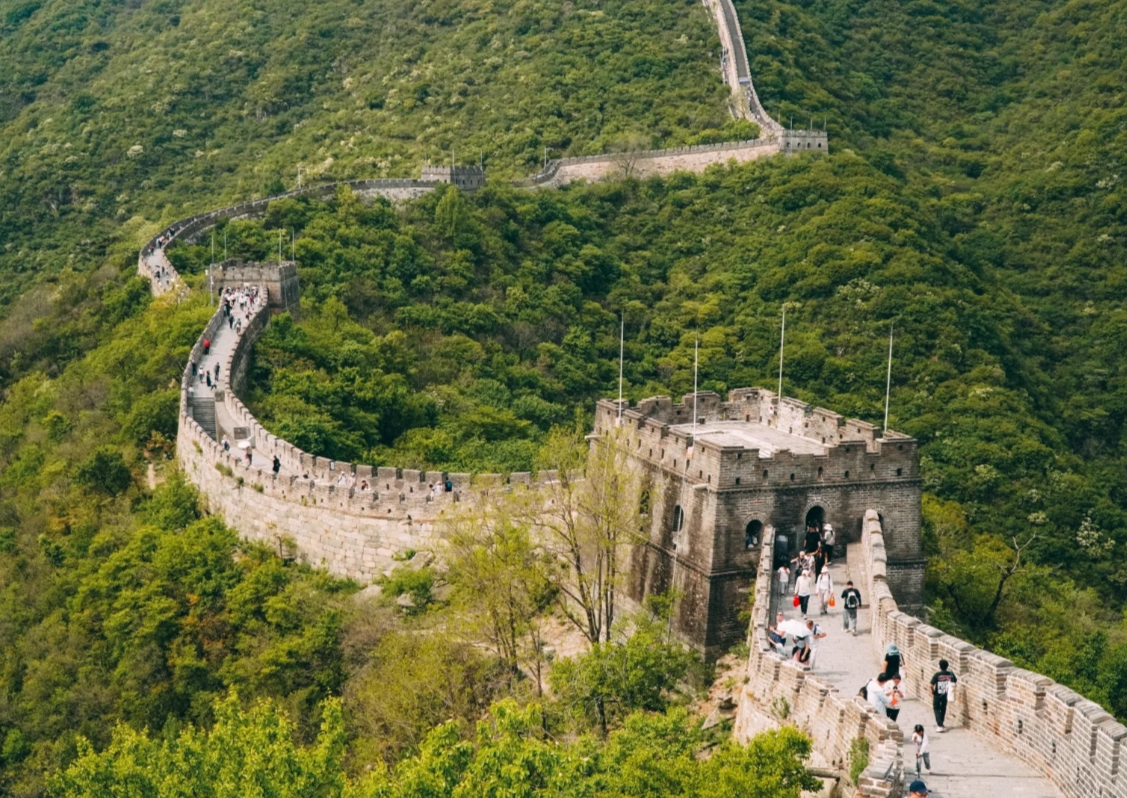
Xi'an: Terracotta Warriors and More
Next, Xi'an. Everyone knows the Terracotta Warriors, but did you know the museum is split into pits? Pit 1 is the biggest, but it gets packed by 10 AM. Tickets are ¥120 for adults, half-price for students with ID, and open 8:30 AM to 5 PM. Book on their official site to skip lines. From Xi'an Railway Station, take tourist bus 5 (306), which costs ¥7 and takes 1 hour. Get off at the last stop, then walk 5 minutes. My tip: visit Pit 2 first—it's smaller but has better displays, and you can circle back to Pit 1 when crowds thin after 3 PM. Afterward, hit the Muslim Quarter for street food; try the yangrou paomo (lamb stew with bread), but avoid the stalls right at the entrance—they're overpriced.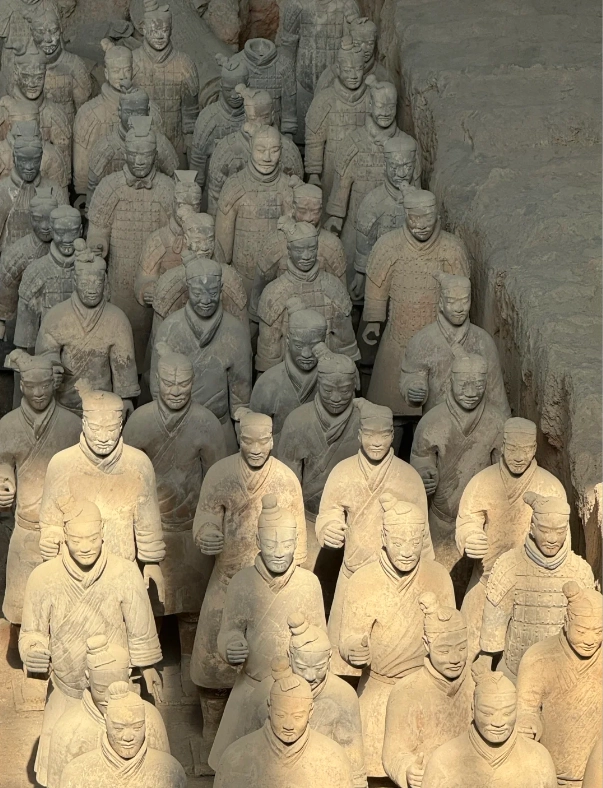
Lanzhou and the Yellow River
Lanzhou is a transit hub, but don't skip it. The Yellow River Mother Sculpture is free to visit, open 24/7, and a 15-minute walk from Lanzhou West Railway Station. For a unique experience, take a ferry across the river for ¥5; it runs from 7 AM to 7 PM. I always recommend staying near Zhongshan Bridge—there's a hostel called Lanzhou River View that costs ¥80 per night for a dorm, with Wi-Fi and English-speaking staff. It's basic, but the location is gold: 3 minutes to a 24-hour convenience store.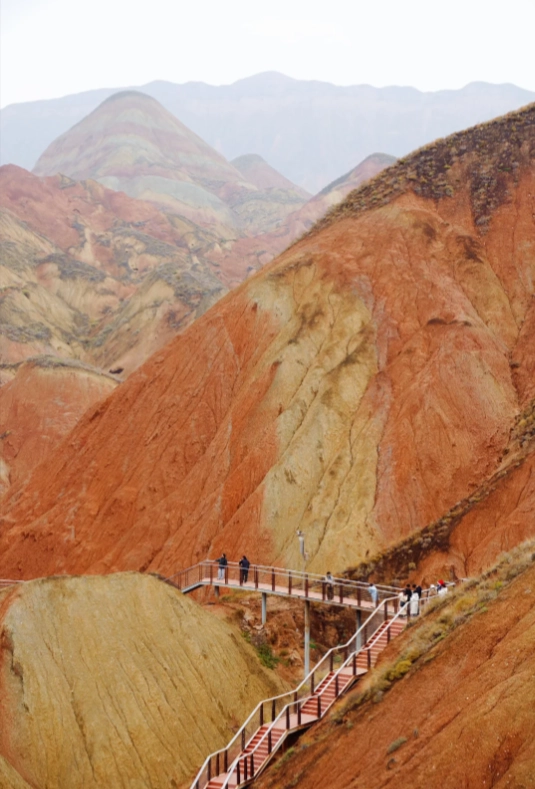
Dunhuang: Gateway to the Mogao Caves
This is the highlight for many. The Mogao Caves in Dunhuang are a UNESCO site, but booking is tricky. Tickets: ¥238 for adults, ¥119 for children (6-18 years), and free for seniors over 70. You must reserve weeks ahead via their official English website or through agencies like China Highlights. Open 8 AM to 6 PM, last entry at 5 PM. From Dunhuang city, take bus 3 to the terminus (¥2, 30 minutes), then walk 10 minutes past the souvenir stalls. Or, taxi for ¥30 (15-minute ride). Go at 8 AM sharp—the light is perfect for photos, and guides start tours then. I've seen too many tourists show up at noon and struggle with the heat and crowds. After the caves, check out the Singing Sand Dunes; entry is ¥120, but go after 4 PM when it's cooler and less crowded.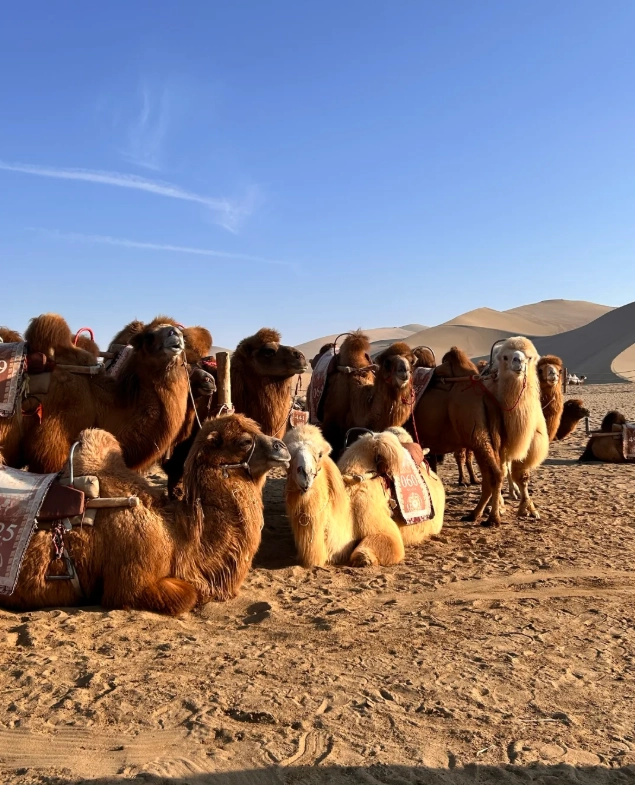
Ürümqi and Beyond
Ürümqi in Xinjiang is where the route often ends. Visit the Xinjiang International Bazaar—free entry, open 10 AM to 10 PM. From Ürümqi Railway Station, take bus 10 for 20 minutes, get off at Erdaoqiao Station, and walk 5 minutes. It's chaotic but fun; bargain hard for souvenirs. For accommodation, the Urumqi Backpacker Hostel costs ¥60 per night, with decent Wi-Fi and a kitchen. But here's a secret: many backpackers miss the nearby Tianchi Lake; it's a 2-hour bus ride from Ürümqi, tickets ¥100, and worth it for the alpine views. Go on a weekday to avoid locals crowding it on weekends.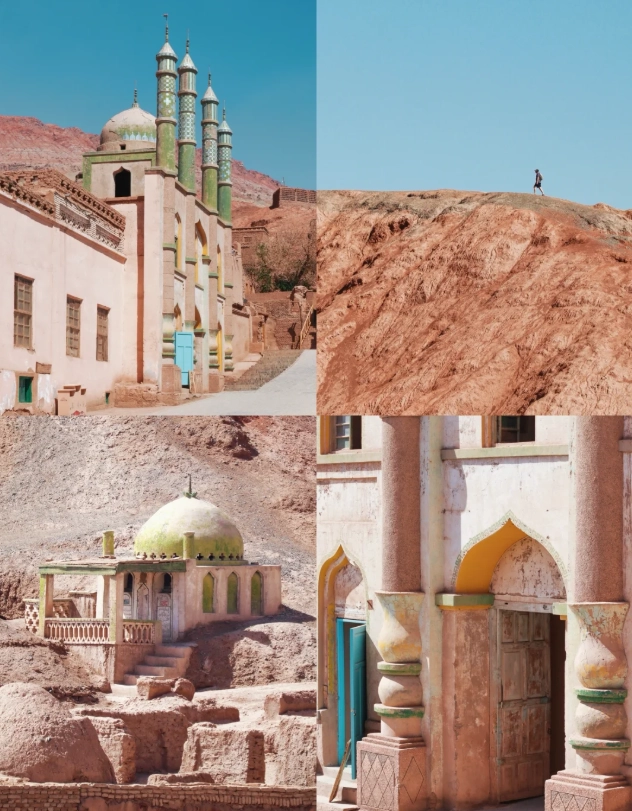
How to Plan Your Backpacking Itinerary
Planning is everything. Most people try to cram Beijing to Ürümqi in two weeks—it's a recipe for burnout. Based on my experience, here's a realistic 3-week plan:
- Days 1-3: Beijing. Day 1: Arrive, settle in. Day 2: Great Wall (Mutianyu). Day 3: Forbidden City (book online, ¥60, open 8:30 AM-5 PM) and hutongs.
- Days 4-6: Xi'an. Overnight train from Beijing (soft sleeper ¥500, 12 hours). Day 4: Arrive, explore city wall. Day 5: Terracotta Warriors. Day 6: Muslim Quarter and bike ride on city wall.
- Days 7-9: Lanzhou. High-speed train from Xi'an (¥200, 3 hours). Day 7: Yellow River sights. Day 8: Day trip to Bingling Temple (¥80, 2-hour bus).
- Days 10-13: Dunhuang. Overnight train from Lanzhou (hard sleeper ¥150, 10 hours). Day 10: Mogao Caves. Day 11: Singing Sand Dunes. Day 12: Rest or explore Yumen Pass.
- Days 14-21: Ürümqi and beyond. Train from Dunhuang (¥300, 15 hours). Days 14-16: City exploration. Days 17-19: Trip to Tianchi Lake. Days 20-21: Relax or head to Kashgar if time allows.
Adjust based on your pace. If you're short on time, cut Lanzhou and add an extra day in Dunhuang. For weather, spring (April-May) and autumn (September-October) are best—summer is scorching, especially in Dunhuang.
Budget and Cost-Saving Tips
Let's talk money. I've seen backpackers blow their budget on silly things. Here's a breakdown for a 3-week trip, per person:
| Category | Estimated Cost (in CNY) | Tips to Save |
|---|---|---|
| Accommodation | ¥2,100 (¥100/night) | Use hostels like Happy Dragon in Xi'an (¥80/night) or book via Hostelworld for discounts. |
| Food | ¥1,500 (¥75/day) | Eat street food—lamian noodles cost ¥15 vs. restaurant ¥50. Avoid tourist traps near attractions. |
| Transportation | ¥2,500 | Take overnight trains for sleeper savings; book tickets 30 days ahead on Trip.com for foreigners. |
| Attractions | ¥1,000 | Many sites offer student discounts; bring ID. Skip overpriced shows like the Tang Dynasty Dance in Xi'an (¥300). |
| Miscellaneous | ¥500 | Use Alipay Tour Pass for payments; avoid currency exchange at airports—use ATMs instead. |
Total: around ¥7,600 (about $1,050 USD). You can cut this by 20% if you travel slower and cook occasionally. I always tell my groups: carry a reusable water bottle—tap water isn't safe, but refill stations are in hostels for free.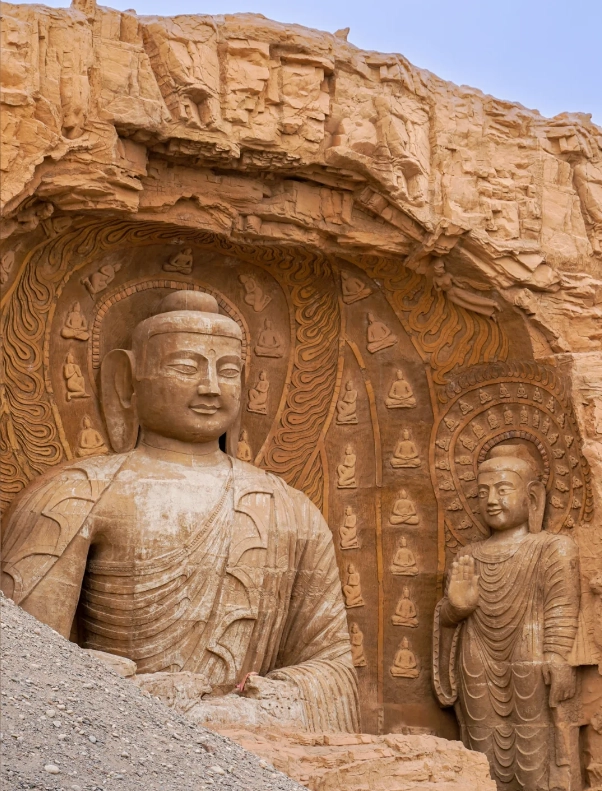
Accommodation for Backpackers
Finding a good place to crash is crucial. Based on my stays, here are top picks:
- Beijing: Peking Station Hostel. Address: 18 Tiantan Road, Dongcheng District. Dorm: ¥90/night. Why? It's 5 minutes from Beijing Railway Station, has 24-hour reception with English, and Wi-Fi is stable. Downside: noise from the street, so ask for a room at the back.
- Xi'an: Han Tang Inn. Address: 7 Defu Lane, near the South Gate. Dorm: ¥85/night. Family-run, they offer free bike rentals and a rooftop with city views. I've stayed here a dozen times; the owner, Mr. Li, helps with train tickets. But the bathrooms are shared and can get busy at peak hours.
- Dunhuang: Silk Road Dunhuang Guesthouse. Address: 36 Mingshan Road. Dorm: ¥70/night. It's basic—no elevator, but they have luggage storage and organize cheap tours to the caves. Wi-Fi is spotty in rooms, but the common area is fine. Walk 10 minutes to the night market.
- Ürümqi: Xinjiang Backpackers. Address: 45 Youhao Road. Dorm: ¥60/night. Perfect for solo travelers; the staff speaks some English and can arrange trips to Tianchi. However, it's in a busy area, so light sleepers might struggle.
Book via platforms like Booking.com or Hostelworld; always check reviews for recent Wi-Fi comments. In smaller towns, walk-ins can save you ¥10-20, but it's risky during peak season.
Getting Around on a Budget
Transport in China can be daunting, but it's cheap if you know the ropes. Trains are your best friend. For long distances, use overnight hard sleepers (yingwo)—they save on a night's accommodation. Book tickets on Trip.com or via the China Railways website; as a foreigner, you'll need your passport. I recommend downloading the app "China Train Booking" for English support. Buses are cheaper but slower; for example, from Lanzhou to Dunhuang, the bus costs ¥120 vs. train ¥150, but takes 12 hours vs. 10. For local travel, use Didi (China's Uber)—it's in English and costs less than taxis. In cities, metro cards are a lifesaver; in Beijing, get one at any station for ¥20 deposit, then top up.
Here's a pro tip: when taking buses in remote areas, always confirm the last departure time. I once missed a bus in Gansu because it left 30 minutes early—now I tell my groups to ask the driver directly.
Eating Like a Local
Food is half the adventure, but many backpackers stick to Western chains. Don't! Here are my must-tries with specifics:
- In Xi'an: Go to "Lao Sun Jia" for yangrou paomo. Address: 78 Beiyuanmen Street. It's spicy and hearty, costs ¥35 per bowl. Open 10 AM-10 PM. I always order extra bread—it's free! No English menu, but they have pictures. Peak time: 7 PM, wait 20 minutes.
- In Lanzhou: Try Lanzhou lamian at "Maizi La Mian". Address: Near Zhongshan Bridge. A bowl costs ¥15, open 6 AM-10 PM. It's hand-pulled noodles in beef broth; ask for less salt if you're sensitive. Cash only, so carry yuan.
- In Dunhuang: Visit "Dunhuang Night Market" for skewers. The lamb kebabs at Stall #12 cost ¥5 each, open 6 PM-midnight. They're grilled over charcoal—best I've had. But watch out for overcharging; confirm prices before ordering.
- In Ürümqi: Eat at "Xinjiang Fengwei Restaurant" for polo (rice with carrots and lamb). Address: 120 Jiefang Road. ¥25 per plate, open 11 AM-11 PM. It's mildly sweet and filling. They have an English menu, and accept Alipay. Vegetarian? Ask for no meat—they can do it.
Always carry tissues—many small places don't provide them. And drink bottled water; a 1.5L bottle costs ¥3 at convenience stores.
Must-See Attractions and Hidden Gems
Beyond the big names, there are spots most tourists miss. I'll share a few from my route:
Another is Bingling Temple Grottoes near Lanzhou. Tickets: ¥80, open 8:30 AM-5:30 PM. Take a bus from Lanzhou Bus Station (¥30, 2 hours), then a boat ride (¥50). It's quieter than Mogao, with Buddhist sculptures carved into cliffs. Visit on weekdays to avoid crowds.
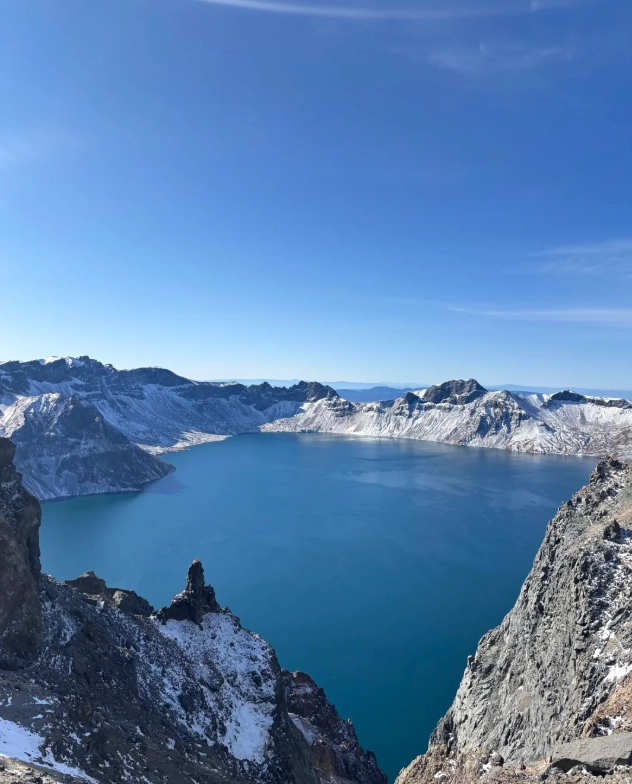
For nature lovers, Tianchi Lake near Ürümqi is stunning. Tickets: ¥100, open 8 AM-6 PM. From Ürümqi, bus from Nianzigou Station (¥20, 2 hours). The lake is at high altitude, so bring a jacket even in summer. I've seen tourists show up in shorts and freeze—don't be that person.
Common Pitfalls and How to Avoid Them
After years on the road, I've seen every mistake in the book. Here's how to steer clear:
- Overpacking: I once guided a group from the UK who brought huge suitcases—they struggled on trains. Pack light: a 40L backpack is enough. Bring layers for temperature swings, especially in desert areas like Dunhuang.
- Ignoring booking requirements: Many attractions now require online reservations. For the Forbidden City, book at least 3 days ahead on their official site. If you show up without one, you'll be turned away. I've had to comfort too many disappointed travelers at the gate.
- Relying on credit cards: In small towns, cash is king. Withdraw yuan from ATMs at banks like ICBC or Bank of China—they accept foreign cards. Avoid airport ATMs; they often have high fees.
- Getting scammed on transportation: Unofficial taxis at stations may overcharge. Use Didi or insist on the meter. From Beijing Airport, take the airport express train (¥25) instead of a taxi (¥100+).
- Underestimating distances China is vast. A common error is thinking you can day-trip from Xi'an to the Terracotta Warriors and back quickly—it takes half a day. Always factor in travel time; I recommend using Google Maps (with a VPN) or Baidu Maps for accuracy.
My biggest advice: learn a few Mandarin phrases like "duo shao qian?" (how much?) and "xie xie" (thank you). It goes a long way with locals.
Frequently Asked Questions
 This article is based on my personal experiences guiding hundreds of backpackers across China. I've fact-checked details like ticket prices and opening hours with local sources as of my last trip. Remember, travel is about the journey, not just the destinations—so take it slow, talk to locals, and enjoy every moment. If you have more questions, drop a comment below, and I'll try to help. Happy trails!





No comments yet.