 Qiang Huang
Let's be honest. You're searching for Nanjing must-see attractions because your time is limited and you don't want to waste it. I get it. After a decade of guiding families, history buffs, and solo travelers through this city, I've seen the good, the crowded, and the genuinely overrated. Nanjing isn't just a list of old buildings; it's a layered story of empires, republics, and resilience, all wrapped in a surprisingly green and walkable city. This guide won't just tell you what to see. I'll show you how to see it efficiently, share the little tricks that save hours, and point out the spots most tourists rush past but shouldn't.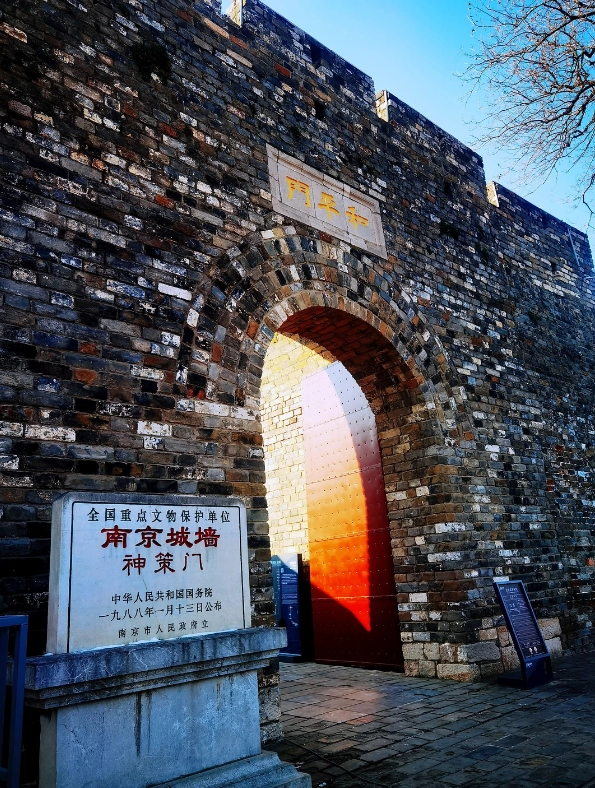
Your Nanjing Cheat Sheet: Jump to What You Need
The Unmissable Core Four: More Than Just a Photo Stop
Most lists will give you ten places. If you're short on time, these four are non-negotiable. They define Nanjing.
1. Sun Yat-sen Mausoleum (Zhongshan Ling)
This isn't just a tomb; it's a national symbol and an architectural statement. The blue-tiled pavilion sits at the peak of a monumental staircase. The climb is 392 steps—I've counted them with countless groaning tourists. Here's how to do it right.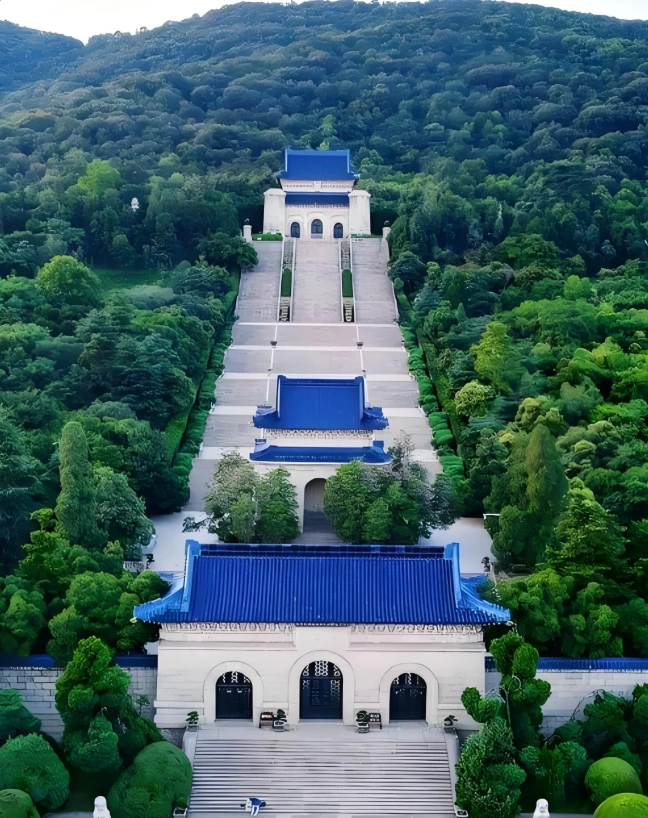
Logistics: Entry is free, but you MUST book a timeslot online in advance. Do this via the WeChat mini-program "Zhongshan Ling" or their official site. No booking, no entry. It opens 8:30 AM-5:00 PM (last entry 4:30). Take Metro Line 2 to Muxuyuan Station, Exit 1. From there, it's a 15-minute walk or a 5-minute taxi ride to the visitor center. Allocate 2-3 hours for the area. Best light for photos? Late afternoon. The white stone and blue tiles glow.
2. The Nanjing City Wall (at Jiming Temple or Zhonghua Gate)
The Ming Dynasty wall is the longest surviving city wall in the world. Walking it lets you touch history literally. But which section? Most guides say Zhonghua Gate (Zhonghua Men). It's impressive, but my favorite slice is near Jiming Temple.
Why? You get a triple-view: the ancient wall, the modern Zifeng Tower skyscraper, and the Xuanwu Lake. It's the perfect juxtaposition of old and new Nanjing. The section from Jiming Temple to Taicheng (the Broken Wall) is about a 30-minute walk and is less restored, more atmospheric.
Logistics: The wall has multiple sections with separate tickets (about 30 RMB). The Jiming Temple section is accessed from the temple itself (10 RMB temple entry). Zhonghua Gate has a larger museum and costs about 50 RMB. Closest metro to Jiming Temple is Line 4, Jimingsi Station, Exit 5. For Zhonghua Gate, it's Line 1, Zhonghuamen Station, Exit 2. Give yourself 1.5 hours. Go before 10 AM or after 3 PM to avoid the midday heat on the exposed stone.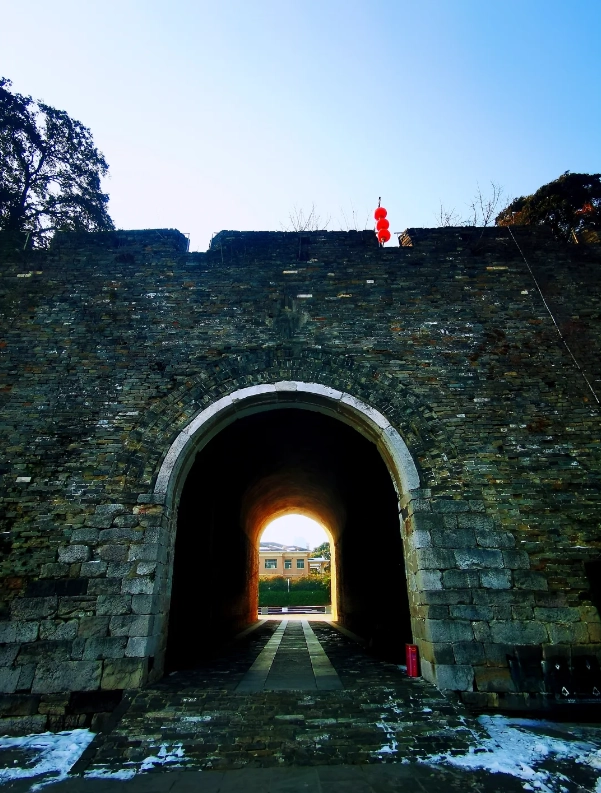
3. Confucius Temple & Qinhuai River Scenic Area (Fuzimiao)
This is Nanjing's historic entertainment district. Yes, it's touristy. Yes, it's packed at night. But skipping it is a mistake. The key is managing expectations. Come for the atmosphere, the lantern-lit river, and the sense of place, not for a serene cultural experience.
Logistics: The temple area is free to wander; entering the actual temple costs about 30 RMB. It's open late, but shops start closing around 10 PM. Take Metro Line 3 to Fuzimiao Station. The best time to arrive is around 5 PM. See the temple in daylight, then watch the area light up as night falls. Take a river cruise (about 80 RMB, 40 minutes) after dark—it's cheesy but gives you the best views. Allocate 2-3 hours for dinner and wandering.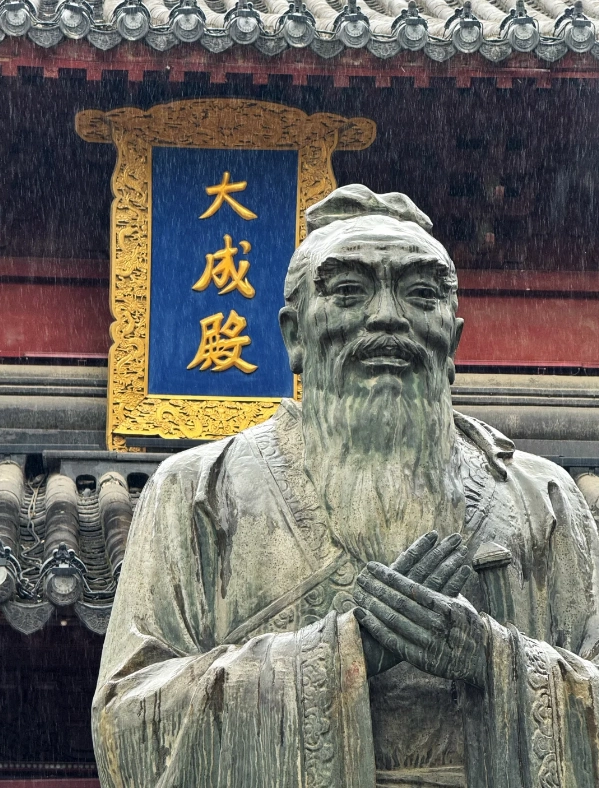
4. The Memorial Hall of the Victims in the Nanjing Massacre
This is a difficult but essential visit. It's a solemn, powerful museum documenting the events of 1937. It's not an "attraction" in the cheerful sense; it's a place of remembrance. The architectural design alone, with its stark gravel and weeping walls, is profoundly moving.
Logistics: Entry is free. You need to reserve online (through their official WeChat account or site) and bring your passport for entry. It's closed on Mondays. Open 8:30 AM-4:30 PM. No photos allowed in most exhibition halls (they enforce this strictly). Take Metro Line 2 to Yunjinlu Station, Exit 2. It's a 5-minute walk. Plan for 1.5 to 2 hours. It's emotionally heavy, so I often advise clients to schedule something light afterwards.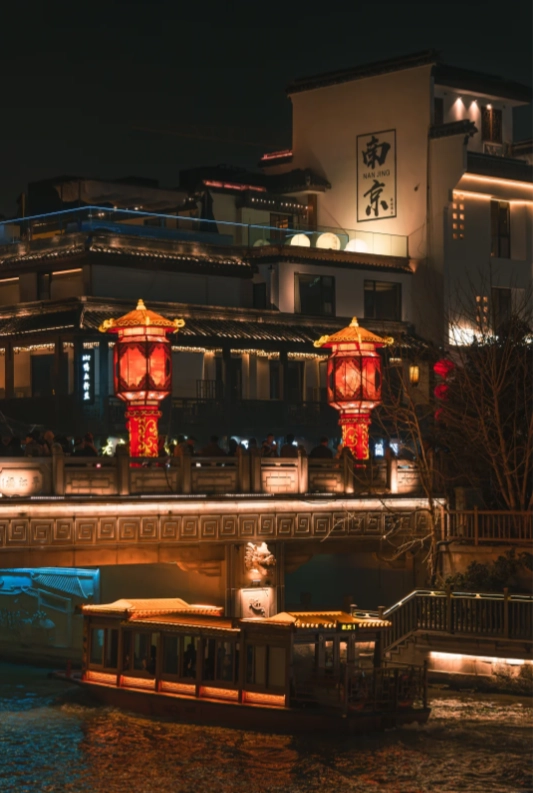
| Attraction | Key Need-to-Know | Best Time to Visit | Suggested Duration |
|---|---|---|---|
| Sun Yat-sen Mausoleum | FREE, but online reservation mandatory. Big climb. | Late afternoon for light; Weekdays. | 2-3 hours (for the area) |
| Nanjing City Wall (Jiming) | Buy ticket on-site. Multiple sections. | Early morning or late afternoon. | 1.5 hours |
| Confucius Temple Area | Free to walk. Crowded at night. River cruise at dark. | Late afternoon into evening. | 2-3 hours |
| Memorial Hall | FREE, online reservation & passport required. No photos. Closed Monday. | Morning. | 1.5-2 hours |
The Smart 24-Hour Nanjing Blitz: If You Only Have One Day
I once guided a businessman who had exactly 9 hours between meetings. Here’s the refined version of that whirlwind tour, designed to maximize impact and minimize transit time.
8:00 AM: Start at Zhonghua Gate (Nanjing City Wall). It opens early, and you'll have the massive fortress complex mostly to yourself. Spend an hour exploring the gate towers and dungeons.
9:30 AM: Taxi (15 mins, ~20 RMB) or Metro (Line 1 to Zhangfuyuan, change to Line 2) to Sun Yat-sen Mausoleum. Use your pre-booked slot. Take the shuttle to Linggu Temple, walk down, see the Mausoleum. Be walking down by 12:30 PM.
1:00 PM: Grab a quick lunch in the Xiaowei area near the Mausoleum. Look for local noodle (pai dui mian) or dumpling (guotie) shops. Avoid the overpriced tourist canteens at the top.
2:30 PM: Taxi (25 mins, ~35 RMB) to the Memorial Hall. Use your afternoon reservation. This quiet, contemplative time is important.
4:30 PM: Metro (Line 2 to Daxinggong, change to Line 3) to Confucius Temple. Arrive as daylight starts to fade. Wander, find dinner on a side street (try Nanjing salted duck).
7:30 PM: Take the Qinhuai River night cruise. Book your ticket as soon as you arrive to get a good timeslot.
9:00 PM: You're done. Grab a taxi back to your hotel from outside the metro station.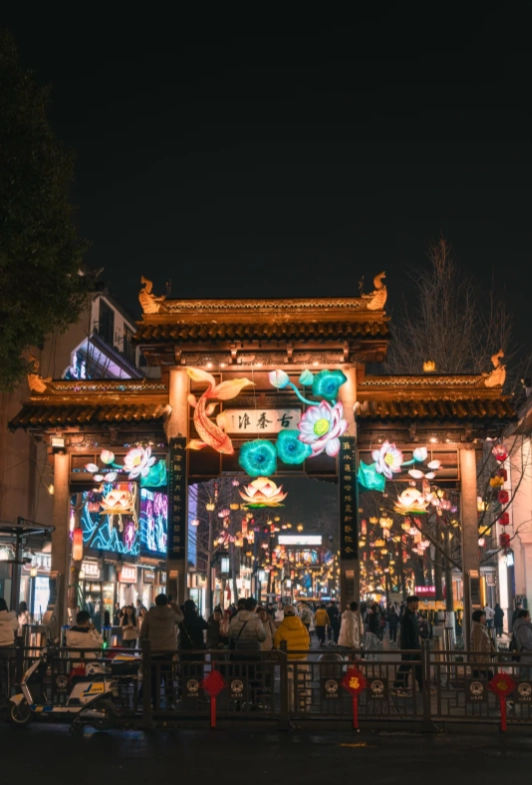
Plan B for Bad Weather or Exhaustion: Swap the Mausoleum morning for the Nanjing Museum (free, reservation needed, massive and world-class). Then do the Memorial Hall in the afternoon, and Confucius Temple in the evening as planned. You stay dry and still hit major cultural highlights.
Getting Around Nanjing: Practical Tips That Save Headaches
Nanjing's metro system is excellent, clean, and has English signs. Download the "MetroMan" app for offline route planning. Taxis are plentiful and cheap. Didi (China's Uber) works perfectly.
Payment: For metro/bus, use Alipay or WeChat Pay. Set up the "Transport" card function in Alipay before you go. Most taxis accept cash, but having Alipay is easier. International credit cards are NOT widely accepted for transport or small vendors.
Language: In tourist areas, basic English is understood at ticket counters. For everything else, have your hotel write down your destination in Chinese characters, or use a translation app like Google Translate (download the Chinese language pack offline).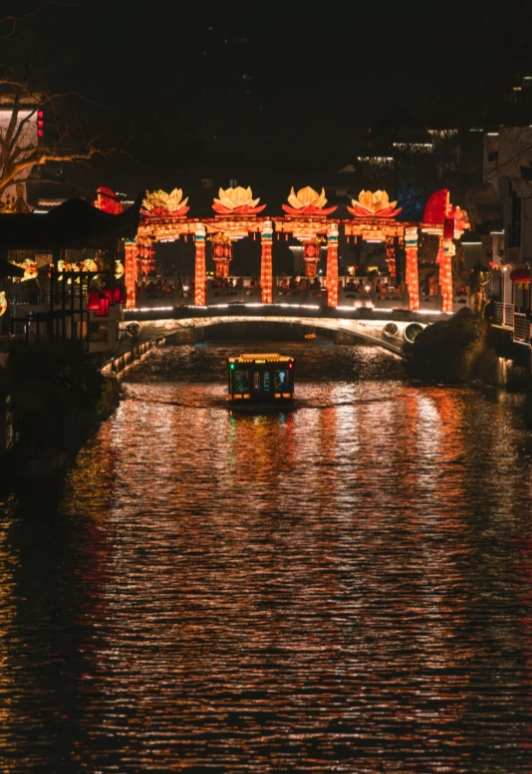
FAQ: Your Nanjing Trip Answered (By a Guide, Not a Search Engine)
Nanjing rewards the prepared traveler. Its must-see attractions are more than checkboxes; they're chapters in a story. With this plan, you're not just seeing them—you're experiencing them efficiently and deeply. Book those reservations, wear good shoes, and get ready to walk through history.
This article is based on my personal, on-the-ground experience guiding in Nanjing. Details like opening hours and ticketing policies are current as of my last visit and have been fact-checked against official sources.






No comments yet.