 Hong Ma
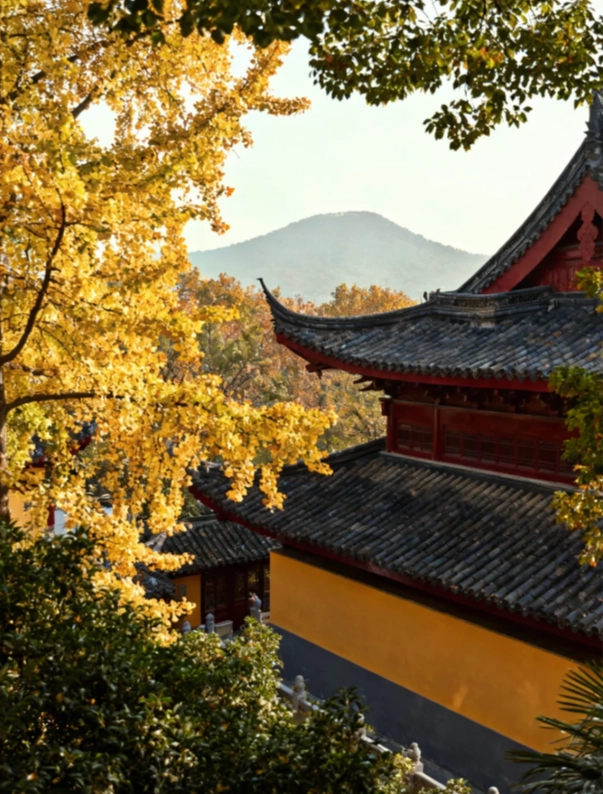
After a decade of leading tours in China, I can tell you straight up: if you want to see Nanjing at its best, aim for autumn. October through early November is pure magic. The crowds thin out after National Day, the weather is crisp without being cold, and the ginkgo trees turn the city into a golden wonderland. But let's break it down—every season has its quirks, and I've seen enough tourists make mistakes to know what really works.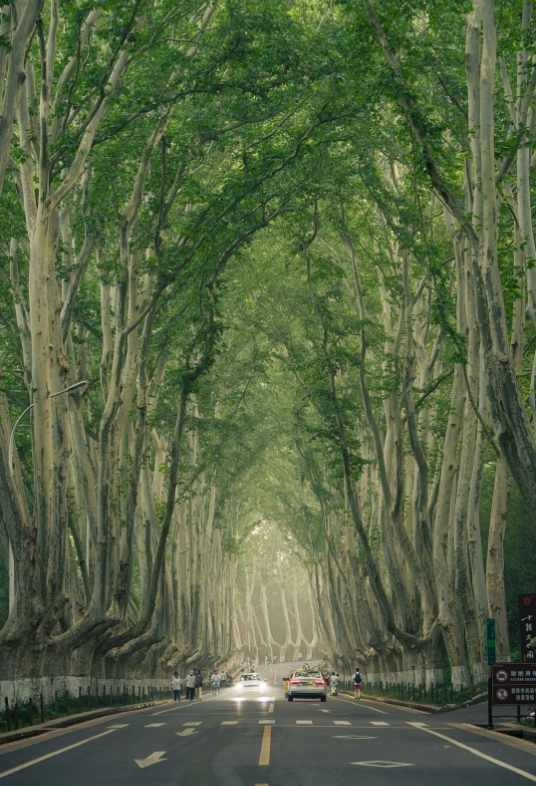
Jump to What You Need
Why Autumn Reigns Supreme in Nanjing
Most guides will tell you autumn is good, but they don't explain why it's a game-changer. I've taken groups from the US and Europe during this time, and the relief on their faces when they step outside without sweating or shivering is priceless. Here's the nitty-gritty.
Weather Perfection: Mild and Dry
From late September to November, temperatures hover between 15°C and 25°C (59°F to 77°F). It's dry, with minimal rain—perfect for walking all day. I remember one October afternoon at the Sun Yat-sen Mausoleum; the sky was so clear you could see every detail of the architecture without squinting. Compare that to summer, where humidity hits 80% and you're drenched by 10 AM.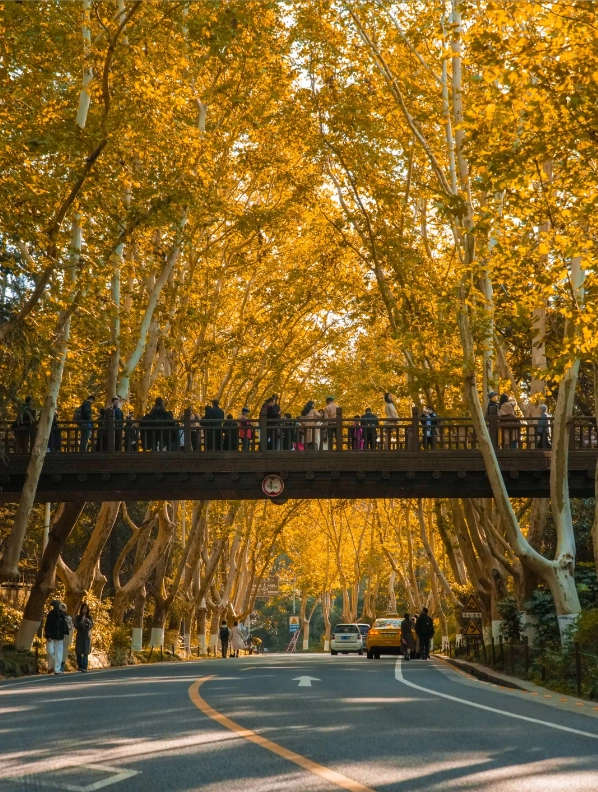
Festivals and Events Without the Madness
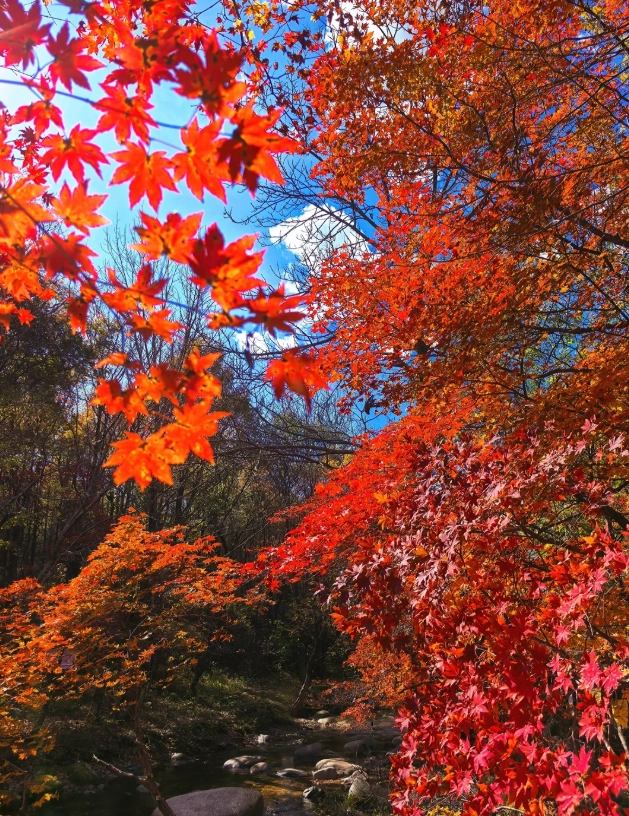
Autumn hosts the Nanjing International Maple Leaf Festival, usually in late October. It's centered around Qixia Mountain, where the maple leaves blaze red. Most tourists flock there on weekends, but go on a weekday morning. I always advise my groups to arrive by 8 AM—you'll have the trails to yourself for at least an hour. Tickets cost around 40 RMB for adults, with half-price for seniors and kids. Book via the official WeChat mini-program "Nanjing Tourism" to skip the line. Address: Qixia District, Nanjing; take metro Line 2 to Xianlin Station, then bus 138. The walk from the bus stop is 10 minutes, past small tea stalls.
Personal Tip: After Qixia Mountain, head to the nearby Yangtze River Bridge. Sunset in autumn is stunning, but bring a jacket—the river breeze gets chilly fast. I once saw a couple from Australia miss this because they didn't check the closing time; the bridge walkway closes at 6 PM in off-season.
Spring: The Blossoming Alternative
Spring, from March to May, is a close second. The city blooms with cherry blossoms and peonies, but it comes with a catch: unpredictable rain and bigger crowds. If you hate umbrellas, think twice.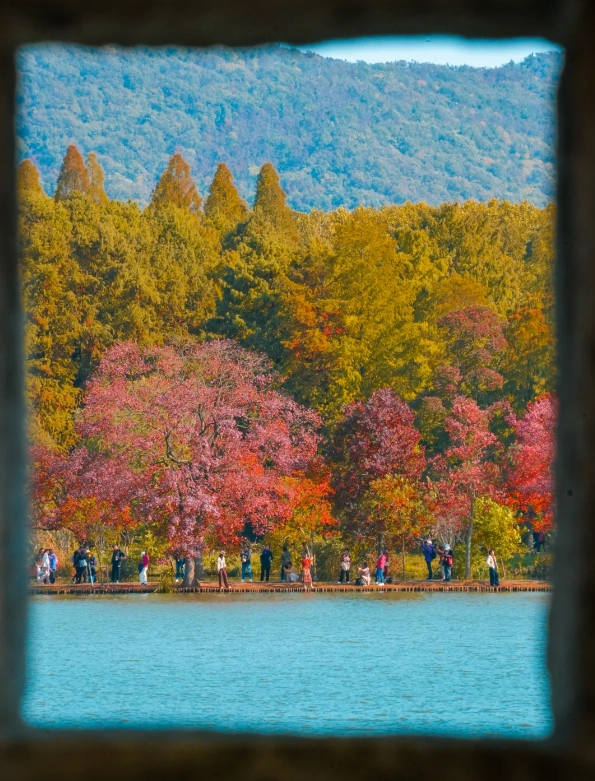
The must-see is the Nanjing University campus for cherry blossoms, free to enter. Peak bloom is mid-March, but it lasts only a week. Go on a weekday afternoon around 3 PM—the light is soft for photos, and students are in class. Address: 22 Hankou Road, Gulou District; metro Line 1 to Gulou Station, Exit 2, then a 5-minute walk. No booking needed, but avoid weekends unless you enjoy elbow-to-elbow crowds.
Another spot is Mochou Lake Park. Entry is 35 RMB, open 7 AM to 6 PM. The peonies in April are gorgeous, but the paths get muddy after rain. Wear sturdy shoes. I've slipped there myself, and it's not fun.
Summer and Winter: Navigating the Extremes
Summer (June to August) is hot and humid, with temperatures soaring to 35°C (95°F). Winter (December to February) can drop to 0°C (32°F), with occasional snow. I don't recommend these for first-timers, but if you're stuck, here's how to cope.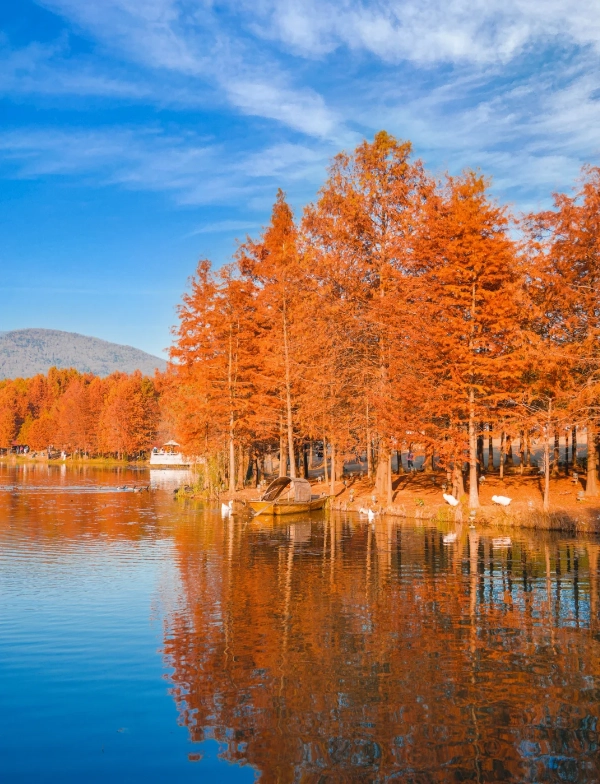
Summer Survival Guide
Plan indoor activities for midday. The Nanjing Museum is a lifesaver—free entry, but you must book online via their English website. It's open 9 AM to 5 PM, closed Mondays. Address: 321 Zhongshan East Road; metro Line 2 to Minggugong Station, Exit 1. The air conditioning is strong, so bring a light sweater. I took a family from Texas last July, and we spent two hours here just to cool down.
For outdoor sights like the Confucius Temple, go early. It opens at 8:30 AM, and the first hour is quiet. Tickets are 30 RMB, no need to pre-book. Address: Qinhuai District; metro Line 1 to Confucius Temple Station, Exit 3. The area gets packed by 11 AM, and the heat reflects off the stone paths.
Winter Workarounds
Winter is cold but less crowded. The Purple Mountain is beautiful with frost, but some trails close due to ice. Check the Purple Mountain Scenic Area website for updates. The Sun Yat-sen Mausoleum remains open, but dress in layers. I've seen tourists in sneakers slip on icy steps; wear boots with grip.
Hot pot becomes your best friend. Try Deji Plaza's Haidilao—it's chain, but reliable. Address: 18 Zhongshan Road; open until 2 AM.人均 around 150 RMB. They have English menus and accept international cards. The wait can be 30 minutes at dinner, so go at 5 PM.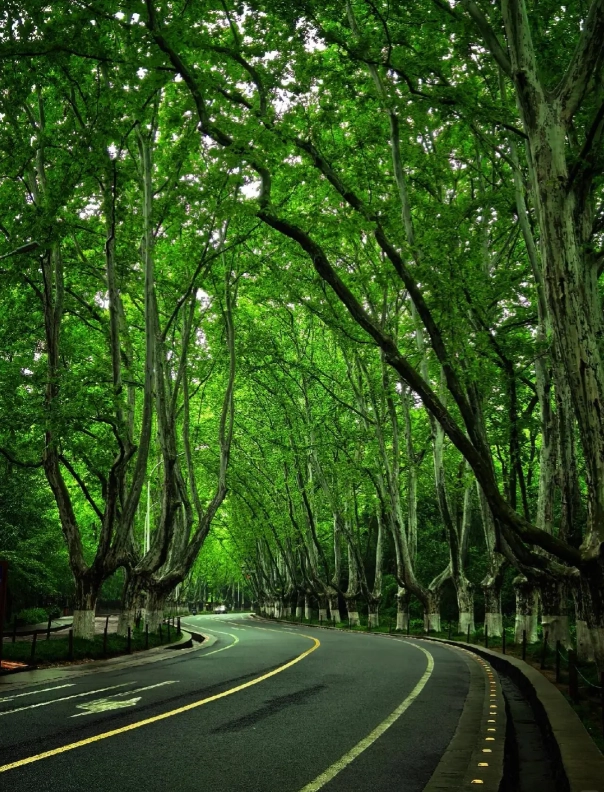
Your Seasonal Nanjing Itinerary
Let's get practical.If you have 24 hours in Nanjing—here's how I'd squeeze the best out of each season.
Autumn 24-Hour Blitz
8 AM: Start at Sun Yat-sen Mausoleum. Pre-book tickets online (80 RMB adult). Metro Line 2 to苜蓿园 Station, Exit 1, then shuttle bus (10 RMB). Spend 2 hours. 11 AM: Taxi to Confucius Temple (15 minutes, about 20 RMB). Lunch at a local restaurant like Nanjing Da Pai Dang—try salted duck, their specialty. 80 RMB. 1 PM: Walk along Qinhuai River, then metro to Xinjiekou for shopping. 5 PM: Head to Yangtze River Bridge for sunset. 7 PM: Dinner at a hot pot spot in the city center.
Spring 24-Hour Adaptation
Swap the mausoleum for Nanjing University in the morning to catch blossoms. Afternoon, visit Mochou Lake Park. If it rains, pivot to the Nanjing Museum as Plan B.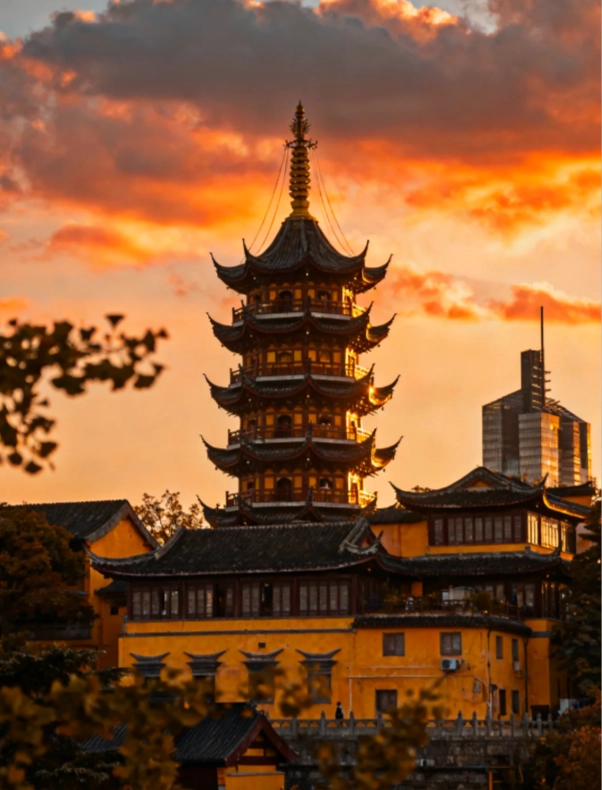
For longer stays, consider this seasonal table to prioritize:
| Season | Best For | Avoid | Key Tip |
|---|---|---|---|
| Autumn (Sep-Nov) | Outdoor sightseeing, festivals | Weekends at Qixia Mountain | Book tickets online, layer clothing |
| Spring (Mar-May) | Flowers, mild weather | Rainy days without backup plans | Check bloom forecasts, carry umbrella |
| Summer (Jun-Aug) | Indoor museums, evening walks | Midday outdoor activities | Start early, stay hydrated |
| Winter (Dec-Feb) | Fewer crowds, winter scenery | Icy trails, late-night outings | Wear thermal layers, verify closures |
Insider Tips: Booking and Transport
Nanjing has improved its tourist infrastructure, but pitfalls remain. Here's what most guides won't tell you.
Booking Attractions: Many sites now require online reservations, especially post-pandemic. Use the WeChat mini-program "Nanjing Travel" or official websites like www.nanjingmuseum.com. For English support, the CTrip app works well. I've seen tourists show up at the Ming Xiaoling Mausoleum without a booking and get turned away—it's 70 RMB adult, and slots fill fast on holidays.
Getting Around: Metro is efficient; buy a rechargeable card at any station. Taxis are cheap but avoid rush hours (7-9 AM, 5-7 PM)—a 15-minute ride can double in time. Didi (China's Uber) accepts international cards if you set it up beforehand. For buses, have small change; most cost 2 RMB.
Accommodation: Stay near Xinjiekou for convenience. The Crowne Plaza Nanjing has rooms from 800 RMB/night in peak season, with English-speaking staff. For budget travelers, the Blue Mountain Youth Hostel near Confucius Temple charges 150 RMB for a dorm bed—Wi-Fi is spotty, but the location is golden. Book via Hostelworld for better rates.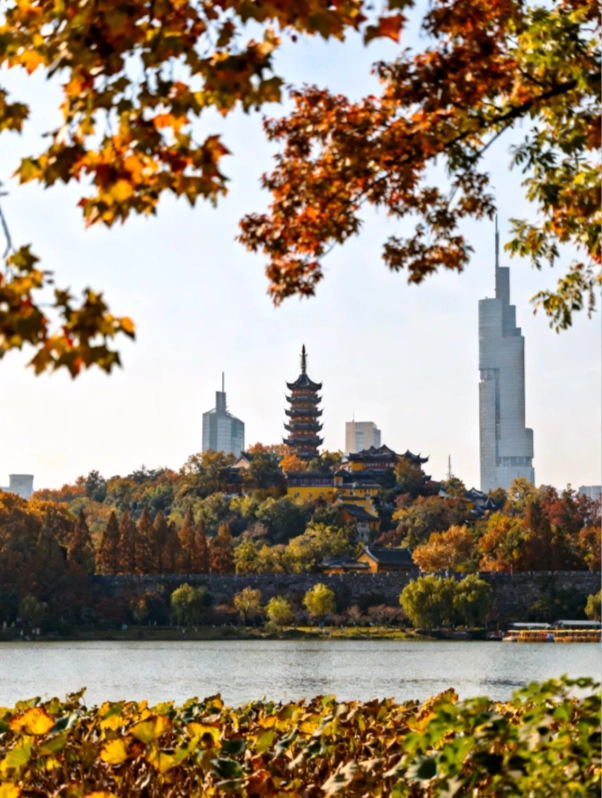
Local Secret: Want a quiet evening? Skip the crowded Qinhuai River boats and walk the city wall near Zhonghua Gate. It's open until 9 PM, ticket 50 RMB. The view of the old city is breathtaking, and hardly any tourists go there after dark. I stumbled upon this with a group from the UK, and it became their highlight.
Frequently Asked Questions
 This article has been fact-checked based on my personal experiences and latest local updates. Nanjing's charm is year-round, but with these tips, you'll navigate it like a pro. Pack wisely, book ahead, and enjoy the journey!





No comments yet.