 Yan Zhou
Quick Navigation – What's Inside
Let me paint a picture: you're on a tight schedule, your WeChat Pay keeps failing, and you're stuck in a sea of selfies at a famous Chinese temple. That's not Jiangxi. Jiangxi is the underrated gem of eastern China—where ancient villages stay quiet, mountains hide in mist, and you can still find a world-class ceramic town without crowds. As a China travel guide who has led countless trips through this province, I can tell you that when travelers ask me 'is Jiangxi worth visiting?', my answer is an emphatic yes—if you go with the right plan. Here's the short version: skip the tourist-packed highlights, spend your time in Wuyuan and Lushan, and prepare for a province that rewards slow travelers. Now, let me save you days of research.
Why Visit Jiangxi: 7 Compelling Reasons
I could give you a hundred reasons to visit Jiangxi, but these seven capture the essence of what makes this province special.
- Wuyuan Ancient Villages: This is rural China at its most photogenic — ancient Huizhou-style houses, golden rapeseed fields in spring, and peaceful canals. I've taken dozens of clients here, and every single one left saying it was the highlight of their China trip.
- Lushan Mountain: A UNESCO World Heritage site and a summer escape for Chinese intellectuals for centuries. The misty peaks and dramatic waterfalls are straight out of a poem. Check the official UNESCO listing to understand its global significance.
- Jingdezhen: The 'Porcelain Capital' has been crafting ceramics for over a thousand years. You can visit ancient kiln sites, watch master artists at work, and even try throwing a pot yourself. It's a living museum.
- Sanqing Mountain: A Taoist sacred peak with otherworldly granite pillars and sea of clouds. The cable car ride alone is worth the trip.
- Spicy and Tangy Food: Jiangxi cuisine is fierce — lots of chili, pickled vegetables, and smoked meats. If you like Hunan food but want to try something with a deeper sour twist, this is your culinary adventure.
- Fewer Tourists: Compared to Beijing, Shanghai, or Zhangjiajie, Jiangxi remains off the average tour bus route. You'll get a more authentic feel of local life.
- Incredible Value: Accommodation, food, and tickets are significantly cheaper than in China's big tourism hubs. My clients are always surprised by how far their money goes.
What Are the Must-See Attractions in Jiangxi?
Now let's get into the nitty-gritty. These are the sights you can't miss, with practical details I've learned after many visits.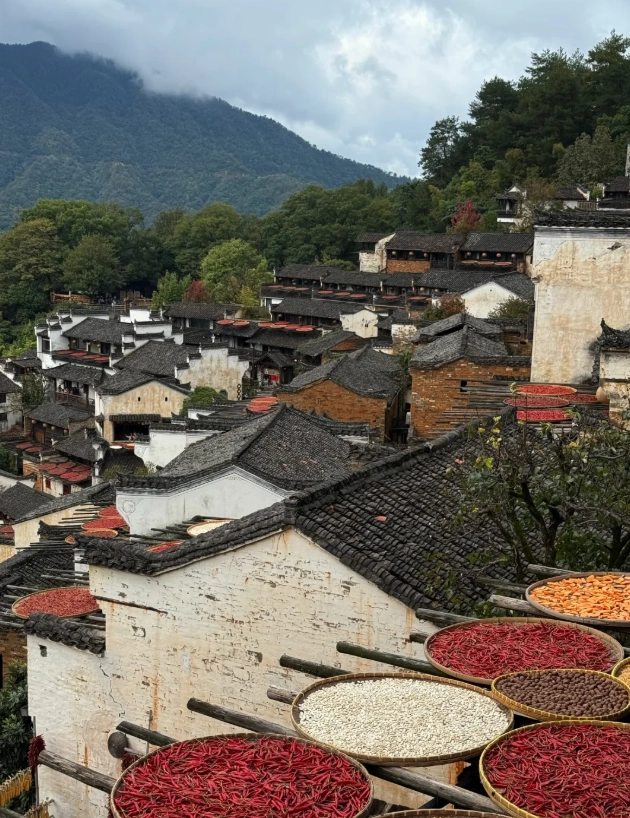
Lushan National Park
Lushan is the most iconic mountain in Jiangxi, and for good reason. The park consists of several scenic areas, including the famous Three-Tile Spring waterfall and the old villa district of Guling. You'll need at least two full days to see it properly.
Getting there: Take a bus from Jiujiang city (about 70 minutes) or hire a car from Nanchang (about 2 hours). The main gate is in Guling town, and from there you can hop on the inside shuttle buses.
Tickets: Admission is around ¥160 for adults, ¥80 for students with valid ID, and children under 1.2m go free. These prices are as of my last visit — always confirm on the official website. The ticket covers the shuttle system within the mountain.
My insider tip: Go up on a weekday if you can. The weekends are packed with Chinese domestic tourists, and the cable car queues can stretch over two hours by 10am.
Wuyuan Ancient Villages
Wuyuan is famous for its scattered villages with white walls and black-tiled roofs. The most popular ones include Jiangling, Wangkou, and Likeng. A single ticket gives you access to the entire village circuit.
Getting there: The nearest train station is Wuyuan (from Nanchang, about 90 minutes by high-speed train). From the station, you can take a local bus or taxi to the main tourist center.
Best time to visit: Spring (mid-March to early April) for the rapeseed flowers, and autumn (October) for the red maple leaves that contrast with the white houses.
Watch out: In July and August it gets brutally hot and humid. I've seen travelers suffer from heatstroke because they underestimated the humidity. Bring a refillable water bottle and an electrolyte powder.
Jingdezhen Porcelain Town
If you love crafts, Jingdezhen is paradise. The city is literally built on ceramics. Visit the Imperial Kiln Museum, the Ancient Kiln Folk Customs Museum, and the weekly Sunday market where artists sell their work directly.
Getting there: By high-speed rail from Nanchang (around 1.5 hours) or from Shanghai (about 3 hours). Once you arrive, take a taxi or use the local public bus to reach the museum districts.
My favorite spot: The Taoxichuan Art District — a converted factory complex that now houses galleries, workshops, and cafés. It's especially cool in the evening when the lights come on.
Sanqing Mountain
Sanqing is a Taoist holy mountain listed as a UNESCO World Heritage site. Its granite spires resemble a Chinese ink painting, and the views from the ropeway are nothing short of breathtaking.
Getting there: The nearest town is Yushan, which is a 30-minute bus ride from the mountain gate. Take a high-speed train to Yushan from Shangrao or Nanchang, then hop on a dedicated tourist bus.
Practical note: The cable car costs about ¥120 one-way and is essential to save hours of hiking. Even with it, expect a lot of stairs. I wouldn't recommend Sanqing for travelers with mobility issues.
Longhu Mountain
Longhu (Dragon Tiger) Mountain is the birthplace of Taoism. Besides the stunning red sandstone cliffs, you can take a bamboo raft along the Luxi River and see ancient cliff tombs. It's a more offbeat choice, and I love it for its relaxed vibe.
Getting there: Longhu is about 20 km from Yingtan city, which is easily reachable by high-speed train from Nanchang or Shanghai.
Tengwang Pavilion in Nanchang
This ancient tower is the pride of Nanchang. It was rebuilt several times, and the current structure looks like a Tang dynasty palace. The views over the Gan River are fantastic at sunset.
Good to know: Admission is about ¥50, and the pavilion is a 20-minute taxi ride from Nanchang West Station. Go late afternoon to catch the golden light, then wander the adjacent riverside park.
How to Get Around Jiangxi Like a Local
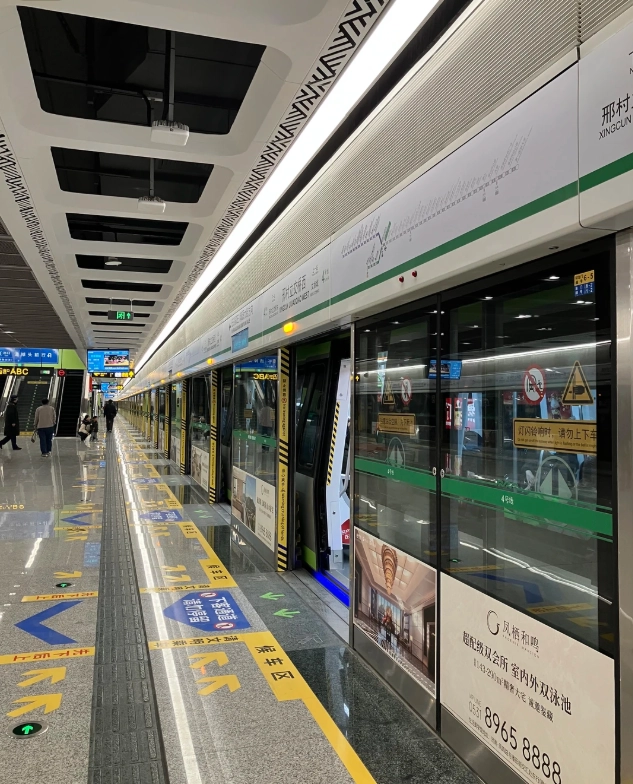
Jiangxi is well connected by high-speed trains, but the destinations themselves require a mix of buses and taxis. Here's the breakdown.
| Route | Best Option | Time | Cost (est.) |
|---|---|---|---|
| Nanchang to Lushan | High-speed train + bus | 2.5 hrs | ¥80–120 |
| Nanchang to Wuyuan | High-speed train to Wuyuan + local bus | 2 hrs | ¥110–150 |
| Nanchang to Jingdezhen | High-speed train | 1.5 hrs | ¥70–90 |
| Jingdezhen to Sanqing | Train to Yushan + bus | 3 hrs | ¥120–180 |
| Nanchang to Longhu | Train to Yingtan + taxi | 2.5 hrs | ¥100–140 |
Pro tip: For train tickets, use the official China Railway website — 12306 or the Trip.com app. Foreigners can buy tickets with their passport number, but you'll need to pick up paper tickets at the station with the same passport.
Within the province, local buses are cheap but can be crowded and slow. I often recommend hiring a private driver for a day or two if you're traveling with 2-4 people — it's surprisingly affordable and lets you stop at random villages that aren't on any itinerary.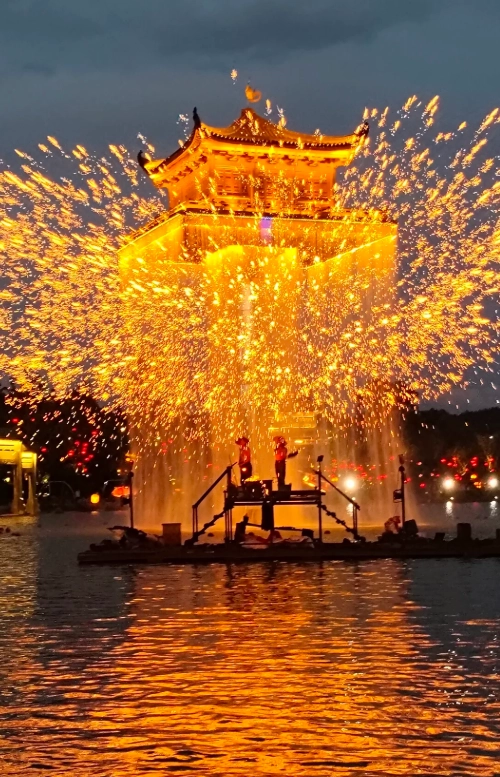
What to Eat in Jiangxi: A Food Lover's Guide
Jiangxi cuisine is one of China's most underrated regional styles. It's spicy, sour, salty, and deeply satisfying. Here are the dishes you must try.
- Nanchang Rice Noodles — Springy flat noodles in a rich, peppery broth, often with a slice of braised beef. You'll find them in breakfast stalls all over the city.
- Braised Pork with Preserved Vegetables — Melt-in-the-mouth pork belly layered with a tangy, fermented mustard green. It's a comfort food par excellence.
- Fried Mung Bean Jelly — Crispy on the outside, gooey inside, served with a spicy garlic sauce.
- Dried River Shrimp — A Wuyuan specialty, these tiny shrimp are sun-dried and stir-fried with green peppers. The umami will shock you.
- Potato Cake — A snack made from shredded potatoes and flour, fried until golden. Perfect for a mid-morning energy boost.
Where to eat: In Nanchang, head to the famous 'Wanshou Palace' food street, a melting pot of street stalls and small restaurants. In Jingdezhen, ask your hotel for a local 'little restaurant' (xiǎo chī diàn) — they almost always serve authentic home-style dishes. Don't be afraid to point and order based on what looks good.
Payment note: Most small vendors only accept WeChat Pay or Alipay, and many don't take cash or international cards. I'll give you a solution in the Practical Tips section.
Where to Stay in Jiangxi: Best Areas for Different Travelers
Your base matters a lot. Here's a quick comparison to help you pick.
| Area | Best For | Price Range (per night) | Notes |
|---|---|---|---|
| Nanchang | First-timers, high-speed rail access | ¥200–600 | Easy to explore the city; good food; many international chains near West Station. |
| Lushan (Guling town) | Nature lovers, hikers | ¥300–800 | Stays inside the park; need to take the shuttle; great for sunrise hikes. |
| Wuyuan (Likeng or Jiangling) | Photographers, boutique seekers | ¥250–700 | Stay in a courtyard guesthouse for magical mornings with fewer tourists. |
| Jingdezhen | Craft enthusiasts, art community | ¥150–400 | Stay near Taoxichuan Art District for easy access to studios and cafés. |
My personal pick: In Wuyuan, I always book a room in Hu Tong village (a side village less traveled) — it costs half the price of the popular spots and you get the same architectural beauty without the tour groups.
Most places have Wi-Fi, but signal in rural areas can be spotty. Make sure your hotel address is written in Chinese characters to show your taxi driver — even the best ride-hailing apps can struggle with English input.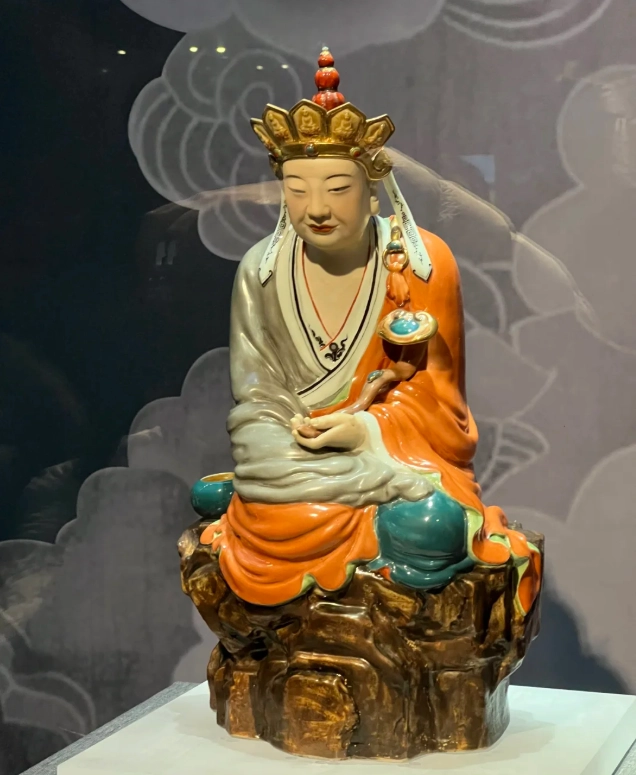
How Much Does a Trip to Jiangxi Cost?
Jiangxi is a budget-friendly province. Here's what you can expect to pay, based on my recent experiences.
| Item | Estimated Cost (¥) | Notes |
|---|---|---|
| High-speed train (Nanchang–Jingdezhen) | 70–90 | Second-class seat |
| Local bus / metro ride | 1–5 | Cheap, but always carry small change |
| Street food meal | 15–30 | Noodles, dumplings, snacks |
| Sit-down dinner for two | 100–200 | At a local restaurant |
| Budget hotel room | 150–250 | Clean, basic, private bathroom |
| Mid-range hotel room | 400–800 | Upgraded experience |
| Lushan ticket | 160 | Includes internal shuttle |
| Wuyuan village ticket | 210 (for 12 villages) | Can also buy individual village passes |
| Jingdezhen Ancient Kiln Museum | 65 | Packed with artifacts |
| Sanqing cable car | 120 one-way | You'll want both ways unless you're a marathon runner |
All prices are approximate and may change. For the most current rates, check the official attraction websites — I've linked a few in the previous sections.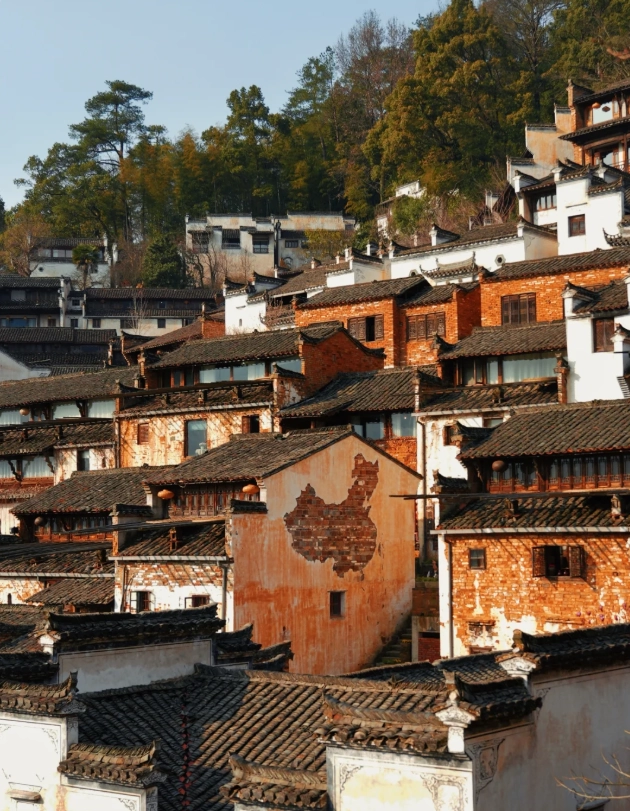
Practical Tips for Visiting Jiangxi: Payments, Visas, and More
Let me save you some headaches with these hard-won tips.
Payments
WeChat Pay and Alipay are king in China. You can link an international credit card to either app, but the setup can be tricky. Download them before you arrive, and make sure to set up the foreign card option with your passport. For the first few purchases, you may need to verify your identity via a Chinese phone number — your hotel receptionist can help you with that.
Carry some cash as a backup, but be aware that many small shops and street vendors won't accept it because they can't make change easily.
Visas
Most foreigners need a tourist (L) visa to enter China. The application process is straightforward: fill out the form, provide your passport, a photo, and sometimes an invitation letter. For the latest rules, check the National Immigration Administration website. If you're planning a short trip, look into China's visa-free policies for select countries — they're being expanded, so always verify before you book.
Language & Network
English is not widely spoken outside tourist hubs, but things are improving. Always have a translation app like Apple Translate or Baidu Translate ready for offline use.
Google Maps is unreliable in China. Use Apple Maps or download AMap (高德地图) with the international version enabled. The latter works well and shows accurate transit directions.
You'll also need a VPN installed before you arrive, because Google, Facebook, Instagram, and many Western websites are blocked. Set it up at home, not after you land.
Bookings & Tickets
Many top attractions in China now require advance booking, especially during holidays. Use Trip.com or Klook for English-friendly ticket purchases. For smaller spots, your hotel can usually arrange entry tickets for you — just ask them to book a day in advance.
I'll be honest: the official WeChat mini-program for Lushan tickets is in Chinese only, and even I sometimes struggle to find the right button. That's why I tell everyone to use Trip.com instead, which has an English interface and accepts international cards. It saves you from a 40-minute online translation session.
Is Jiangxi Worth Visiting? Final Verdict
If you're deciding between the classic China tour cities and something with more soul, Jiangxi is absolutely worth a detour. It's not as polished as Hangzhou or as futuristic as Shenzhen, but it offers something increasingly rare — a raw, authentic slice of China that's still untouched by mass tourism.
Take my advice: spend four to five days here, mix one or two famous sites with village stays, and let yourself go with the flow. You'll leave with memories more vivid than any selfie in front of a crowded landmark.
FAQ: Your Top Questions Answered
Is Jiangxi worth visiting for just two days?
Two days is tight but doable if you focus on Nanchang and Lushan. Spend day one in Nanchang exploring Tengwang Pavilion and the food streets, then take an early train to Lushan on day two and ride the cable car up for the day. You'll miss the more remote villages, so if you have the flexibility, extend to at least four days.
Do I need to speak Chinese to travel in Jiangxi?
No, but it helps a lot. In Nanchang and Jingdezhen, some young locals speak basic English, and train stations have English signage. To make life easier, I recommend learning a few key phrases like 'xiè xiè' (thank you) and using a translation app for everything else. Always have your destination written in Chinese characters for taxi drivers.
What is the best season to visit Jiangxi?
Spring (March to May) and autumn (September to November) are the golden windows. May is particularly lovely for the greenery and pleasant temperatures. Summer is hot and humid, while winter can be cold and damp, especially on the mountains. Avoid the first week of October when the entire country travels for the National Day holiday.
Can I use my regular credit card in Jiangxi?
In big hotels and some upscale stores, yes. But for restaurants, public transport, and local markets, you'll need a payment app. The safest workaround: link your credit card to Alipay before you travel, and top up a small balance for daily use. It takes ten minutes and has never failed me.
Is Jiangxi safe for solo female travelers?
Yes, it's statistically very safe. I've had many solo female clients travel across Jiangxi without incident. However, standard precautions apply: avoid empty backstreets at night, use licensed taxis (better: ride-hail with your app), and keep a digital copy of your passport. I'd also suggest staying in well-reviewed hotels rather than hostels in rural areas.
This content has been fact-checked to ensure informational precision.






No comments yet.