 Jian Zhao
What's Inside This Guide
- Why Xinjiang Deserves a Spot on Your China Itinerary
- What Makes Xinjiang Unique: Landscapes, Culture, and Food
- How to Plan Your Xinjiang Trip: The Practical Essentials
- Xinjiang Travel Tips: Insider Advice to Avoid Pitfalls
- Is Xinjiang Safe for Foreign Tourists?
- Sample 5-Day Northern Xinjiang Itinerary
- FAQs: Your Burning Questions Answered
Kashgar's Sunday market hit me like a wave of colors and smells. My clients froze, cameras in hand, grinning like kids. This is what Xinjiang does to you — it breaks every stereotype. And that's why I keep bringing people here.
Is Xinjiang worth visiting? For me, the answer has been a resounding yes for the past ten years. But let me tell you what I've learned from navigating its airports, haggling in its bazaars, and hiking its valleys — because there are plenty of pitfalls that online guides never mention.
Here's my bottom line: Xinjiang is not just worth it — it's a trip that will rewire your understanding of China. China's far west offers landscapes that rival Switzerland and a cultural richness that feels like a world apart. But you need to plan smart. This guide will show you exactly how.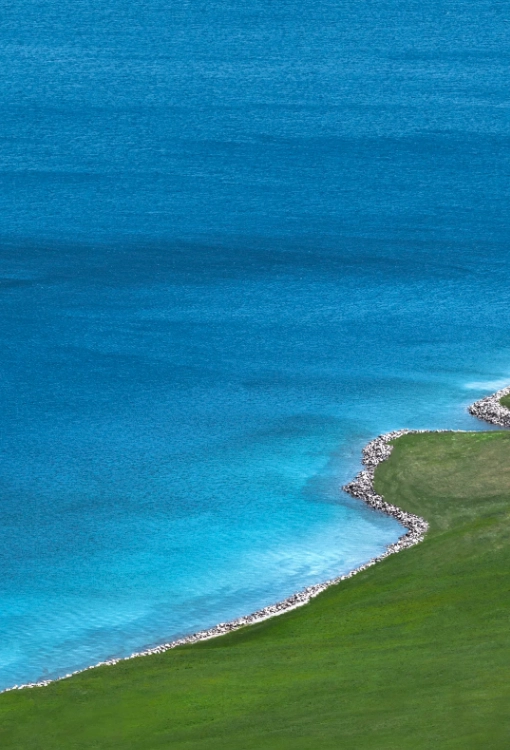
Why Xinjiang Deserves a Spot on Your China Itinerary
Most foreign visitors to China follow the same beaten path: Beijing, Shanghai, Xi'an. They fly home with photos of the Great Wall and the Bund, completely missing the country's wildest and most underrated region. Xinjiang is China's largest province-level region, and it's packed with scenery that will make your jaw drop. In one trip you can stand on the shores of a crystal-clear lake, trek through desert dunes, and wander through ancient Silk Road oases. The contrasts are mind-blowing.
I once had a client from California who teared up when she saw the lavender fields near Huocheng — she said it was more beautiful than Provence. And a group of photographers spent an entire afternoon at Sayram Lake, calling it "a mirror to the sky." This isn't hyperbole; this is what happens when you give Xinjiang a chance.
Yes, it's far from the typical tourist loop. But that's exactly why it's rewarding. You'll skip the crowds and experience a side of China that most foreigners never see.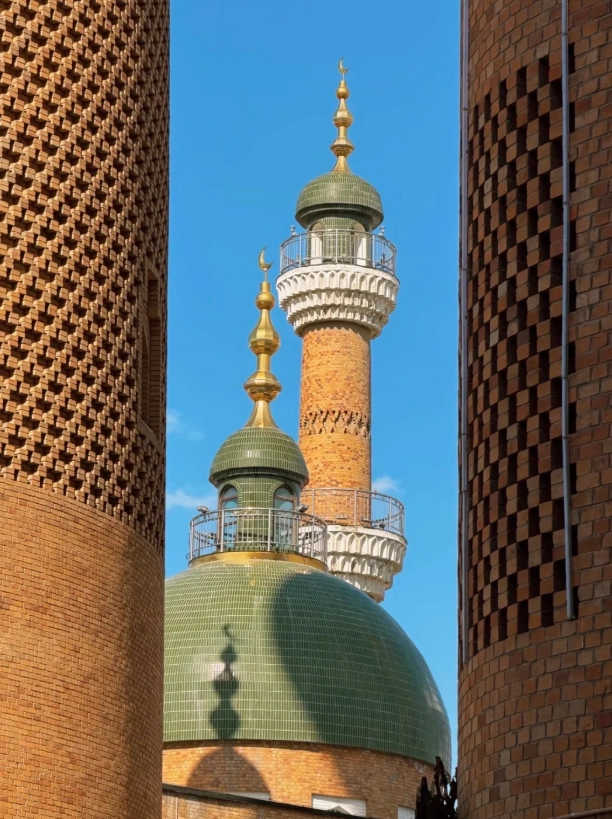
What Makes Xinjiang Unique: Landscapes, Culture, and Food
Landscapes That Rival the Alps
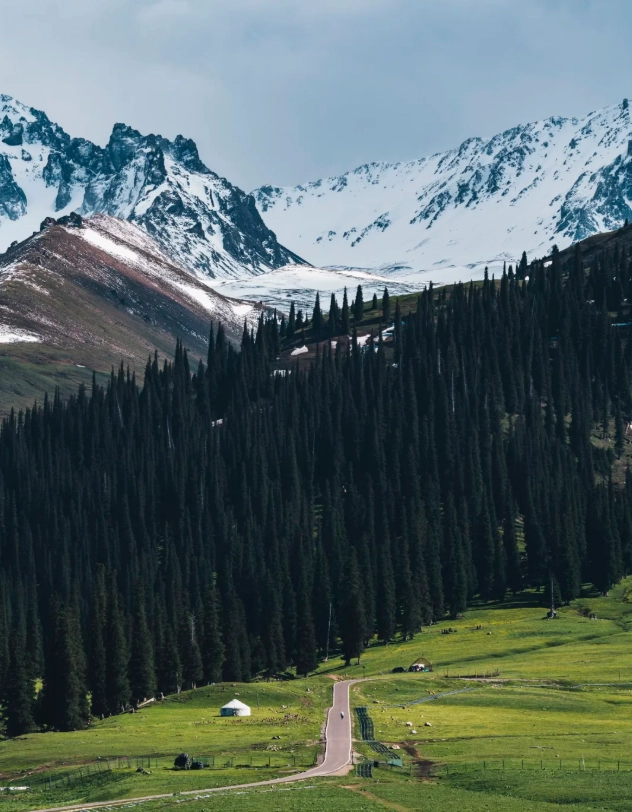
Xinjiang's northern Tianshan Mountains are home to alpine lakes, towering spruce forests, and snow-capped peaks that look straight out of a Swiss postcard. The most famous is Sayram Lake, a turquoise jewel about 2 hours by car from Yining. Unlike the crowded lakes in Tibet, here you can find quiet corners where the only sound is the wind. Then head south to the Taklamakan Desert — the second-largest shifting sand desert in the world. The dunes around Dunhuang get all the attention, but the edges of the Taklamakan offer a raw, haunting beauty that's perfect for those seeking solitude.
A Cultural Mosaic You Won't Find Elsewhere
Xinjiang is a living museum of Silk Road history. In Kashgar's Old City, you'll wander through maze-like alleys lined with earthen houses, stopping for tea at a Uyghur family's home. The Sunday market is a sensory overload: carpets, spices, hand-made copperware, and the sounds of traders bargaining in several languages. I always tell my clients to plan at least two full days in Kashgar — one for the old city and one for the market. You'll also meet Kazakh herders in the grasslands and Tajik communities in the Pamir Mountains, each with their own traditions and hospitality.
Food That Explodes With Flavor
The most common question I get from clients is: "What should we eat?" Xinjiang's cuisine is unlike any other in China. The star dishes are dapanji (big plate chicken), a spicy stew with handmade noodles; laghman, a hand-pulled noodle dish often stir-fried with lamb and vegetables; and lamb skewers, seasoned with cumin and chili. For a truly local experience, head to a mangal (open-air grill) and order a dozen skewers with a side of warm nan bread. I also love the sweet dried apricots and raisins — they're sold everywhere and make great gifts.
How to Plan Your Xinjiang Trip: The Practical Essentials
Getting There and Getting Around
The main international gateways are Urumqi (URC) and Kashgar (KHG), though most travelers will fly into Urumqi first. From Beijing, the flight to Urumqi takes about 4 hours. Once inside Xinjiang, flights are the quickest way to cover vast distances — Urumqi to Kashgar is a 1-hour 40-minute hop. The high-speed rail network hasn't reached Xinjiang yet, but conventional trains connect major cities; they're cheap but slow. For example, the overnight train from Urumqi to Kashgar takes around 14 hours. I recommend flying if your time is limited. Book domestic flights on Trip.com or directly with airlines like China Southern. For train tickets, use the official 12306.cn website, which now has an English version.
Where to Stay: Base Cities and Hotel Picks
For most itineraries, you'll base yourself in three cities: Urumqi, Yining, and Kashgar. Urumqi is the transport hub with a wide range of hotels, from international chains to budget spots. Yining is a less-visited town that serves as the launchpad for Sayram Lake and the lavender fields. Kashgar is the cultural heart, where you should stay inside the Old City for an immersive experience.
| Base City | Recommended Hotel | Distance to Key Attractions | Price Range | Best For |
|---|---|---|---|---|
| Urumqi | Xianfeng Hotel | 5 min to Grand Bazaar | $30-80 | First-time visitors |
| Yining | Yili Riverside Hotel | 20 min to Sayram Lake | $40-100 | Nature lovers |
| Kashgar | Kashgar Old City Boutique | Inside the Old City | $50-120 | Culture seekers |
Tip: In Kashgar, book a courtyard-style guesthouse. They're usually family-run, and the hosts can arrange border permits and drivers.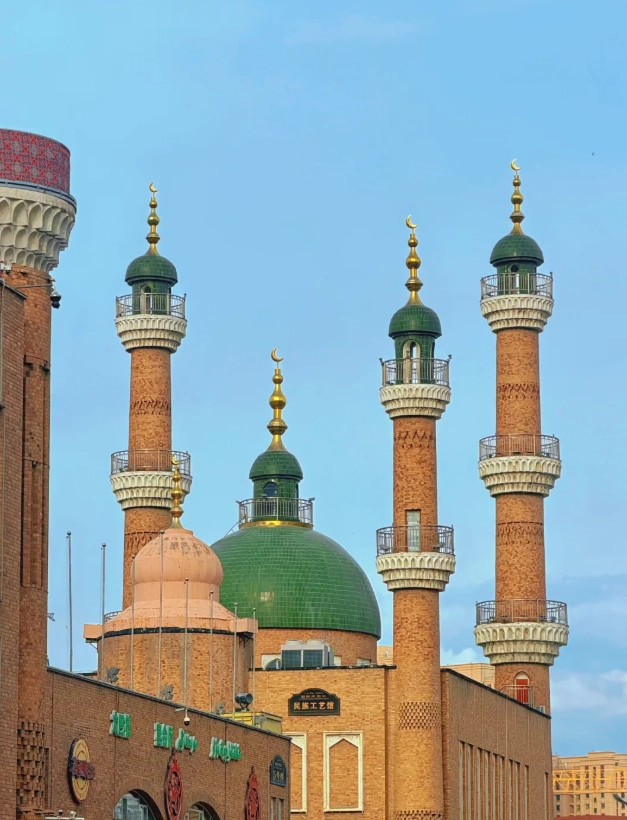
Money, Payments, and Connectivity
For payments, you'll need Alipay or WeChat Pay — even at most local eateries. International credit cards are rarely accepted outside major hotels. Before you arrive, link your international card to Alipay (the app supports overseas cards). You can also withdraw cash from ATMs using your bank card, but make sure your bank has agreements with Chinese banks. Foreigners can use cash anywhere, but you'll get hassle-free change with mobile payment. I always keep a few hundred yuan in cash for small street vendors and tips.
Connectivity: The Great Firewall blocks Google, Facebook, Instagram, and WhatsApp. Purchase a VPN before you land, and download a offline translator like Apple Translate or Baidu Translate. For maps, don't rely on Google Maps — it's unreliable in China. Use Apple Maps or download AMap (高德地图) and switch it to English. Show the Chinese address to taxi drivers to avoid confusion.
Xinjiang Travel Tips: Insider Advice to Avoid Pitfalls
Let's save you from the mistakes I've seen tourists make time and time again.
- Security check spacing: You'll pass through security metal detectors at hotel entrances, malls, and metro stations. Don't be alarmed — this is routine. But give yourself an extra 10-15 minutes at every location.
- Border permits: For the Pamir Highway or Karakul Lake, you'll need a border permit. Apply at the Public Security Bureau in Kashgar or let your hotel arrange it — it usually takes a few hours. Don't skip this; you'll be turned back at police checkpoints.
- Sun exposure: At high altitudes and in the desert, UV is intense. Even in spring, wear SPF 50+ and bring sunglasses. Many clients burn to a crisp on day one.
- Time perception: Xinjiang officially uses Beijing time (UTC+8), but the sun rises and sets much later. People eat lunch at 2 PM and dinner at 9 PM. Adjust your meal schedule, or you'll end up sitting in an empty restaurant.
- Traffic in Kashgar: The Old City is pedestrian-friendly, but cars can't enter the narrow alleys. Expect a lot of walking — pack comfortable shoes.
Pro Tip: At the Kashgar Sunday market, go at 7 AM. The animal market (where sheep and horses are traded) starts before sunrise and winds down by noon. It's the most photogenic time, and you'll avoid the midday heat and crowds.
Is Xinjiang Safe for Foreign Tourists?
Short answer: Yes, it is. I've led over 50 tours to Xinjiang in the past decade, and I've never had a single incident involving safety. The region has a visible police presence, including security checkpoints at major intersections and public venues. While that might feel intense, it means crime is very low. Petty theft is almost unheard of in tourist areas, and the Uyghur people are incredibly welcoming to foreigners.
That said, you should always exercise standard caution — keep your valuables close, avoid walking alone late at night, and respect local customs. In predominantly Uyghur areas, it's polite to dress modestly (covering shoulders and knees) and always ask permission before taking photos of people.
The biggest risk is actually altitude sickness if you're traveling to high-altitude areas like the Karakoram Highway or the Pamir Plateau. Ascend slowly, drink plenty of water, and carry Diamox if you're prone to it.
For official travel guidelines, check the Chinese government's travel advisory page at the National Immigration Administration or consult your embassy's travel alerts.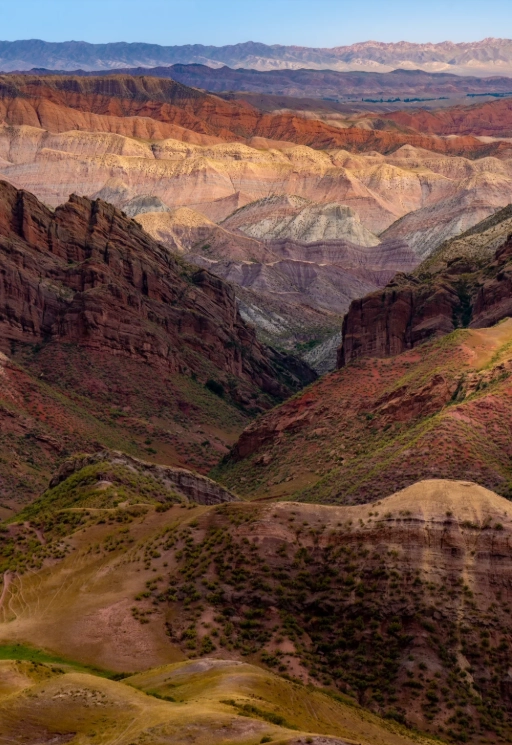
Sample 5-Day Northern Xinjiang Itinerary
Here's a realistic itinerary that covers the highlights without rushing. Adjust the order based on flight availability.
Day 1: Urumqi
Arrive in Urumqi, get oriented. Head to the Xinjiang Regional Museum (free entry, closed Mondays) to see the famous Loulan mummies and learn about the Silk Road history. Then wander through the International Grand Bazaar, but skip the overpriced souvenirs there. Instead, grab dinner at a local dumpling house near the market.
Day 2: Fly to Yining, Drive to Sayram Lake
Take the morning flight to Yining (1h40). Rent a car with a driver (ask your hotel to arrange it) for the 2-hour drive to Sayram Lake. Spend the afternoon circling the lake, stopping at the lakeside and pine forests. Stay overnight in a yurt camp near the lake — wake up early for the sunrise.
Day 3: Huocheng Lavender Fields, Return to Yining
If it's June, stop at the Huocheng Lavender Base on your way back. The fields are breathtaking. In other months, drive directly to Yining and visit the Kazanqi Folk Tourism District, a maze of traditional Uyghur houses with colorful doors. Try local snacks at the night market.
Day 4: Fly to Kashgar
Catch a flight from Yining to Kashgar (short, but often via Urumqi). After checking in, explore the Old City. Wander through the narrow alleys and visit the Id Kah Mosque (closes to non-Muslims during prayers). In the evening, watch the sunset from the high walls of the Old City — the golden hour is magical.
Day 5: Sunday Market and Departure
Set your alarm for 7 AM to catch the Kashgar Sunday Market. It's the largest and most famous market in Central Asia. Fill your bags with spices, nuts, and handmade items. After lunch, fly out of Kashgar in the afternoon.
If you have extra days, add Karakul Lake on the Pamir Highway — it's stunning, but you'll need the border permit and an extra 2 days.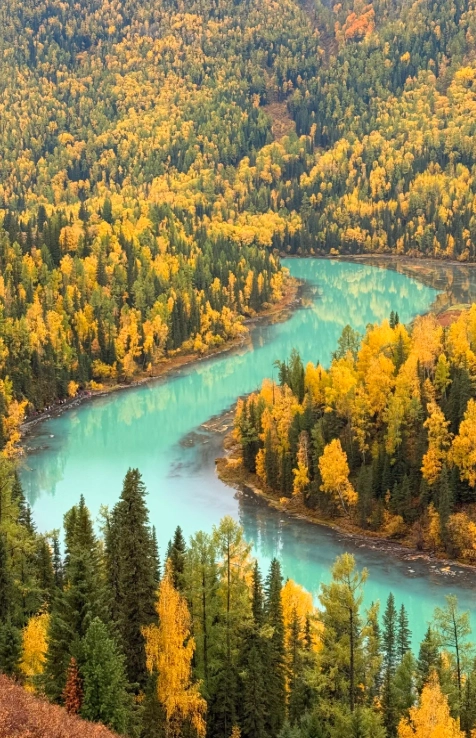
FAQs: Your Burning Questions Answered
Final Verdict: Is It Worth It?
In my opinion, yes — absolutely. For the traveler who wants more than another Asian megacity itinerary, Xinjiang offers something raw, beautiful, and deeply human. It's a region that will challenge you with distances but reward you with memories that last a lifetime.
Sure, it's not the easiest trip to plan. Security checks, language barriers, and the distance can feel overwhelming. But I always tell my clients: "The harder the journey, the better the story." And Xinjiang gives you stories — from trekking beside herds of wild camels in the desert to sharing a cup of homemade yogurt with a Kazakh family.
If you're still on the fence, just book the flight. You won't regret it.
Verified and fact-checked by the editorial team. This content has been fact-checked to ensure informational precision.







No comments yet.