 Yan Zhou
Jump to the Good Stuff
- Why Anhui Should Be on Your List of Best Places to Visit in China
- My Top Picks for Best Places to Visit in Anhui
- How to Visit Huangshan Successfully: Tips from a Local Guide
- Hongcun and Xidi: The Ancient Villages That Define Anhui's Charm
- What to See After the Highlights: Tunxi Old Street and More
- Practical Travel Tips for Navigating Anhui (Payment, Maps, and More)
- Frequently Asked Questions About Visiting Anhui
Alright, I've spent years living in China and guiding travelers across Anhui province. And when it comes to the best places to visit in Anhui, I've learned exactly what works and what doesn't. Most tourists flock to Huangshan—and yes, it's stunning—but the real magic often lies in the quiet villages nearby. Here's my bottom line: if you only have 5 days, spend 2 on Huangshan, 1 day bouncing between Hongcun and Xidi, and the rest exploring Tunxi Old Street. Skip anything else to avoid burnout. Now, let's get you planning.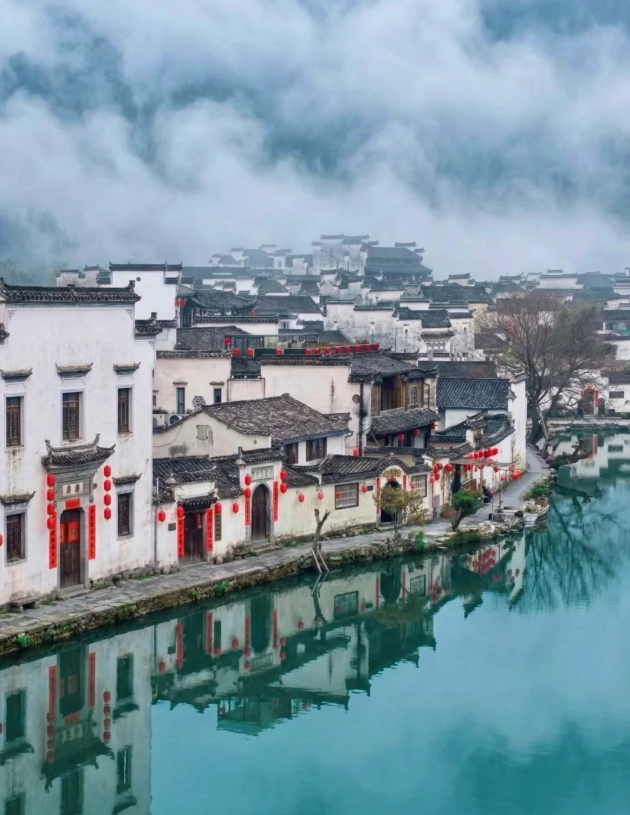
Why Anhui Should Be on Your List of Best Places to Visit in China
You've probably heard of the Yangtze River, the Great Wall, and the Forbidden City. But Anhui? This province often gets overlooked, and honestly, that's a good thing for you. It means fewer crowds and more authentic experiences. Anhui is home to the famously photogenic Huangshan (Yellow Mountain), but it's also the heartland of ancient Huizhou culture, with well-preserved villages that look like they haven't changed in 500 years. I've taken so many first-time visitors here, and almost all of them say the same thing: "This is the China I was hoping to see."
The best time to visit Anhui is generally from April to June, when the weather is mild and the landscapes are lush. But if you want to see the famous sea of clouds at Huangshan, go in late autumn to early spring. Just be prepared for cold, wet weather.
My Top Picks for Best Places to Visit in Anhui
Let me cut through the noise. There are exactly five spots I recommend to every traveler, if time allows. These are the must-sees, and I've arranged them in order of personal preference, not necessarily popularity.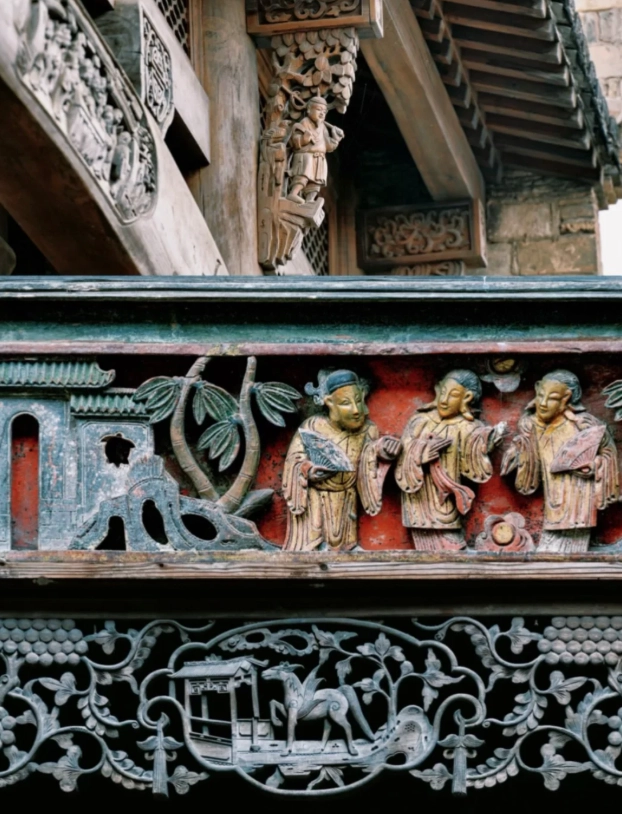
Huangshan (Yellow Mountain)
Huangshan is the undisputed star of Anhui, and no trip here is complete without stepping onto its granite peaks. This UNESCO World Heritage site is famous for its breathtaking sunrise, bizarre rocks, hot springs, and sea of clouds. You can hike all the way up, but I strongly suggest taking the cable car to save energy for the summit. Most people spend one or two nights on the mountain to catch the sunset and sunrise. The tricky part is the weather—it changes in minutes. One moment you're in the clouds, the next you're staring at the sun. My tip: check the mountain webcam before you go up, and go even if it says cloudy—the clouds often clear by midday.
Hongcun Village
Hongcun is a water village that looks like a living painting, with centuries-old Hui-style architecture reflected in its moon pond. You may recognize it from the film "Crouching Tiger, Hidden Dragon." It's a photographer's paradise, especially in the early morning when the mist rises from the pond. The village is also a UNESCO World Heritage site, along with its neighbor Xidi. You can easily spend a day wandering the narrow alleys and soaking in the atmosphere.
Xidi Village
Xidi is often mentioned together with Hongcun, but it has a completely different vibe—less commercial, more residential. While Hongcun is crowded with shops and cafes, Xidi still retains a sleepy, rural feel. The ancestral halls and stone archways here are impressive. If you have to choose between the two, pick one, but they're both so accessible from each other that I recommend seeing both. They're about 20 minutes apart by car.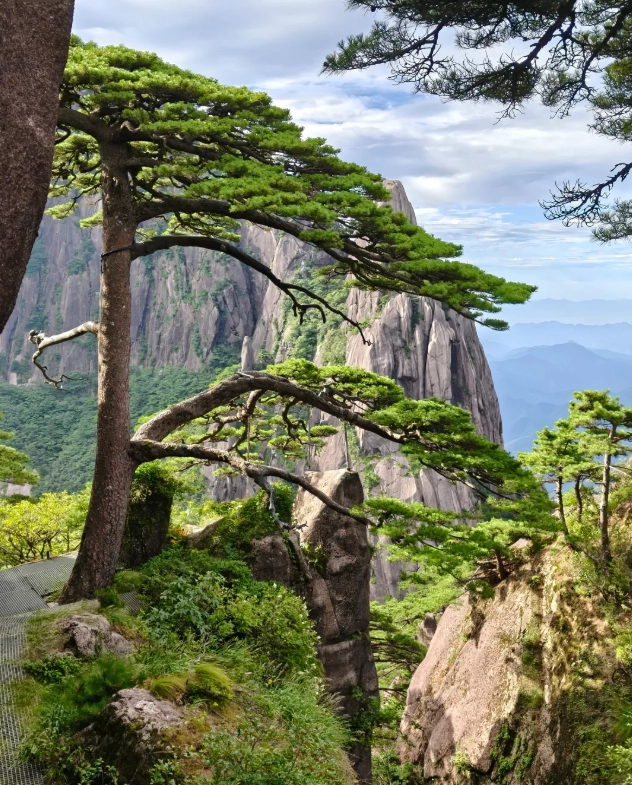
Tunxi Old Street
Tunxi Old Street in Huangshan City is a restored Ming-Qing style shopping street that still buzzes with local life. It's a great place to try local snacks, buy souvenirs, and see how the Huizhou merchants lived. The street is about 1,200 meters long, lined with shops selling tea, ink stones, and traditional medicines. My favorite time to go is late afternoon, when the crowds thin out and the lanterns start to glow.
Jiuhua Mountain
Jiuhua Mountain is one of China's four sacred Buddhist mountains, tucked away in the southern part of Anhui. If you have extra time and appreciate religious culture, this is a peaceful retreat. The mountains are covered with temples and monasteries, and you can hear the monks chanting as you walk. It's a bit off the beaten path, so it's less crowded than Huangshan.
These are my personal top five. But remember, the "best" places depend on your interests. If you love mountains, Huangshan is a must. If you love history, the villages are unmissable.
How to Visit Huangshan Successfully: Tips from a Local Guide
Planning a visit to Huangshan doesn't have to be overwhelming, but there are some insider moves you'll want to know. I've seen too many travelers get frustrated by long lines and missed sunrises. Here's how to make it work.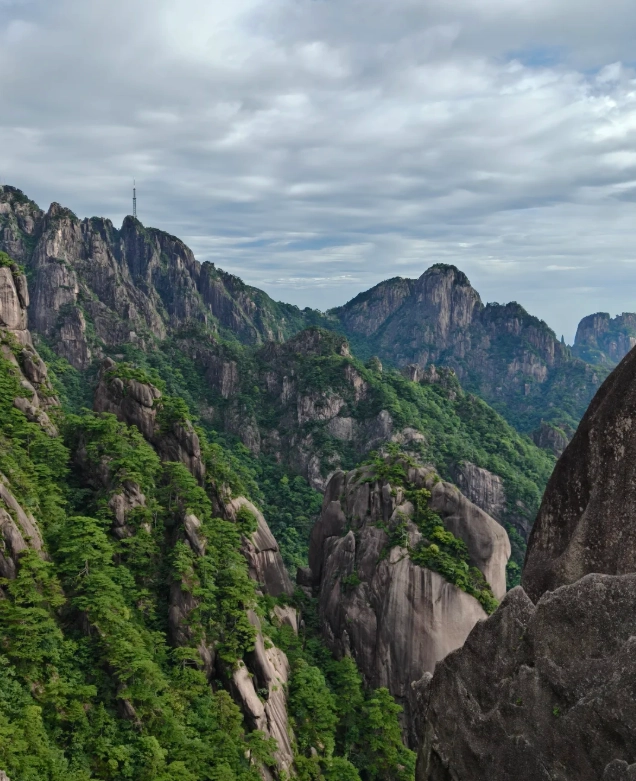
Getting to Huangshan
You'll likely arrive at Huangshan North Railway Station (黄山北站) by high-speed train from Shanghai, Hangzhou, or Beijing. From the station, you can take a direct shuttle bus to the town of Tangkou, which is the gateway to the mountain. The bus takes about an hour and costs around ¥20–30. If you're coming from the airport, take a taxi or pre-book a transfer—the airport is far from the mountain. For train tickets, use the official China Railway platform at www.12306.cn.
Which Entrance to Use
Most tourists go through the South Gate (慈光阁), which is the main entrance. But I always recommend the East Gate (云谷寺) instead. Why? The cable car from the East Gate has shorter lines and is less chaotic in the morning. You can still easily reach the same summit viewpoints. The only downside is that you might miss the "Welcoming Pine" if you don't backtrack, but it's just a photo spot. In my opinion, the East Gate gives you a more relaxed start.
Booking Tickets
Book your mountain entrance ticket and cable car ticket online in advance, especially during peak season. You can book through the official WeChat account or through travel platforms like Trip.com. You'll need your passport number for the reservation. On the day, you'll scan your passport at the entrance. Note that the mountain access has multiple time slots, so arrive early. I've seen people turned away because they were late for their slot.
Where to Stay on the Mountain
The mountain has several hotels, but they're expensive and basic. The most popular spots are around the Bright Summit Peak (光明顶). Prices can range from ¥800–1500 per night for a twin room during peak season. If that's too much, consider staying in Tangkou town and using the cable car early morning, but you'll miss the sunrise. For first-timers, I recommend staying one night on the mountain—it's worth the splurge.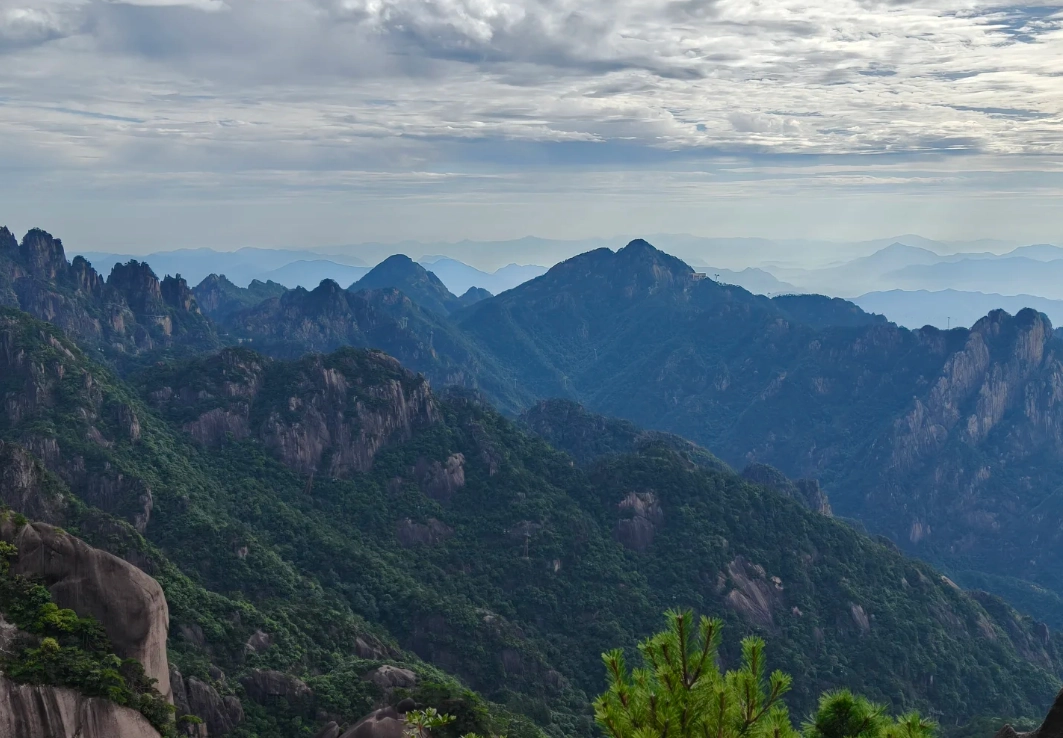
What to Pack
- Layered clothing—temperatures can drop significantly at night.
- Raincoat (even in summer) because the mountain weather is unpredictable.
- Comfortable hiking shoes with grip—the steps can be slippery.
- Snacks and water—mountain food is pricey.
One last thing: the mountain is open year-round, but some trails close in winter due to ice. Check the official website for the latest conditions.
Hongcun and Xidi: The Ancient Villages That Define Anhui's Charm
If you only have time for one cultural experience in Anhui, make it Hongcun. I know, I said Xidi is also worth it, but let me explain why Hongcun takes the crown.
Hongcun: The Water Village
Hongcun is designed like a water system that flows through every house, which makes it feel like a living organism. The village was carefully planned with an intricate water canal system that still provides water for residents. The central Moon Pond is the most photographed spot—go early (before 8 AM) to see it without reflection-blocking crowds. My favorite hidden corner is the gate near the village's south exit, where you'll see an old bridge mirrored perfectly in the water.
Xidi: The Sleeping Beauty
Xidi is equally ancient but much quieter, giving you a more intimate glimpse of local life. Its narrower lanes and moss-covered walls feel more rugged. You'll find fewer souvenir stalls and more elderly people playing chess by the roadside. If you're a photographer, Xidi is a goldmine for portraits. The entry fee for both villages is around ¥100 each (details below), but a combo ticket can save you money if you plan to see both. For more on the UNESCO status of these villages, refer to the UNESCO World Heritage listing.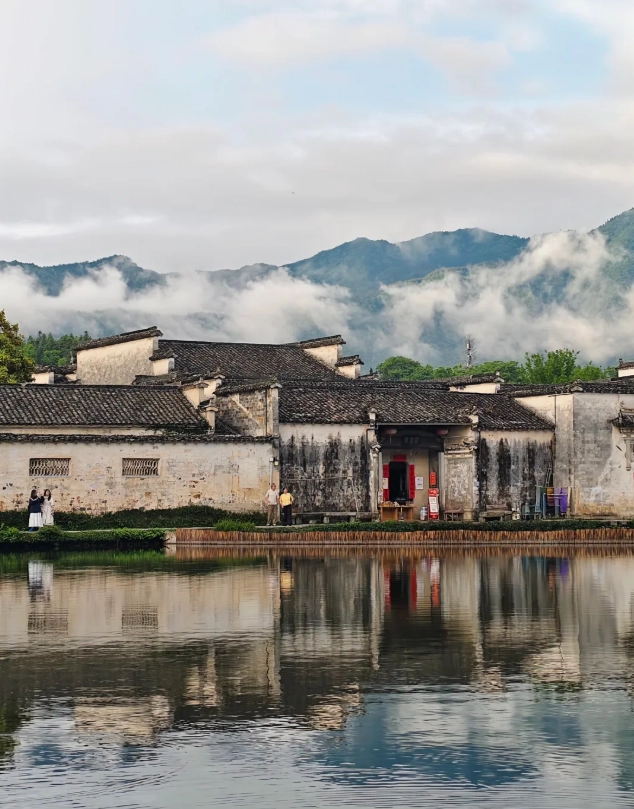
| Village | Ticket Price (approx.) | Best Time to Go | Time Needed |
|---|---|---|---|
| Hongcun | ¥104 | Early morning | 2–3 hours |
| Xidi | ¥104 | Late afternoon | 2 hours |
Note: Prices can change, so always confirm on the official channels or ask your hotel. Both villages are within 20 minutes' drive of each other, so it's easy to do both in a day. I suggest starting with Hongcun at 8 AM, then heading to Xidi around 2 PM when the tour groups have shifted.
What to See After the Highlights: Tunxi Old Street and More
If you've conquered Huangshan and the villages, you'll probably spend a day or two in the city of Huangshan (Tunxi). Here's what to do with that time.
Stroll Through Tunxi Old Street
Tunxi Old Street is a 1,400-meter-long pedestrian street with shops, teahouses, and snack stands. It's touristy, but it's also genuinely enjoyable. I love stopping at a local tea house for some Huangshan Maofeng (green tea). If you're looking for a souvenir, buy special ink stones or delicate woodcarvings. Bargaining is okay, but don't be obnoxious about it.
Explore the History of Huizhou
Just outside Tunxi, you'll find the Hui-style architecture that defines Anhui's cultural heritage. The New Anhui Museum is a safe bet to learn about the region's history, and it's free with ID. For a glimpse of the ancient merchant lifestyle, check out the Chenghuang Temple area—it's less commercial than the old street.
Try the Local Food
Anhui cuisine, called Hui Cai, is heavy on braised dishes and uses local herbs. The must-try dish is stinky mandarin fish (臭鳜鱼), which is pungent but surprisingly tender. You'll also want to sample maofu (毛豆腐), a fermented tofu that's an acquired taste. For authentic food, go to the restaurants on Huashan Road, not the ones right on the old street—they're overpriced for tourists. I usually send clients to Old House 16 (老房子16号) for a proper Hui meal, but you'll need to ask your hotel to write the name in Chinese for you.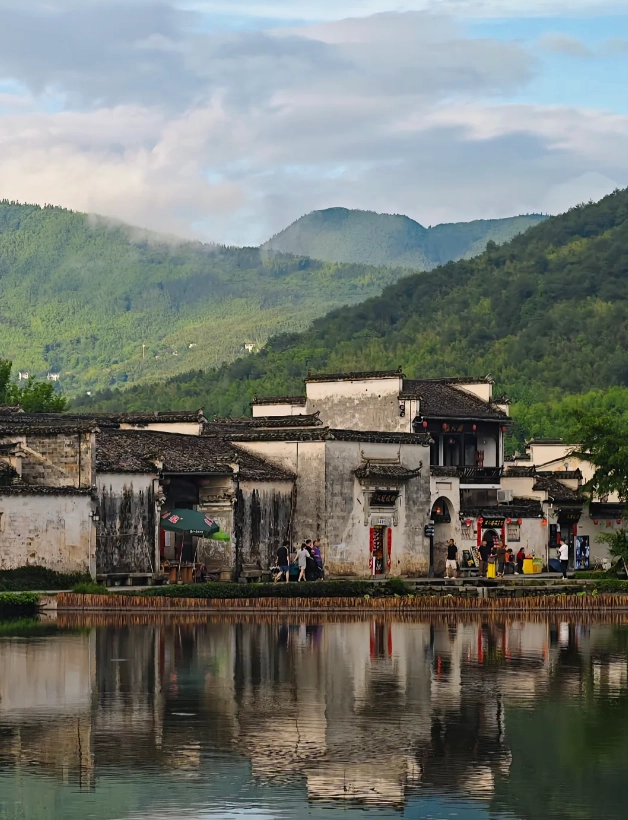
Practical Travel Tips for Navigating Anhui (Payment, Maps, and More)
These are the everyday issues that trip up international travelers in China. I've been doing this for years, so I know the pain points.
Payment: Cash Might Not Be King
China is now almost cashless. Most shops, restaurants, and even street vendors accept Alipay or WeChat Pay. As a foreigner, you can set up Alipay with your international credit card, but it's not always straightforward. If you can't get it working, carry some cash as backup—but don't expect change everywhere. For tourist attractions, admission tickets often require a passport and can usually be paid with card or mobile payment. In my experience, bringing a small amount of cash (¥500 in ¥20 bills) avoids panic.
Navigation: Google Maps Won't Help You
Google Maps is unreliable in China. Download Apple Maps (which works surprisingly well) or use the AMap app, which has an English interface. For taxis, always have the address written in Chinese to show the driver. I keep a screenshot of the hotel address in Chinese for this purpose.
Booking and Entry: Passport Is Essential
For Huangshan and many other major attractions, you must book in advance online using your passport number. The easiest way is to use Trip.com, which is designed for foreigners and accepts international cards. Don't expect to just walk in; there are often gate quotas. Also, some attractions require you to show your physical passport, so never leave it at the hotel.
VPN and Connectivity
To access Google, Facebook, and international sites, you'll need a VPN. The internet in China is heavily censored. Also, get a local SIM card or portable Wi-Fi, because hotel Wi-Fi might be slow or unreliable. I recommend China Unicom's tourist SIM, but you can buy it at the airport.
Language
English is not widely spoken in Anhui, except at big hotels. Download a translation app like Google Translate or Apple Translate and set it to offline Chinese. You can also use the camera function to translate signs. Learning a few phrases like "谢谢" (thank you) and "多少钱" (how much) can go a long way in winning over locals.
Pro Tip: Before you hit the road, save a copy of your passport photo and hotel address in your phone. Also, download an offline map of Anhui in case you lose signal on the mountains.
Frequently Asked Questions About Visiting Anhui
Verified and fact-checked by the editorial team.






No comments yet.