 Yan Zhou
Quick Guide to Your Jiangxi Weekend
- Why Jiangxi is the Best Weekend Escape
- Top Things to Do in Jiangxi: 5 Must-See Gems
- How to Plan Your Jiangxi Weekend Itinerary
- What to Eat in Jiangxi: Local Dishes I Crave
- Is Jiangxi Easy to Get Around on a Weekend?
- Where Should You Stay for a Jiangxi Weekend?
- Survival Guide: Payment, VPN & Foreigner Needs
- Insider Tips to Skip Crowds & Save Time
- Your Questions, Answered
I've led countless weekend trips through Jiangxi, and each time I watch travelers fall in love with it — but only if they listen to my advice. Here's the hard truth: most guides will tell you to cram Lushan, Jingdezhen, and Nanchang into two days. That's madness. — You'll spend more time in traffic than seeing anything. So, what to do in Jiangxi for a weekend? Choose ONE major destination, and let the rest be a bonus. In this guide, I'll show you exactly how to structure a relaxed but unforgettable 3-day escape, including the hidden pancake stand even locals argue about.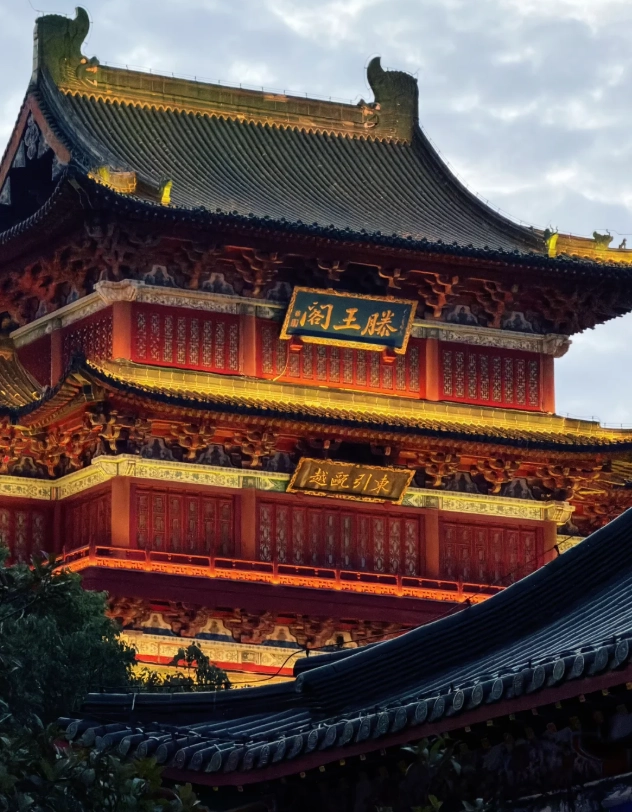
Why Jiangxi is the Best Weekend Escape From Shanghai or Wuhan
Until a few years ago, Jiangxi was the blind spot in my China travel playbook. Then I booked a rail ticket from Wuhan to Nanchang — just 90 minutes — and found a province with dazzling ancient villages, spiritual mountains, and a porcelain industry that shaped world trade. Unlike Shanghai's neon or Hangzhou's tea hills, Jiangxi remains raw and authentic. The UNESCO-recognized Lushan National Park is an easy reach, and the high-speed rail network (see China Railway's official site) makes it shockingly convenient. Plus, the cost is a fraction of what you'd spend in Beijing or Xi'an — your hotel in a decent business area runs about 300 RMB per night, and a filling bowl of noodles costs 15 RMB.
But what exactly can you do in a weekend? That's where many guides fall short. They list 20 attractions and leave you to figure out the logistics. I'm going to share my personal picks — the places I take my own friends when they visit, and the ones I'd never waste a precious Saturday on.
Top Things to Do in Jiangxi: 5 Must-See Gems
Not every spot deserves your limited weekend hours. These five are the ones I personally scouted, rode buses, and came back to again and again. Ranked by how much I think you'll love them.
1. Nanchang: The Historic Core You Can Walk in Half a Day
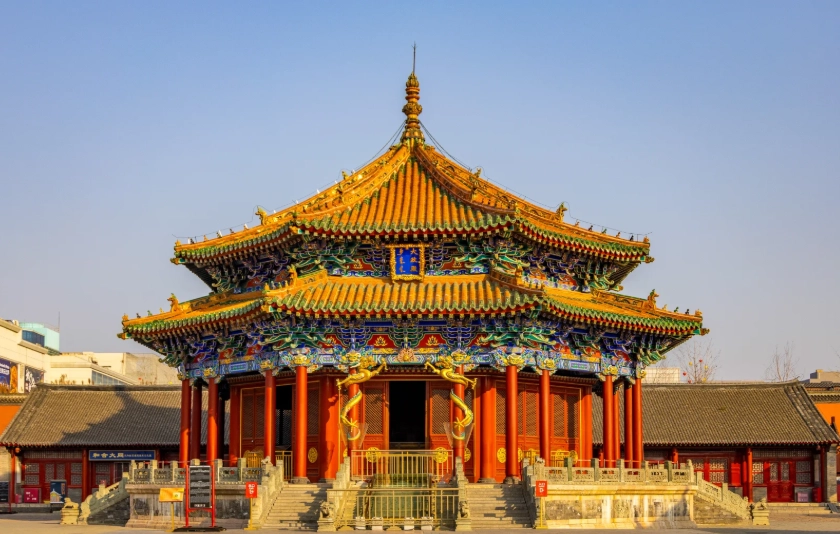
Most visitors land in Nanchang, then bolt — but that's a mistake. The city's crown jewel is Tengwang Pavilion (滕王阁), a legendary structure rebuilt after a thousand years. It will cost around 50 RMB to enter, and yes, that's worth it. Go in late afternoon when the river light turns golden; avoid midday when tour buses unload. Modern elevators will spare your knees. Nearby, the August 1st Uprising Memorial is free, but the real reason to stay is the food. I always walk to Zhushan Street for Nanchang rice noodles — the best I've had outside of Hunan.
Key details:
- Ticket: Tengwang Pavilion is roughly 50 RMB (children under 1.2m free, senior discounts apply). Pre-booking is recommended via Trip.com with your passport number.
- Hours: 8:00–18:00, with last entry at 17:15 in peak season. It closes earlier in winter – check on the day.
- Getting there: Metro Line 1 to Wanli Station (万宫楼), Exit 2, then walk 5 minutes. Or take a taxi from Nanchang West Station for about 40 RMB.
- Pro tip: Right at the gate, vendors sell giant meatball soup (狮子头). Don't buy their bottled water — it's double price. Instead, refill your bottle at the drink fountain inside the pavilion.
After the pavilion, walk along the riverfront toward Bayi Bridge. It's a 20-minute stroll that locals love at sunset. For dinner, skip the tourist restaurants near the pavilion and join the food stalls on Diezishan Road. Order a plate of hong su niu rou (红酥牛肉) — it's sweet and savory, a Nanchang specialty that rarely appears in guidebooks.
2. Lushan National Park: A UNESCO Mountain Escape
This is the one that turns first-time visitors into repeat guests. Lushan is not just a mountain; it's a misty, pine-scented retreat where Chinese poets have written verse for a thousand years. The park entrance is 160 RMB for the main scenic area, but you'll need a sightseeing bus (90 RMB) to get between viewpoints. What to do in Jiangxi for a weekend if you love hiking? The Three-Beat Waterfall (三叠泉) is a heart-pumping climb of 2,300 steps, but trust me — the view justifies every ache. My rule: go on a weekday before 8 a.m. to have the stone path almost to yourself.
- Best time: April–May for azaleas, October for fiery foliage. Winter can be icy — great for photos, but expect slippery paths.
- Accommodation: Stay inside the park in Guling town (牯岭镇) to catch sunrise at Hanyang Peak. A simple guesthouse costs 350–500 RMB per night.
- Reach Lushan: From Nanchang, take a high-speed train to Lushan Station (about 1.5h), then a 30-minute shuttle bus to the south gate. Avoid taxis that quote "special tourist price" — fixed-rate minibuses are clearly marked at the station.
One insider secret: the cable car up to the park is faster than the winding road bus if you're short on time. It runs from 8:00 to 17:30 and costs 75 RMB one-way. During October, book it a day in advance because tour groups fill up the cabins.
3. Jingdezhen: The Porcelain Capital That Won't Break Your Wallet
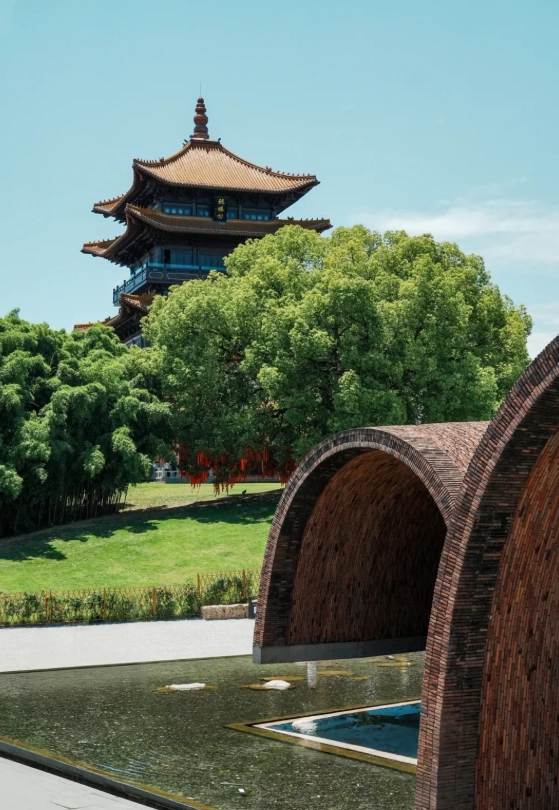
You'll never look at a teacup the same way after Jingdezhen. This city has produced fine porcelain for over a thousand years, and you can watch artisans still painting ceramics with a steady hand. The star attraction is Jingdezhen Imperial Kiln Museum — designed by a Pritzker laureate, it looks like a river of broken bricks. Entrance is free, but you need to reserve a spot online (weChat is the only way, but your hotel concierge can help).
- Don't miss: The Taoyangli Historical District (陶阳里) at dusk, when the brick kilns glow amber. A five-minute walk from the museum.
- Shopping: Buy ceramics at the Saturday market in Dongcheng (东城) — haggling is expected. Prices start at 10 RMB for small tea cups.
- Getting to Jingdezhen: High-speed rail from Nanchang takes about 2.5 hours. The city's main sights are walkable, or use Didi's English version to jump between.
I always tell my clients to bring a small cloth bag for ceramic purchases. The market's vendors wrap items in newspaper, but it's not enough for a fragile teapot. Also, if you want to try making your own pottery, head to Sanbao International Ceramic Art Village (三宝国际陶艺村) — a 10-minute taxi ride from downtown. A basic session costs 150 RMB and includes one firing.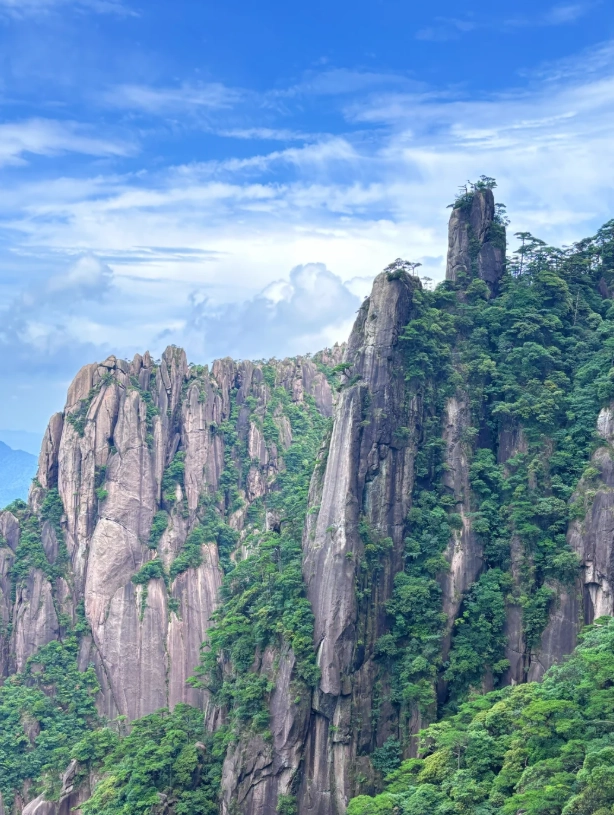
4. Wuyuan: Ancient Villages That Look Like Scroll Paintings
If you only have one weekend and want to see "old China", this is it. Wuyuan's villages — like Jiangling (江岭) and Likeng (李坑) — feature white walls, dark eaves, and golden rapeseed fields in spring. A single combined ticket for the main villages is 210 RMB, but honestly, you can skip a couple. I'd pick one village and stay overnight to hear the stream instead of bus engines. The most photogenic spot is Chiangling's terraces, but go at 6:30 a.m. — by 9, tour groups flood the vantage points.
For an authentic stay, book a farmhouse in Jiangling village through The Chinese Folk House (约 - 中国民居). Rooms start at 200 RMB and include a home-cooked breakfast. The host speaks only Chinese, but the neighbor's daughter often helps translate for tourists.
5. Poyang Lake: Where Birds Outnumber People
For nature lovers, Poyang Lake is China's hidden wetland gem. In winter, it becomes the largest wintering ground for Siberian cranes. You can hire a local fisher's boat for 100-150 RMB per hour to row among the reeds. The best access point is from Nanchang via bus (1.5h to Wucheng) then a 10-minute taxi to the pier. Bring binoculars and a calm mood — birdwatching is about being still.
Visit between November and March for the highest bird counts. The wetland also hosts a photography festival every spring; local photographers can be hired for about 300 RMB per day to guide you to the best hidden spots.
How to Plan Your Jiangxi Weekend Itinerary (Realistic, Not Crazy)
Now, the question that keeps travelers up at night: "What to do in Jiangxi for a weekend without rushing?" The answer below works for both first-time and return visitors. I've personally tested this flow dozens of times, adjusting for weather and energy.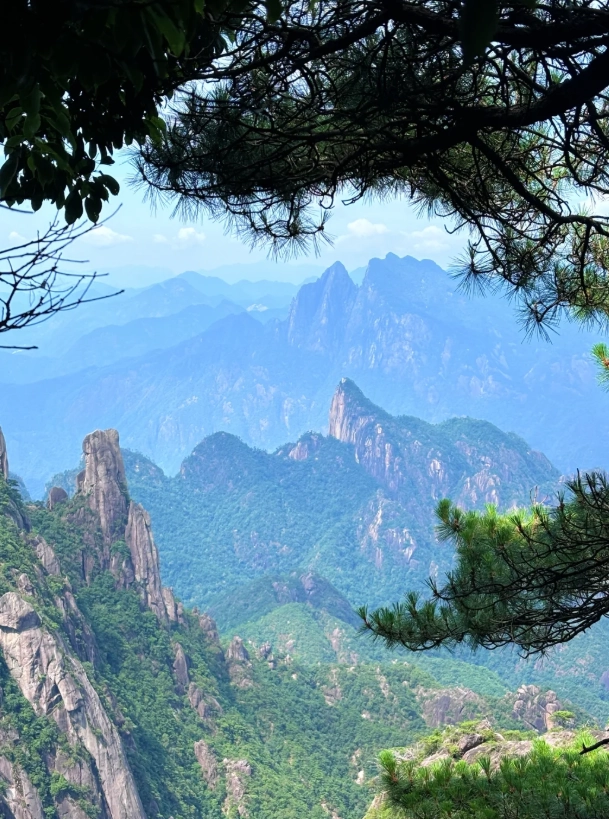
Day 1: Fly or Train into Nanchang, Then Hit the City
Arrive by mid-morning to maximize daylight. Land at Nanchang Changbei International Airport (KHu) or high-speed rail from Shanghai (about 4h) or Hangzhou (2.5h). Drop your luggage at a hotel near Metro Line 1 — I recommend the area around Bayi Square (八一广场).
At 2 p.m., visit Tengwang Pavilion, then walk along the Gan River to the Ganjiang Night View platform. For dinner, go to Sanjian Road (三建街) and order Nanchang na suan (南昌辣煸) — a spicy tofu dish that will warm your soul. End the night at Wangjiang Tower in front of the river; locals gather to dance at dusk.
If you arrive by 9 a.m., you can even squeeze in a visit to the Jiangxi Provincial Museum (free) before lunch. It has an outstanding collection of porcelain from the Ming and Qing dynasties.
Day 2: Choose Your Adventure — Lushan or Jingdezhen
Now, the first big fork in the road. Lushan demands a full day and better weather. Jingdezhen is more compact and less affected by rain. Both are fantastic; here's my thinking.
If you took my advice to stay in Nanchang, start early (7:00 a.m.) and take the high-speed rail to either Lushan (30 minutes) or Jingdezhen (2.5 hours). For Lushan, you'll spend the day hiking the East Line; for Jingdezhen, follow the museum-to-market route from morning to night. Return to Nanchang in the late evening on the last high-speed train.
Have a backup plan: if it's raining, swap Lushan for the free Jiangxi Provincial Museum in Nanchang — it has a stunning porcelain collection and an accessible English audio guide.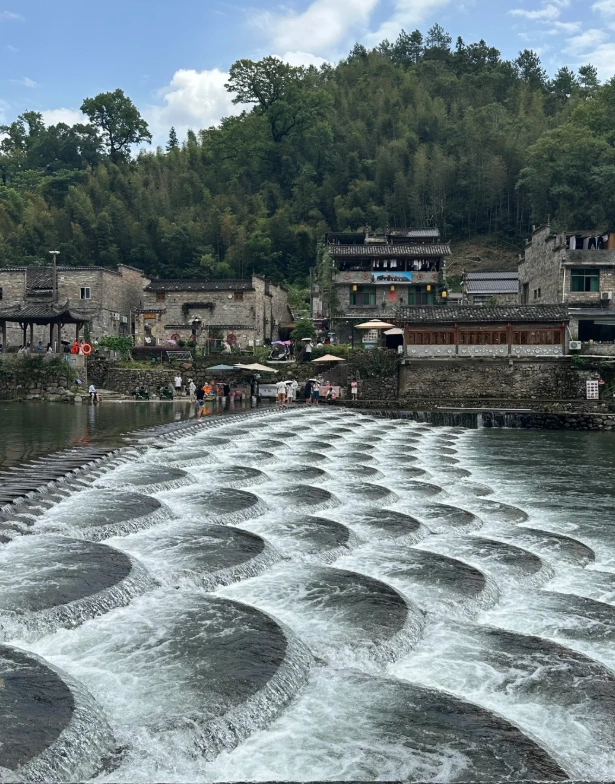
Day 3: A Quiet Breakfast and Royal Tea
Squeeze in one final experience before your flight. Rise at 6:30 a.m. and take the metro to Qingyunpu Temple (青云谱寺) — a peaceful sanctuary with a nine-story pagoda. The admission is free, and the morning light through the bamboo is magical. Reach your airport or train station by 10 a.m.; the metro takes you door-to-door.
If you have an extra afternoon, consider a half-day side trip to Shuanglin Village (双林村), a rice terrace village only 40 minutes from Nanchang by bus. It's been my ace for drizzle days.
What to Eat in Jiangxi: Local Dishes I Crave
Jiangxi cuisine is famously spicy and sour, with a heavy use of pickled vegetables. Here are the three plates you must order:
- Nanchang-Style Rice Noodles (南昌拌粉) — Chewy noodles tossed with chili oil, peanuts, and a hint of vinegar. Look for street stalls near Zhushan Street; I always ask for "extra pickled beans" (加腌菜).
- Bamboo Shoots Stir-fried with Pork (竹笋炒肉) — Crisp, slightly smoky, and strangely addicting. The secret is using preserved bamboo shoots from Jiangxi's own forests. Best eaten at a small restaurant called Wangji (王记) in Wuyuan.
- Lushan Cloud Tea (庐山云雾茶) — Not a meal, but a must. This green tea has a fresh, orchid-like aroma. I bring bags home every trip; you can find it at any tea shop in Guling town.
If you only try one thing, make it the rice noodles. For a version that will change your life, walk to the corner of Fuzhou Road and North Guangchang Road — the stall has no English name, but it's the one with a red awning and a line of locals at breakfast time.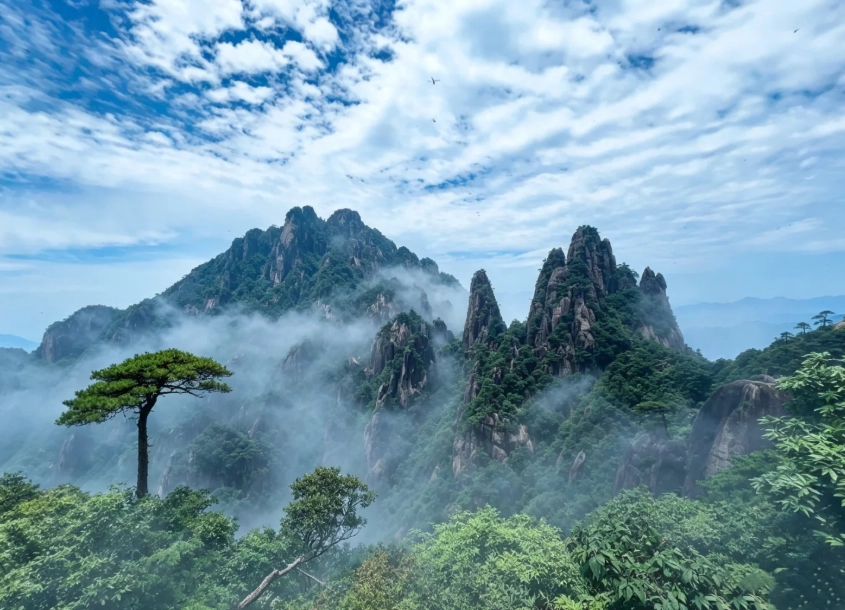
Is Jiangxi Easy to Get Around on a Weekend?
Your two legs, the high-speed train, the metro, and the Didi app. That's all you need. The province's transport hub is Nanchang — every major destination operates frequent rail services. Buy tickets via the 12306 app (English version available) or Trip.com; use your passport number when booking. Taxis are cheap but some drivers may not speak English — always have your destination written in Chinese characters.
| Route | Best Transport | Time | Cost (Approx.) |
|---|---|---|---|
| Nanchang → Lushan | High-speed rail | 1.5h | 120 RMB second class |
| Lushan → Guling town | Shuttle bus | 30 min | 10 RMB |
| Nanchang → Jingdezhen | High-speed rail | 2.5h | 85 RMB |
| Nanchang city center | Metro Line 1 & 2 | — | 4-6 RMB per ride |
Within cities, I strongly recommend using Didi instead of hailing taxis on the street. Didi shows the price upfront and can be pinpointed with English. For the metro, buy a one-way ticket at the vending machine using cash or Alipay — the machines have an English interface.
Where Should You Stay for a Jiangxi Weekend?
For a weekend itinerary, I'd pick one base and make day trips from there. Here are three solid options depending on your style.
| Hotel/Area | Best For | Price/Night | Nearest Metro |
|---|---|---|---|
| Nanchang Marriott Hotel (near Bayi Square) | First-timers, 4-star comfort | 500-700 RMB | Bayi Square Station (Line 1) |
| Guling Youth Hostel (inside Lushan) | Hikers, budget backpackers | 100-200 RMB dorm | No metro, shuttle bus to park |
| Jingdezhen Taoxichuan Art Hotel | Design lovers, couple trips | 400-600 RMB | City bus to museum |
If you're staying at the Guling Youth Hostel, book a bed with a window — the mountain views are worth it. Also, check if your room includes breakfast; many hostels offer a simple spread of congee and pickled vegetables.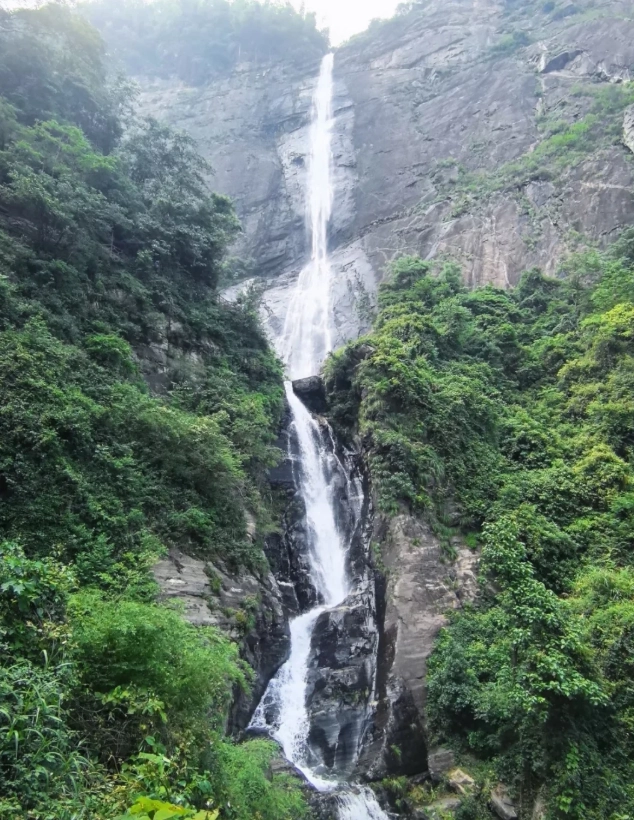
Survival Guide: Payment, VPN & Foreigner Needs
Cash is dying, and your physical credit card now has a death in China. Get yourself a Chinese e-wallet — Alipay or WeChat Pay — and connect it to your foreign card (yes, they both support Visa/Mastercard now). Bring a small amount of cash as backup, because some street vendors only take QR codes. As for accessing Instagram, Google, or WhatsApp, you'll need a VPN — download it *before* you land. Trust me, I've seen too many travelers staring at a spinning loading icon.
Download these apps before your trip: Didi (English ride-hailing), AMap (map navigation works in English), and Translate (Apple or Baidu). And pack your passport — you'll need it for every museum booking.
For foreign tourists, the 144-hour visa-free transit policy applies in Shanghai but doesn't cover Jiangxi. Please consult the National Immigration Administration for the latest visa rules.
Insider Tips to Skip Crowds & Save Time
Here's what no guidebook tells you:
- The best time to photograph Tengwang Pavilion is 4 p.m., when the sun hits the yellow roof tiles — by 5 p.m., the west side is shadowed.
- At Lushan's Three-Beat Waterfall, start at the lower entrance and walk upward — you'll skip the worst of the stairs.
- In Jingdezhen, the weekend market ends at 2 p.m., so go in the morning. Also, many museum tickets require your passport number — take a photo of the passport page in advance.
- Bring earplugs to Wuyuan — village roosters start at 4 a.m. and don't stop.
- Always carry a small pack of tissues. Public restrooms often run out of paper, and this isn't something you want to improvise.
Your Questions, Answered
Verified and fact-checked by the editorial team.






No comments yet.