 Peng Gao
My feet ached from hours of walking the solemn, cypress-lined paths of the Mausoleum of the Yellow Emperor. The history was profound, the silence heavy. But as I passed through the main gate back into Huangling town, a different kind of hunger hit—not for knowledge, but for something warm, salty, and unequivocally real. The main street offered the usual: neon signs for “Tourist Restaurant” and generic buffets. I turned down a side alley instead, where the air shifted. It was filled with the sharp, mouthwatering scent of toasted chilies and vinegar, and the rhythmic thud of dough being slapped against a counter. That's where you find it. Not a "food guide" in the glossy sense, but the actual sustenance of the place.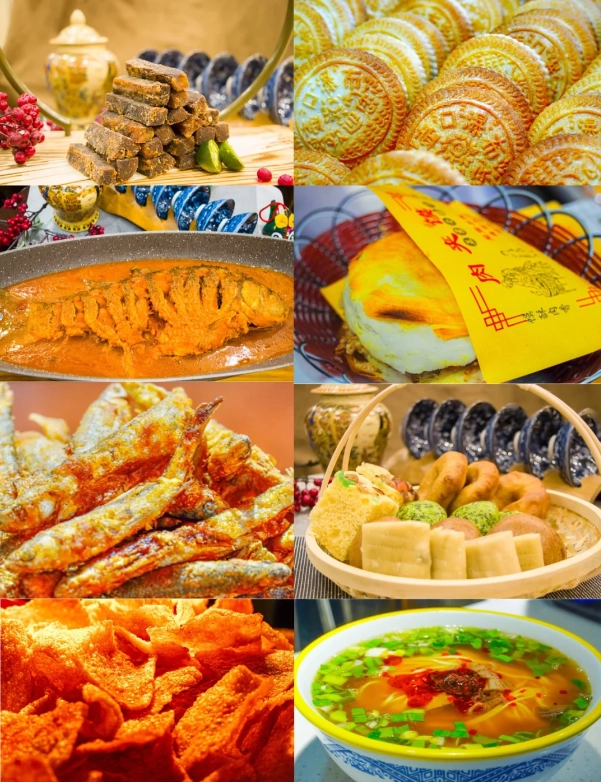
Your Quick Food Map
The Noodle Kingdom of Shaanxi
Let's be clear: if you're in Shaanxi, you're here for the noodles. The wheat from the Loess Plateau makes for some of the most resilient, chewy dough in China. Around Huangling, you're at the northern edge of the Guanzhong Plain, where noodle culture is religion. Forget fancy sauces; the magic here is in the texture of the hand-pulled belt noodles and the "sizzle" of hot oil dressing.
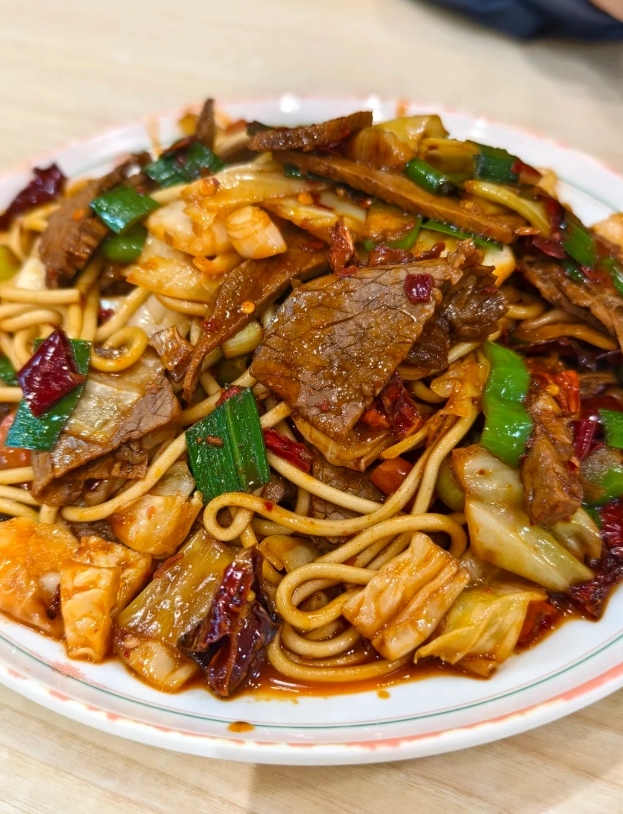
The star is Youpo Mian, or "Oil-Splashed Noodles." It sounds simple, and it is. Thick, hand-torn belt noodles are boiled, tossed in a bowl with chopped garlic, dried chili flakes, and maybe some greens. Then, the cook takes a ladle of smoking-hot rapeseed oil and pours it directly over the toppings. The result is a crackling, fragrant eruption that semi-cooks the garlic and chilies, releasing an aroma that makes everyone in the room turn their heads. The taste is nutty, garlicky, with a deep heat that builds slowly, not a fiery punch. It's comfort food with attitude.
Then there's Biang Biang Mian. Yes, the character is famously complex. The noodles are like wide, irregularly torn belts—almost as wide as your hand. They're served similarly, often with a meat sauce (zajiang) or the oil-splash treatment. The joy is in the physical act of eating them. Slurping is mandatory; trying to eat them delicately is a fool's errand.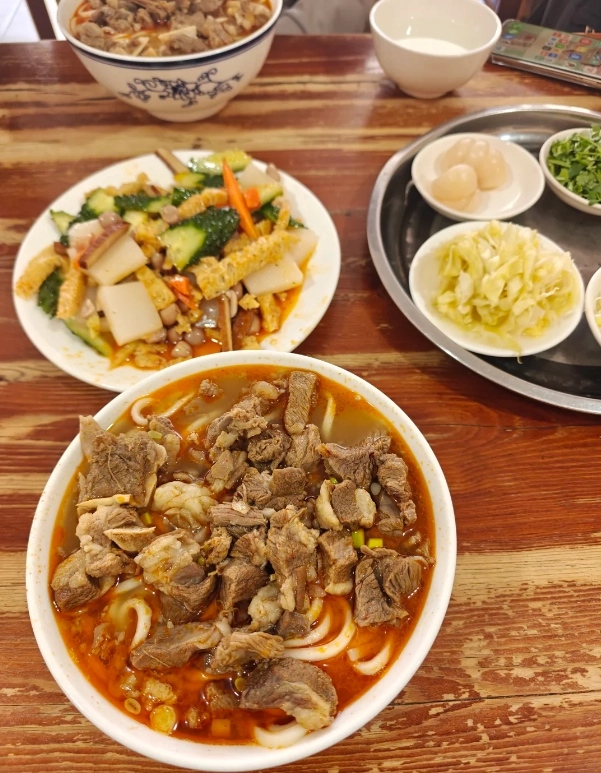
A Local's Tip: The best noodle shops in Huangling are not on the square facing the Mausoleum entrance. Walk for 5-10 minutes into the older residential streets. Look for places packed at lunch with construction workers or taxi drivers, plastic stools stacked outside, and a visible kitchen where you can see the pulling and slapping. If the menu has glossy photos, keep walking.
Where to Eat: Two Spots You Won't Regret
1. Lao Zhang Family Noodles
I found this place because I saw a delivery driver park his moped, walk in, and emerge five minutes later with a steaming bowl. He ate it standing by his bike, slurping with a speed that spoke of pure satisfaction. That's the review that matters.
Address: Look for a faded blue sign at the corner of Beimen Lane and Zhanqian Street. It's a single, long room with about eight tables. The floor is linoleum, the walls have a calendar from 2018, and the ventilation is... optimistic. But it's clean where it counts—the kitchen area is open, and you can see the cook's hands moving fast.
The Must-Order: Their Special Youpo Mian. It comes with extra toppings: a handful of bean sprouts, bok choy, and ground pork for an extra savory layer. The noodles have that perfect jian dao (chewy bounce). The chili level is adjustable—just say "wei la" for mild or "bu yao tai la" for "not too spicy." I went for the standard and my nose started running happily by the third bite.
Cost & Logistics: A massive bowl costs 18 RMB (about $2.50 USD). No English menu, but you can point to the large Chinese characters for on the wall. They're open from 10:30 AM to 9:00 PM. Peak lunch hour (12-1 PM) sees a short queue, but turnover is quick. I paid using AliPay on my phone; they accept WeChat Pay too. Cash works but is less common.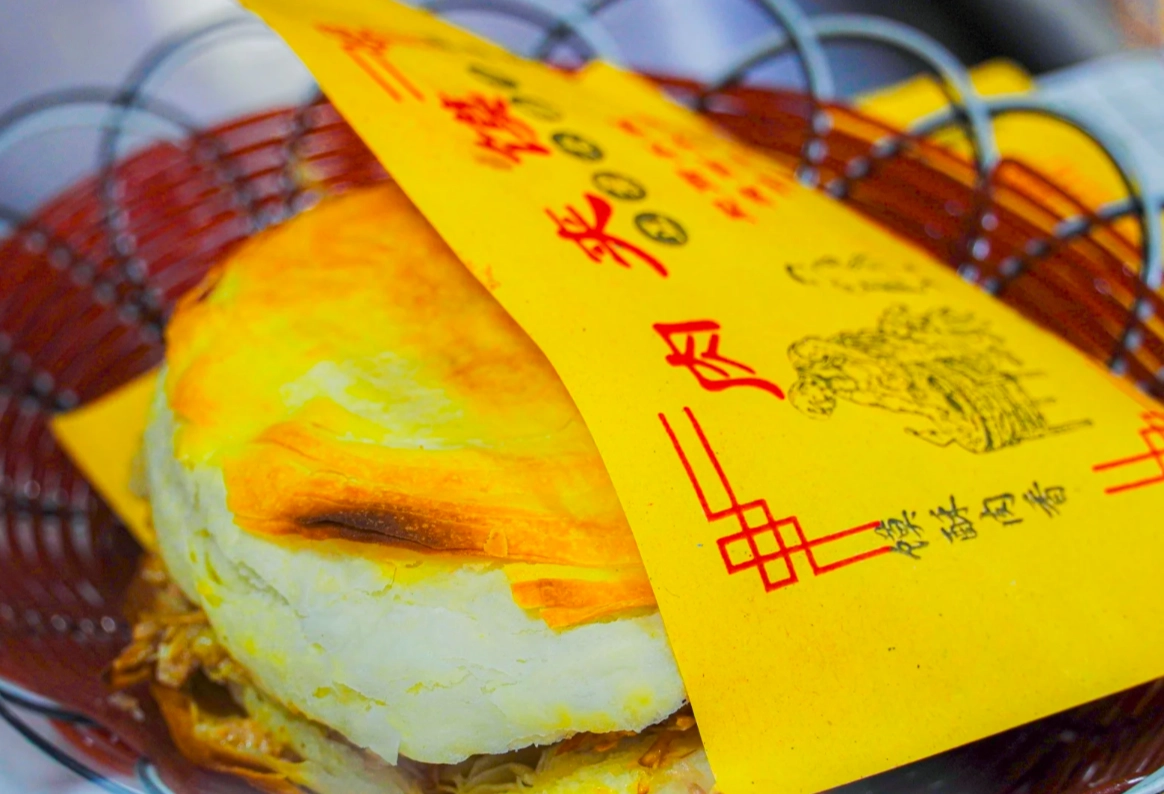
2. Huangling Old Street Roujiamo Stall
Not for a full meal, but for the perfect snack. On the so-called "Old Street" (which has some touristy bits), this stall operates out of a hatch in a wall. An elderly couple runs it. She chops the meat, he assembles the buns. It's a two-person symphony of chopping and stuffing.
What to get: Roujiamo, often called a Chinese burger. The bun (mo) is baked in a clay oven until crisp outside, fluffy inside. They stew pork belly with over a dozen spices for hours until it's fall-apart tender, then chop it finely with a cleaver, mixing in some of the rich braising juice. They stuff an obscene amount into the bun. The first bite is a mess—juices everywhere—but it's a glorious mess of savory, slightly sweet, and aromatic meat. It's 12 RMB (~$1.70 USD). Eat it on the spot, leaning slightly forward.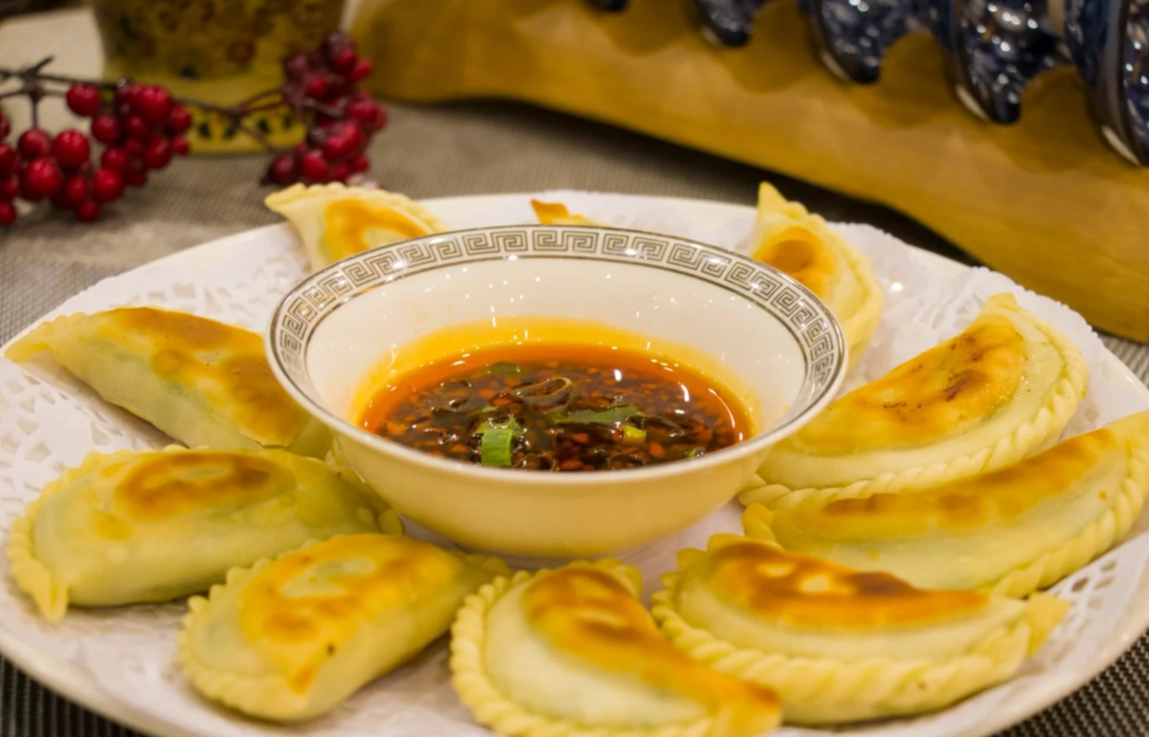
| Dish (English / Pinyin) | What It Is | Flavor Profile | Approx. Price (USD) |
|---|---|---|---|
| Oil-Splashed Noodles / Youpo Mian | Hand-pulled wide noodles with sizzled chili & garlic oil | Nutty, garlicky, building heat, chewy texture | $2 - $3.50 |
| Biang Biang Noodles | Extremely wide, belt-like noodles with meat sauce or oil dressing | Savory, hearty, fun to eat (slurp!) | $2.50 - $4 |
| Chinese Burger / Roujiamo | Stewed pork stuffed in a crispy baked bun | Juicy, savory, aromatic, slightly sweet from spices | $1.50 - $2.50 |
| Cold Skin Noodles / Liangpi | Chewy wheat starch strips, served cold with sauce | Refreshing, tangy (vinegar), spicy, great for a hot day | $1.50 - $2.50 |
| Mutton Soup / Yangrou Paomo | Stewed mutton broth with torn flatbread (requires participation) | Rich, gamey (in a good way), warming, hearty | $4 - $6 |
Beyond Noodles: Street Bites & Savory Pies
If you need a break from carbs-on-carbs (though, why would you?), look for Liangpi. These are cold, chewy strips made from wheat or rice starch, served in a tangy, spicy sauce with bean sprouts and gluten chunks. It's a refreshing counterpoint to the oily noodles. A small stall near the bus station sells a great version for 10 RMB.
For the adventurous, Yangrou Paomo is a ritual. You get a bowl of mutton broth and a flatbread. Your job is to tear the bread into tiny, pea-sized pieces—this takes time and is a social activity. You then return the bowl of crumbs to the kitchen, where they'll stew it with the mutton. The result is a thick, porridge-like, incredibly flavorful meal. It's a commitment. I tried it once and spent 20 minutes tearing bread while the locals around me finished in five. Still worth it.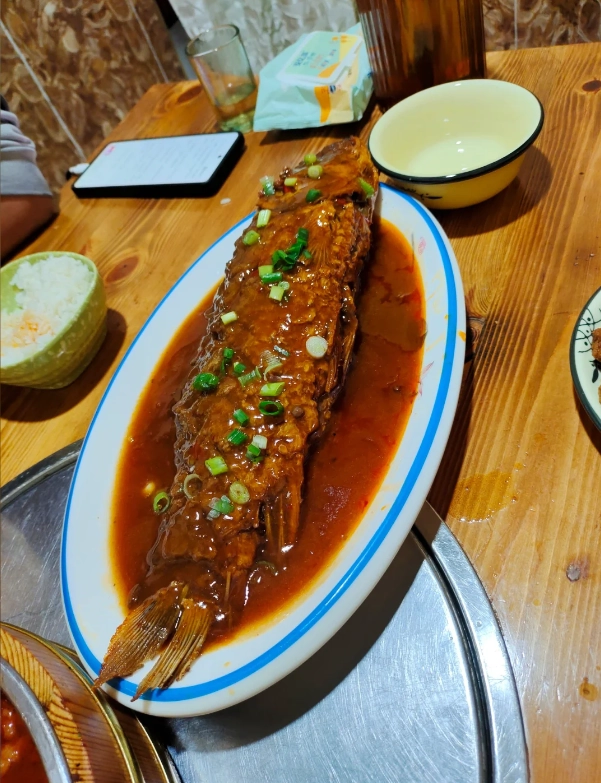
How to Order (and Eat) Like a Local
Pointing is your universal language. See something on someone else's table that looks good? Walk over, smile, and point. Say "Zhe ge" (this one). It always works.
Don't ask for a fork immediately. Try the chopsticks. The noodles are thick and easy to grip. Wrap them around your sticks, lift, slurp. The slurping cools the noodles and pulls in the aroma. It's not rude; it's appreciative. If you really struggle, most places have disposable wooden forks if you ask ("chazi").
Tea or boiled water is usually free and self-serve from a thermos on a side table. Help yourself. For a drink, local Bingfeng orange soda or Jianlibao sports drink are the classic accompaniments.
Payment is almost always via QR code. Have AliPay or WeChat Pay set up with your card. If you only have cash, have smaller bills (10, 20 RMB notes) ready.
 How do I know if a street stall is hygienic?
The food around the Mausoleum of the Yellow Emperor isn't about fine dining or Instagrammable plating. It's about sustenance, history in a bowl, and the simple, profound pleasure of a well-made noodle after a day of reflection. Skip the packaged tour group lunch. Walk into the alley, follow the sound of dough hitting wood, and order with a point. That's where your real connection to Huangling begins—at the bottom of a steaming, oily, glorious bowl.
This article is based on personal experience and observations. Information such as prices and hours was accurate at the time of writing and is subject to change.





Honestly a bit disappointed. The place was crowded and we waited 30 minutes just to order. The vegetarian noodles were bland — tasted like plain boiled noodles with a drizzle of soy sauce. My friend's lamb dish was greasy. For a spot right next to such a historic site, I expected much better. Maybe try the other restaurants further down the street.
Good spot with a nice atmosphere — they have outdoor seating overlooking the hills. The food was solid: the braised pork belly was tender and the pickled vegetables added a nice tang. Only downside is that portions felt a bit small for the price (¥48 for a bowl). Still, worth a stop if you're already visiting the Mausoleum. Rating 4.
Found a tiny stall just outside the main entrance — best grilled skewers I've had in years! The smoky char on the beef and peppers was amazing, and the cold noodle salad with sesame dressing was refreshing on a hot day. Super affordable too. The owner gave us a free taste of homemade chili oil. This is what I call authentic local food!
The hand-pulled noodles here are unreal! Watched the chef stretch them right at the counter — so fresh. The spicy sauce had a nice kick without being overpowering. Service was quick despite the lunch rush. I'd recommend the set meal for two; it gives you a great sampler of Huangling's street food. Definitely coming back.
Absolutely loved the local specialties near the Mausoleum! We tried the steamed buns filled with seasoned lamb — they were fluffy and packed with flavor. The broth was rich and aromatic, perfect after walking around the site. The staff even explained how the dish connects to local traditions. A must-try for any visitor. 5 stars!
Honestly, I was a bit disappointed. The restaurant inside the scenic area looked nice but the food was clearly reheated. The 'local specialty' sorghum noodle soup came out lukewarm and tasted like plain broth with no complexity. My companion's dumplings were overcooked and split open. For the price they charge (tourist zone markup), I'd say skip eating here and grab something from the vendors outside. Maybe I hit a bad day, but it was a 3 for me.
If you're looking for something quick and cheap, get the sesame seed cake stuffed with spiced beef from the stall right at the parking lot. It cost 10 yuan, it's piping hot, and the beef is tender with a kick of cumin. I came back for a second one after visiting the mausoleum. No fancy seating, just eat standing up while watching the crowds – felt very authentic. Highly recommend!
We had a really pleasant lunch at a family-run eatery about 200 meters from the main gate. The stir-fried wild greens (toon shoots in season) were crunchy and fragrant, and the corn pancake was slightly sweet and crisp. The owner spoke no English but was so patient with my basic Mandarin. Portions were generous for the price. A solid 4 out of 5 – only deducting one star because the braised pork was a little too fatty for my taste.
Decided to try the famous 'Yellow Emperor's sacrificial buns' at a restaurant just outside the scenic area. They looked impressive with the seal pattern on top, but the filling was mostly dry vegetable shreds and very little meat. For 38 yuan each, I expected more flavor. The service was slow too, probably because it was peak tourist season. Not terrible, but I wouldn't go out of my way for it.
I stopped by a small noodle shop near the Mausoleum after the hike up the steps. The bowl of hand-pulled noodles with lamb broth was hot, hearty, and honestly the best thing I ate all week in Shaanxi. The owner even explained how the recipe has been passed down for three generations. If you're visiting the Huangling site, don't skip the local street food — it's a perfect cultural finish to the solemn experience.