 Tao Xu
You've booked your flight to Guangzhou. Now what? Most online guides just throw a list of temples and towers at you. After ten years of guiding families and solo travelers through this city, I've seen the same mistakes: rushing to too many places, missing the real food, and getting stuck in crowds. This isn't just another list. It's the exact 3-day route I use for my private tours, packed with timing, transport hacks, and the spots where locals actually go.
Your Guangzhou Trip at a Glance
Day 1: Modern Icons & Historic Roots
Start high. Literally. We're tackling Guangzhou's most famous landmark first thing to beat the tour groups and haze.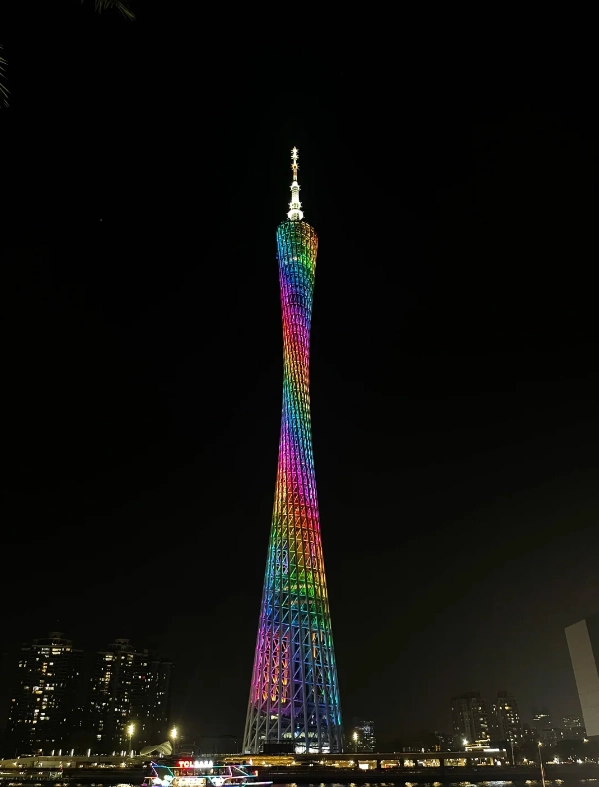
Morning: Canton Tower & Haixinsha
Canton Tower is non-negotiable. But don't just go up. Here's how to do it right. Book your ‘Observation Deck’ ticket online in advance via their official website or platforms like Trip.com. The price is around 150 RMB for adults. Aim for a 9:30 AM entry slot. Why so early? By 11 AM, the glass windows are covered in fingerprints and the view gets hazy. Take Line 3 or APM Line to Chigang Pagoda Station, Exit A. Walk straight for 7 minutes – you'll see the tower's base looming.
Skip the expensive bubble tram. The 433m and 450m observation decks offer the same breathtaking, dizzying view of the Pearl River winding through the city. I always point clients to the north-west view to spot the Haizhu Bridge and the older parts of town.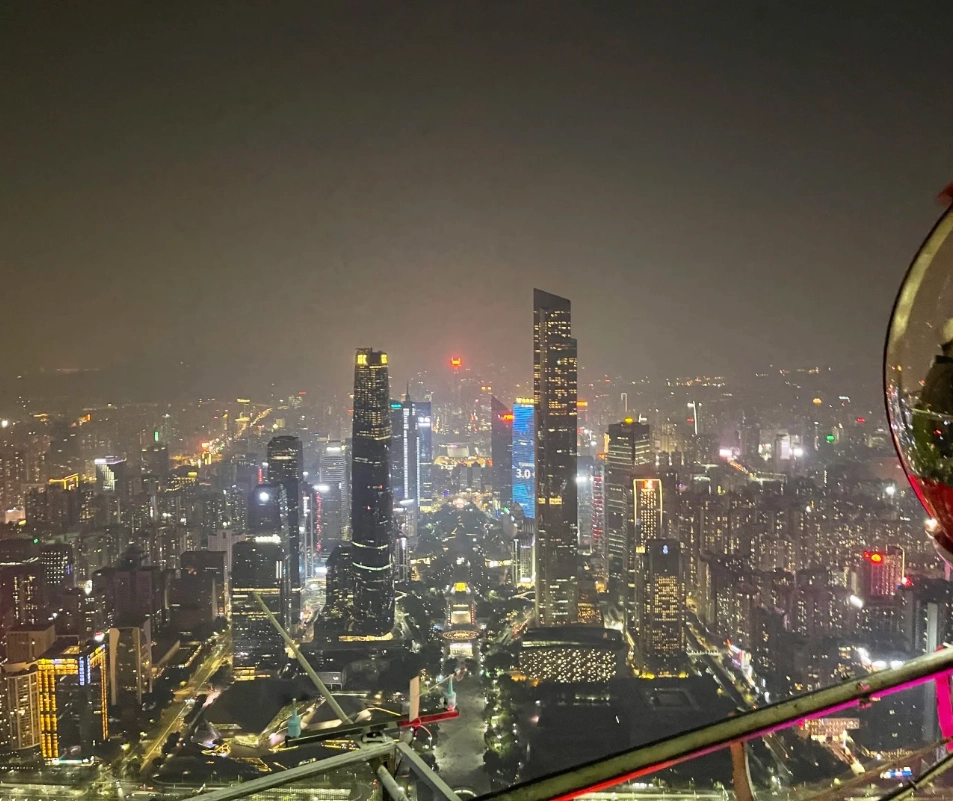
Afternoon: The Sacred Heart Cathedral & Shamian Island
From the tower, a 15-minute taxi ride (about 20 RMB) takes you back in time to the Sacred Heart Cathedral (Shishi Cathedral). This is the largest Gothic cathedral in the Far East. Address: 56 Yide Lu. It's free to enter, but check the hours – it's usually closed between 11:30 AM and 1:30 PM. Modest dress is required (cover shoulders and knees). The stone facade is stunning, but the real magic is inside when the sun hits the stained glass.
Now, walk 15 minutes south towards the Pearl River. You'll cross a busy road and suddenly enter Shamian Island. This is my favorite area. It's a quiet oasis of colonial architecture, banyan trees, and slow pace. Most tourists stick to the main paths. For better photos, wander the smaller alleys on the west side of the island. The old French Catholic church and the former British Consulate are highlights.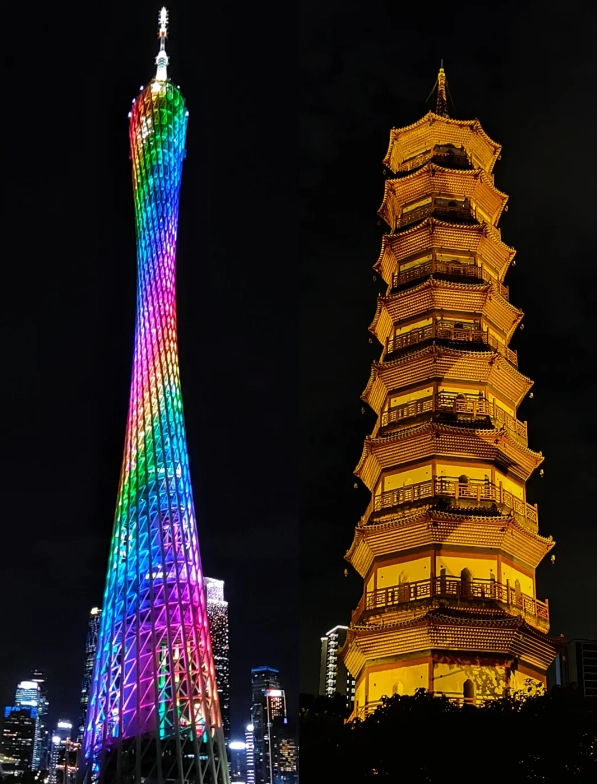
Lunch & Coffee Break on Shamian
Don't eat at the overpriced riverside restaurants. For a quick, authentic bite, find the small local noodle shops just off the main square. For coffee with a view, the Starbucks on Central Avenue is in a beautiful colonial building – it's a cliché, but the terrace is perfect for people-watching. A better local secret is the ‘Lucy's Cafe’ tucked away in a side street, serving decent Western food if you need a break from Chinese flavors.
Evening: Pearl River Night Cruise
You're already on Shamian, close to several piers. Book the ‘Tianzi Pier’ cruise. It's the most central and offers frequent departures. You can book on-site or via apps like Meituan. The standard cruise costs about 80-100 RMB per person and lasts 60-70 minutes. The 8:00 PM departure is ideal – the city lights are fully on, but it's not the last crowded one.
Get a seat on the open upper deck, starboard (right) side. This gives you the best view of the lit-up Canton Tower, Haizhu Bridge, and the modern skyscrapers of Zhujiang New Town. It's breezy and the best way to see the city's transformation from water level.
Day 2: Colonial Charm & Cantonese Flavors
Today is about layers of history and your taste buds.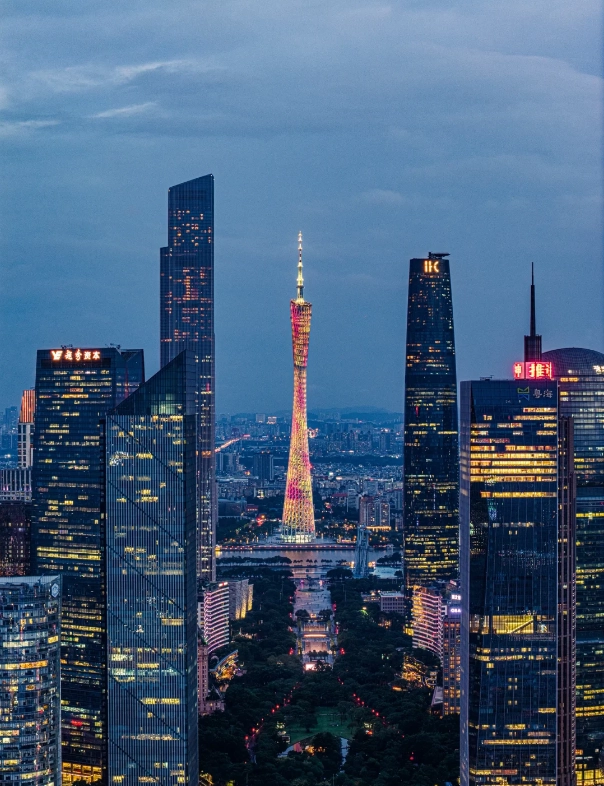
Morning: Chen Clan Ancestral Hall
Take Line 1 to Chen Clan Ancestral Hall Station, Exit C. As you walk out, ignore the souvenir stalls and head straight for the entrance at 34 Enlong Li. This isn't just a hall; it's a masterpiece of Lingnan architecture, now the Guangdong Folk Art Museum. Tickets are 10 RMB, no need for advanced booking. Go right when it opens at 8:30 AM to enjoy the intricate wood, stone, and brick carvings in peace. Look for the detailed scenes from Chinese legends on the roof ridges – they tell stories.
Afternoon: Beijing Road & Hidden Alleys
From the Chen Clan, take Line 1 two stops to Gongyuanqian Station. Exit B puts you right on Beijing Road Pedestrian Street. Yes, it's commercial, but underneath the modern shops, you can see glass panels protecting the ancient Song and Ming Dynasty roadways. It's a literal walk through history.
The real treasure is off the main drag. Dive into the side alleys like Gaodi Street. This is where locals shop for dried seafood, herbs, and traditional snacks. You'll find tiny, decades-old restaurants here that most tourists walk past.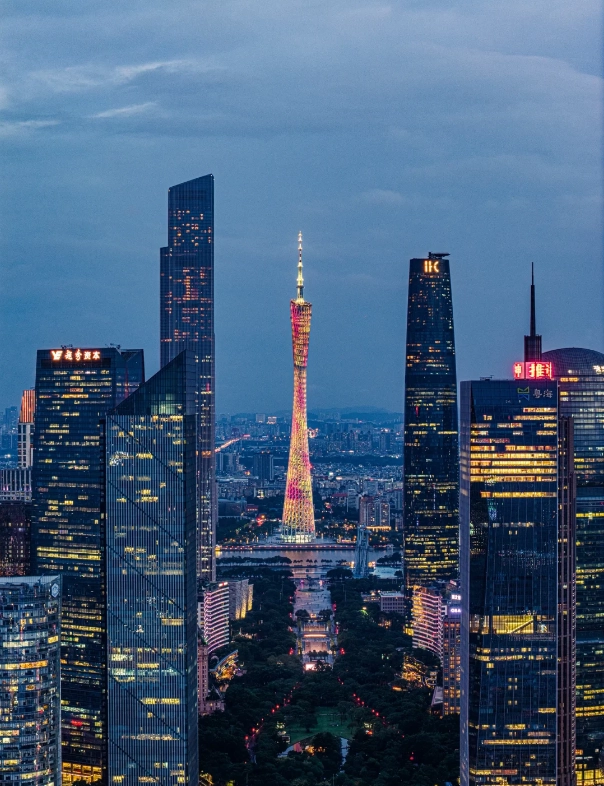
Must-Try Lunch on Beijing Road
For an iconic Cantonese meal, head to Taotaoju Restaurant (20-22 Beijing Lu). It's been around since the 1800s. Get their roast suckling pig (crispy skin, tender meat) and the steamed minced pork with salted fish. A meal here runs about 80-120 RMB per person. They have an English picture menu. Go around 1 PM to avoid the main lunch rush. If you want something quicker and cheaper, find a ‘laozi hao’ (old brand) congee shop in the alleys for a bowl of piping-hot century egg and pork congee.
Late Afternoon: Temple of the Six Banyan Trees
A 10-minute walk from Beijing Road brings you to this active Buddhist temple at 87 Liurong Lu. The entrance fee is 5 RMB. The highlight is the Flowery Pagoda. You can't climb it, but its colorful exterior is unique. It's quieter than the more famous Guangxiao Temple and feels more lived-in. Listen for the monks chanting around 4 PM.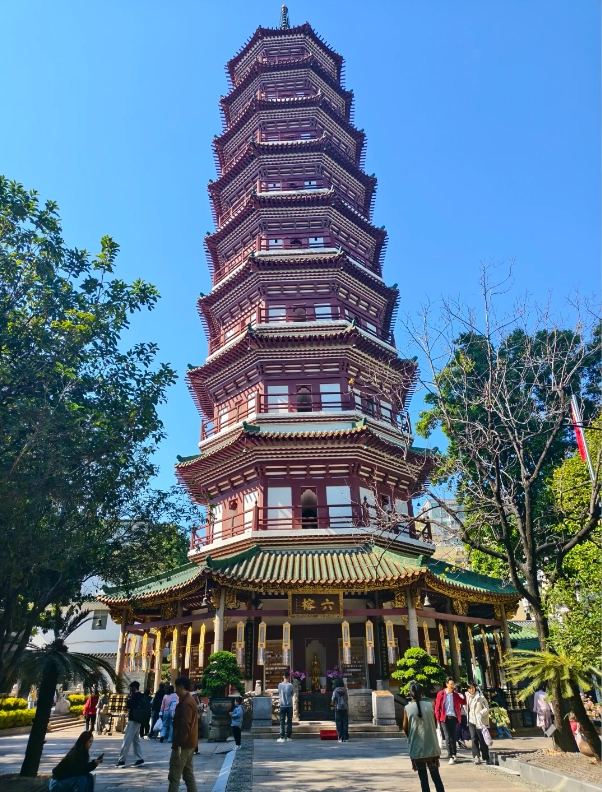
Day 3: Cultural Depths & Local Life
Let's move beyond the downtown core and see how Guangzhou lives and breathes.
Morning: Yuexiu Park & The Five Rams Sculpture
Yuexiu Park is the city's green lung. Enter from the west gate near Yuexiu Park Station (Line 2). It's free. Walk up to the Zhenhai Tower, which houses the Guangzhou Museum (a small separate ticket, about 10 RMB). The view from here over the park is lovely. Then, find the Five Rams Sculpture – the city symbol. It's always crowded with photo-takers. My advice? Get your photo early, then enjoy a stroll around the nearby Ming Dynasty city wall remnants. It's a peaceful contrast.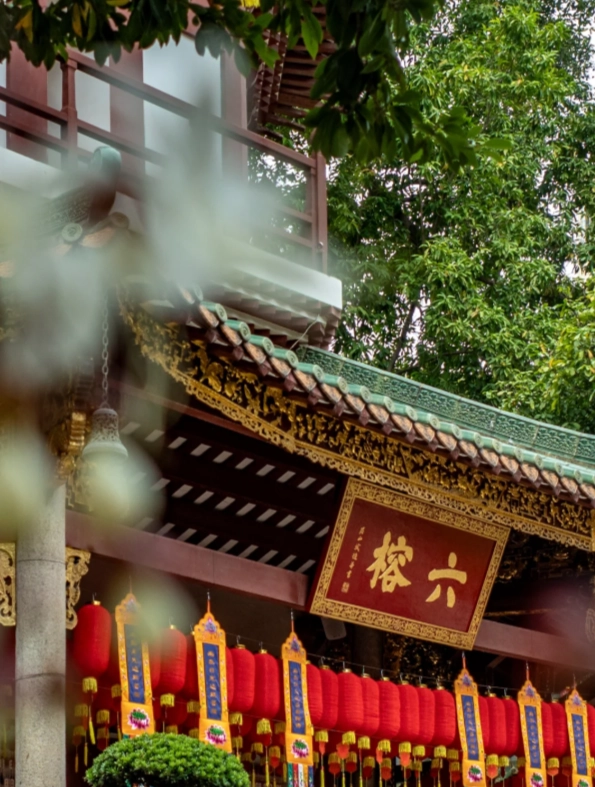
Afternoon: Choice: Museum or Market Dive
Here’s where your interests decide.
Option A (History Buffs): Take a taxi to the Museum of the Mausoleum of the Nanyue King (867 Jiefang Bei Lu). This is a world-class archaeological site. You descend into the actual 2000-year-old tomb of a king. The jade burial suit is astonishing. Tickets are 12 RMB. It's air-conditioned and a perfect escape on a hot or rainy day.
Option B (Food Adventurers): Head to Qingping Market (near Huangsha Station, Line 1). This is not for the faint-hearted. It's a sprawling, chaotic traditional market where you'll see everything from dried seahorses to fresh lychees. It's sensory overload and the absolute opposite of a sanitized tourist spot. Go with curiosity, maybe skip buying the exotic wildlife products, but do try some fresh tropical fruit from the vendors at the market edges.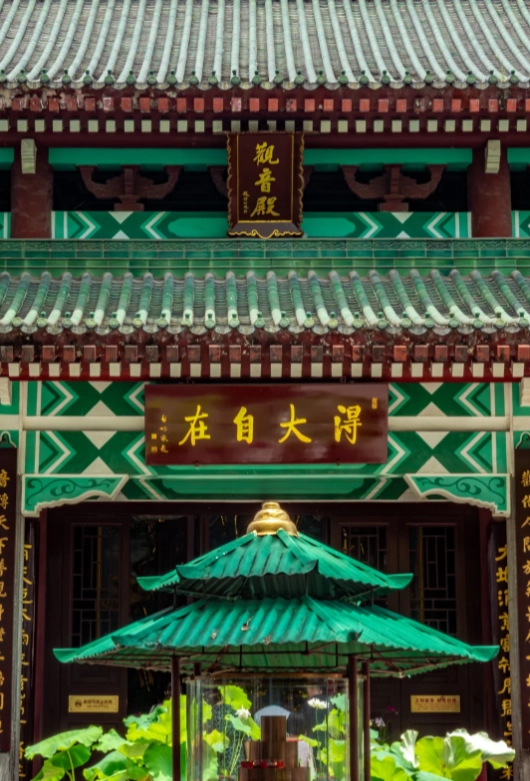
Evening: Zhujiang New Town Skyline
For your final night, experience modern Guangzhou. Take Line 3 or 5 to Zhujiang New Town Station. Exit to the Huacheng Square area. This is the Manhattan of Guangzhou. As dusk falls, walk towards the Pearl River. You'll get an incredible, free view of the Canton Tower, the IFC Tower, and the Guangzhou Opera House (which looks like two giant, polished pebbles). The area is full of upscale restaurants and bars. For a memorable farewell dinner, try a hot pot restaurant in the nearby兴盛路 (Xingsheng Lu) area – it's where the city's young professionals eat.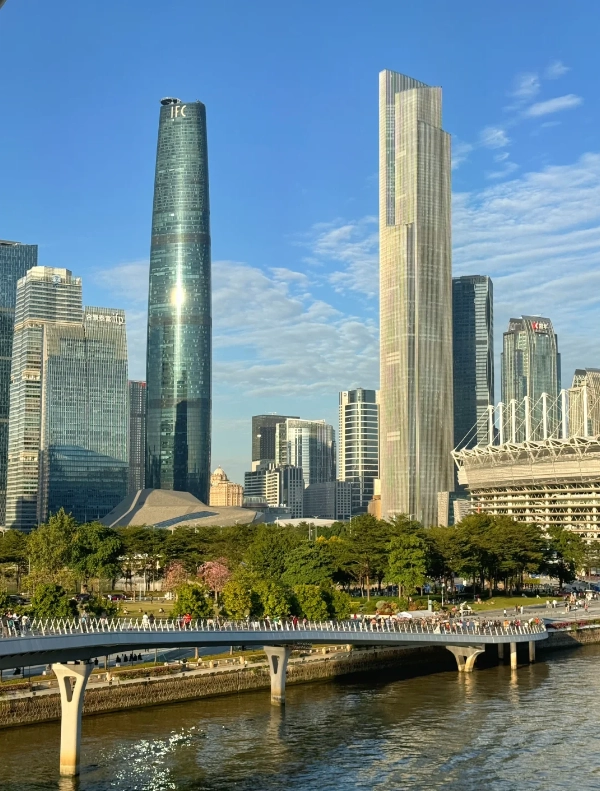
Where to Stay in Guangzhou
Location is everything. Here’s my breakdown based on who you are.
| Area | Best For | Pros & Cons | Hotel Example & Price Range |
|---|---|---|---|
| Tianhe District (Zhujiang New Town) | Luxury travelers, business, modern vibe lovers. | Pros: New, clean, great metro links, stunning skyline views. Cons: Lacks old-city character, can feel sterile, pricier. | Four Seasons Guangzhou: Direct IFC mall access, epic pool. (1200-2500 RMB/night). |
| Yuexiu District (Near Beijing Road) | First-timers, culture & food enthusiasts, mid-range budgets. | Pros: Walkable to major historic sites, endless food options, great metro access (Line 1 & 2). Cons: Can be noisy, streets are busy. | Hotel Landmark Canton: Reliable, good location, often has deals. (500-900 RMB/night). |
| Liwan District (Near Shamian Island) | Couples, photographers, those seeking quieter charm. | Pros: Beautiful colonial atmosphere, quieter streets, close to Pearl River. Cons: Fewer direct metro lines, older hotel facilities, limited nightlife. | White Swan Hotel: Historic luxury on the river. (1000-2000 RMB/night). |
For backpackers, check out hostels in the Changshou Lu area – they're social and close to local life.
Getting Around Guangzhou
The metro is your best friend. It's cheap, efficient, and signs are in English. Buy a ‘Yang Cheng Tong’ transit card at any station for 20 RMB deposit – it works on metro, buses, and even some taxis. Cabs are plentiful and metered, but have your destination written in Chinese (use your hotel card or Google Maps screenshot). Didi (China's Uber) works with an international phone number – a lifesaver during rush hour.
Walking between close sites like Sacred Heart Cathedral, Shamian, and Beijing Road is very doable and the best way to discover unexpected corners.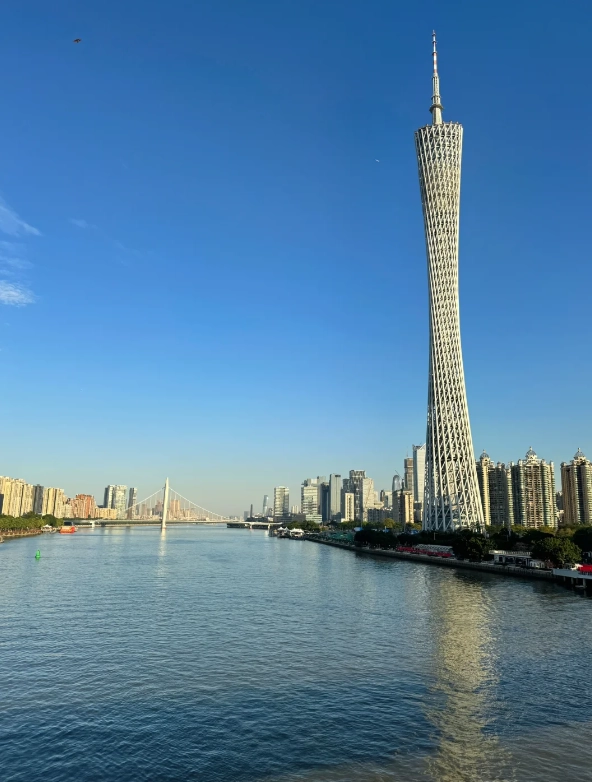
Your Guangzhou Itinerary FAQs
This article has been fact-checked based on my on-the-ground experience and latest local information. Guangzhou is a city that rewards the curious traveler. Use this plan as your map, but don't be afraid to get lost in a side alley or follow the smell of roasting meat. That's where the best memories are made.





No comments yet.