 Bo Wu
Bo Wu
Let's cut to the chase. After more trips to Beijing than I can count, I've learned that picking the right time isn't just about weather—it's about avoiding a wall of people at the Forbidden City gates, breathing air that doesn't sting, and actually enjoying the city's magic. The short answer? Spring (April to early June) and Autumn (September to October) are your golden windows. But that's just the headline. The real story is in the details of each season, the trade-offs, and the little tricks that make a good trip great.
What's Inside This Guide
Season-by-Season Breakdown
Forget vague descriptions. Here’s the raw data and on-the-ground reality for each season. I've walked the Great Wall in a summer downpour and through Tiananmen Square in a biting winter wind. This table sums up what you're signing up for.
| Season | Months | Weather & Feel | Crowds | Best For | Biggest Drawback |
|---|---|---|---|---|---|
| Spring | April – Early June | Mild (10-25°C). Pleasant, but can be windy/dusty in March-April. | High (especially May). | Temple flowers, outdoor cafes, hiking the Great Wall. | Unpredictable sandstorms in early spring. |
| Summer | Late June – August | Hot, humid, rainy (25-35°C). Sticky and intense. | Peak (domestic school holidays). | Lush parks, indoor museums, evening markets. | Oppressive heat and overwhelming crowds. |
| Autumn | September – October | Cool, dry, sunny (15-25°C). Consistently perfect. | Very High (the top tourist season). | Everything. Photography, hiking, city walks. | Highest prices and need for bookings far in advance. |
| Winter | November – March | Cold, dry, often clear (-5 to 5°C). Bracing but crisp. | Low to Moderate. | Budget travel, seeing landmarks empty, winter scenery. | Bitter cold that limits outdoor time. |
The table tells a clear story, but let me add a personal note. Autumn's perfection is real. I remember a late-September afternoon at the Summer Palace, the light was golden, the willow leaves just starting to turn, and the lake was like glass. It's magical. But I also remember the queue for the Hall of Supreme Harmony stretching for what felt like a kilometer. That's the trade-off.
How to Plan Your Beijing Trip in Spring
If you're aiming for spring, target late April through May. The early spring gamble (March) isn't worth it—the famous peach blossoms are pretty, but a sudden dust storm from the Gobi Desert can turn the sky orange and ruin outdoor plans for days. The air quality data on sites like the World Air Quality Index becomes your best friend during this period.
Spring Must-Do Activities
This season is for the bloom chasers and fair-weather explorers.
Chase the Cherry Blossoms at Yuyuantan Park. Forget the crowded Forbidden City for a morning. Head to Yuyuantan Park in early to mid-April. The key is the lakeside path on the west side—fewer people, better photo angles of the pink clouds against the water. Entry is a mere 10 RMB. Get there for 7 AM opening if you want a serene experience.
Hike the Great Wall in Comfort. Mutianyu or Jinshanling are your best bets. The temperatures are ideal for climbing. I prefer Mutianyu in spring because the cable car ride up gives stunning views of the wall snaking through re-greening hills. Book a driver for the day; public buses get packed. A common mistake is not bringing a light windbreaker—it's always breezier up there than in the city.
Visit the Temple of Heaven Park in the Morning. Go on a weekday morning. You'll find locals practicing tai chi, flying kites, and socializing. It feels more like a community center than a tourist trap. The Hall of Prayer for Good Harvests looks magnificent against the bright blue sky that becomes more common as May approaches.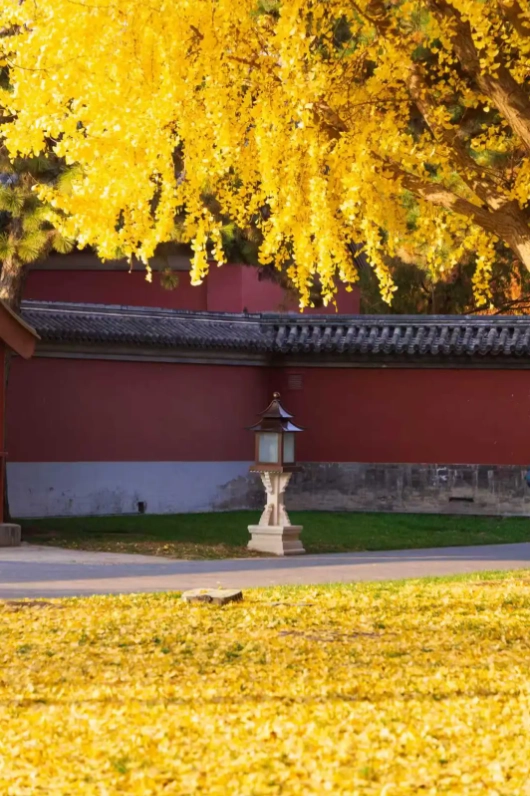
Spring Pro-Tip: Always carry a reusable face mask (like an N95). It's not just for pandemics; it's your first line of defense against the occasional dusty or high-pollution day, which can still happen in spring. A scarf for your neck and hair also helps.
Mastering an Autumn Visit to Beijing
September and October are the undisputed champions. The sky is a deep, clear blue—locals call it "Beijing blue." The humidity vanishes. It's textbook perfect. But this means everyone knows it.
Navigating the Autumn Crowds
Your success hinges on strategy, not luck.
- Book Everything Early: I'm talking 3-4 months for popular hotels near Wangfujing or Gulou. Flights see a price surge. Use booking sites that allow free cancellation.
- Embrace the Early Bird and Night Owl Life: For major sites like the Forbidden City, buy tickets online in advance (they limit daily numbers) and be at the gate for the 8:30 AM opening. Alternatively, visit during the last entry slot. The light is beautiful, and crowds thin as people leave.
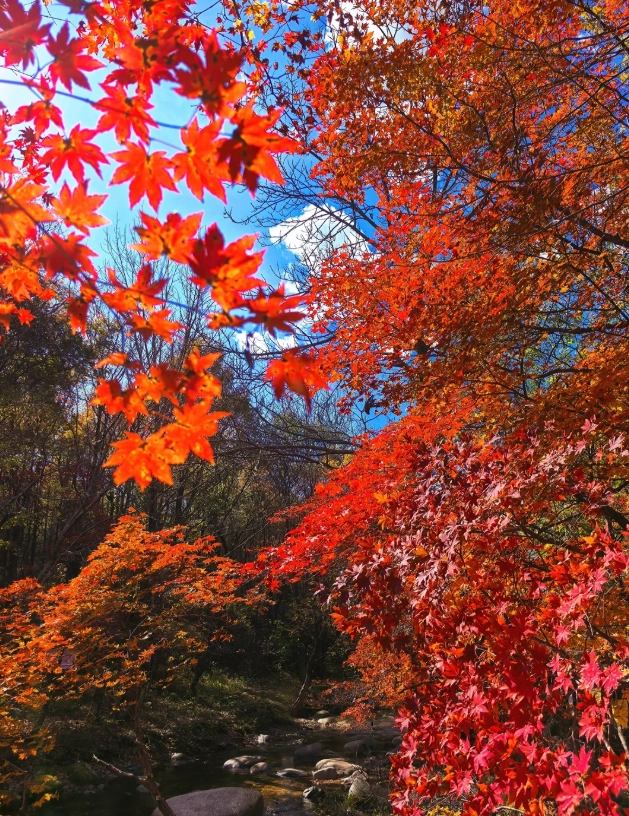
- Seek Out Lesser-Known Spots: Instead of the packed Fragrant Hills for fall foliage, try the Badachu Park. It has eight ancient temples scattered on hillsides, with gorgeous maple trees and far fewer tour groups.
Autumn is also festival season. The Mid-Autumn Festival (usually September) means mooncakes everywhere and beautiful lantern displays. National Day Golden Week (Oct 1-7) is the single busiest time in China—I actively advise against visiting during this week unless you enjoy navigating human traffic jams.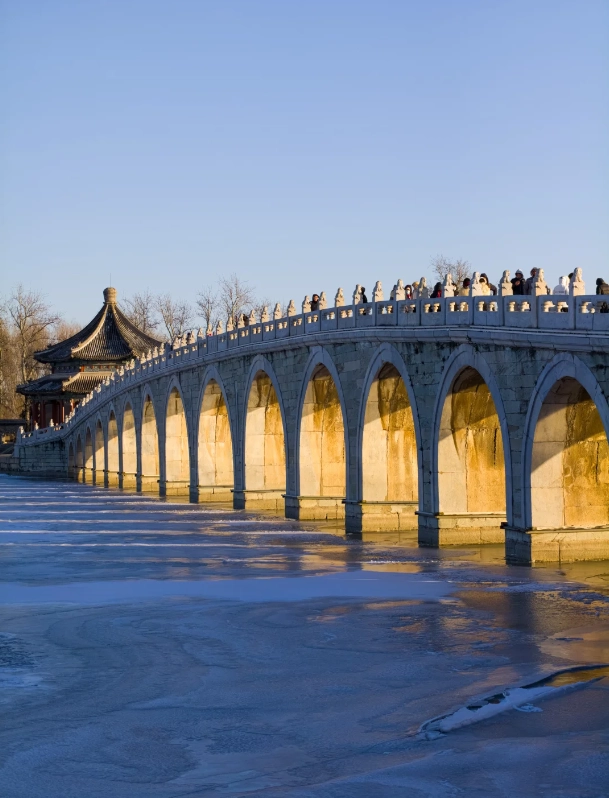
Summer and Winter: The Underrated Seasons?
Most guides will tell you to avoid these extremes. I get it. But with the right expectations, they offer unique value.
Surviving a Summer Trip: It's hot. Not just warm, but thick, humid heat that hits you like a wall. Your itinerary must pivot. Plan major outdoor activities (Great Wall, Summer Palace) for early morning only, before 10 AM. Afternoons are for air-conditioned havens: the National Museum of China, the Capital Museum, or shopping malls like Sanlitun. Summer evenings are lively—explore the Donghuamen Night Market (though it's very touristy) or hop between hutongs. Drink endless bottles of water.
The Case for Winter: Yes, it's cold. But seeing the Forbidden City's rooftops dusted with snow is unforgettable. The crowds are manageable, hotel prices plummet, and you can often have sections of the Great Wall almost to yourself. The key is dressing in layers—thermal base, fleece, down jacket. Heat escapes from your head and extremities, so a good hat, gloves, and thermal socks are non-negotiable. Many worry about heating indoors—it's usually excessive, so you'll be peeling layers off inside. The Harbin Ice Festival is a short flight away for a stunning extension.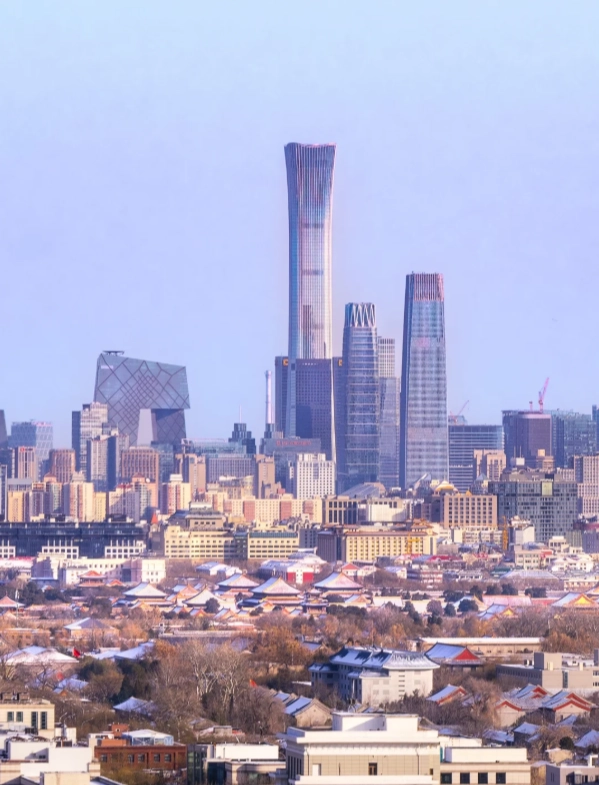
Your Beijing Travel FAQs Answered
I can only travel in July or August. How do I make the most of Beijing's summer?
Resign yourself to the heat and crowds. Build your days in two shifts. Shift one: 6:30 AM wake-up. Be at your major outdoor site by 8 AM. Leave by 11:30 AM when the sun is brutal. Shift two: After a long lunch indoors, focus on museums (the Palace Museum's indoor halls, the National Art Museum) or explore air-conditioned hutongs like Wudaoying. After 5 PM, the city comes alive. Visit Houhai Lake, grab a beer, and watch the world go by. Hydration is a full-time job.
Is late October too cold for visiting the Great Wall?
Not at all. Late October can be fantastic—clear skies and autumn colors. The temperature at Mutianyu might be around 10-15°C during the day, perfect for hiking. However, it gets significantly colder and windier than in the city. Pack that down layer and a beanie. The last week of October might even offer a chance of seeing the Wall with frost, which is spectacular. Check the specific forecast for Huairou District the day before.
What's the one thing people forget to pack for Beijing in spring or autumn?
Lip balm and hand cream. The air is extremely dry, especially in autumn. After a couple of days, you'll feel it. A small portable humidifier for your hotel room is a game-changer for sleep quality. Also, comfortable walking shoes with good support—you'll average 8-12 miles a day on hard stone surfaces, not soft trails.
Are major attractions like the Forbidden City still worth it in winter if some areas are closed?
Absolutely, and often more so. The "closed" areas are usually minor side halls undergoing maintenance. The central axis—the grand halls, the courtyards—are always open. The overwhelming advantage is space. You can actually stop and look at the architecture without being pushed along. The light in winter is low and dramatic, perfect for photography. Just dress warmly, as you'll be standing still a lot. The Forbidden City's own website provides clear updates on any temporary closures.
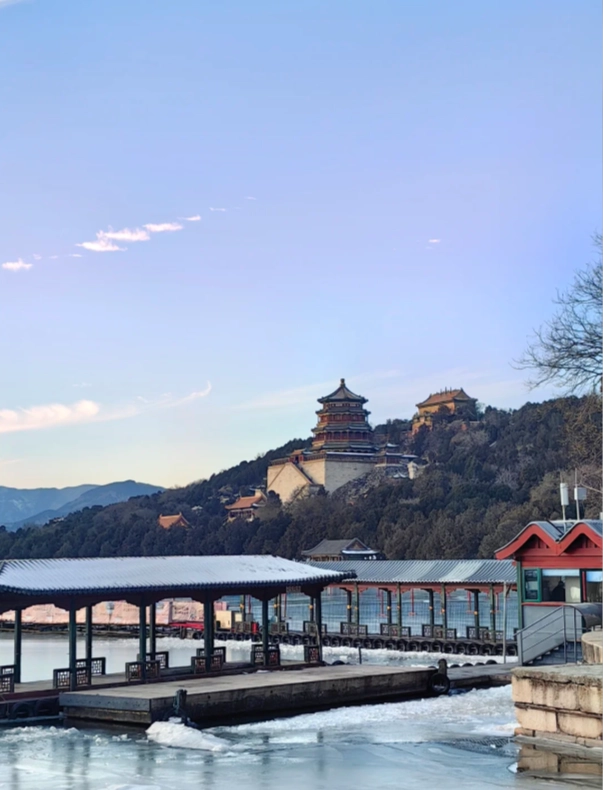 Choosing the best time to visit Beijing boils down to your personal tolerance for weather and crowds. For picture-perfect conditions and full access, aim for the shoulder months of May or late September. For budget and solitude, embrace the crisp challenge of winter. And if summer is your only option, just plan smart, slow down, and drink plenty of tea. Each season dresses this ancient capital in a completely different light, and each has its own story to tell.





No comments yet.