 Lei Li
Let's be honest. Planning a visit to Beijing's historical sites can feel overwhelming. The sheer scale, the crowds, the logistics—it's enough to make you just stick to pictures online. I've been there, standing confused outside a massive gate, ticket pre-booked but unsure where the actual entrance was. This guide is the one I wish I had. It's not a dry history lecture. It's a practical, step-by-step companion built from getting lost, learning from mistakes, and discovering the quiet moments between the grand halls. We'll focus on the core imperial sites—the Forbidden City, Temple of Heaven, Summer Palace—because if you only have a few days, these are non-negotiable. Then we'll look at other gems that offer different perspectives.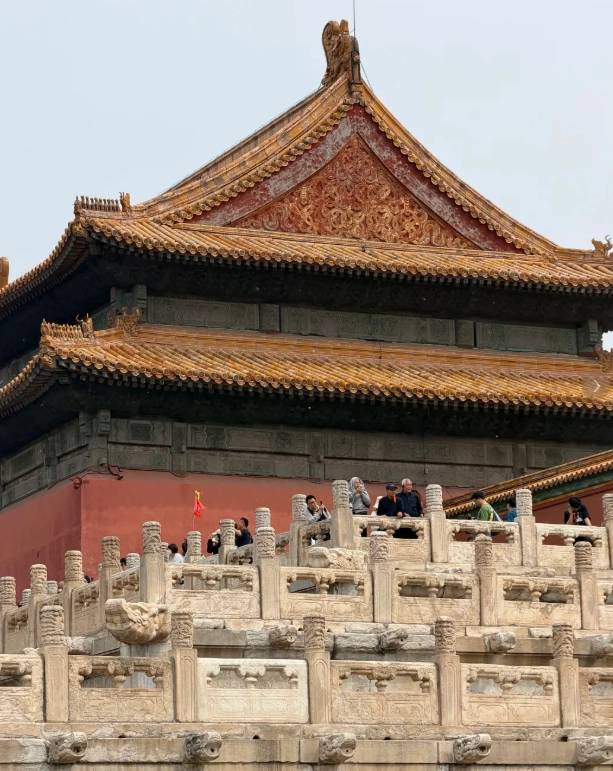
Your Quick Navigation Guide
The Forbidden City: Your First Visit, Unpacked
The Forbidden City isn't just a site; it's an experience that demands a strategy. Most people enter through the Meridian Gate (Wu Men), the southern entrance facing Tiananmen Square. Here's the first insider tip: your online booking confirmation is useless at the gate. You must exchange it for a physical paper ticket at the booths to the left and right of the main gate archway. I missed this and joined the wrong queue twice.
The layout follows a strict north-south axis. You'll move from the Outer Court (southern half) with its halls of supreme power, to the Inner Court (northern half) with living quarters. The scale is what hits you first. The Hall of Supreme Harmony sits on a three-tiered marble terrace—it feels designed to make visitors feel small. Look closely at the stone ramp carved with dragons; the central path was reserved for the emperor's palanquin. The stone is worn smooth in the middle, a tactile reminder of history.
Most visitors stick to the central axis and leave through the north gate (神武门). That's the classic route, and it's packed. For a different feel, peel off to the eastern or western side routes after the first couple of halls. The Palace of Compassion and Tranquility (Cining Gong) area on the west often has fewer people. The Clock Exhibition Hall in the Fengxian Palace is a fascinating, air-conditioned detour showcasing elaborate timepieces gifted to the emperors.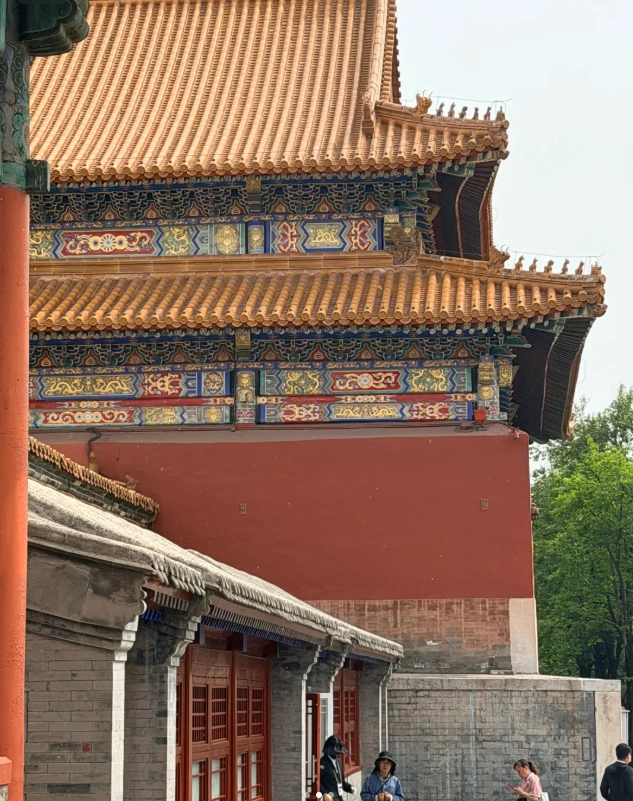
Forbidden City Essentials:
Address: 4 Jingshan Front St, Dongcheng District.
Metro: Tiananmen East (Line 1) or Tiananmen West (Line 1). Follow signs.
Hours: 8:30 AM - 5:00 PM (Apr-Oct), 8:30 AM - 4:30 PM (Nov-Mar). Closed Mondays.
Ticket Must-Know: You MUST book online in advance via their official platform or authorized agents. On-site sales are extremely rare. The basic ticket covers entry to the main palace areas. The Clock and Treasure Halls require separate, inexpensive tickets purchased inside.
Temple of Heaven: More Than a Park
Many guides treat the Temple of Heaven as a quick photo stop. That's a mistake. This is where emperors performed the most critical rituals to ensure good harvests. The architecture is symbolic—the main Hall of Prayer for Good Harvests is a stunning triple-gabled circular building on a square base, representing heaven and earth.
Visit in the morning. That's when you'll see locals engaged in all sorts of activities in the vast park surrounding the monuments: ballroom dancing, choir practice, intense games of Chinese chess, and people writing calligraphy with water on the paving stones. It's a living cultural scene. The Echo Wall surrounding the Imperial Vault of Heaven is famous, but honestly, it's often too crowded to work properly. The fun is in trying, though.
The walk from the south gate to the north gate follows the emperor's ritual path. Start at the Circular Mound Altar (Yuanqiu) in the south. Stand in the center of the top tier and speak—the acoustics are designed to amplify the emperor's voice to heaven. Then walk the elevated Danbi Bridge north to the Hall of Prayer. This progression makes the site's purpose clear.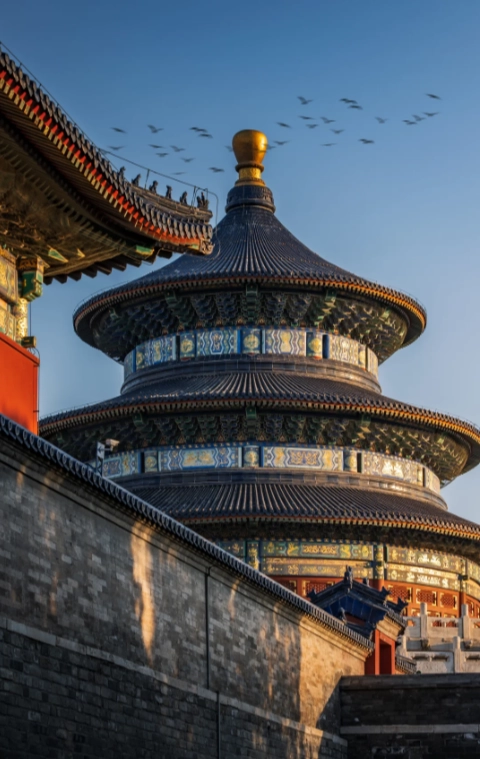
The Summer Palace: A Lakeside Escape
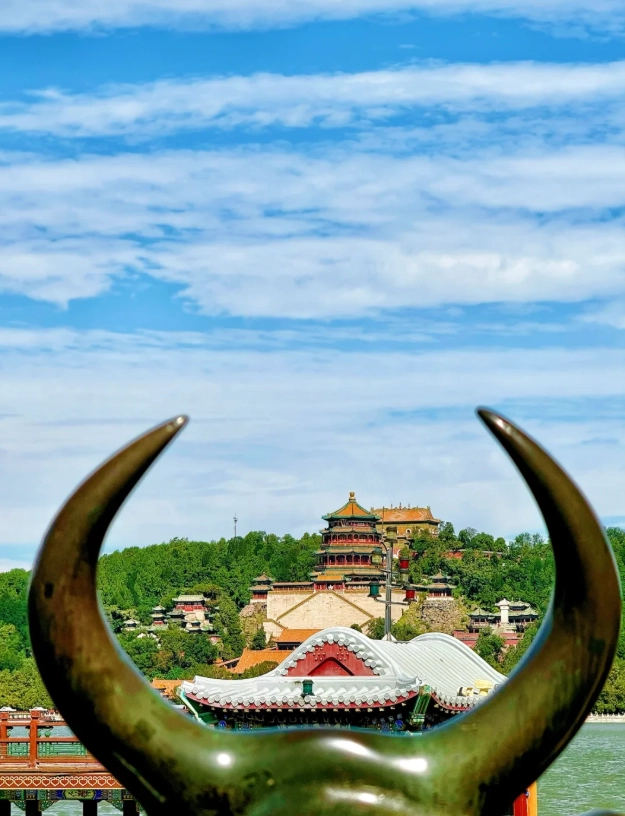
After the rigid symmetry of the Forbidden City, the Summer Palace feels like a breath of fresh air—literally. This was the imperial getaway, and it shows in the design. It's less about intimidating power and more about pleasure, poetry, and scenery. Don't try to see it all. Focus on the northern area around Longevity Hill and Kunming Lake.
The Long Corridor is a marvel. It's a covered walkway stretching over 700 meters, painted with thousands of intricate scenes from mythology and literature. I spent an hour just walking slowly, looking up. The Marble Boat is iconic, but it's just a static structure. The real joy is taking a short boat ride across the lake to view the hill and pavilions from the water. It changes your perspective completely.
A common error is entering from the main north palace gate and immediately climbing the hill. It's steep and tiring. Instead, consider entering from the East Palace Gate, visiting the main palace buildings, then walking along the lake to the Long Corridor. Save the hill climb for later if you have energy.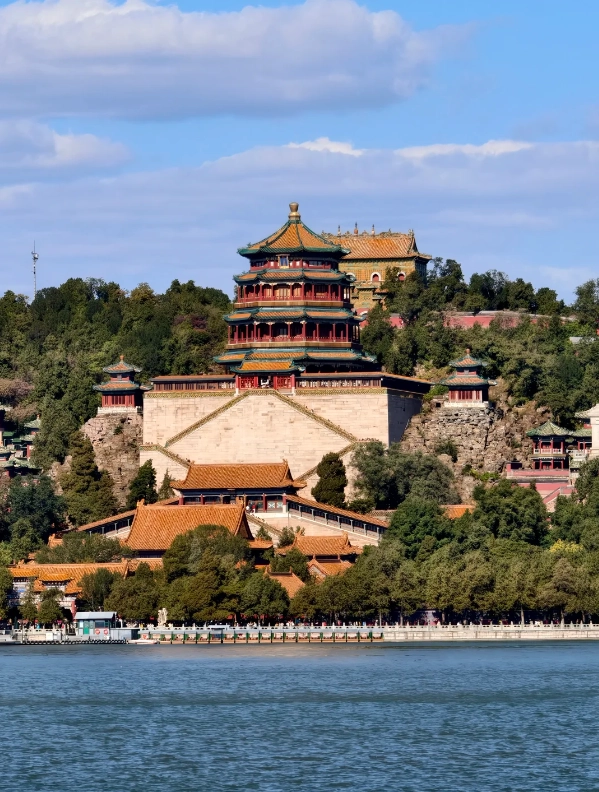
Beyond the Big Three: Other Key Historical Sites
If you have more time, these sites offer depth and variety.
Lama Temple (Yonghegong)
This is a functioning Tibetan Buddhist monastery, a world away from the imperial austerity. The air is thick with the scent of sandalwood incense. The centerpiece is an 18-meter-tall statue of Maitreya Buddha carved from a single piece of white sandalwood. It's housed in the Wanfu Pavilion, and you climb several flights of stairs to see it. The atmosphere is serene and deeply spiritual. Watch worshippers prostrate themselves and spin the prayer wheels.
The Hutongs & Drum Tower
History isn't just palaces. The hutongs, the ancient alleyway neighborhoods, are the living fabric of old Beijing. The area around the Drum Tower and Shichahai lakes is perfect for exploration. Climb the Drum Tower for a view over the grey-tiled rooftops. At certain times, you can watch a drum performance. Then get lost in the hutongs behind it. You'll see traditional courtyard homes, tiny shops, and local life continuing amidst the history.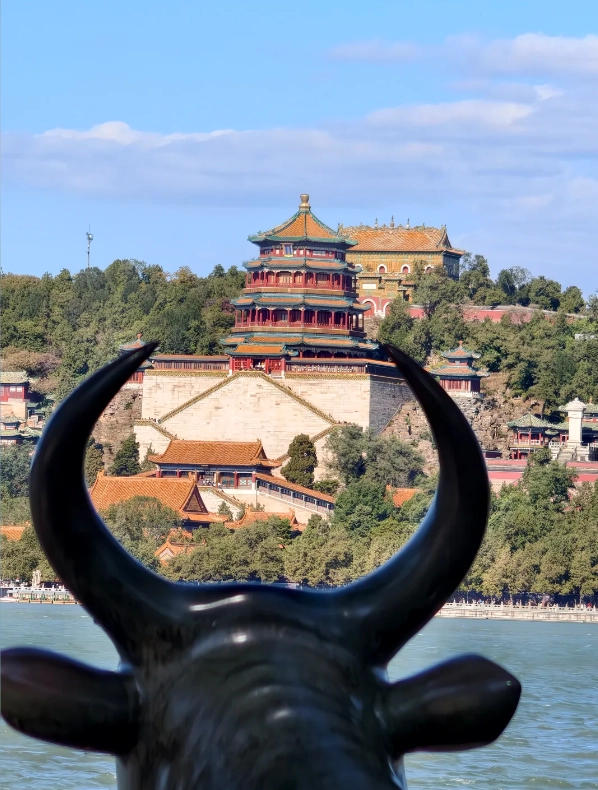
Jingshan Park
This park is directly north of the Forbidden City's exit. It's worth the small entry fee and the short climb to the top of the hill (it's artificial, made from earth dug to create the Forbidden City's moats). The view from the Wanchun Pavilion is the iconic, straight-down-the-central-axis photo of the Forbidden City's rooftops stretching into the distance. Go late afternoon for the best light.
The Nuts and Bolts: Tickets, Transport & Timing
This is where trips are made or broken. Here’s a consolidated look at the core logistics.
| Site | Ticket Booking | Best Time to Visit | Nearest Metro Station | Time Needed |
|---|---|---|---|---|
| Forbidden City | Mandatory online advance booking. Official site or platforms like WeChat. No on-site sales. | Right at opening (8:30 AM) or after 2 PM when tour groups thin. | Tiananmen East or West (Line 1) | 3-5 hours minimum |
| Temple of Heaven | Recommended online. Can buy on-site but lines form. | Early morning (7 AM park opens) to see local life with the monuments. | Tiantandongmen (Line 5) for South Gate. | 2-3 hours for core sites |
| Summer Palace | Easy on-site purchase. Online optional. | Weekday morning. Avoid summer weekends. | Beigongmen (Line 4) or Xiyuan (Line 4) | Half a day (4+ hours) |
| Lama Temple | Easy on-site purchase. | Mid-morning or early afternoon. | Yonghegong (Lines 2 & 5) | 1.5 hours |
Transport Tip: The Beijing subway is your best friend. It's cheap, efficient, and signs are in English. Get a transit card (Yikatong) or use the Beijing Metro app on your phone for contactless payment. Taxis can get stuck in notorious traffic, especially around Tiananmen.
Wear comfortable shoes. I mean, really comfortable shoes. You will walk on ancient stone floors for hours. Bring water and snacks, though there are vendors inside major parks. Sun protection is a must in summer; the courtyards offer little shade.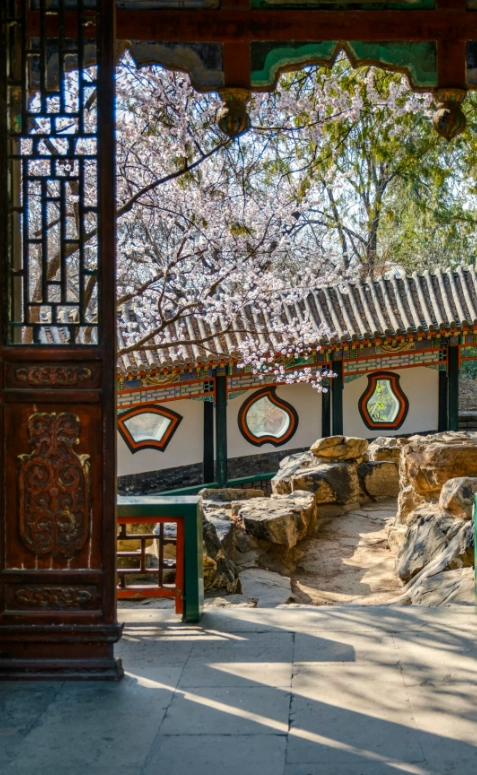
Your Questions, Answered (The Stuff Guides Don't Always Mention)
 Are guided tours worth it for Beijing's historical sites?
The real magic of Beijing's historical sites often happens in the quiet moments: the sun casting long shadows across an empty courtyard, the echo of your footsteps on ancient stone, the glimpse of a painted ceiling detail away from the crowds. Go with a plan, but leave room for discovery. That's where the connection to history truly feels personal.





No comments yet.