 Bo Wu
Bo Wu
Three days in Beijing. It sounds tight, and honestly, it is. But after helping countless friends navigate their first trip and spending more time on Beijing's subway than I care to admit, I've refined an itinerary that hits the monumental highlights without turning you into a museum-zombie by day two. The secret isn't just what you see, but how and when you see it. This plan prioritizes logical geography, smart ticket bookings, and those crucial moments to just sit and absorb the scale of it all.
Your 3-Day Beijing Map
- Day 1: Heart of the Empire
- Day 2: The Great Wall and Beyond
- Day 3: Temples, Hutongs & Modern Beijing
- Practical Beijing Travel Tips
- FAQ: Your Beijing Questions Answered
Click any section to jump straight there.
Day 1: Heart of the Empire
We start at the absolute center, both geographically and historically. This day is about sheer scale and imperial power. Wear your most comfortable shoes—you'll be walking on ancient stone for hours.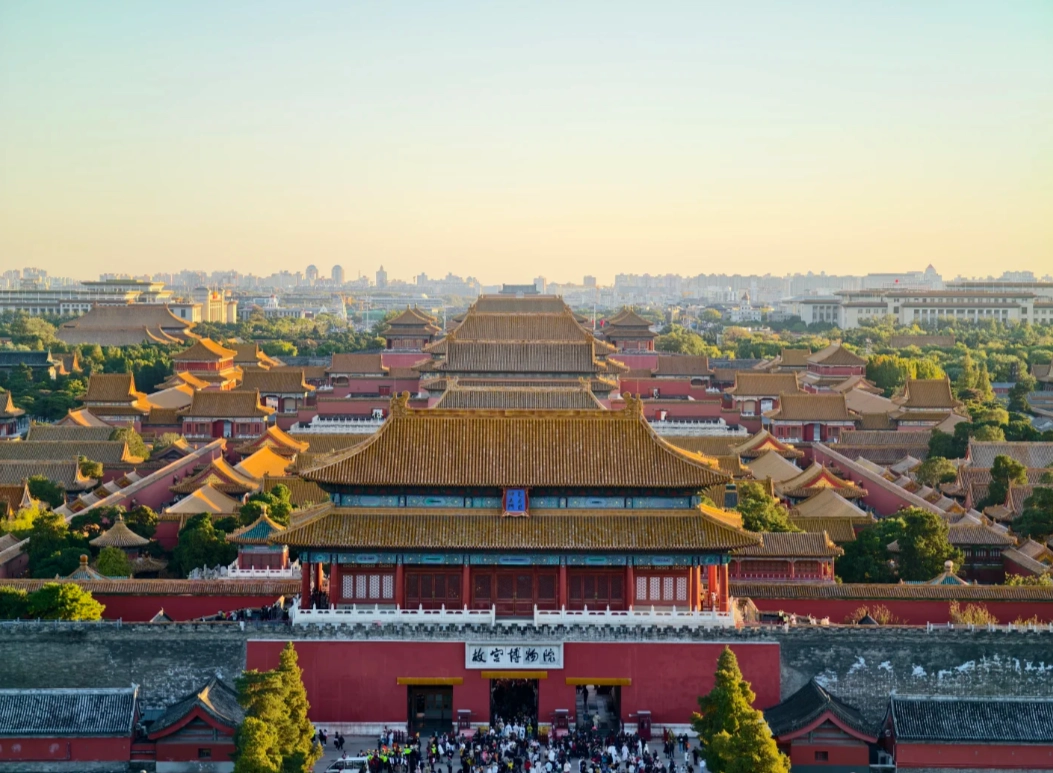
Morning: Tiananmen Square & The Forbidden City
Get an early start. I mean it. Aim to be at Tiananmen Square (Tiananmen East or West subway station) by 8:00 AM. The square itself is vast and open, but the security checks to enter can create lines later. Seeing it in the morning light, without the thick crowds, is a different experience. You'll pass through the iconic Tiananmen Gate (the one with the portrait) to enter the Forbidden City.
Here's the non-negotiable tip: You must book your Forbidden City ticket online in advance. They sell out days, sometimes weeks, ahead, especially for morning slots. Use the official Palace Museum website. Book the earliest entry time you can (usually 8:30 AM).
Forbidden City Fast Facts
Address: 4 Jingshan Front St, Dongcheng. The only public entrance is through the Meridian Gate (Wu Men) from Tiananmen Square.
Opening Hours: 8:30 AM - 5:00 PM (Apr-Oct), 8:30 AM - 4:30 PM (Nov-Mar). Closed Mondays.
Ticket Price: Approximately CNY 60 (Apr-Oct), CNY 40 (Nov-Mar). The Clock and Treasure Halls require separate tickets (worth it for the intricate artifacts).
Getting There: Subway Line 1 to Tiananmen East or West. Follow the signs.
Don't try to see every courtyard. You can't. Focus on the central axis: the Hall of Supreme Harmony, Hall of Central Harmony, Hall of Preserved Harmony. Then, I recommend veering off to the Western Palaces or the Hall of Clocks. The scale is mind-boggling. A mistake I see? People rush through the grand halls but miss the details—the roof figurines, the stone carvings, the drain spouts shaped like dragon heads. Look down as much as you look up.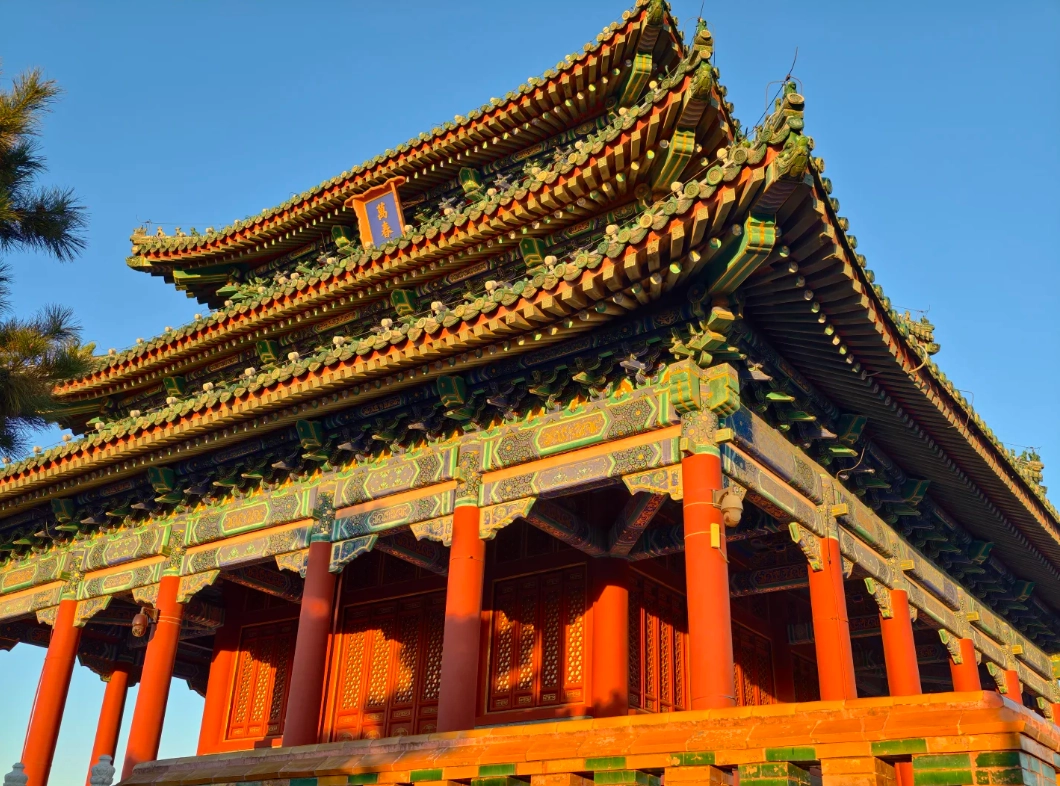
Afternoon: Jingshan Park & Hutongs
Exit the Forbidden City through the north gate. Directly across the street is the entrance to Jingshan Park. The climb to the top of the hill takes about 10-15 minutes. The reward is the single best view of the Forbidden City's entire layout—a sea of golden roofs perfectly aligned. It's the perfect perspective to understand what you just walked through. Ticket is about CNY 2.
From here, dive into the network of hutongs to the north and west. Skip the overly-touristic ones near the drum tower if you want authenticity. Instead, wander the lanes around Nanluoguxiang (admittedly touristy but fun for a first glimpse) or better yet, the quieter hutongs west of the Shichahai lakes. Get lost. Peek into courtyards. This is where you feel the city's pulse.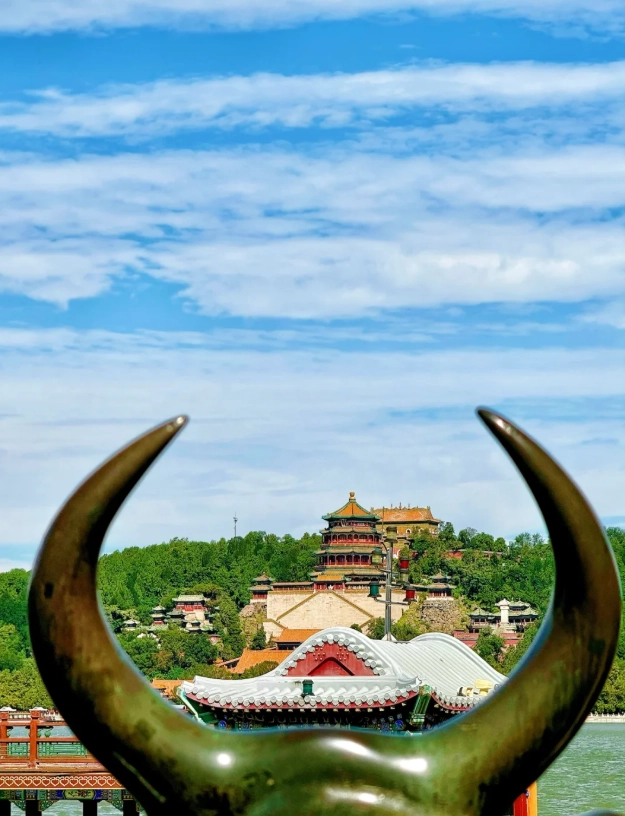
Day 2: The Great Wall and Beyond
You haven't really been to Beijing until you've stood on the Wall. For a 3-day trip, choosing the right section is critical. You need one that's accessible, offers great views, and doesn't consume your entire day in transit.
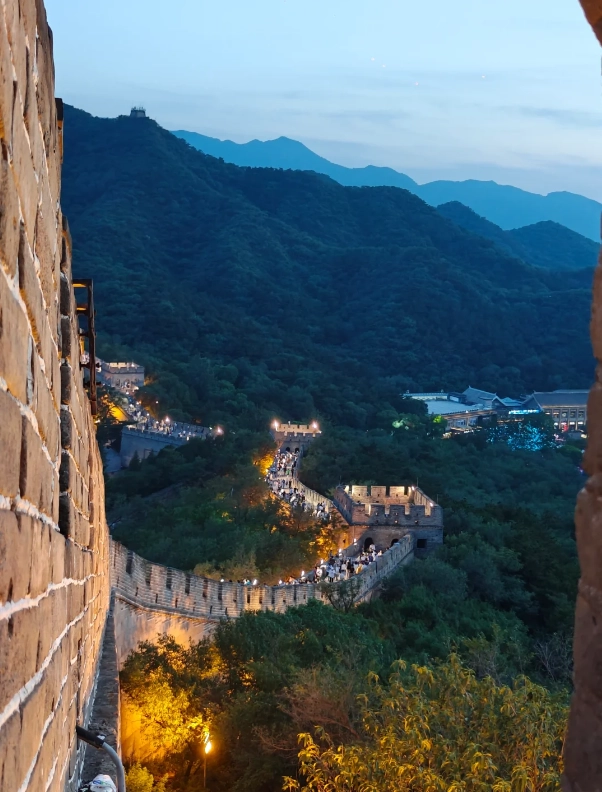
My strong recommendation for first-timers: Mutianyu. Badaling is the most famous but also the most crowded. Mutianyu is restored, has a cable car and toboggan ride (a fun way down!), and the scenery is stunning with fewer tour groups. It's about a 90-minute drive from central Beijing.
| Great Wall Section | Travel Time from City | Crowd Level | Key Feature | Best For |
|---|---|---|---|---|
| Mutianyu | ~1.5 hours | Moderate | Restored, cable car, toboggan | First-timers, families, good photos |
| Badaling | ~1.5 hours | Very High | Fully restored, easiest walk | Accessibility, historical significance |
| Jinshanling | ~2.5 hours | Low | "Wild" & restored mix, hiking | Hikers, photographers, avoiding crowds |
How to get there? For simplicity and time-saving, book a private car or a small group tour. Public buses exist but are slower and require transfers. A good driver will cost around CNY 600-800 for the day but saves immense stress. Leave your hotel by 7:30 AM to beat the worst of the traffic and the midday sun.
Mutianyu Practicals: Ticket about CNY 45. Cable car up (CNY 100 one-way) saves energy for walking the wall itself. The walk between towers 14 and 20 is rewarding, with tower 20 offering a steep final climb. The toboggan down (CNY 100) is a genuine blast. Wear layers—it's often windier and cooler up there.
Evening: Olympic Park
On your return to the city, ask your driver to drop you at the Olympic Park (Olympic Green subway station). Seeing the Bird's Nest (National Stadium) and the Water Cube (National Aquatics Center) lit up at night is spectacular and requires no entry fee to view from the park. It's a striking contrast to the ancient history of the morning. You can have dinner in the area—plenty of options around.
Day 3: Temples, Hutongs & Modern Beijing
A slightly slower day to balance the intensity of the first two. We focus on spiritual architecture, local life, and a touch of modern flair.
Morning: Temple of Heaven
The Temple of Heaven Park (Tiantan East Gate subway station) is where emperors prayed for good harvests. It's more than just the iconic circular Hall of Prayer for Good Harvests (the blue-roofed building on every postcard). The entire park is a masterpiece of symbolism and geometry. Go early to see locals practicing tai chi, dancing, playing cards, and writing water calligraphy on the pavement. It's a living park.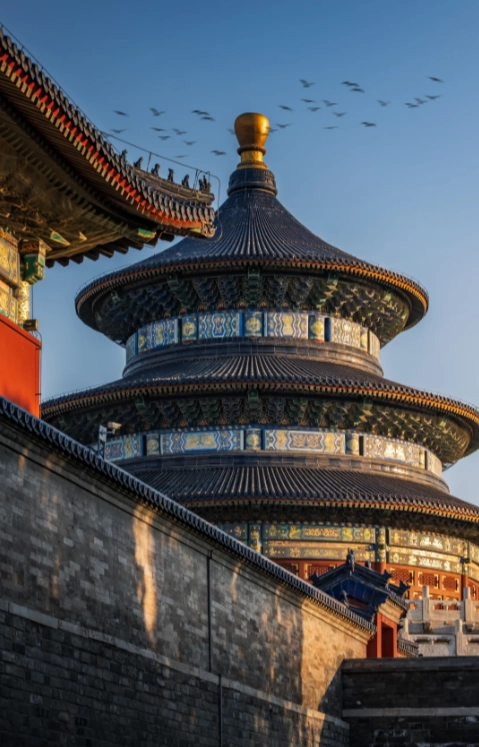
Temple of Heaven Fast Facts
Address: 1 Tiantan E Rd, Dongcheng.
Opening Hours: Park 6:00 AM - 10:00 PM. Historic sites 8:00 AM - 5:30 PM (Apr-Oct), 8:00 AM - 5:00 PM (Nov-Mar).
Ticket Price: Park entry CNY 15. All-inclusive ticket (park + main sites) CNY 34.
Pro Tip: Enter from the East Gate. Walk the Vermilion Steps Bridge to the Hall of Prayer, then exit via the South Gate. This follows the emperor's ritual path.
Afternoon: A Deeper Hutong Experience & Houhai
Instead of just wandering, consider a focused activity. You could take a rickshaw tour (negotiate the price firmly before getting in), but I prefer visiting a silent courtyard house (siheyuan). Some have been converted into lovely cafes or small galleries. Find one, order a tea, and just sit. It's the quiet contrast to the city's buzz.
Make your way to the Houhai Lake area. In the afternoon, it's pleasant to walk along the shore. The bars here get lively at night, but the daytime is for strolling and maybe renting a paddle boat if the weather's nice.
Optional Late Afternoon: Wangfujing or Sanlitun
If you have energy and want some modern contrast:
Wangfujing is Beijing's famous pedestrian shopping street (Wangfujing subway station). The old snack street is mostly gone, but it's still a retail hub.
Sanlitun is the expat-friendly, trendy area with designer shops, cafes, and a great selection of international restaurants—a good option for your final dinner.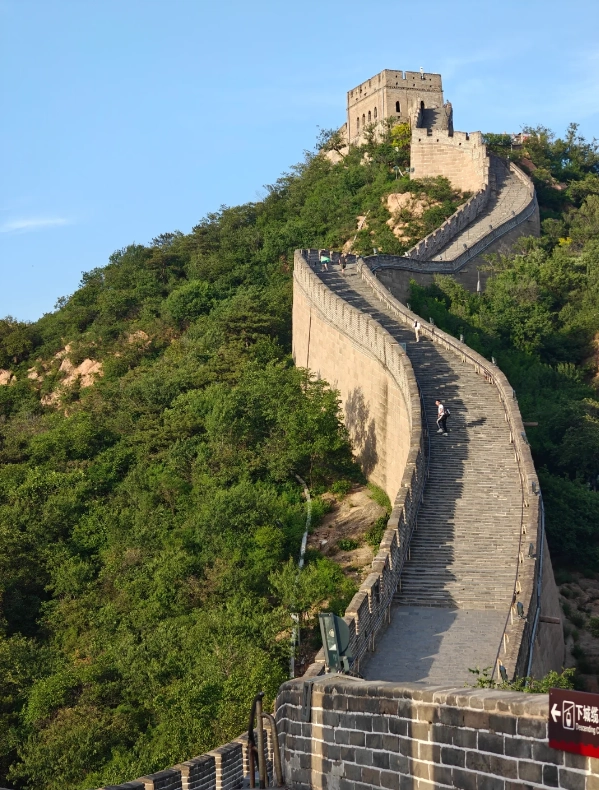
Practical Beijing Travel Tips
- Subway is King: Download the Beijing Subway map app. Buy a Yikatong transit card at any major station (CNY 20 deposit, top up as needed). It works on subways and buses. Tapping in and out is infinitely easier than buying single-journey tickets.
- Payment: WeChat Pay and Alipay are ubiquitous. Have one set up with a linked card. Cash is still accepted but becoming less common, especially for small vendors.
- VPN: Google, Facebook, Instagram, and many Western news sites are blocked. Set up a reliable VPN on your phone before you arrive.
- Air Quality: Check an app like IQAir. On poor days (AQI >150), consider wearing a mask (N95/KN95), especially if you have respiratory issues.
- Water & Toilet Paper: Carry a bottle of water with you always. Public restrooms, while plentiful, often do not provide toilet paper. Carry your own small pack.
FAQ: Your Beijing Questions Answered
 This plan is built from experience—the missed tickets, the sore feet, and the moments of awe staring at a structure that's 600 years old. It balances must-sees with practical reality. Beijing is a city that demands your energy but repays it with unforgettable impressions. Focus on the big three: the Palace, the Wall, the Temple. Walk the hutongs, ride the subway, and let the city's layers reveal themselves. Your three days will be full, but they'll stick with you.
All practical information (ticket prices, opening hours) is based on recent visits and official sources. Always double-check the latest details on official attraction websites before your trip, as policies can change.





No comments yet.