 Ming Yang
Alright, grab a seat. I've been guiding tours here in Chongqing for over a decade, and I've seen every mistake a traveler can make. Most guides will just list the famous spots. I'm going to tell you how to actually experience this city in three days without burning out. Chongqing isn't just a list of checkboxes; it's a feeling. It's the smell of chili and numbingly fragrant peppercorns hitting you as you walk out of a metro station, the sudden vertigo of looking down 10 stories from a walkway, and the warmth of a local slurping noodles next to you at a plastic stool. This itinerary is built on that feeling, not just logistics.
Your 3-Day Chongqing Roadmap
Day 1: Skyscrapers, History & Hot Pot
We start in the heart of it all. Jet lag? Forget it. The energy here will wake you up.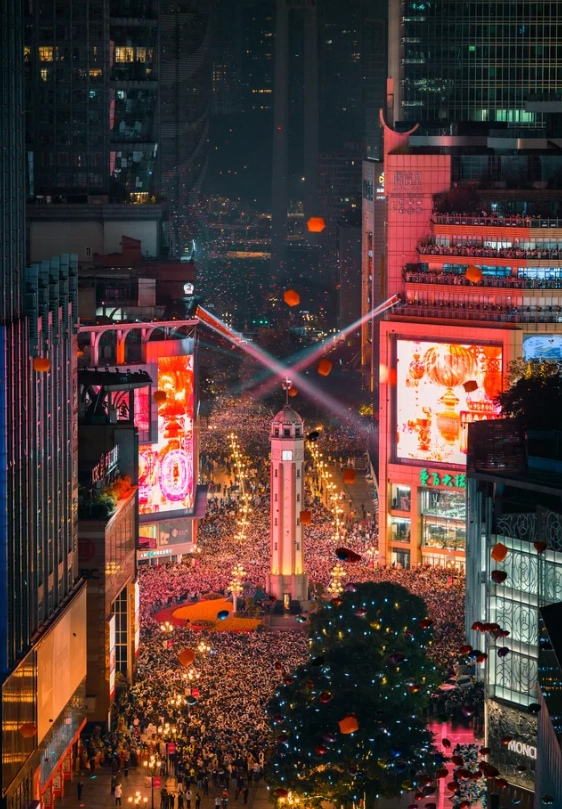
Morning: Liberation Monument & Surrounds
Head straight to Jiefangbei (Liberation Monument). It's not the monument itself that's spectacular—it's the sheer density of humanity and commerce around it. Take the metro to Line 1 or Line 2, Lianglukou station, Exit 6. Walk up, and you're there.
My advice? Don't just circle the monument. Walk down the pedestrian streets radiating from it. Look up. The architecture is a wild mix of 80s, 90s, and hyper-modern glass. For a killer (and free) view, go to the lobby of the Westin Hotel nearby. Take the elevator to the lobby on a high floor—the windows offer a stunning panorama of the area. The staff is used to tourists popping in for a look.
Now, breakfast. Skip the hotel buffet. Find a hole-in-the-wall joint selling Xiaomian (Chongqing noodles). Look for a place crowded with locals on tiny stools. A basic bowl with a spicy meat sauce (Xiaomian) costs about 8-12 RMB. Point at what others are having if you can't read the menu.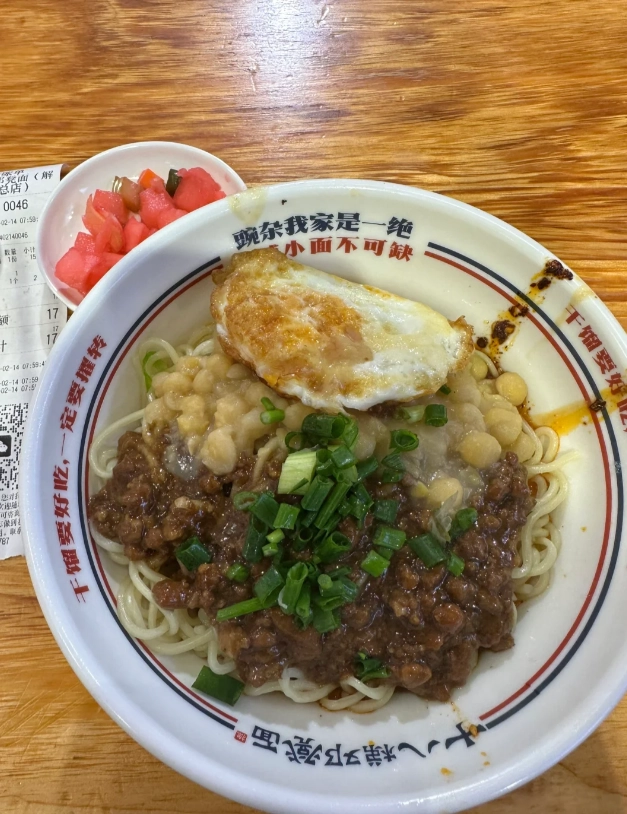
Afternoon: Hongyadong & The Stilted House
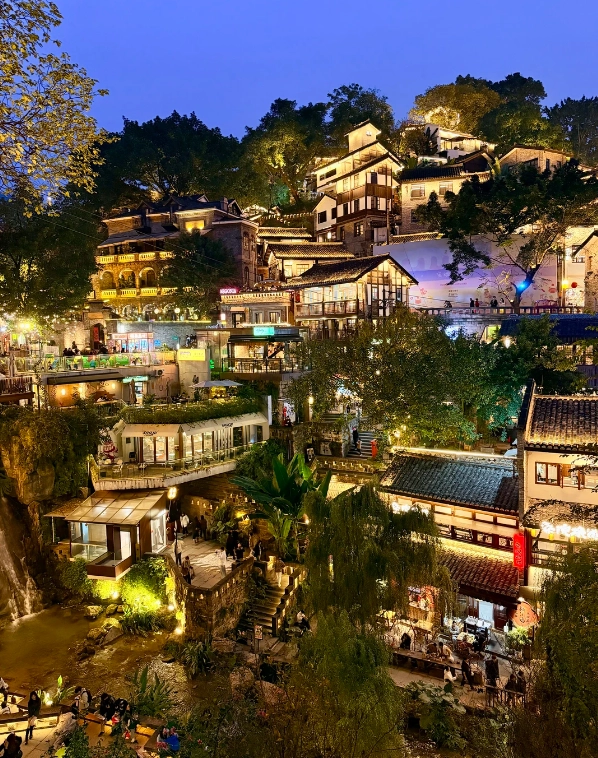
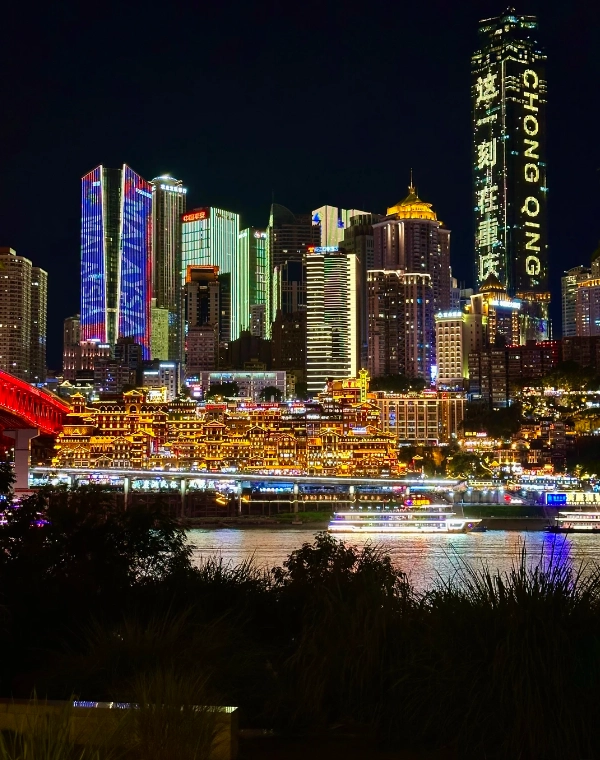
Walk or take a short cab from Jiefangbei to Hongyadong. Yes, it's touristy. But seeing that massive, layered wooden structure built into the cliff is worth it. The secret is timing and perspective.
Guide's Tip: Go inside Hongyadong during the day to see the shops and winding staircases. But the iconic postcard shot is from across the river on the Qian Simen Bridge or from the Grand Theater plaza at night when it's lit up. Inside, it's a maze of souvenir shops and overpriced snacks. The magic is viewing it from afar.
From Hongyadong, walk along the riverbank path towards Chaotianmen Square. This is where the Jialing and Yangtze Rivers meet. The view of the bridges and skyscrapers is immense. You'll pass the Qiansimen Stilted House (Qiansimen Diaojiaolou), an old wooden house precariously perched on stilts—a classic Chongqing scene now preserved as a cultural site.
Evening: The Hot Pot Baptism
You can't leave Day 1 without hot pot. Most tourists are herded to fancy chains. I take my small groups to local favorites.
My go-to spot near the city center: Zhang Fei Lao Huoguo (there are several branches). The one at Minzu Road 166, Yuzhong District is reliable. It's loud, bustling, and the broth is potent. A Google Maps rating of 4.2 from thousands of reviews tells you it's legit.
You'll be presented with a split pot (Yuanyang Guo). One side is fiery red (spicy), the other is mild (often mushroom or bone broth). Order the thinly sliced beef, duck intestine, lotus root, and potato. The key is the dipping sauce: sesame oil, garlic, and a bit of cilantro. It cools the spice. Expect to spend 80-120 RMB per person.
Feeling brave? Walk it off with a visit to the Hongyadong night view from the Grand Theater side. Take metro Line 6 to Dajuyuan Station. The plaza in front of the theater is the perfect vantage point.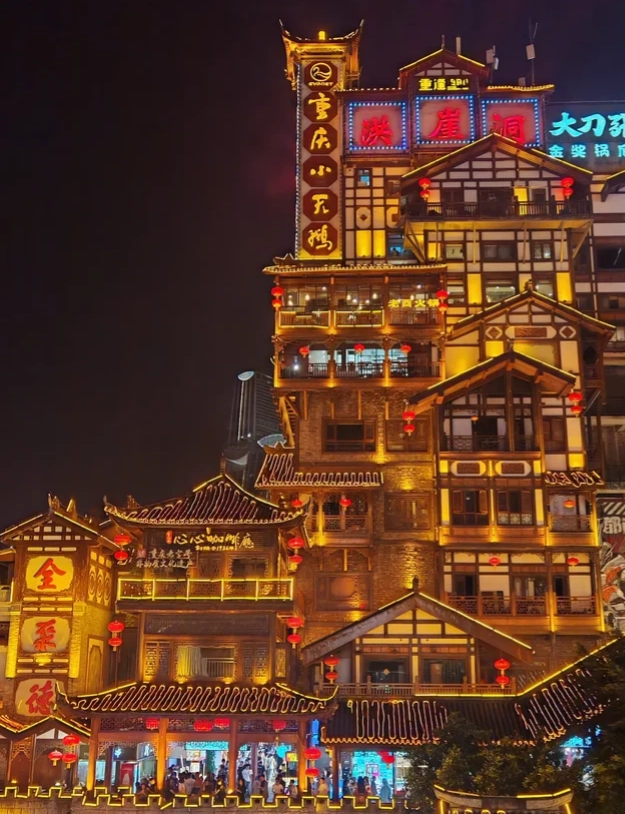
Day 2: Mountains, Monasteries & Riverside Views
Today we escape the core and see the natural and spiritual sides of Chongqing.
Morning: Ciqikou Ancient Town
Take Metro Line 1 to Ciqikou Station, Exit 1. Follow the crowd for 5 minutes. Ciqikou is an old porcelain-producing town on the Jialing River. It gets packed, so go early, right around 9 AM.
The main street is a commercial gauntlet of snacks and trinkets. Here's what you do: walk through it quickly, then peel off onto the smaller, quieter alleys that run parallel or slope down towards the river. You'll find older tea houses where locals play mahjong. Look for the Bao Lun Temple hidden up a side alley—a peaceful contrast to the street frenzy.
Must-try snack: Chen Ma Po Doufu (not the restaurant, the actual snack stall selling spicy tofu pudding). There's a famous one with a long queue—it's worth the wait. A bowl is about 10 RMB.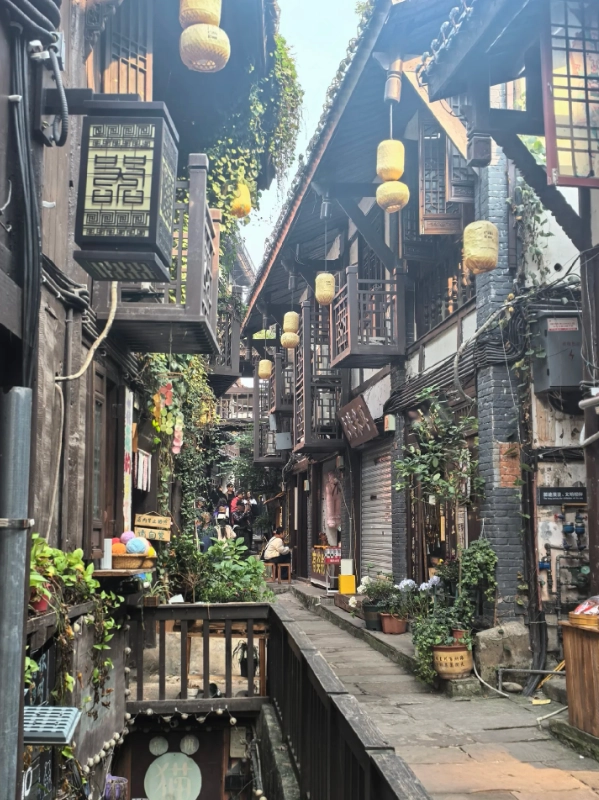
Afternoon: Dazu Rock Carvings (The Big Trip)
This is your major excursion. The Dazu Rock Carvings are a UNESCO World Heritage site, and most 3-day itineraries skip them because they're 2 hours away. That's a mistake. They are the most profound cultural experience in the region.
How to do it practically: Book a private car for a half-day (around 500-600 RMB round trip for the car) or take a tourist bus from Chongqing's main bus stations. The private car gives you flexibility. You're aiming for the Baoding Mountain (Baodingshan) section, the most impressive. Admission is about 115 RMB for adults (Mar-Nov), 100 RMB (Dec-Feb). Spend 2-3 hours here. The intricate Buddhist, Confucian, and Taoist sculptures from the 9th-13th centuries tell entire stories in stone. Hire an audio guide or a local guide at the entrance—the context is everything.
You'll get back to the city by late afternoon. Tired? Sure. But you've seen something 90% of Chongqing visitors miss.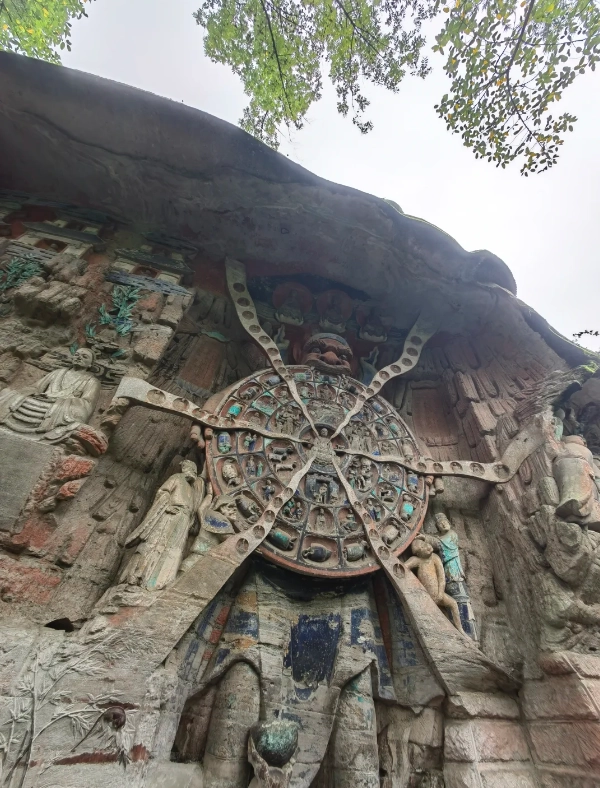
Evening: Nanshan Mountain & One Tree Hill
If you have energy, head up to Nanshan for the best panoramic night view of the city. Don't go to the crowded observation deck. Instead, tell a taxi driver "Yi Ke Shu Guan Jing Tai" (One Tree Hill Viewing Platform). It's a free, open platform. The view of the city's neon skyline glittering across the Yangtze is unforgettable. There are simple cafes nearby where you can have a drink with the view.
Dinner up here is tricky. I'd recommend heading back down to the Nan'an Binjiang Road area. Find a riverside restaurant specializing in Jianghu Cai (literally "rivers and lakes dishes"), which are bold, rustic, and flavorful dishes like braised fish or stir-fried rabbit.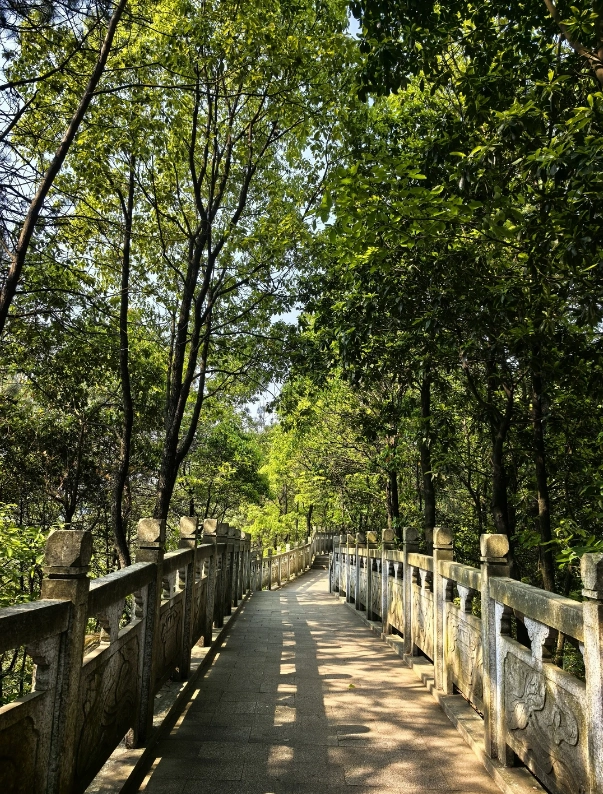
Day 3: Art, Alleyways & Local Life
Your final day is for depth and discovery beyond the obvious.
Morning: Huguang Guild Hall & Eling Park
Start at the Huguang Guild Hall (Huguang Huiguan), a beautifully restored complex of Ming and Qing dynasty assembly halls for immigrants. Address: 131 Bajiao Street, Yuzhong District. Admission is around 30 RMB. It's a serene world of carved wooden roofs, courtyards, and opera stages, right in the middle of the urban jungle. It shows the merchant history that built Chongqing.
Then, take a short walk or cab to Eling Park (Eling E'gongyuan). This is a local's park perched on a hilltop. The main draw is the Eling Pavilion, which offers a 360-degree view of the confluence of the two rivers. It's quieter than other viewpoints. Entrance to the park is free; a small fee (about 5 RMB) gets you into the pavilion.
Afternoon: Liziba & The Light Rail Through a Building
Time for the iconic photo. Take Metro Line 2 towards Liziba Station. Don't get off. The train itself will slow down and pass right through the middle of a residential building (between Fotuguan and Liziba stations). It's a surreal experience. For the classic shot of the train in the building, get off at Liziba Station, Exit A. Walk down the road a bit, and you'll find a dedicated viewing platform on the street below. It's always busy, but it's a quick, fun stop.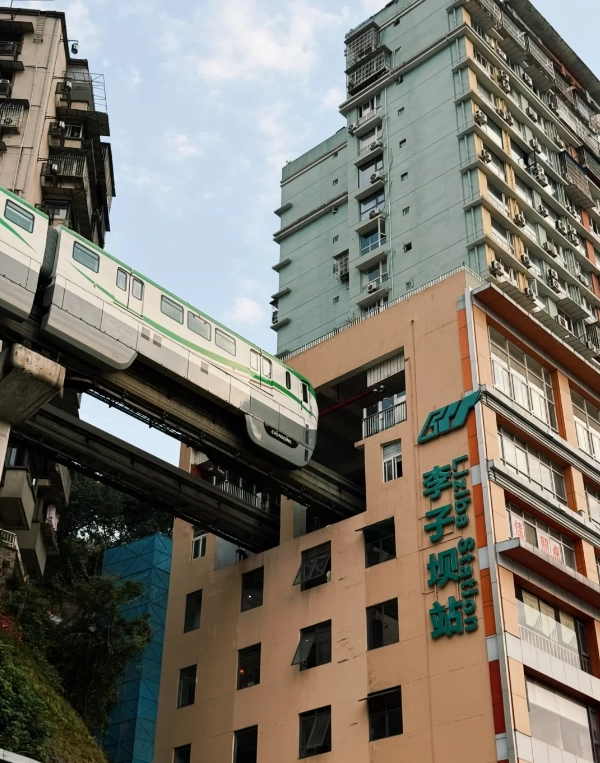
Late Afternoon: Shancheng Alley (Shancheng Bu Dao)
This is my favorite hidden gem. It's an old step-street (butong) that has been revitalized with cool cafes, tiny art galleries, and boutique shops, all clinging to the steep hillside. The address is tricky: near Zhongxing Road, Yuzhong District. I tell people to navigate to "Shancheng Bu Dao Visitor Center" on their maps. It feels like a secret. Have a coffee at a cliffside cafe and watch the city below. It's the perfect, relaxed end to your urban exploration.
How to Get Around Chongqing Efficiently?
Chongqing's 3D terrain makes navigation an adventure. Here’s your survival guide:
- Metro (Subway): Your best friend. It's clean, efficient, and cheap. Lines 1, 2, 3, and 6 cover most tourist areas. Buy single-ride tickets from machines (English available) or use the Chongqing Public Transport Code in Alipay/WeChat. A ride costs 2-7 RMB.
- Taxis & Ride-Hailing (Didi): Essential for hills the metro can't climb. They are inexpensive. A 20-minute ride might cost 20-30 RMB. Pro tip: When using Didi, pin your location carefully. GPS can be confused by the vertical layers. Describe your location with a shop name.
- Walking: Be prepared for stairs. Lots of them. Google Maps walking times are often underestimates. Wear good shoes.
- The Yangtze River Cableway: It's a tourist attraction (30 RMB one-way), but it's also a functional transport link between Yuzhong and Nan'an districts. The views are spectacular, but queues can be long.
Where to Stay in Chongqing
Location is everything. Here’s a quick breakdown based on who you are:
| Area | Best For | Vibe & Example | Price Range (per night) |
|---|---|---|---|
| Jiefangbei / Yuzhong Peninsula | First-timers, convenience, nightlife. | Heart of the action. Walking distance to many sights. Can be noisy. Example: Somerset Jiefangbei Chongqing (serviced apartments). | 400 - 800 RMB |
| Jiangbei District (near Guanyinqiao) | Modern comfort, business travelers, families. | Newer, upscale area with great malls and metro access. Less "old city" charm. Example: Hilton Chongqing. | 500 - 1000 RMB |
| Nan'an District (near Nanshan) | Views, quieter stays, photography enthusiasts. | Across the river, amazing skyline views back at Yuzhong. Requires more taxi rides. Example: InterContinental Chongqing. | 600 - 1200 RMB |
| Hostels near Chaotianmen | Solo backpackers, budget travelers. | Social, very cheap, great for meeting people. Basic facilities. Example: Chongqing Wada Hostel. | 50 - 150 RMB (dorm) |
Your Chongqing Travel Questions Answered
 There you have it. Three days to get under the skin of Chongqing. It's a city that rewards the curious and punishes the rushed. Use this plan as your skeleton, but leave room to get lost in an alley, to follow the smell of something delicious, or to just sit by the river as the lights come on. That's when Chongqing really gets you. Now go pack some comfortable shoes and an appetite.
This article is based on my personal guiding experience and regular on-the-ground fact-checking.





No comments yet.