 Ming Yang
Alright, listen up. I've been guiding folks through China's megacities for over a decade, and no city trips people up on timing like Chongqing. Everyone shows up with a picture of spicy hotpot and misty mountains, but half of them are melting into the pavement by 10 AM because they came in July. Let's cut through the fog. The single most important factor for your Chongqing trip isn't which hotpot restaurant to pick—it's when you decide to go. Get it right, and you experience the magic of the 'Mountain City.' Get it wrong, and you're in a sauna with eight million people.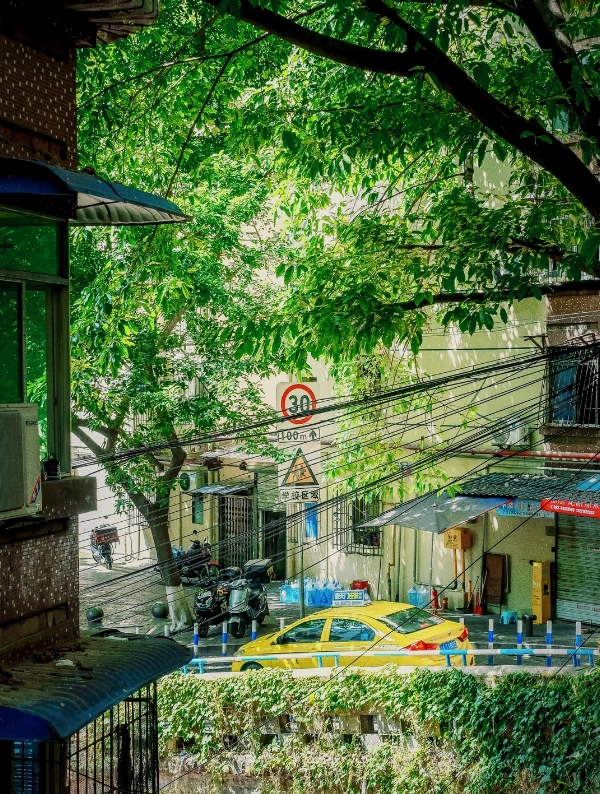
Your Quick Chongqing Season Finder
- The Verdict: Best and Worst Times at a Glance
- Spring (March to May): The Sweet Spot
- Summer (June to August): The Furnace
- Autumn (September to November): The Golden Window
- Winter (December to February): The Misty Mystery
- Month-by-Month Breakdown & What to Pack
- The 24-Hour Chongqing Sprint: A Case Study
- Your Chongqing Timing Questions Answered
The Short Answer: For nearly everyone, late September through early November is the undisputed champion. The heat has broken, the skies are often clear (a rarity), and the crowds are manageable. April to early June is a very close second. Just avoid the first week of May—that's a national holiday chaos I wouldn't wish on anyone.
The Hard Pass: July and August. Seriously. I don't care if it's your only vacation window. The heat and humidity are not just uncomfortable; they're oppressive and can ruin your stamina for exploring this incredibly vertical city. If you must come then, you need a completely different strategy.
The Verdict: Best and Worst Times at a Glance
Here’s the cheat sheet I wish I could hand every client at the airport. This isn't just about temperature; it's about the combined experience of weather, crowds, and what's actually enjoyable to do.
| Season | Months | Vibe & Weather | Best For | Biggest Drawback |
|---|---|---|---|---|
| Prime Time | Sep (late) - Nov | Cool, dry, occasional sun. Perfect hiking weather. | Everything. City walks, hiking, photography, outdoor dining. | Can get busy on weekends. |
| Great Choice | Apr - Jun (early) | Warm, green, lush. Evenings are lovely. | Gardens, river cruises, enjoying the city's greenery. | Unpredictable rain showers (always carry a foldable umbrella). |
| Challenging | Dec - Feb | Chilly, damp, perpetually grey. Rarely snows. | Atmospheric misty photos, cheap hotels, hotpot without sweating. | Poor visibility, can feel gloomy. Many outdoor tea houses are closed. |
| Only If You Must | Jul - Aug | Sweltering, humid, intense. Feels like 40°C+ (104°F+). | Indoor attractions, mall-hopping, nightlife after dark. | Heat exhaustion risk. Outdoor sightseeing is a punishing chore. |
Spring (March to May): The Sweet Spot
This is when Chongqing wakes up. The famous fog starts to lift (a bit), and everything turns a vibrant green. Temperatures climb from a cool 15°C (59°F) in March to a warm 25°C (77°F) in May. It's ideal for walking, which is non-negotiable here.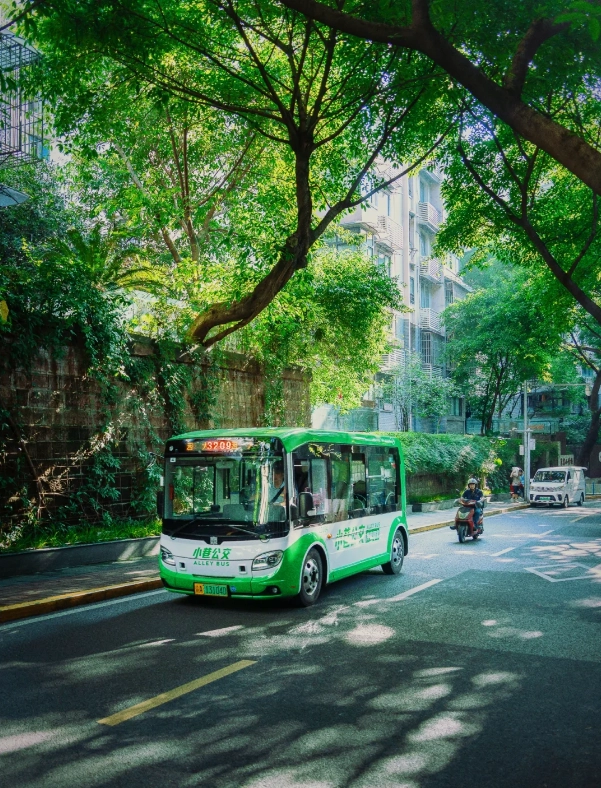
What You Can Actually Do
The Ciqikou Ancient Town is actually pleasant now. Take Line 1 to Ciqikou Station, Exit 1. You'll walk straight into the old street. In summer, it's a cramped sweatbox. In spring, you can browse the porcelain shops and sip tea by the river without feeling faint. Head to the higher terraces at the back for the best views.
This is also the best time for the Wulong Karst National Geology Park (the natural arches you see in photos). The grass is green, and the hikes between the three bridges are stunning. It's a 2.5-hour drive from the city center, so book a day tour or a private car. Trust me, doing this in summer is a brutal endurance test.
The Local's Spring Tip
Mid-April is when the azaleas bloom on Nanshan Mountain. It's a local favorite, not a major international tourist spot. Take a taxi to Nanshan Botanical Garden (about 45 mins from downtown). The air is fresher, the views over the city are hazy but beautiful, and you'll see Chongqing families having picnics. Pack a snack and join them.
Summer (June to August): The Furnace
I need to be blunt. Chongqing is one of China's 'Three Furnaces' for a reason. The heat isn't dry; it's a thick, wet blanket. From 10 AM to 6 PM, being outside is miserable. The city's infrastructure—endless stairs, overpasses, minimal shade in places—is designed to defeat you.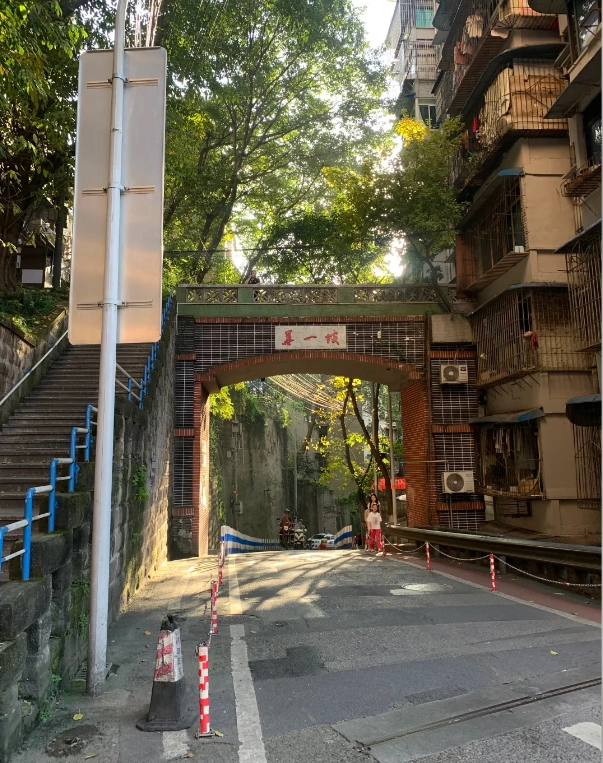
If You're Stuck Coming in Summer, Here's Your Survival Guide
Your schedule flips. Become nocturnal.
- Mornings (7 AM - 10 AM): This is your golden window. Do your major outdoor sightseeing first thing. Get to Hongya Cave at 8 AM when it opens. You'll have the iconic stilted building mostly to yourself. (Address: 88 Cangbai Road, Yuzhong District. Take Line 6 to Xiaoshizi Station, Exit 8, walk 8 mins).
- Afternoons (11 AM - 5 PM): Go underground. Literally. Visit the Three Gorges Museum (closed Mondays, free entry). Or escape to a massive shopping mall like Raffles City with its insane sky bridge. This is hotpot time—find an air-conditioned restaurant.
- Evenings (6 PM onwards): The city comes alive. Take the Yangtze River Cable Car (Xinhua Road Station) at dusk. The queue is shorter, and seeing the city lights ignite is spectacular. Then, head to a beer garden along Nanbin Road.
Hydrate like it's your job. The local remedy is cooling herbal tea (liangcha). You'll see old ladies selling it on street corners for a few RMB. Drink it. It helps.
Autumn (September to November): The Golden Window
This is it. The premium season. The humidity drops, the temperature is in the sweet spot of 18-28°C (64-82°F), and you might even see a blue sky. Chongqing is built for this weather.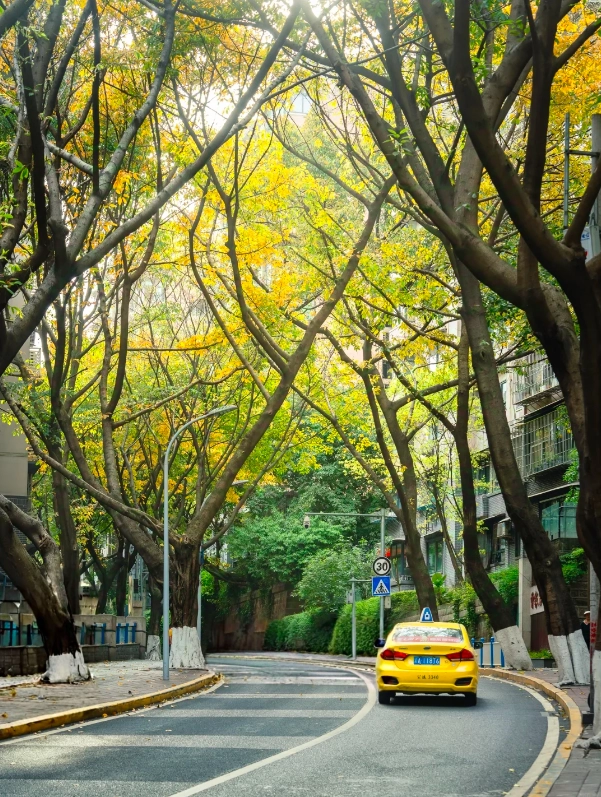
Why Autumn Wins
You can finally tackle the Hongyadong to Jiefangbei walk along the riverbank without needing a shower halfway. The light is softer, perfect for photography from E'ling Park (free entry, take the monorail from Fotuguan Station, Exit 2). This is when hiking in the surrounding hills, like Jinyun Mountain, is an absolute joy, not a sufferfest.
Foodies, take note: autumn is harvest season for many local chilies and peppercorns. The hotpot tastes… fresher, more vibrant. My personal must-order at any decent hotpot joint is fresh duck intestine and yuanyang broth (half spicy, half mild). Try it at a place like Zhou's Hotpot near Guanyinqiao—it's always packed with locals for a reason.
Winter (December to February): The Misty Mystery
Winter is Chongqing's moody season. Temperatures hover around 5-10°C (41-50°F), but the constant 90%+ humidity makes it feel much colder. The fog is almost permanent. For some, this is atmospheric. For others, it's just depressing.
The Winter Reality Check
That famous skyline view from One Tree Hill Park? You'll be lucky to see the building across the street. River cruises can be cancelled due to poor visibility. The upside? No crowds. Hotels are cheap. And eating hotpot in the cold is a deeply satisfying experience.
Focus on indoor and close-quarter experiences: explore the labyrinthine Shancheng Alley (a restored old street), visit the Luohan Temple (10 RMB entry, 7 AM - 5 PM), or spend hours in a cozy chayuan (tea house) playing mahjong with locals. Pack a good waterproof jacket and moisture-wicking layers. Cotton will leave you damp and cold all day.
Month-by-Month Breakdown & What to Pack
Let's get granular. This is the kind of detail I adjust my own tour schedules by.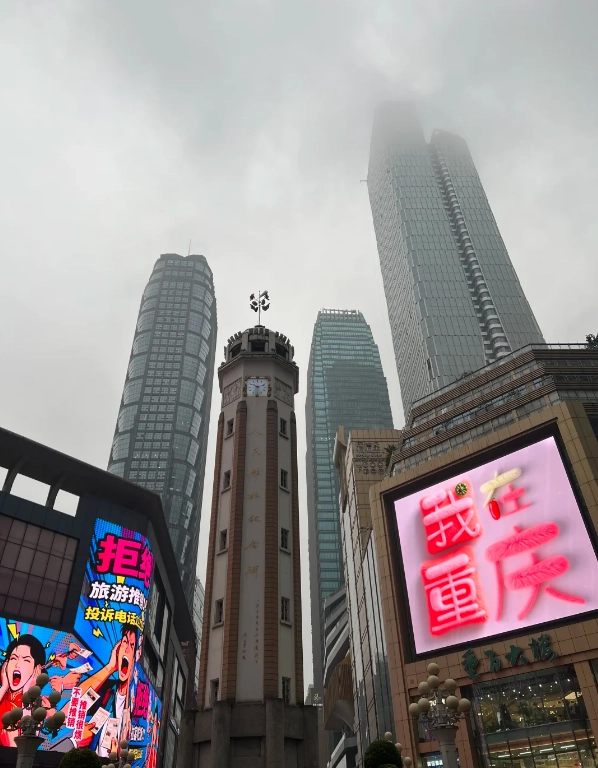
- March: Unpredictable. A light puffer jacket for evenings, a sweater, and that umbrella. The city starts greening.
- April: Perfect light jacket weather. This is your month for day trips to the countryside.
- May: Warmer. T-shirts and a light cardigan. Humidity starts to creep up. Avoid May 1-7 (Labour Day holiday) like the plague.
- June: The prelude to heat. Evenings are still okay. Start carrying a handheld fan and a sweat towel.
- July/August: As covered. Light, breathable fabrics only. Multiple shirt changes a day are normal. Sports sandals are better than sneakers.
- September: Transition month. Early Sept can still be hot, late Sept is glorious. Pack a mix.
- October: The king of months. Light layers. A celebratory mood.
- November: Gets cooler fast. A warm jacket by month's end. Often clear skies.
- December-February: Damp cold. Thermal layers, a waterproof windbreaker, warm hat. Good walking shoes with grip for wet, slippery stairs.
The 24-Hour Chongqing Sprint: A Case Study
Let's say you have a long layover or just one day. How does season change your plan? Let's map it for October (Ideal) vs. August (Survival Mode).
The October 24-Hour Blitz:
8 AM: Ciqikou Ancient Town. Beat the day-trip crowds.
11 AM: Take the tourist light rail Line 2 (it's a rollercoaster through apartments) to Liziba Station. See the train go through a building.
1 PM: Hotpot lunch in a mid-range place. (I favor places down back alleys, not the flashy chains).
3 PM: E'ling Park for panoramic views in the good light.
5 PM: Hongya Cave. See it in daylight, then watch it light up at dusk.
8 PM: Night cruise on the Yangtze (book in advance). See the glittering skyline.
The August 24-Hour Survival:
7 AM: Hongya Cave. Empty and (relatively) cool.
9 AM: Stroll along the shaded parts of the old city wall near Daomenkou.
11 AM - 4 PM: INDOORS. Three Gorges Museum. Long, air-conditioned lunch.
5 PM: Take the cable car as the sun loses its bite.
7 PM: Hotpot dinner. Embrace the night.
9 PM: Jiefangbei pedestrian area to see the neon spectacle.
See the difference? Season dictates your entire rhythm.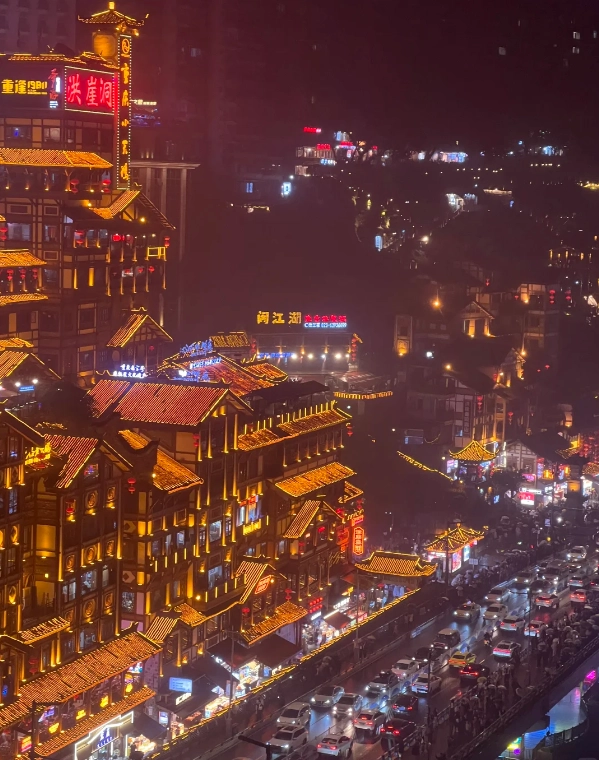
Your Chongqing Timing Questions Answered
Is late November too cold for Chongqing?
What's the rainiest month in Chongqing, and will it ruin my trip?
I hate crowds. Is there a good shoulder season month that's still pleasant?
How does Chinese New Year affect travel to Chongqing?
Is there any time to see snow in Chongqing?
Look, choosing when to visit Chongqing is the first and most critical decision you'll make. It defines your entire experience. Use this guide not as a rigid rulebook, but as the local insight it is. Plan for the season, pack accordingly, and you'll unlock one of China's most unforgettable cities.
This article is based on over a decade of personal guiding experience in Chongqing and has been fact-checked against local weather patterns and tourism calendars.





No comments yet.