 Ming Yang
Alright, grab a seat. I've been guiding folks through Chongqing's layers for years, and let me tell you, most online itineraries get it wrong. They send you on a brutal uphill-downhill marathon or stick you in tourist traps. This Chongqing 5-day itinerary is different. It's the one I'd give my cousin visiting from abroad – balanced, immersive, and packed with the stuff that makes this city crackle.
Chongqing isn't a flat postcard. It's a living, breathing 3D puzzle. You'll eat food that makes your scalp sweat in the best way, navigate staircases that appear out of nowhere, and find tranquility in ancient towns perched above roaring rivers. This plan respects your time, your feet, and your curiosity.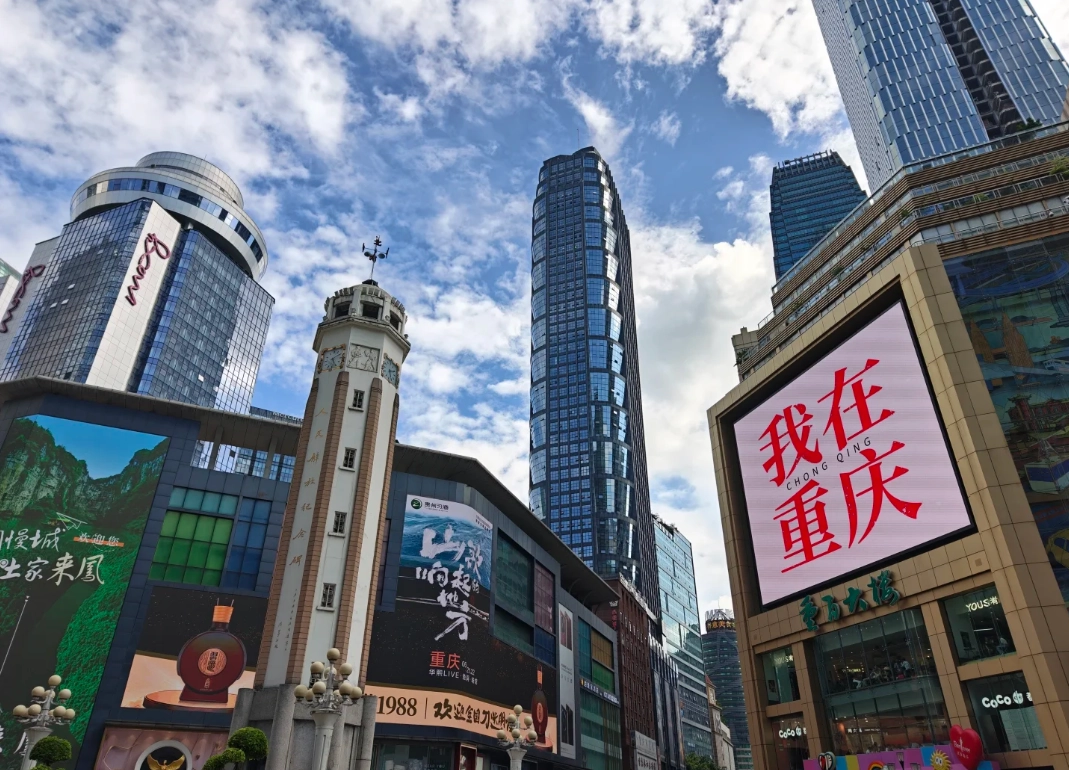
Your Chongqing Trip Roadmap
- Day 1: Riverside Icons & Urban Pulse
- Day 2: History, Art & Underground Wonders
- Day 3: Ancient Towns & Mountain Vistas
- Day 4: Cultural Deep Dive & Local Markets
- Day 5: Relaxed Farewells & Unique Perspectives
- Where to Stay: Your Chongqing Basecamp
- Getting Around the Chongqing Maze
- Your Chongqing Food Survival Guide
- Answers to Your Burning Chongqing Questions
Day 1: Riverside Icons & Urban Pulse
Ease into the city's rhythm. Start late morning to beat the worst crowds.
Liberation Monument & Surrounds
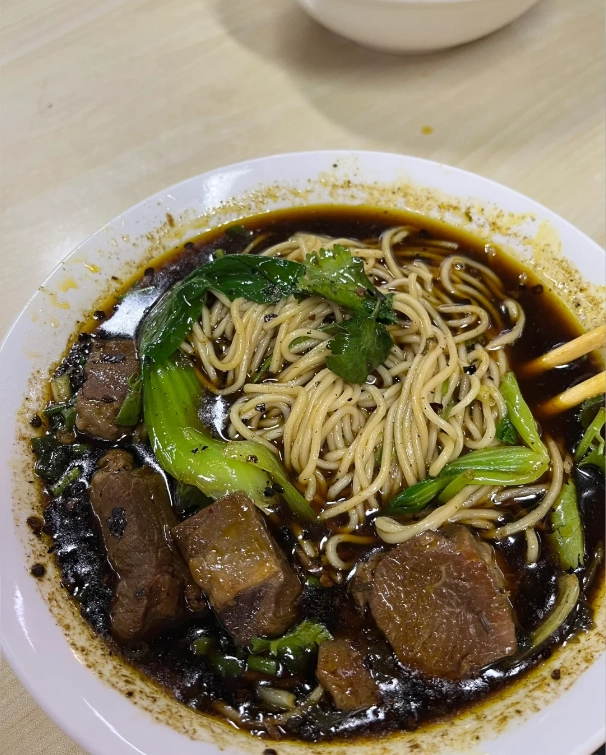
Take Metro Line 2 to Linjiangmen Station, Exit A. Walk 5 minutes north. The monument itself is a modest pillar, but it's the epicenter. Look down – you're standing on one of the busiest pedestrian intersections in China. The surrounding Jiefangbei CBD is a forest of skyscrapers. My tip? Don't just look up. Pop into the Food Republic food court in the Raffles City mall (just behind the monument) for a safe, clean introduction to local snacks. Try a Xiao Mian (Chongqing noodles in a simple broth) for about 15 RMB.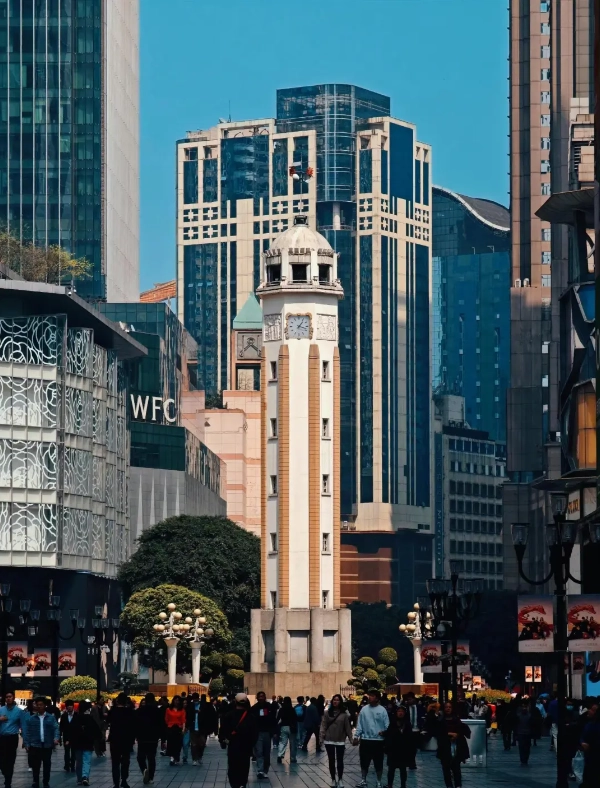
Hongyadong & The Night View
From Jiefangbei, it's a 15-minute stroll south. Hongyadong is that iconic stilted building cascading down the cliff. Inside is a maze of shops and eateries – fun for the spectacle, but overpriced for serious eating. Go just before dusk. The real magic happens when the lights flicker on, and you walk across the Qiansimen Bridge (the one right next to it) for the full panorama. For the classic postcard shot, head to the Grand Theater plaza on the opposite bank (take Metro Line 6 to Dalongshan, Exit 1). The view back towards Hongyadong and the skyscrapers is unbeatable.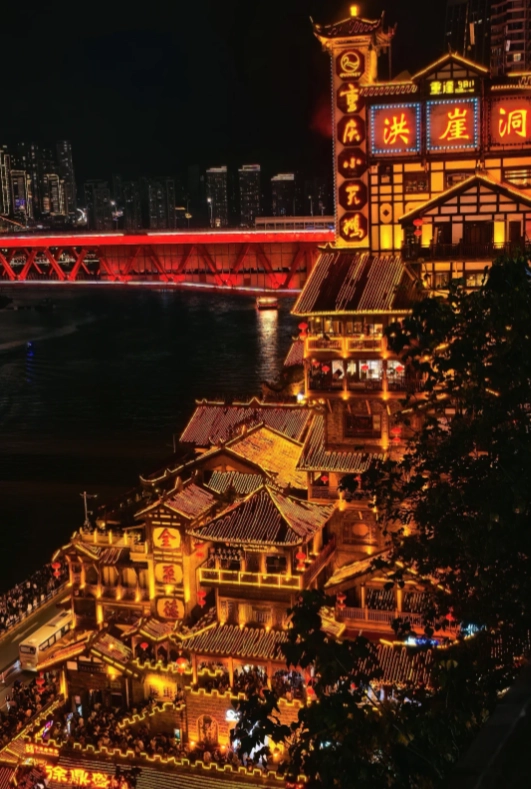
Day 2: History, Art & Underground Wonders
A day of contrasts, from somber history to vibrant street life.
Chongqing's WWII Legacy
Take Metro Line 2 to Liziba Station, Exit A. From there, it's a short taxi ride (about 12 RMB) or a 20-minute walk uphill to the Chongqing WWII Sites Museum Cluster. This includes the Former Site of the Provisional Government of the Republic of Korea and other diplomatic compounds. The area is quiet, leafy, and heavy with history. Admission is usually free, but check for specific site tickets (around 10-20 RMB). It's a sobering, crucial part of understanding the city's global role.
Eling Park & The Second Line
Afterward, head to Eling Park (Liziba Station, Exit 2). This is a classic local park perched on a hill. The real gem is the Eling Printing House Culture Park tucked within it. It's a repurposed factory now housing cafes, galleries, and design studios. It feels like a secret. Then, descend via the Shancheng (Mountain City) Step Trail – a restored historic stairway path. It spits you out near the Second Line Cultural and Creative Park, another factory-turned-arts district. Grab lunch at one of the hip cafes here.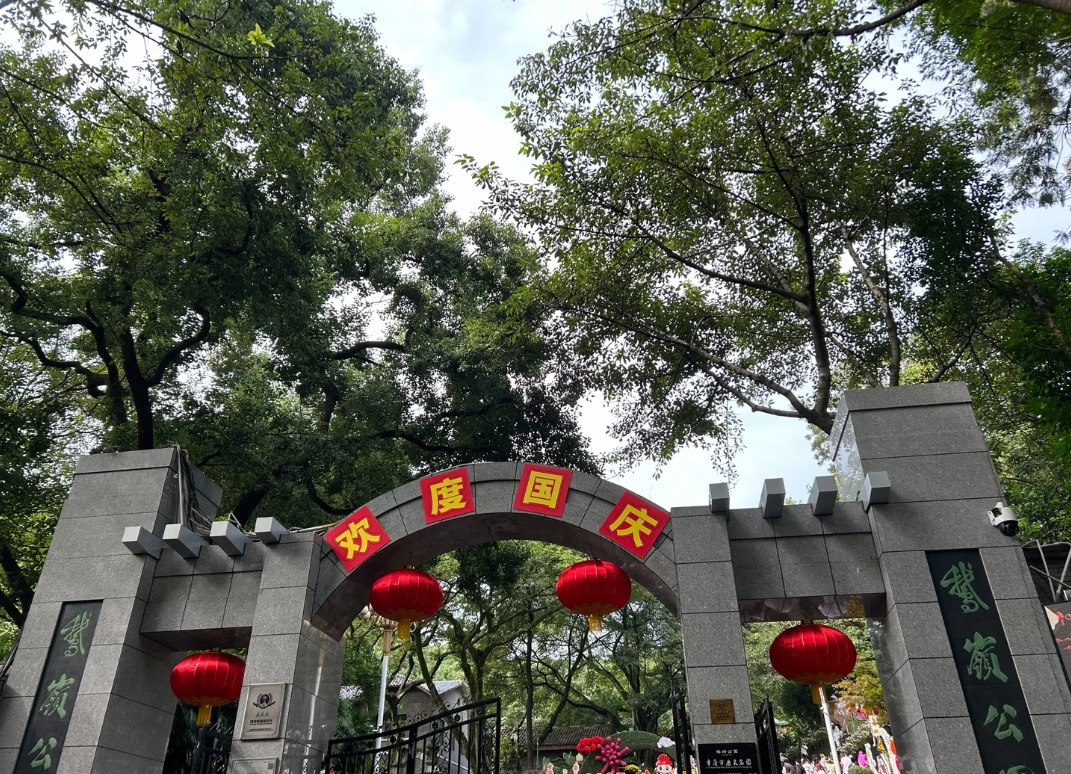
Day 3: Ancient Towns & Mountain Vistas
Escape the downtown core. This requires a taxi or ride-hail app (Didi).
Ciqikou Ancient Town
It's touristy, yes, but for good reason. Get there by 9:30 AM to experience its charm before the tour groups swamp the main street. The alleyways branching off the central drag are where you'll find quieter teahouses and workshops. Look for the Bao Lun Temple hidden at the back – a serene contrast. Skip the generic souvenirs; buy some local Chen Mahua (a twisted fried dough) instead. A taxi from Jiefangbei costs about 40-50 RMB and takes 30-40 minutes depending on traffic.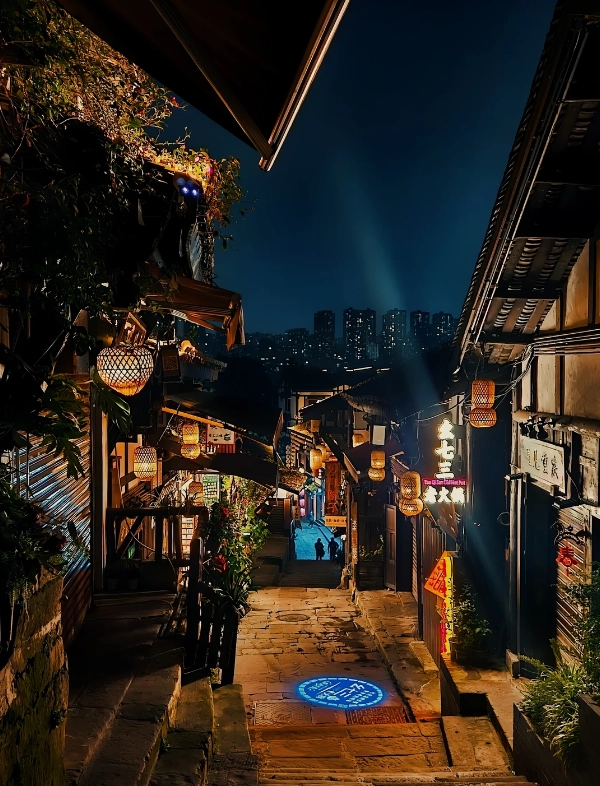
Dazu Rock Carvings (The Alternative)
If you're up for a full-day trip and love history, replace Ciqikou with this. The Dazu Rock Carvings are a UNESCO World Heritage site, about 2 hours by bus from Chongqing's main long-distance stations. The intricate Buddhist, Taoist, and Confucian sculptures from the 9th-13th centuries are mind-blowing. Book a tour or take a direct tourist bus. It's a commitment, but for many, it's the highlight of their entire trip to China.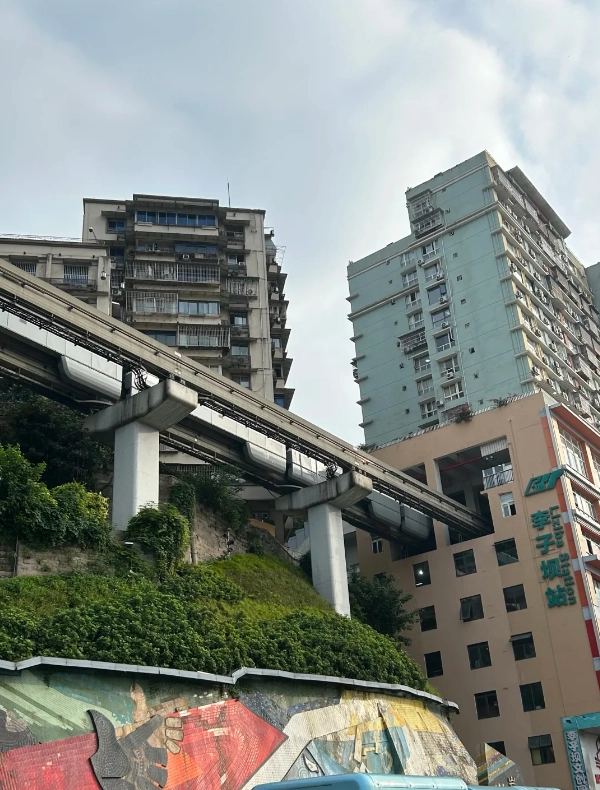
Day 4: Cultural Deep Dive & Local Markets
See how locals live, shop, and worship.
Luohan Temple & Old Street
Start at Xiaoshizi Station, Exit 6. The magnificent Luohan Temple (10 RMB admission) is right there, a peaceful oasis of incense and ancient clay statues. After, get lost in the backstreets between Chaotianmen and Xiaoshizi. This is the wholesale district. You'll see porters carrying impossible loads on bamboo poles. Follow the noise to the Chaotianmen Market – it's chaotic, overwhelming, and utterly authentic. Not for shopping unless you want 100 pairs of socks, but perfect for photography and atmosphere.
Huguang Guild Hall & Sichuan Opera
A 10-minute walk from Chaotianmen along the river. The Huguang Guild Hall (30 RMB) is a beautifully restored complex of Ming and Qing dynasty assembly halls for immigrants. The architecture is stunning. In the evening, they often host Sichuan Opera performances that include face-changing (Bian Lian). Book tickets in advance (around 150-280 RMB). It's tourist-oriented but professionally done and a fantastic way to experience this unique art form.
Day 5: Relaxed Farewells & Unique Perspectives
A lighter day focused on unique views and last-minute discoveries.
Yangtze River Cableway
Take Metro Line 1 or 6 to Xiaoshizi Station, Exit 5. The cableway station is well-signed. Go on a weekday morning to avoid epic queues (ticket: 20 RMB one-way, 30 RMB round-trip). The 5-minute ride over the Yangtze offers a gull's-eye view of the city's density. I recommend a one-way trip from the north bank to the south. On the south side, explore the Nanshan area with its parks and more relaxed vibe.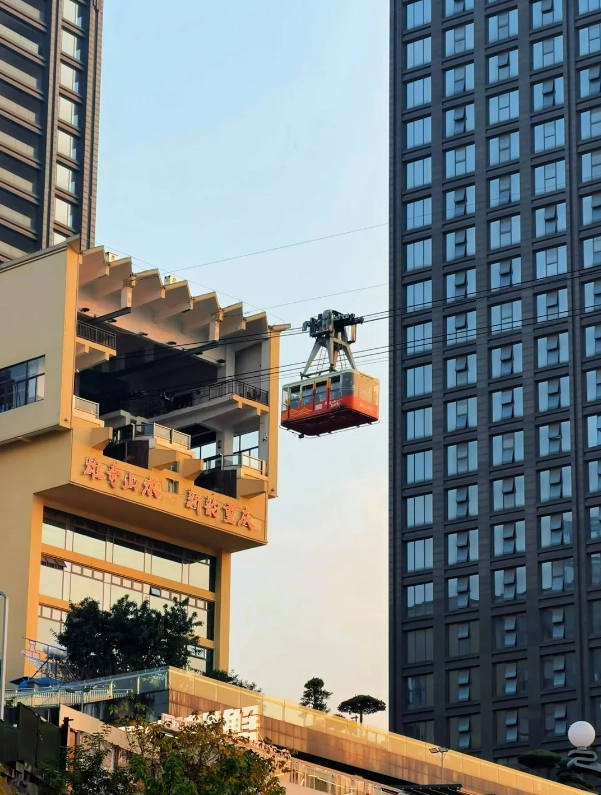
Backstreet Food Hunt
Use your final hours to hunt down a specific dish. Don't just wander. Pick one: Chuan Chuan Xiang (skewers in a bubbling pot) or a specific dumpling (Jiaozi) shop. Ask your hotel concierge for a recommendation within a 10-minute walk. My personal last-meal ritual is finding a tiny, bustling stall for a bowl of Wan Zhou Grilled Fish (spicy, charcoal-grilled whole fish with toppings). It's messy, communal, and unforgettable.
Where to Stay: Your Chongqing Basecamp
Location is everything. Your hotel choice dictates your daily energy expenditure.
| Area | Best For | Vibe & Proximity | Price Range (Per Night) |
|---|---|---|---|
| Jiefangbei / Yuzhong Peninsula | First-timers, convenience seekers, foodies. | The absolute center. Walking distance to Hongyadong, cableway, major metro hubs. Can be noisy. Expect to use stairs/a lot of walking. | 300 – 800 RMB |
| Jiangbei District (Near Guanyinqiao) | Modern comfort, business travelers, families. | North of the river. More modern, flatter streets, huge shopping malls. A short metro ride (Line 3/9) to downtown sights. | 350 – 1000 RMB |
| Nan'an District (South Bank) | Budget travelers, quieter stays, scenic views. | Opposite the main peninsula. You'll get the iconic skyline view from your window. Requires crossing bridges/tunnels via metro/taxi to reach most sights. | 250 – 600 RMB |
My top pick for balance: Find a hotel within a 10-minute walk of a major metro station on Line 1, 2, or 6 on the Yuzhong Peninsula. You get centrality without being in the loudest heart of Jiefangbei.
Getting Around the Chongqing Maze
Navigation is a sport here. Here's your playbook.
The Metro is Your Best Friend. It's clean, cheap, and bypasses all traffic. Use the Chongqing Rail Transit app or simply buy single-journey tokens. Lines 1, 2, 3, and 6 are the most useful for tourists. A key station to know: Xiaoshizi (Lines 1 & 6) is the gateway to the cableway, Hongyadong, and Chaotianmen.
Taxis & Didi (ride-hailing): Essential for reaching places like Ciqikou or when your feet give out. Be aware that during rush hour (7:30-9:30 AM, 5-7:30 PM), bridges become parking lots. A 2km trip can take 20 minutes.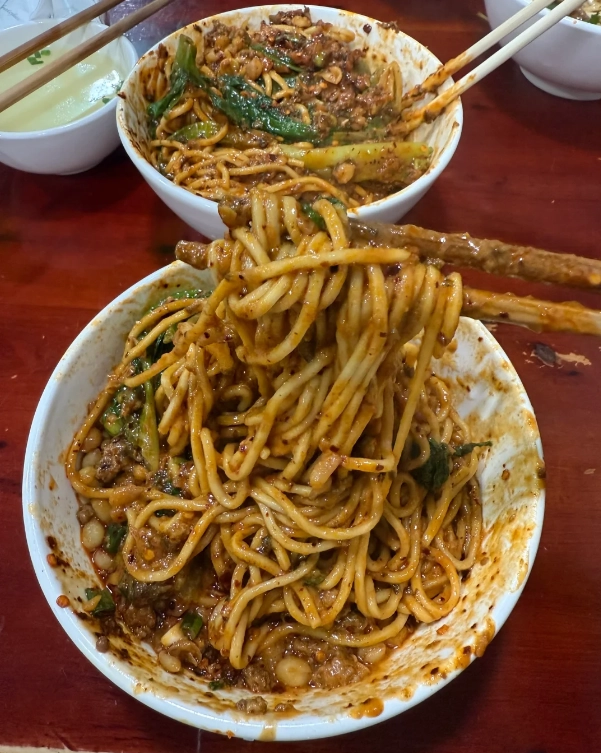
Your Chongqing Food Survival Guide
You don't just eat in Chongqing; you experience food.
Hot Pot is Non-Negotiable. But don't just walk into any flashy place. For a classic experience, I take my groups to Zhou Shixiong Hotpot. Multiple locations; the one at 89 Minzu Road is reliable. They have an English menu. Get the Yuan Yang Guo (split pot: spicy and non-spicy broth). My must-order items: Fresh Goose Intestine (crispy texture), Beef Tripe, and Tender Beef Slices. Budget 100-150 RMB per person. The spice level is real. Order Bing Fen (sweet icy jelly dessert) to cool down.
Beyond Hot Pot:
- Xiao Mian: Breakfast of champions. Any humble shop with plastic stools works. 10-15 RMB.
- Chuan Chuan: DIY skewers boiled in a shared pot. More casual than hot pot. Li Chuan Chuan Xiang is a popular chain. Pay by the skewer.
- Jianghu Cai: "Rivers & Lakes" dishes—bold, rustic, generous plates. Think spicy boiled fish, stir-fried everything. Maoxuewang is famous for its duck blood curd stew.
Answers to Your Burning Chongqing Questions
Is Chongqing really that hilly? How fit do I need to be?
The reputation is earned. You will climb stairs. Good walking shoes are more important than anything in your suitcase. The key is pacing. This itinerary spreads out the more strenuous days (like Day 3) with flatter, metro-heavy days. Use taxis for short, uphill hops to save your energy for the sights themselves. I've seen people in heels—they become my cautionary tale for the group.
I can't handle extreme spice. Will I starve?
Not at all. First, always order the Yuan Yang (split) hot pot. The clear broth side is usually a mild pork bone or mushroom soup. For other dishes, learn the phrase wei la — "a little spicy." You can also say bu yao la for "no spice." Many classic dishes like Sweet Water Noodles or Steamed Pork with Rice Flour aren't spicy. Bakeries, congee shops, and dumpling houses are everywhere.
What's the single biggest mistake tourists make with their Chongqing itinerary?
Trying to cram in too many distant locations in one day. The city's terrain makes distances deceptive. A trip to Ciqikou, then to the Flying Tigers Museum, then back to Eling Park looks possible on a map but will involve hours in traffic and leave you exhausted. Cluster your activities by geographic area, like this itinerary does. Quality over quantity.
Is it better to visit the Dazu Rock Carvings or the Wulong Karst (natural bridges)?
Apples and oranges, but a common dilemma. Dazu is cultural/historical, about a 2-hour drive each way. Wulong is natural spectacle, closer to 2.5-3 hours each way. For a 5-day trip, I recommend Dazu. It's more unique to the region and logistically slightly easier. Wulong is incredible, but it deserves an overnight stay to do it justice, which eats up two full days of a short trip.
How do I pay for things? Is cash still needed?
WeChat Pay and Alipay dominate. Set them up before you come. For foreigners, linking an international credit card (like Visa/Mastercard) to these apps now works at most chain stores and restaurants. However, always carry some Chinese Yuan (RMB) cash. Small family-run noodle shops, market stalls, and taxi drivers (especially older ones) often prefer or only accept cash. ATMs are widely available.
 There you have it. A Chongqing 5-day itinerary built on sore feet, countless hot pot meals, and the joy of showing people the layers beneath the neon. This city will challenge you, feed you like a king, and leave you with stories you can't make up. Follow this plan, stay flexible, and embrace the glorious chaos. You'll be planning your return trip before you even leave.
This article has been fact-checked.





No comments yet.