 Lei Li
Quick Navigation
After a decade of guiding tours up and down the Great Wall, I can tell you straight: the best time to visit isn't a single month. It's about matching the season to your personal travel style. Most blogs parrot "spring and autumn," but that's too vague. Let me break it down with the nitty-gritty details most tourists miss—like why a Tuesday in October beats a Saturday in May, or how winter mornings offer a solitude you won't find any other time.
If you're short on time, here's my blunt take: aim for mid-September to late October for perfect hiking weather and stunning foliage, or April to early May for pleasant temperatures before the summer rush. But read on—I've seen too many visitors pick the wrong day and end up miserable in a crowd or sweating through their shirts.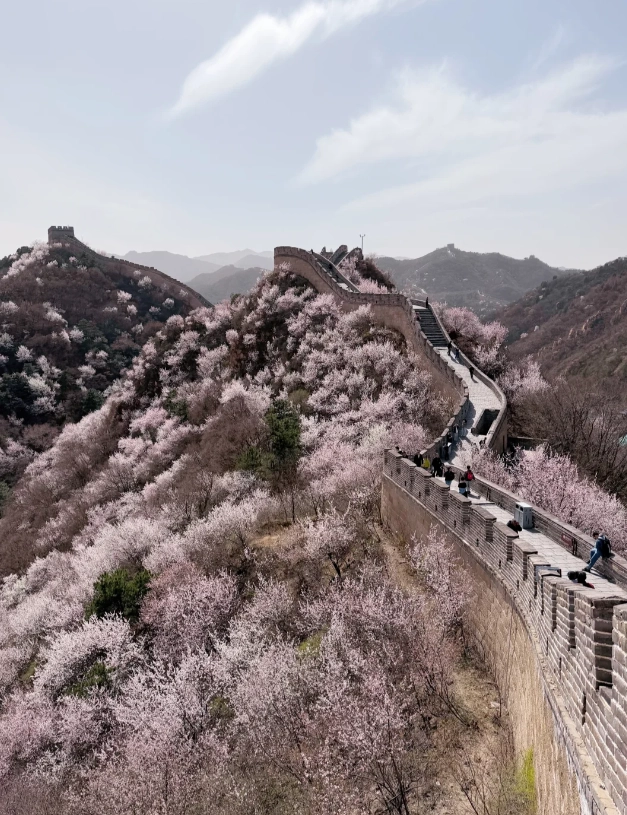
Seasonal Breakdown: When to Go and Why
China's seasons hit the Great Wall hard. I've led groups in scorching July heat and frozen January winds, so trust me, timing matters more than you think.
Spring (March to May)
Spring is a rebirth on the Wall. Temperatures range from 10°C to 20°C (50°F to 68°F), and the hills start to green up. But here's the catch: early spring (March) can still be chilly, with occasional sandstorms from the north—I once had a group from California complaining about the grit in their teeth. By April, it's lovely, but crowds build fast, especially during Chinese holidays like Tomb-Sweeping Day in early April.
For Mutianyu Great Wall, which I frequent, the ticket office opens at 7:30 AM, but I always advise arriving by 7:00 AM to beat the tour buses. Adult tickets are around CNY 45, kids half-price. The cable car adds another CNY 120 round-trip, but it saves your legs for the actual walk.
Summer (June to August)
Summer is the Wall's busiest and hottest season. Temperatures soar to 30°C+ (86°F+), with high humidity. The greenery is lush, but the crowds are insane—Badaling section feels like a subway at rush hour. I avoid weekends here like the plague.
If you must go in summer, pick a weekday and start at dawn. At Mutianyu, the first cable car runs at 8:00 AM, but the gates open earlier for walkers. Bring water, sunscreen, and a hat. A trick I use: after hiking, head to the little village below for a cold beer at "Xiaowang's Guesthouse" (no official address, but locals know it)—it's a lifesaver.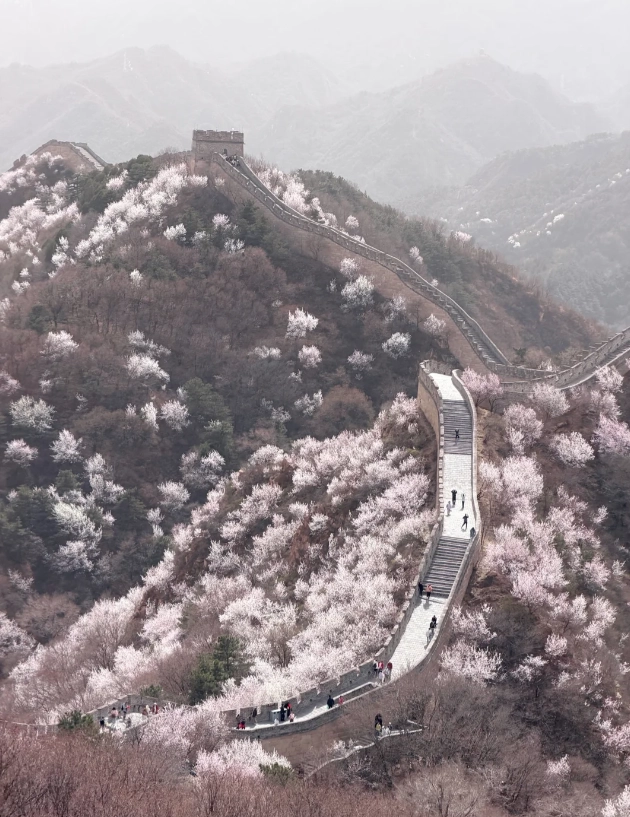
Autumn (September to November)
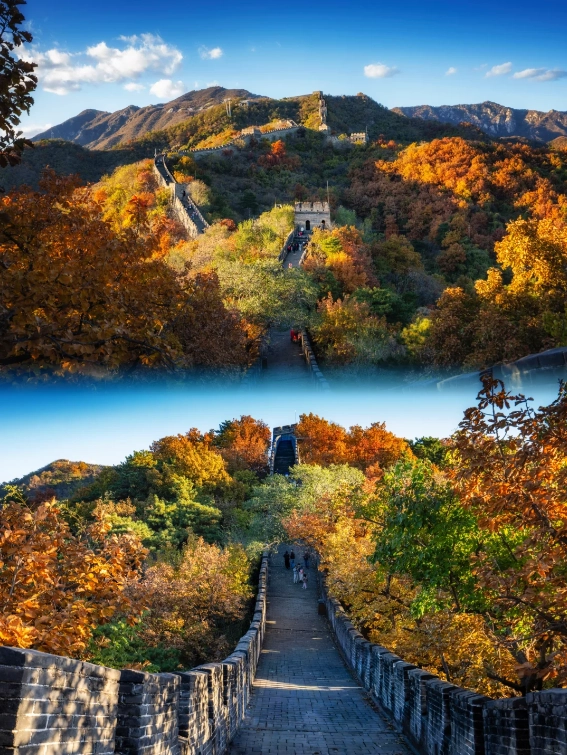
This is my personal favorite. September to November brings crisp air, clear skies, and temperatures of 15°C to 25°C (59°F to 77°F). The autumn colors—golden yellows and reds—make for breathtaking photos. Crowds thin after National Day holiday in early October.
I remember guiding a family from Australia in late October; we had whole sections of Jinshanling to ourselves by afternoon. For photography, the light is soft and golden from 3 PM onward. Just pack layers—evenings can get chilly fast.
Winter (December to February)
Winter is the Wall's hidden gem, but it's not for everyone. Temperatures drop below freezing, often with snow. The landscape turns magical, like a scene from a postcard, but facilities can be limited. Some sections close early, around 4:30 PM.
If you brave it, wear thermal layers and sturdy boots—I've seen too many slips on icy steps. The upside? Solitude. Last January, I took a solo traveler from Germany, and we didn't see another soul for hours. Tickets are cheaper, and hotels in Beijing offer discounts. Just check ahead for closures; the official China Cultural Heritage Administration sometimes updates conditions online.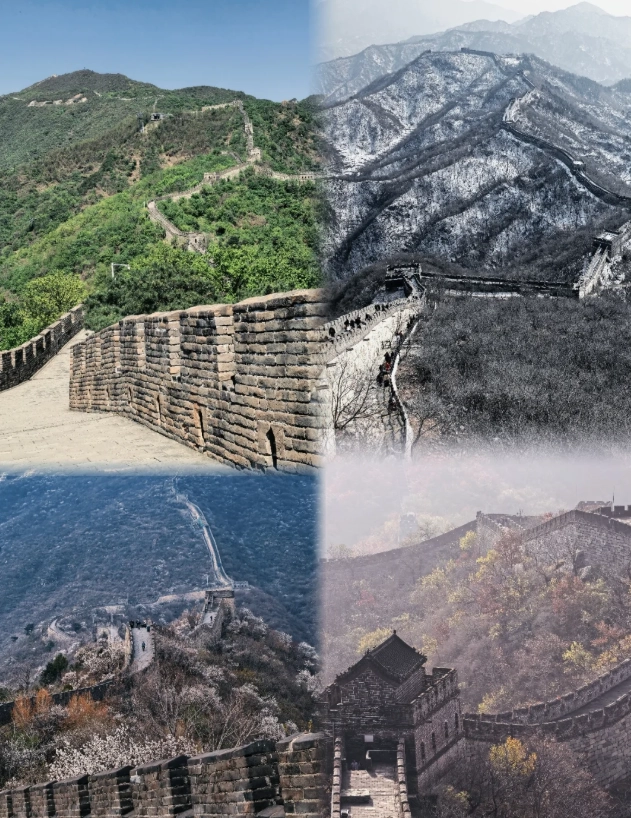
How to Choose Based on Your Priorities
Your perfect time depends on what you want from the trip. Let's cut through the generic advice.
For Photography Enthusiasts
Light is everything. Avoid midday when the sun is harsh and shadows are weak. Spring mornings (6-9 AM) offer soft light with blooming flowers, but autumn afternoons (3-5 PM) give that warm, golden glow on the stone. Winter sunrise is spectacular if you can handle the cold—I've captured some of my best shots with frost on the battlements.
A pro tip: at Mutianyu, the east-facing sections are best for sunrise, while west-facing ones like Tower 14 are ideal for sunset. Most tourists cluster around the cable car stations, so hike 20 minutes further for unobstructed views.
For Hikers and Adventurers
If you're here to hike, spring and autumn are prime. Summer heat can be exhausting—I once saw a fit backpacker from Colorado nearly pass out from dehydration. Winter hikes are possible but require caution; stick to restored sections like Mutianyu, where paths are clearer.
For a challenge, try the Jiankou to Mutianyu trek in autumn. It's rugged, so go with a guide. I've led groups there; start early, bring snacks, and expect 4-5 hours of steep climbs. The reward? Views that'll knock your socks off.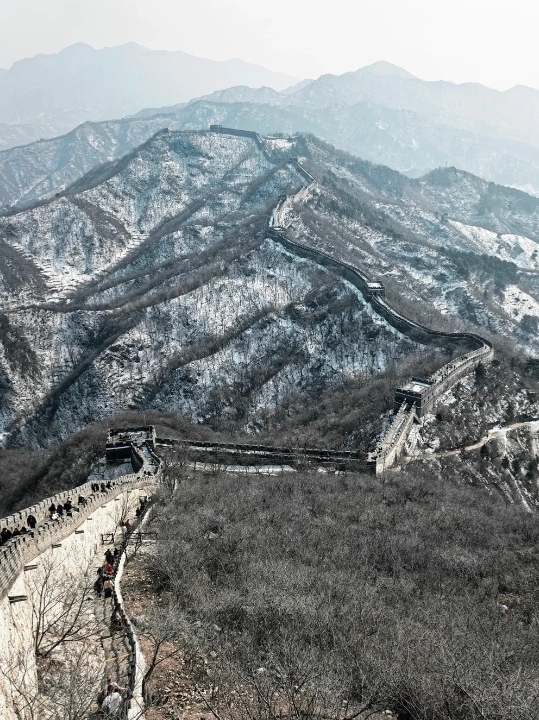
For Families with Kids
Families need comfort and convenience. Spring (April-May) or autumn (September-October) offer mild weather, reducing whining about heat or cold. Avoid summer weekends—crowds make it stressful with little ones.
At Mutianyu, the cable car and toboggan ride are kid-pleasers. Ticket combo: adult CNY 160 for entrance and round-trip cable car. Arrive by 8:30 AM to avoid lines. I always recommend packing extra water and snacks; vendors on the Wall charge a premium.
To Avoid Crowds
Crowds ruin the experience. Here's how to dodge them: visit on a weekday, preferably Tuesday or Wednesday, in shoulder seasons (late April or October). Winter is naturally quiet, but even in spring, arriving at opening time makes a difference.
Skip Badaling—it's the most crowded. Instead, try Jinshanling or Simatai, though note Simatai's night tours are seasonal. I've found that after 2 PM, day-trippers start leaving, so you can enjoy relative peace if you're okay with shorter visiting hours.
Practical Tips for Each Season
Let's get actionable. These tips come from years of on-the-ground mistakes and successes.
Key Details for Mutianyu Great Wall (a well-preserved, less crowded section):
- Address: Mutianyu Village, Huairou District, Beijing, China. No exact street number—it's a scenic area.
- Ticket Prices: Adult CNY 45, children (under 1.2m) CNY 25. Cable car: CNY 120 round-trip, single ride CNY 100. Toboggan: CNY 100 down.
- Opening Hours: 7:30 AM to 5:30 PM (April to October), 8:00 AM to 5:00 PM (November to March). Last entry one hour before closing.
- Getting There: From Beijing, take subway Line 2 to Dongzhimen Station, Exit B. Walk to Dongzhimen Bus Hub, catch bus 916快 (express) to Huairou Beidajie. Then, transfer to bus H23 to Mutianyu Roundabout. Total travel: 2-2.5 hours. Alternatively, hire a private car for CNY 500-800 round-trip—saves time if you're short on it.
In spring, pack a light jacket and rain poncho—showers are common. Summer demands sunscreen and a portable fan; I've seen sunburns ruin trips. Autumn, bring layers and a camera. Winter, thermal wear is non-negotiable; I recommend buying heat packs from Beijing convenience stores like 7-Eleven.
Booking tickets online in advance via official platforms can skip queues, but on weekdays in off-peak seasons, it's often fine to buy on-site. Just don't rely on this during holidays.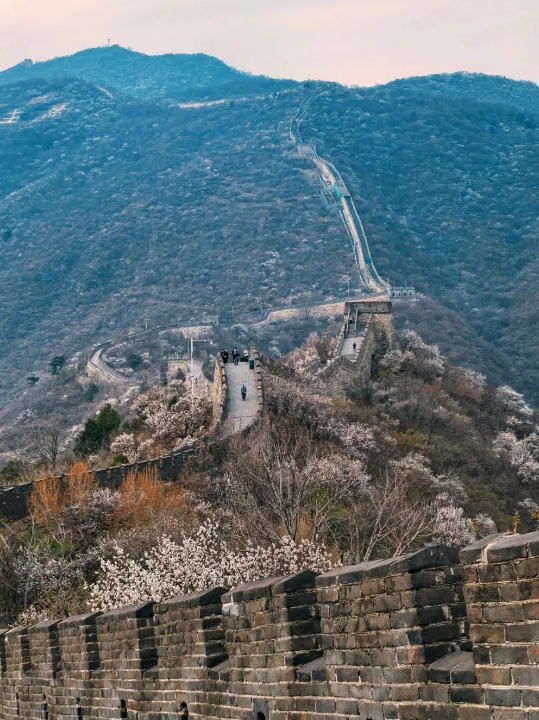
A Day at the Great Wall: Sample Itinerary
Imagine you have only 24 hours in Beijing and want to squeeze in the Wall. Here's how I'd plan it for a first-timer, based on an autumn weekday.
6:00 AM: Leave your hotel in central Beijing—book one near Dongzhimen to save time. Grab breakfast from a street vendor; jianbing (savory crepe) is my go-to.
6:30 AM: Take a pre-booked private car to Mutianyu. Cost around CNY 600, but it's worth it for efficiency. Public bus is cheaper but slower.
8:00 AM: Arrive at Mutianyu. Buy tickets at the counter (no line if you're early). Skip the cable car initially—hike up the steps to Tower 10 for a warm-up. It's steep, but you'll feel accomplished.
9:00 AM to 12:00 PM: Walk east from Tower 10 to Tower 1. This section is less crowded, with great photo ops. Take your time; I usually point out the arrow slits and beacon towers to groups.
12:00 PM: Lunch at the summit cafe near Tower 14. Prices are high (CNY 50 for noodles), so I often pack sandwiches. The view justifies the cost, though.
1:00 PM to 3:00 PM: Walk back west, taking the cable car down if tired. Or, for fun, try the toboggan—it's a slide down the mountain, and kids love it.
3:30 PM: Head back to Beijing. If energy permits, stop at a local farmhouse for dinner in Huairou; try the roasted trout.
6:00 PM: Return to city, perhaps catch a Beijing opera show. This itinerary avoids crowds and maximizes daylight.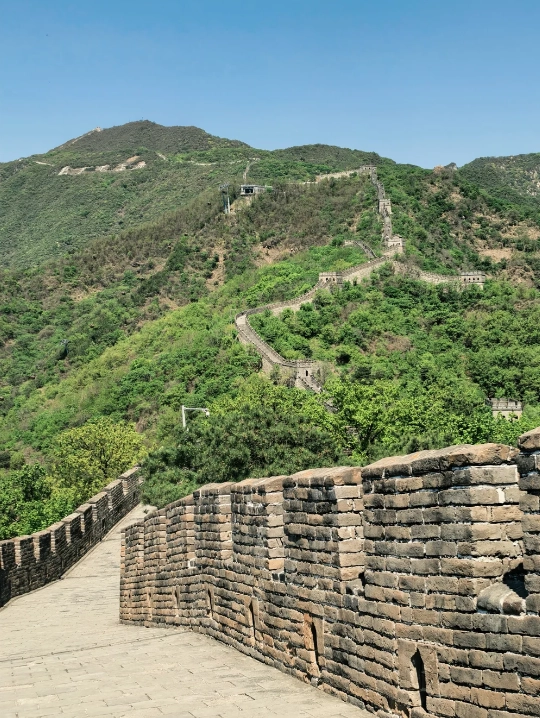
Common Mistakes and How to Avoid Them
Over the years, I've cringed at repeat errors. Here are the big ones.
Mistake 1: Visiting on a weekend or holiday. Solution: Check the Chinese public holiday calendar—Golden Week in October is chaos. Pick a Tuesday or Wednesday.
Mistake 2: Wearing improper footwear. I've lost count of tourists in flip-flops on uneven stones. Wear hiking shoes or sturdy sneakers.
Mistake 3: Not carrying cash. While cards are accepted at major spots, small vendors and buses often require cash (CNY). Bring small bills.
Mistake 4: Assuming all sections are the same. Badaling is crowded and commercialized; for authenticity, go to Mutianyu or Jinshanling. I once redirected a couple from the UK to Jinshanling, and they thanked me for the peaceful experience.
Mistake 5: Ignoring weather forecasts. The Wall's microclimate can change fast. Check apps like AccuWeather for Huairou District, not just Beijing city.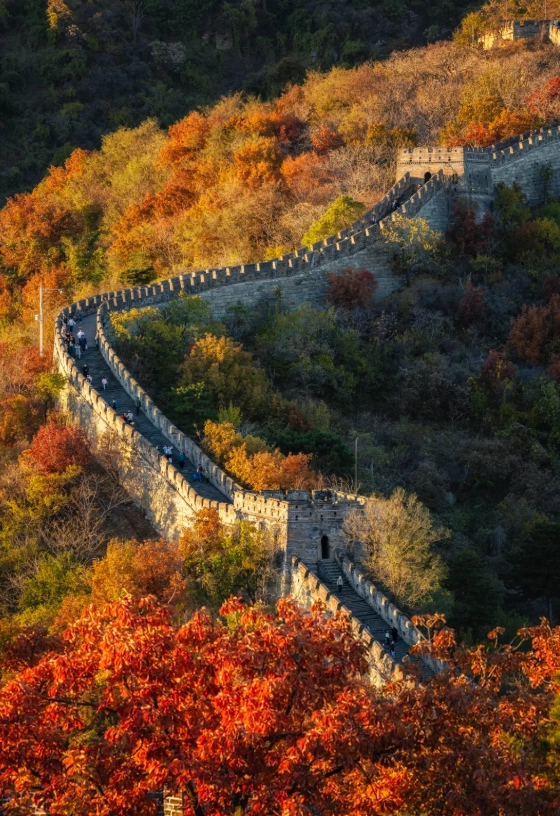
Frequently Asked Questions
 Can I visit the Great Wall in winter without a tour guide?
This article is based on my personal experiences guiding tours and fact-checked against current travel resources. The Wall is timeless, but visiting it smartly makes all the difference. If you have more questions, feel free to reach out—I'm always happy to share more insider tips.





No comments yet.