 Hui Lin
Let's cut to the chase. After guiding hundreds of foreign tourists through Beijing for over ten years, my answer is a resounding yes—but with a big asterisk. The Summer Palace isn't just another tick on your bucket list; it's a sprawling imperial garden that blends history, architecture, and nature in a way few places do. However, if you go at the wrong time or follow the herd, you might leave feeling it was overcrowded and overhyped. I've seen it happen. So, is it worth it? Absolutely, if you know how to tackle it. Stick with me, and I'll spill all the secrets I've gathered from years on the ground.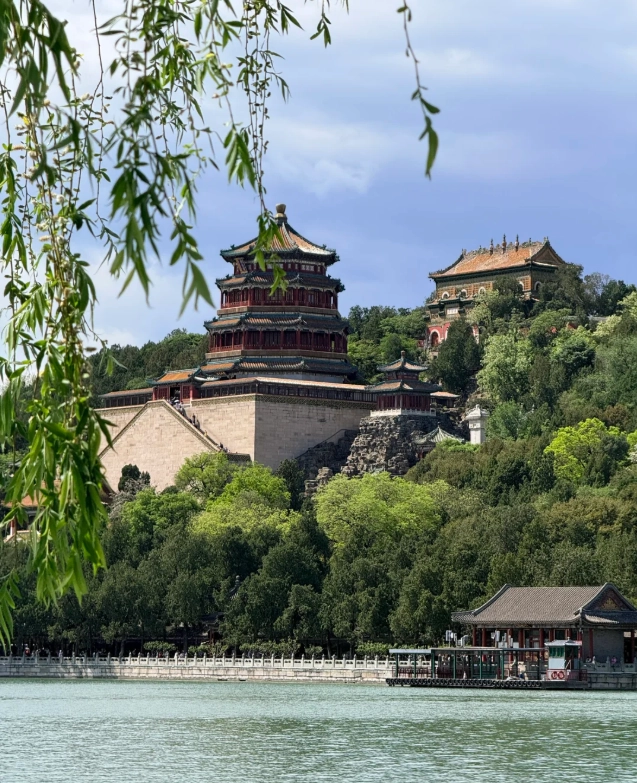
Quick Navigation
What is the Summer Palace?
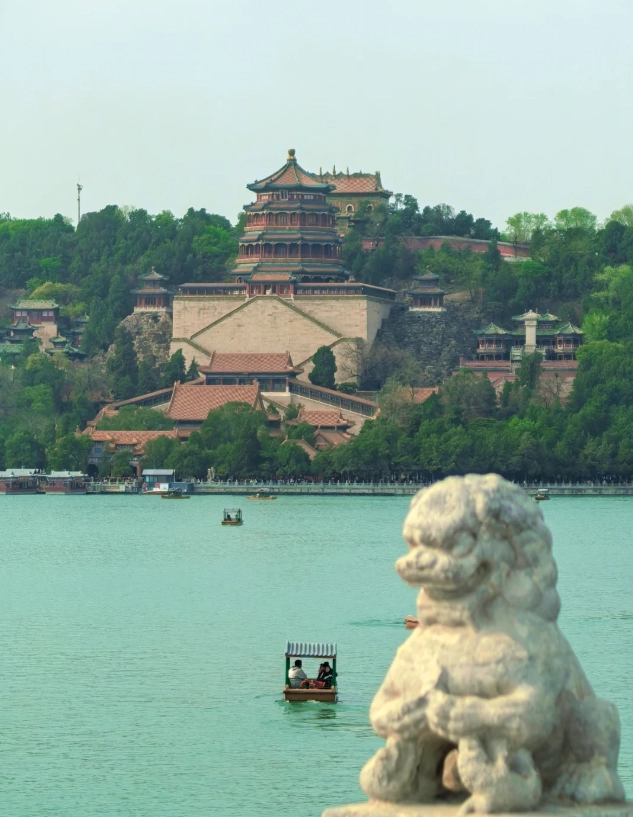
Think of the Summer Palace as Beijing's backyard escape for emperors. Officially known as Yiheyuan, it's a UNESCO World Heritage site covering 2.9 square kilometers—that's huge, about three times the size of Vatican City. Built primarily in the 18th century, it served as a luxurious retreat for the Qing dynasty rulers to avoid the summer heat. The core elements are Kunming Lake, Longevity Hill, and a maze of pavilions, temples, and corridors. It's not just a park; it's a masterpiece of Chinese landscape design, where every hill and pond tells a story. I remember taking a group from the UK, and one lady said it felt like walking through a living painting. She wasn't wrong.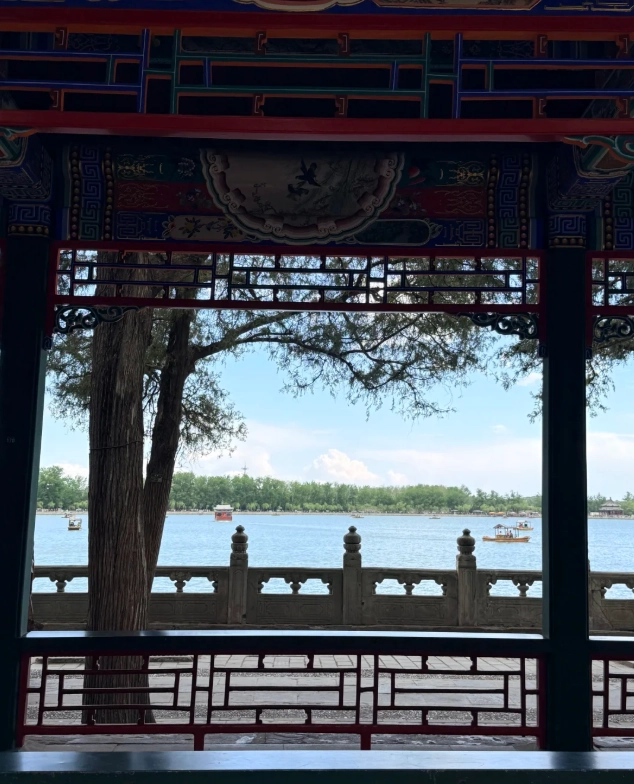
Why Visit the Summer Palace? The Pros
First off, the history is palpable. You're strolling where Empress Dowager Cixi once held court. The Long Corridor, with its 14,000 paintings, is like an open-air art gallery—I always point out the scenes from Chinese classics, and kids love spotting the dragons. Then there's the Marble Boat, a quirky structure that symbolizes the crumbling Qing empire (a bit ironic, but fascinating).
Nature-wise, it's a breath of fresh air in bustling Beijing. Kunming Lake offers boat rides, and Longevity Hill provides panoramic views. In autumn, the foliage turns golden, and in winter, the frozen lake is eerily beautiful. Most tourists stick to the front areas, but the back hills are serene, almost forgotten. Last April, I guided a family from Australia, and we spent an hour back there without seeing another soul—just birdsong and ancient trees.
Photography opportunities are endless. Pro tip: the light is best early morning or late afternoon. Midday sun washes out the colors, and I've seen too many visitors squinting for that perfect shot.
The Cons: What to Watch Out For
Now, the downsides. Crowds can be brutal. On weekends and holidays, the main paths resemble a subway rush hour. I've had clients get overwhelmed and want to leave early. If you hate jostling, avoid Chinese national holidays like Golden Week—trust me, it's chaos.
Ticket prices have gone up over the years, and it can add up if you want to see everything. The basic entry is reasonable, but add-ons like the Tower of Buddhist Incense or boat rides cost extra. Some tourists feel nickel-and-dimed.
Walking is extensive. The place is massive, and comfy shoes are non-negotiable. I once saw a woman in heels struggling up Longevity Hill—she ended up renting a rickshaw, which cost her extra. Also, signage in English is decent but not perfect, so it's easy to get lost in the lesser-known sections.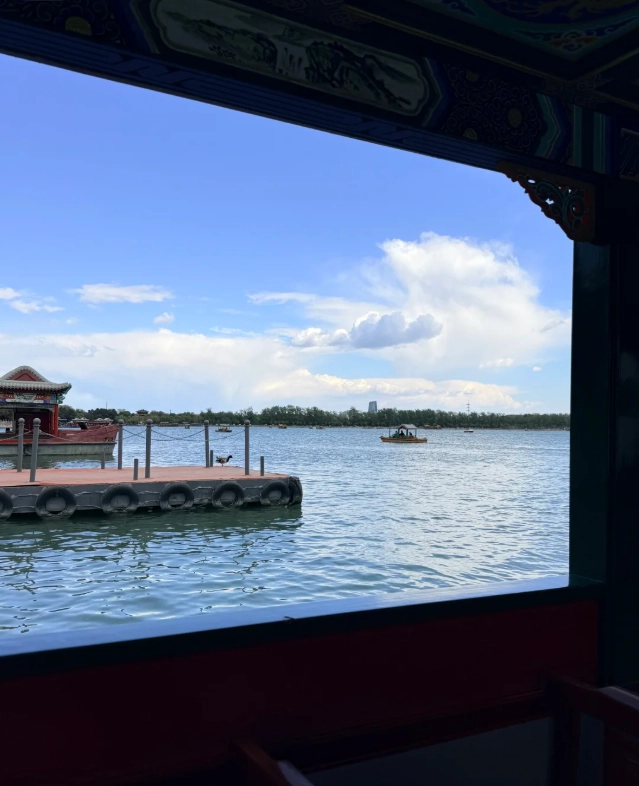
How to Get There: A Step-by-Step Guide
Location: The full address is No. 19 Xinjian Gongmen Road, Haidian District, Beijing. It's northwest of the city center.
By subway: Take Line 4 to Beigongmen Station. Exit from Exit D (not C—that's a common mistake). Once you're out, walk straight north for about 5 minutes. You'll smell street food vendors (try the jianbing if you're hungry), and the North Palace Gate entrance is on your left. This entrance is less crowded than the East Gate.
By bus: Multiple buses stop nearby, like 303, 331, or 584. Get off at "Yiheyuan" stop. From there, follow the signs—it's a 3-minute walk.
By taxi or ride-hail: Tell the driver "Yiheyuan" (pronounced ee-huh-ywen). From Tiananmen Square, it's a 30-minute drive without traffic, but rush hour can double that. Cost is around 50-70 RMB.
Parking: If you're driving, there's a lot near the East Gate, but it fills up fast by 9 AM. Fee is about 10 RMB per hour.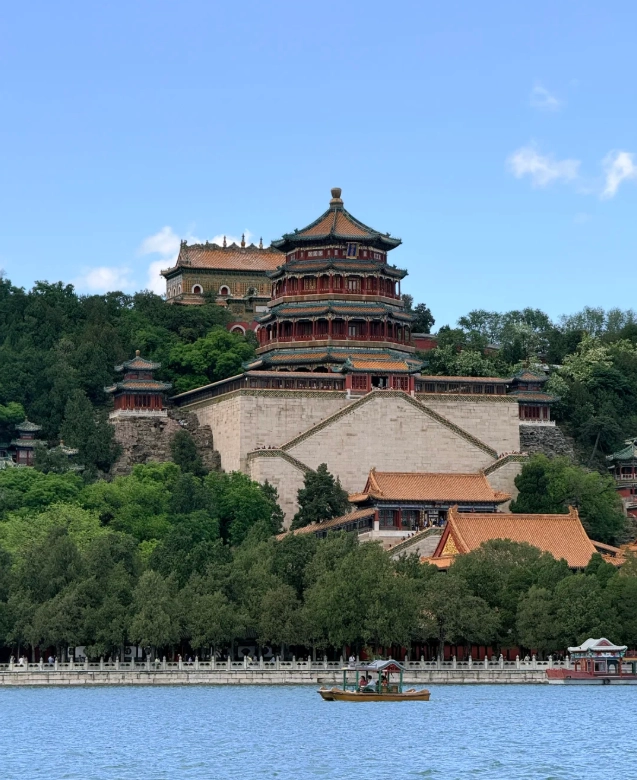
Ticket Prices and Opening Hours
Here's a breakdown I always share with my groups. Prices are in Chinese Yuan (RMB), and children under 1.2 meters tall are free.
| Ticket Type | Peak Season (Apr 1-Oct 31) | Off-Peak Season (Nov 1-Mar 31) |
|---|---|---|
| Basic Entry (Park only) | 60 RMB (adult), 30 RMB (child 1.2-1.4m) | 40 RMB (adult), 20 RMB (child 1.2-1.4m) |
| Combo Ticket (Park + main sites) | 80 RMB (adult), 40 RMB (child) | 60 RMB (adult), 30 RMB (child) |
| Boat Ride on Kunming Lake | 30-50 RMB per person (depending on route) | 20-40 RMB per person (weather permitting) |
| Additional Sites (e.g., Tower of Buddhist Incense) | 10 RMB each | 10 RMB each |
Opening hours: Peak season: 6:30 AM to 6:00 PM (last entry at 5:00 PM). Off-peak: 7:00 AM to 5:00 PM (last entry at 4:00 PM). The park sometimes closes for maintenance on Mondays, but that's rare—check ahead if you're visiting mid-week. I recommend arriving right at opening time to beat the crowds. By 10 AM, the queue at the ticket office can stretch for blocks.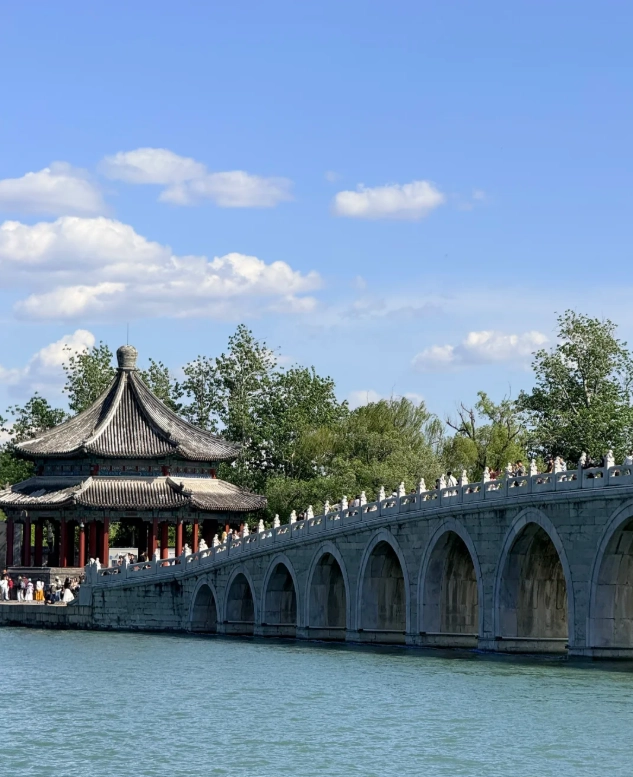
My Recommended Itinerary for Different Travelers
Tailoring your visit is key. Here's how I'd plan it based on who you are.
For the Time-Crunched Visitor (Half-Day, 4 Hours)
You've got limited time, maybe a layover or a packed Beijing schedule. Focus on highlights. Enter from the East Gate—it's closest to the core sights. Head straight to the Long Corridor, then up to the Tower of Buddhist Incense for views. Walk down to the Marble Boat, and take a short boat ride across Kunming Lake (it saves walking time). Exit via the North Gate. You'll miss the back hills, but you'll get the essence. I did this with a business traveler from New York last year, and he said it was perfect.
For the Leisure Explorer (Full Day, 6-8 Hours)
Start early at the North Palace Gate. Wander through Suzhou Street (a replica of a water town), then climb Longevity Hill via the less-trodden paths. Have lunch at a spot near the lake—pack a picnic or grab noodles from a vendor (about 20 RMB). In the afternoon, explore the back hills, visit the Garden of Harmonious Interests, and end with a sunset view from the Seventeen-Arch Bridge. Bring water—vendors inside charge double.
For Families with Kids
Kids get bored with history? Mix it up. Rent a paddleboat on the lake (50 RMB for 30 minutes), let them run in the open spaces near the West Dyke, and point out animal shapes in the architecture. The Long Corridor paintings can be a fun scavenger hunt. Avoid steep climbs; stick to the flat areas around the lake. Restrooms are plentiful, but the ones near the entrances are cleaner.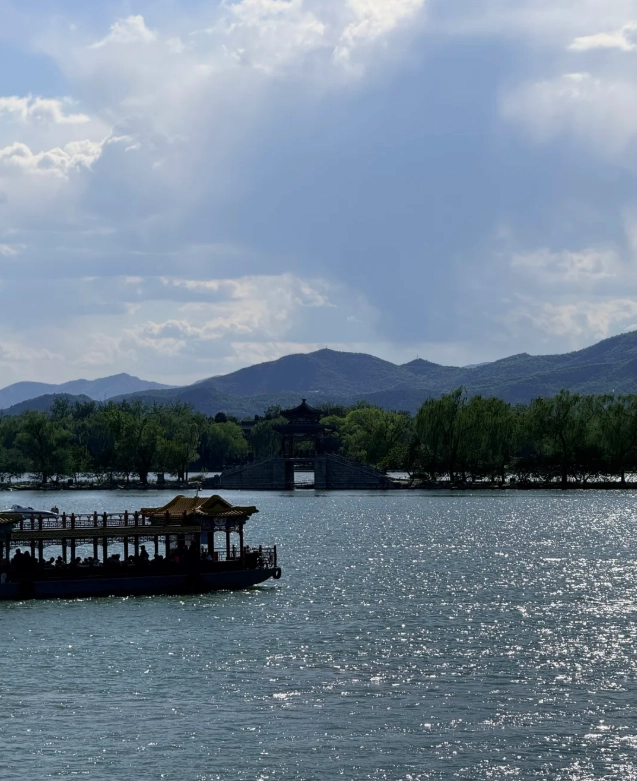
Hidden Gems and Local Secrets
Most tourists never venture beyond the main circuit. That's where the magic happens.
The Back Hills (Houhu): Accessible from the north side, this area is quiet and wooded. There's a small temple called the Temple of the Sea of Wisdom that's often empty. I once found a local painter sketching there—he said it's his favorite spot for inspiration.
Suzhou Street at Dusk: During the day, it's a crowded shopping alley. But after 4 PM, the crowds thin, and the lanterns light up, giving it a romantic vibe. Perfect for photos without photobombers.
The West Dyke: Modeled after the Su Causeway in Hangzhou, it's a long, willow-lined path that's ideal for a leisurely stroll. Few people walk its entire length, so you can enjoy solitude. In spring, the peach blossoms are stunning.
Local Eats Nearby: Skip the overpriced restaurants inside. Exit from the North Gate and walk 10 minutes to a small eatery called "Lao Beijing Zhajiangmian" (Old Beijing Noodles). Their zhajiangmian is authentic and costs 25 RMB. Address: 25 Suzhou Street, Haidian. It's a hole-in-the-wall, but the flavor is worth it.
Photography Spot: For the best shot of the Seventeen-Arch Bridge, stand on the east bank around 8 AM. The morning light hits it just right, and you'll avoid the midday glare.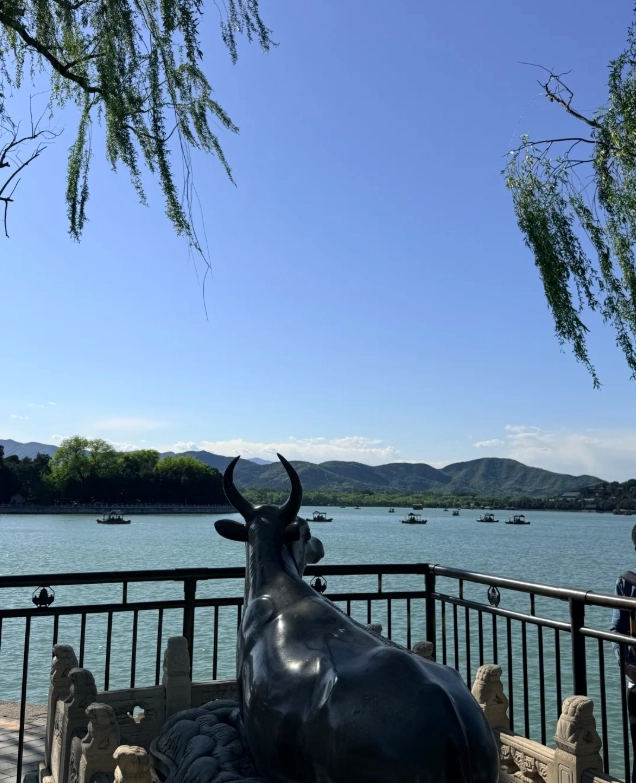
FAQs
 So, back to the big question: Is the Summer Palace in Beijing worth visiting? From my decade of guiding, I say yes—if you plan smartly. It's a cultural gem that offers a escape from Beijing's hustle, but it demands strategy. Go early, explore beyond the obvious, and embrace its scale. Whether you're a history nerd, a nature lover, or just curious, there's something here for you. And if you get lost, just follow the smell of roasted chestnuts—it usually leads to a hidden path. This article is based on my personal visits and has been fact-checked against current information. Happy travels!





No comments yet.