 Hui Lin
I’ve lost count of how many times I’ve been asked this question. "Should we go to the Old Summer Palace?" clients ask, their guidebooks open. My answer is never a simple yes or no. After a decade of guiding families, history nerds, and rushed business travelers through Beijing, I’ve seen every reaction. Some visitors stand before the shattered marble and are moved to silence. Others walk for twenty minutes, see some piles of rocks, and wonder what the fuss is about. So, is Yuanmingyuan Park worth visiting? Let’s cut to the chase: Yes, but only if you know what you're getting into and why you're going. It’s not a pretty, restored palace. It’s a sprawling, melancholic ruin with a brutal history. This isn't a sightseeing checklist stop; it's an experience that requires a bit of context and the right expectations. I’ll give you the honest, ground-level details no generic AI article can, so you can decide for yourself.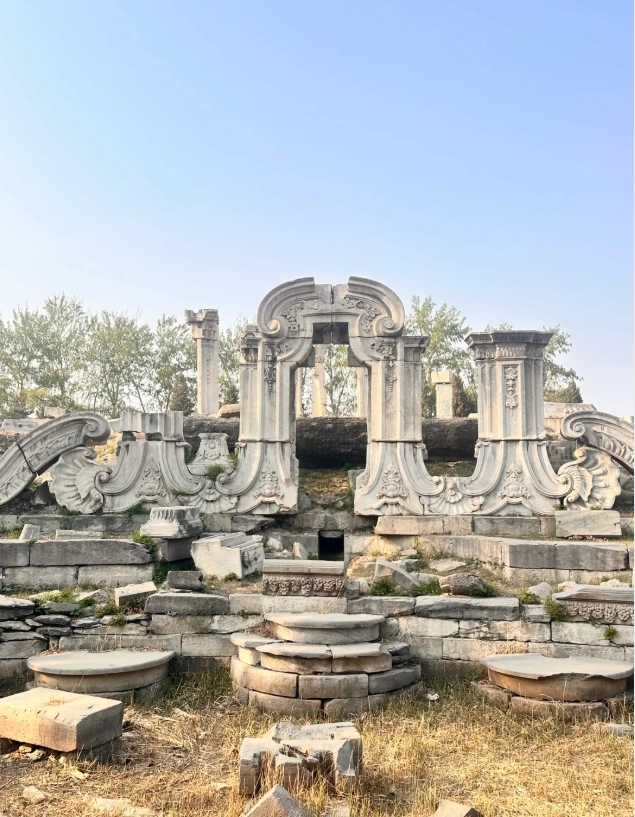
What's Inside This Guide?
- What is Yuanmingyuan Park? A Quick History
- So, Is Yuanmingyuan Park Worth Visiting? My Honest Take
- How to Get to Yuanmingyuan Park: The Easiest Routes
- My Recommended Route: A Half-Day Itinerary That Actually Works
- What to See Inside: Beyond the Obvious Ruins
- Practical Info: Tickets, Hours, and Insider Tips
- Frequently Asked Questions (From My Tour Groups)
What is Yuanmingyuan Park? A Quick History
First, names get confusing. You'll hear Yuanmingyuan Park and The Old Summer Palace used interchangeably. They refer to the same vast complex. For nearly 150 years, this was the ultimate imperial retreat, a masterpiece of garden design that blended Chinese landscaping with European-style palaces and fountains. Then, in 1860, during the Second Opium War, British and French troops looted it and burned it to the ground. What you see today are the poignant, weather-worn remains.
The Grandeur and The Tragedy
Walking through, it’s hard to grasp the scale of what was lost. We’re talking about over 350 hectares (865 acres)—that’s five times larger than the Forbidden City. The destruction is the whole point of the visit. You’re not coming to admire architecture; you’re coming to feel its absence, to understand a pivotal moment in China’s modern history. The park authorities have left the ruins largely as they were found, with only essential stabilization. This raw presentation is what makes it powerful for some and underwhelming for others.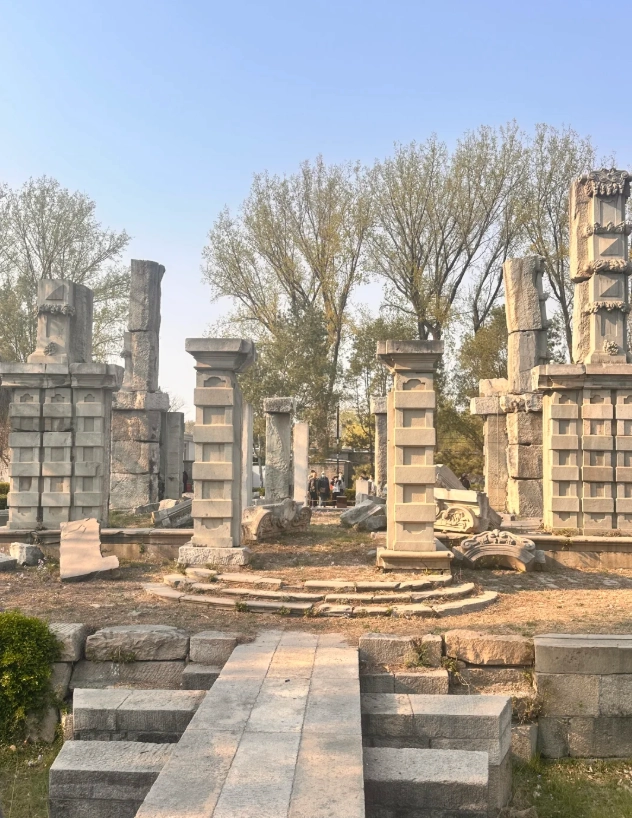
So, Is Yuanmingyuan Park Worth Visiting? My Honest Take
Let me break it down by traveler type. This is the judgment call I make for my own clients.
For History Buffs and Reflective Travelers
Absolutely worth it. If you’ve read about 19th-century China or have visited the Summer Palace (the one that was rebuilt), this is the essential counterpoint. The contrast is staggering. The emotional weight is real. I once took a university professor specializing in colonial history; he spent four hours here, barely speaking. For him, it was the highlight of his Beijing trip.
For Families with Kids or Those Pushed for Time
Think twice. Young children will likely find it boring—it’s a lot of walking with few interactive elements or dramatic structures. If you only have 2-3 days in Beijing, your time is better spent on the Great Wall, the Forbidden City, and the Summer Palace. Adding Yuanmingyuan to a tight schedule often leads to fatigue and disappointment. I’ve seen it happen.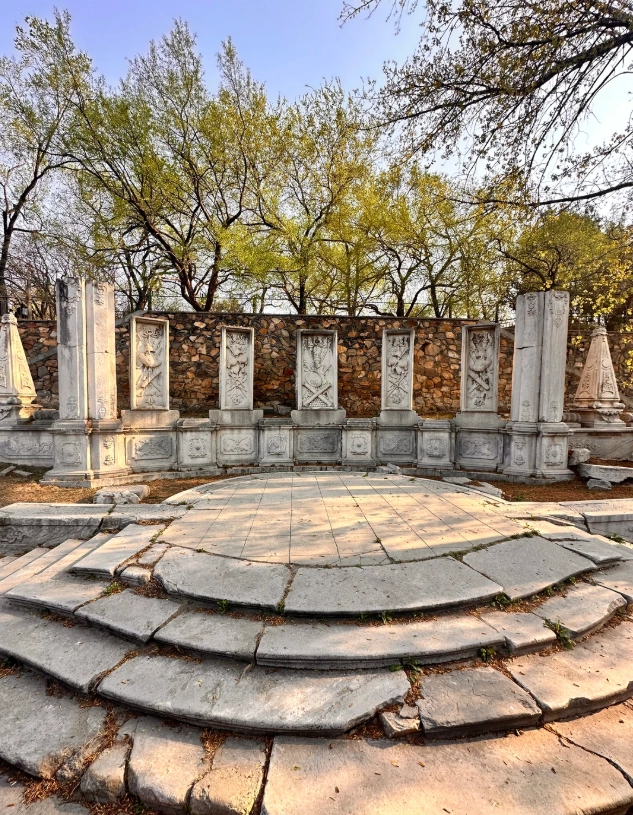
How to Get to Yuanmingyuan Park: The Easiest Routes
The park has multiple entrances, and picking the wrong one can add a frustrating 40-minute walk before you see anything good. Here’s the local guide’s cheat sheet.
| Method | Specific Instructions & Details | Best For |
|---|---|---|
| By Subway (The Best Way) | Take Line 4 to Yuanmingyuan Station. Use Exit B. Walk straight ahead for 2 minutes. You’ll see the ticket booths for the South Gate. This is the most straightforward entrance, but it leads to the garden areas first, not the main ruins. (I have a better route below). | First-time visitors, avoiding traffic. |
| By Bus or Taxi | If you’re coming from the Summer Palace, bus 331 connects them. For a taxi or DiDi, tell the driver: "Yuanmingyuan dongmen" (Old Summer Palace East Gate). The address for your map app is: 28 Qinghua West Road, Haidian District, Beijing. The East Gate is closer to the European Ruins section. | Combining with Summer Palace, those with mobility concerns. |
My Recommended Route: A Half-Day Itinerary That Actually Works
Most tour groups herd everyone through the South Gate. That’s a mistake. You trudge through lovely but generic Chinese gardens for an hour before reaching the dramatic stuff, and kids get antsy. Here’s how I structure a 3-4 hour visit that maximizes impact and minimizes pointless walking.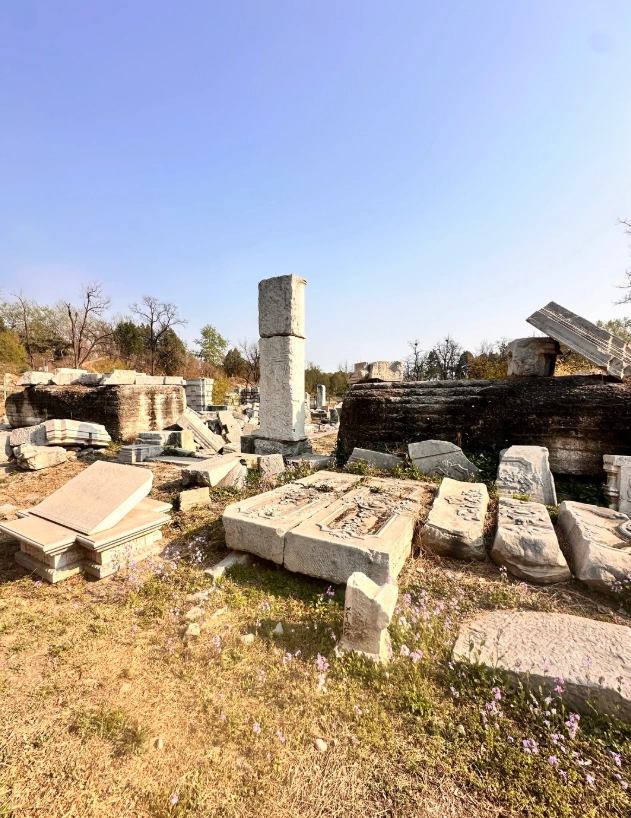
Start at the East Gate
Take the subway to Xiyuan Station on Line 4, use Exit A, and walk north for 10 minutes, or take a taxi directly to the East Gate. Why? This gate puts you a 10-minute walk from the park’s most iconic ruins. You see the payoff first.
Walk West to the European Palaces
From the East Gate, follow signs for Western-Style Buildings Ruins. Your first major stop will be the Great Fountain ruins. Buy the combined entrance ticket here (it includes the ruins area and the general park.
What to See Inside: Beyond the Obvious Ruins
Don’t just snap a photo and leave. Slow down and look for the details.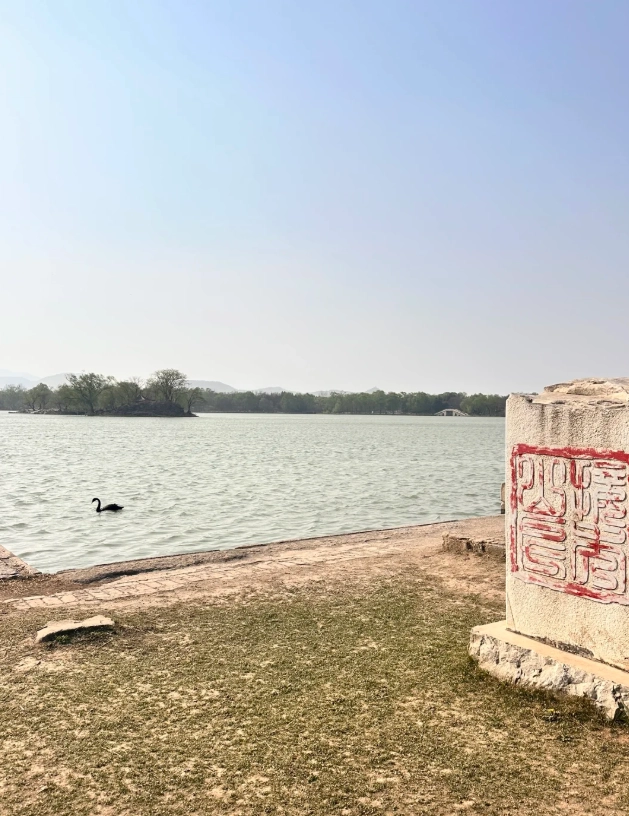
The Labyrinth
A reconstructed stone maze based on the original. It’s fun for a five-minute detour. Local kids love running through it. Stand on the central platform—this is where the emperor would sit and watch concubines race through with lanterns.
The Ruins of the European Palaces
This is the postcard spot. The shattered marble columns of the Great Fountain and the Haiyantang facade are the most photographed. Look closely at the stonework—you can still see the intricate carvings of shells and scrolls, a bizarre fusion of European Baroque and Chinese craftsmanship. This area gets packed between 10 AM and 2 PM. For emptier shots, come early or late.
The Lakes and Gardens
After the ruins, head south towards the vast central lake, Fuhai. This is the "park" part of Yuanmingyuan. You can rent a paddleboat (about 60-80 RMB per hour) or simply walk the paths. In autumn, the maple trees here are spectacular. It’s a peaceful contrast to the stark ruins.
Practical Info: Tickets, Hours, and Insider Tips
Here’s everything you need to plan, distilled into one clear table.
| Item | Details | Notes |
|---|---|---|
| Ticket Prices | General Park Ticket: 10 RMB (Adult) Ruins Area Ticket: 15 RMB (Adult) Combined Ticket: 25 RMB (Adult) Children under 1.2m: Free |
You must buy the combined ticket to see the European ruins. Buy it at any gate. They accept WeChat Pay, Alipay, and cash. |
| Opening Hours | April - October: 7:00 AM - 7:00 PM November - March: 7:00 AM - 5:30 PM (Last entry 1 hour before closing) |
The ruins area has the same hours. The light is best for photography in the morning or after 4 PM. |
| Address | 28 Qinghua West Road, Haidian District, Beijing, China. | Copy this for your taxi driver or mapping app. |
| Time Needed | Minimum 2.5 hours. A comfortable, thorough visit takes 3.5-4 hours. | This includes walking time between sections. It’s huge. |
What to Bring (And What to Leave at the Hotel)
Do Bring: Comfortable walking shoes (I can’t stress this enough—it’s all uneven paths and gravel), a water bottle (there are kiosks, but they’re spaced out), sunscreen and a hat (shade is limited in the ruins section), some snacks.
Don't Bother: Heavy guidebooks. Use your phone. An audio guide (they’re low quality). Instead, read the placards or use a reliable app like TravelChinaGuide for context.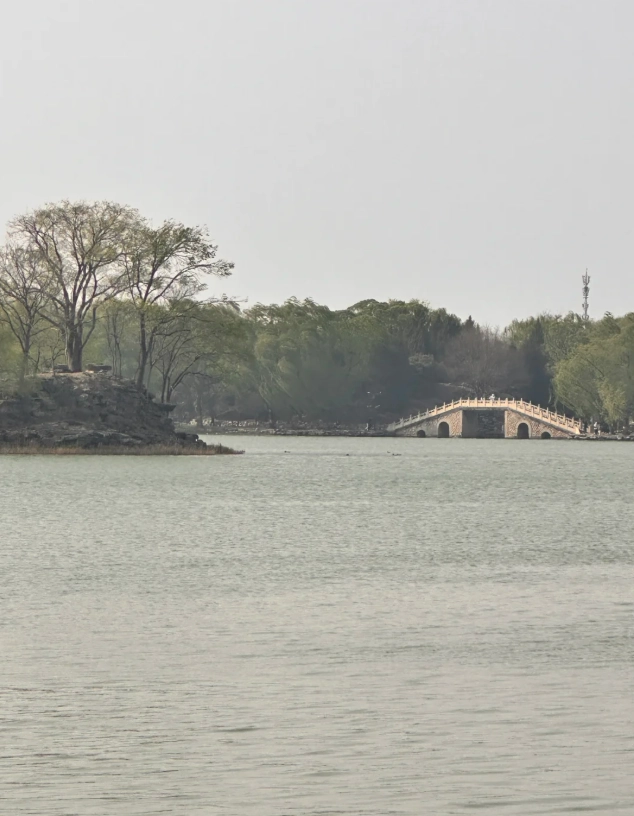
Frequently Asked Questions (From My Tour Groups)
Is Yuanmingyuan Park suitable for young children?
It’s a tough sell for under-8s. There’s little to actively engage them—no playgrounds, few places to run safely near the ruins. For older kids (10+) who can grasp the history, it can be a powerful lesson. If you do bring little ones, manage expectations, bring snacks, and maybe promise the boat ride at Fuhai Lake as a reward afterwards.
Can I visit Yuanmingyuan Park and the Summer Palace in one day?
Physically possible, but mentally and physically exhausting. They are close (one subway stop apart), but each deserves half a day. You’ll suffer from "palace fatigue." If you’re determined, do the Summer Palace in the morning (it’s more visually stunning), have lunch in between, then visit Yuanmingyuan in the afternoon for 2-3 hours focusing only on the European ruins section via the East Gate. It’s a marathon, not a sprint.
Is there any shade or places to sit down?
The ruins section has very little shade—you’re exposed on wide gravel paths. The garden areas around the lakes have plenty of trees and benches. Plan accordingly. If you visit on a hot day, do the ruins first thing in the morning, then retreat to the shaded lakeside paths for the rest of your visit.
Are there food options inside the park?
Yes, but they’re basic and overpriced. You’ll find small kiosks selling instant noodles, sausages, ice cream, and bottled drinks. There are no proper sit-down restaurants. My standard advice: Eat a good breakfast, bring some nuts or fruit, and plan for a proper meal outside the park afterwards. The Wudaokou area, one subway stop north, has fantastic Korean and student-friendly eateries.
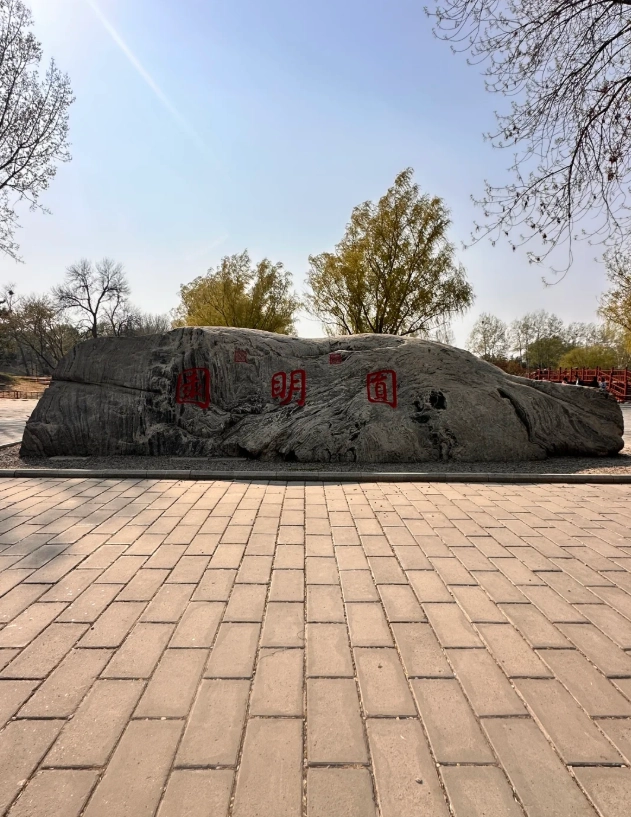 So, back to the big question. Is Yuanmingyuan Park worth visiting? If you approach it as a thoughtful walk through history rather than a tick-box attraction, if you wear the right shoes, enter from the right gate, and go with the right mindset—then yes, it can be one of the most memorable parts of your Beijing trip. It’s a place that asks you to feel, not just see. If that sounds like your kind of experience, you know where the East Gate is.
This article has been fact-checked against official park information and my own on-the-ground experience. Park policies and transport details can change, so always double-check with official sources like the Beijing Municipal Government website for any last-minute updates before your visit.





No comments yet.