 Hui Lin
Let me paint you a picture. You're imagining the Great Wall. You're probably picturing a sea of people, selfie sticks blocking every view, and a sense of historical wonder crushed under the weight of modern tourism. That's Badaling, the one every tour bus goes to. Now, erase that image. I want to talk about Mutianyu.
I remember the first time I diverted a skeptical American family from their packaged Badaling tour to Mutianyu. The husband kept checking his watch, worried about "missing the famous part." Two hours later, they were the ones begging to stay longer, having found a quiet watchtower all to themselves, with a view of forested peaks rolling into the distance that looked straight out of a classical painting. That's the Mutianyu difference. It's the Wall for people who actually want to experience it.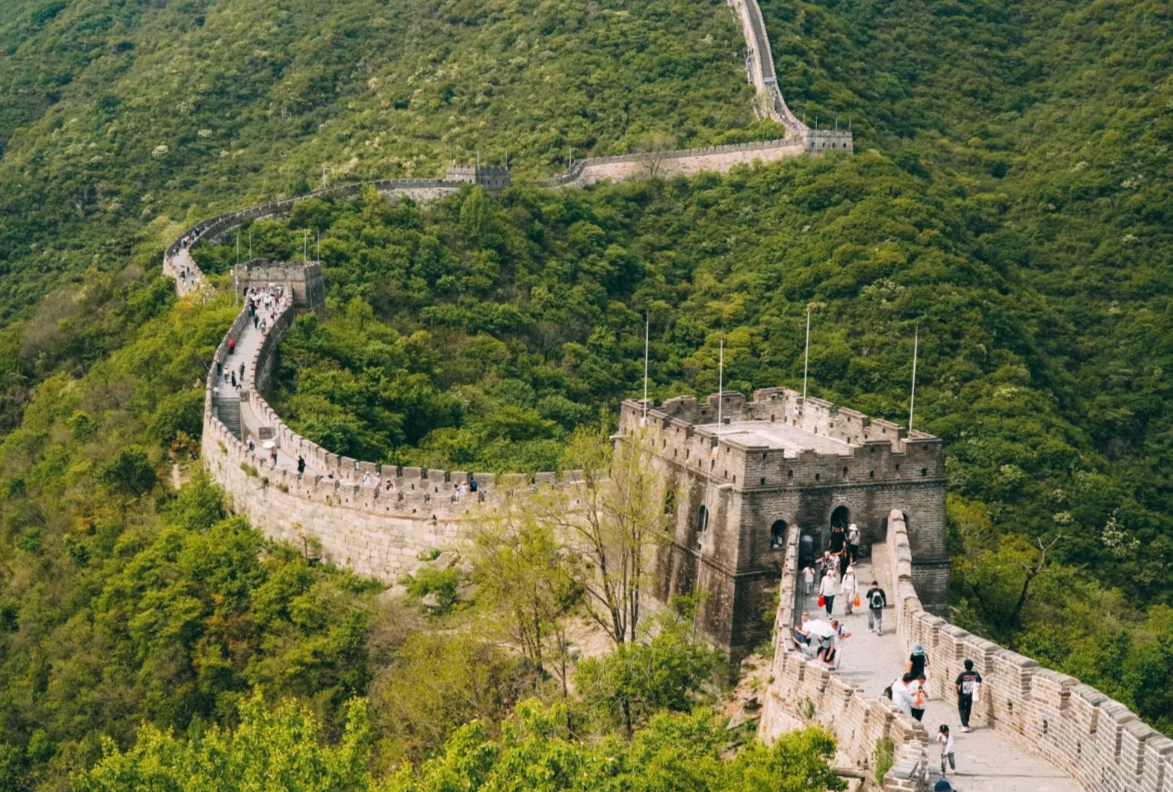
Your Quick Trip Planner
Why Mutianyu Beats the Other Sections Hands Down
This isn't just my opinion; it's the consensus among Beijing locals and seasoned expats. While Badaling is closest to the city and therefore the most convenient for large tours, it sacrifices everything for that convenience. Mutianyu, about 90 minutes northeast of downtown Beijing, offers a balanced, superior experience.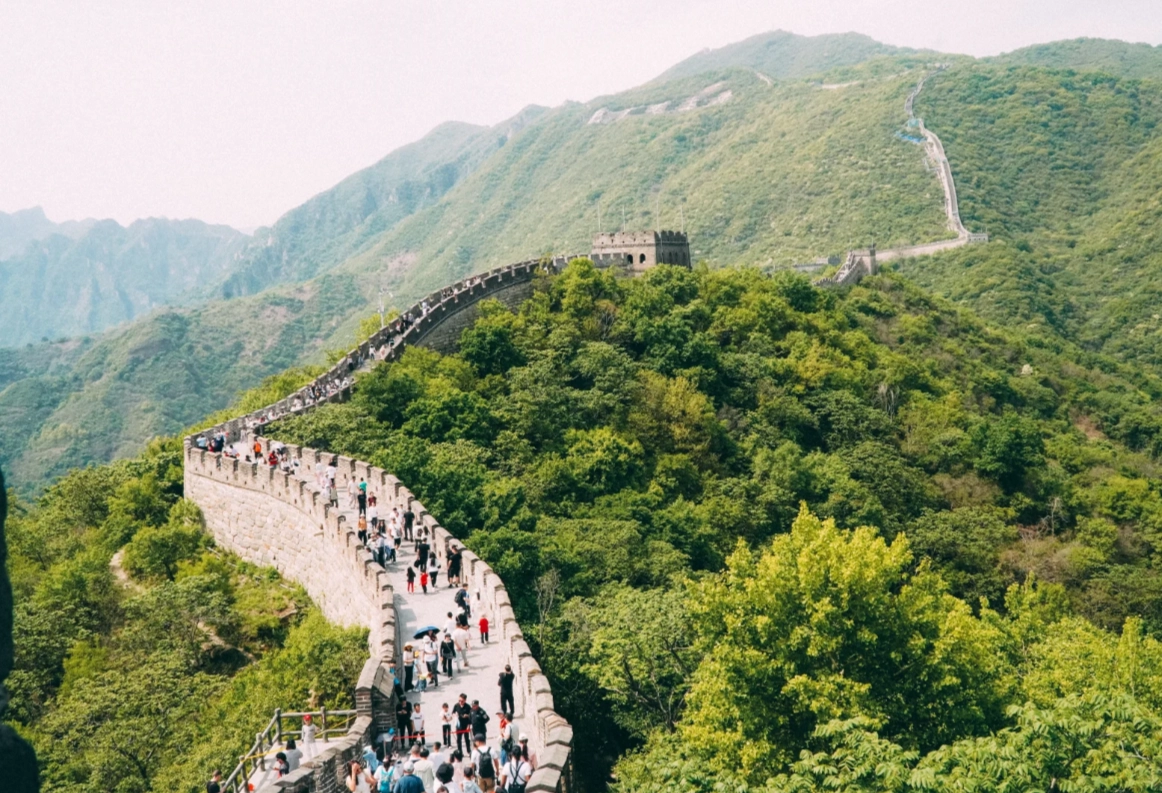
The Crowd Factor (Or Lack Thereof)
This is the biggest sell. Mutianyu is long—over 2 kilometers of restored wall open to the public—which naturally spreads people out. Even on a busy Chinese public holiday, you can find moments of solitude by walking just 15-20 minutes away from the main cable car stations. On a regular weekday morning? You might have a whole watchtower to yourself. The vibe is contemplative, not chaotic.
Scenery That Actually Looks Like the Postcards
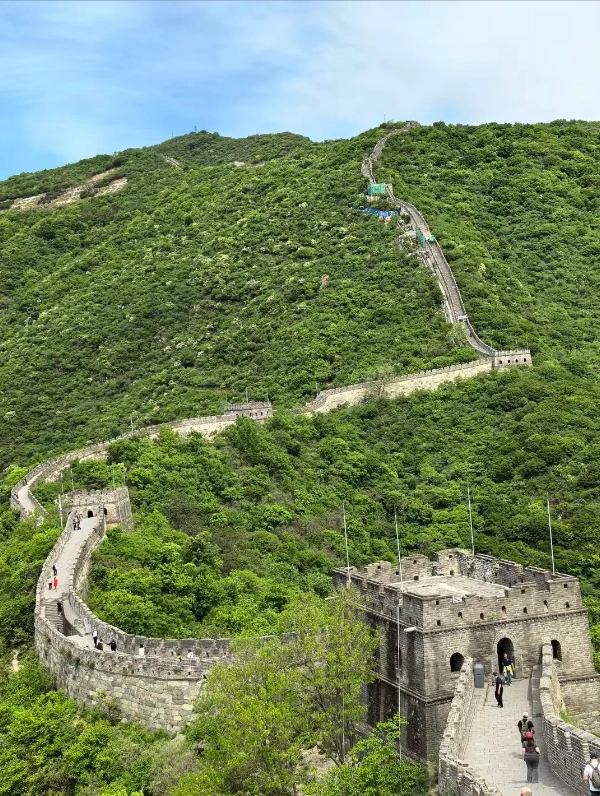
Mutianyu is nestled in dense forest. The Wall here snakes over rugged, green mountains rather than bare hills. The visual texture is incredible, especially in autumn when the leaves turn fiery red and gold. The restoration work is also considered some of the best, maintaining a historic feel without being dilapidated.
Unbeatable Visitor Amenities
This is the clincher. Mutianyu has a fully paved access road from the parking lot to the wall base. That means no treacherous, slippery paths for the first half-hour of your hike. More famously, it offers multiple ascent options: a modern cable car (Cable Car #1) on the south side, a ski-lift style chairlift on the north side, and, of course, the stairs. And for the descent? The legendary alpine slide toboggan. You haven't lived until you've coasted down the mountain alongside the Great Wall.
How to Get to Mutianyu: All Your Transport Options Decoded
Getting there is half the battle. Here’s your cheat sheet, from easiest to most economical.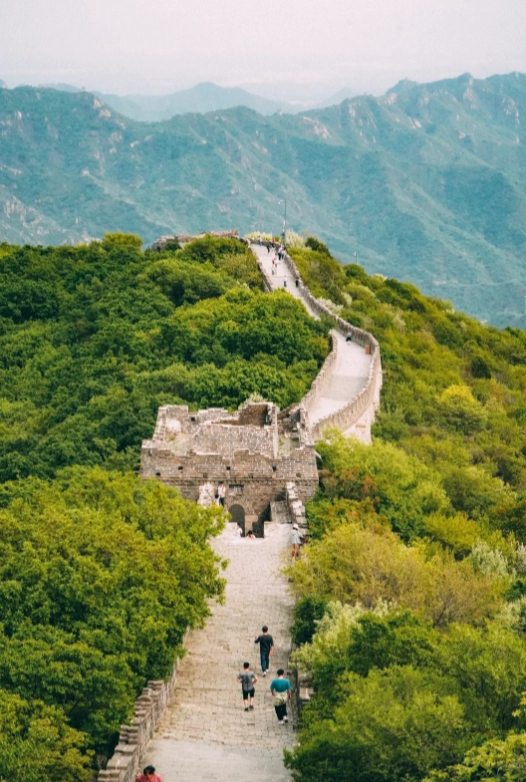
Option 1: The Private Driver (My Top Recommendation for Groups)
For families or groups of 3-4, this is the most flexible and stress-free way. You can book a car for the day through hotel concierges or apps like Didi (China's Uber).
Cost: Around 600-800 RMB for a standard sedan for the round trip, including waiting time.
Time: 75-90 minutes each way from central Beijing (like Wangfujing).
Why it wins: Your driver drops you at the tourist shuttle bus terminal in the main parking lot. From there, it's a compulsory 5-minute shuttle bus ride (included in your ticket) to the foot of the mountain. They'll wait for you all day. You leave when you're tired, not when a bus schedule says so.
Option 2: The Tourist Bus (The Best DIY Public Transport)
For years, the public bus route was a headache. Now, there's a dedicated, comfortable tourist bus.
Departure Point: Dongzhimen Public Transport Hub. Find the outdoor bus bay. Look for signs saying "Mutianyu Great Wall" or ask for Bus 867 (but confirm it's the direct tourist service, as route numbers can change).
Cost: Approximately 30 RMB per person, each way.
Time: About 2 hours, depending on traffic.
The Catch: It runs on a fixed schedule, usually with limited morning departures and afternoon returns. You must check the latest timetable on the day you go. Missing the last bus back means an expensive taxi.
Option 3: The Train (The Scenic & Quirky Choice)
This is for the adventurous soul. Take the Beijing North Railway Station (Beijingbei Zhan) to Yanqi Railway Station. It's a charming, old-fashioned train ride through the suburbs.
Then What? You'll need to take a local taxi from Yanqi Station to the Mutianyu parking lot (about a 15-20 minute ride). Coordinate your train and taxi times carefully—this option requires planning.
Option 4: Organized Tours
Many companies offer Mutianyu tours. The good ones handle transport and tickets. The bad ones are rushed and include forced shopping stops. Always read the fine print: if it says "visit a jade factory" or "tea ceremony," you're losing precious Wall time. Look for tours that advertise "no shopping" and offer at least 3 hours of free time on the Wall itself.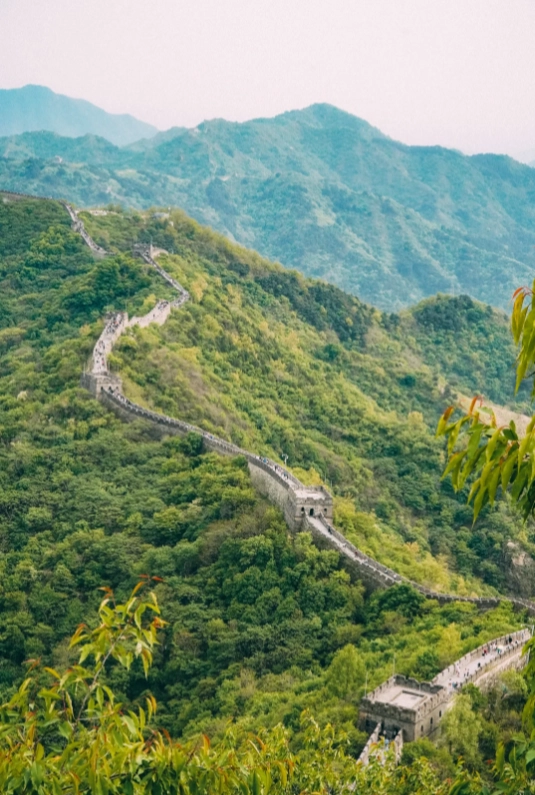
On-the-Ground Tactics: Tickets, Cable Cars, and That Toboggan
You've arrived. The parking lot is chaotic. Here's how to navigate it like a pro.
| Item | Cost (Approx.) | Key Details & Pro Tips |
|---|---|---|
| Entrance Ticket | 45 RMB (Adult) 25 RMB (Student/Child) |
Buy this FIRST at the main ticket windows. You need it to access anything else. Keep it safe. |
| Cable Car #1 (Round Trip) | 140 RMB | Modern, enclosed gondola. Takes you to Tower #14. The smoothest, most accessible option. Buy at the cable car station. |
| Chairlift (Up) & Toboggan (Down) Combo | 140 RMB | This is the fan-favorite combo. Chairlift to Tower #6. Toboggan down from Tower #6. The toboggan is a controlled slide—you use a brake lever. It's safe, fun, and utterly unique. |
| One-Way Ticket (Any lift) | 100 RMB | Perfect if you want to hike one way. I often recommend chairlift up, hike to Tower #14, then cable car down. |
The Strategic Choice: Your entry point defines your hike.
- Enter at Tower #14 (via Cable Car #1): You're in the middle of the restored section. You can hike west towards the steeper, quieter towers (#15 to #20, with #20 being the highest point), or east towards the more gentle slope to Tower #6. Hiking from #14 to #6 is mostly downhill.
- Enter at Tower #6 (via Chairlift): This is the end of the restored section heading east. You can hike west uphill towards #14, or explore the shorter, easier stretch east from #6. This is a great starting point for families with younger kids.
Crafting Your Perfect Day: Itineraries for Every Traveler
The Classic One-Day Blitz (For the First-Timer)
This assumes a private car or early tourist bus.
8:00 AM: Depart Beijing.
9:30 AM: Arrive, buy entrance + chairlift/toboggan combo ticket.
10:00 AM: Ride the chairlift to Tower #6. Soak in the view.
10:15 AM - 1:30 PM: Hike west from Tower #6 towards Tower #14. This is an uphill but manageable hike with phenomenal vistas. Take your time, explore the watchtowers. Turn back whenever you feel like it.
1:30 PM: Arrive at Tower #14. Buy a one-way cable car ticket down.
2:00 PM: Grab lunch at one of the restaurants in the village below the parking lot (simple Chinese fare, noodles, fried rice).
3:00 PM: Head back to Beijing. You'll be exhausted and happy.
The Family-Friendly Half-Day
With kids, less is more.
Option A (Thrill-Seekers): Chairlift to #6, let the kids run around the immediate area, explore one or two watchtowers, then ride the toboggan down. The toboggan alone makes the trip a win for them.
Option B (Easy Views): Cable car to #14, walk a short distance in either direction on the relatively flat section near the tower, enjoy a picnic, cable car down.
What to Bring (And What to Leave)
Must-Haves: Sturdy walking shoes (the steps are uneven), sunscreen and a hat (shade is scarce on the wall), plenty of water (you can buy it there, but it's pricier), some snacks, cash (for tickets and small vendors).
Leave Behind: Heavy backpacks, fancy clothes. There are bathrooms at the base and near Tower #14 and #6, but they're basic. Use the ones at the main parking lot before you get on the shuttle bus.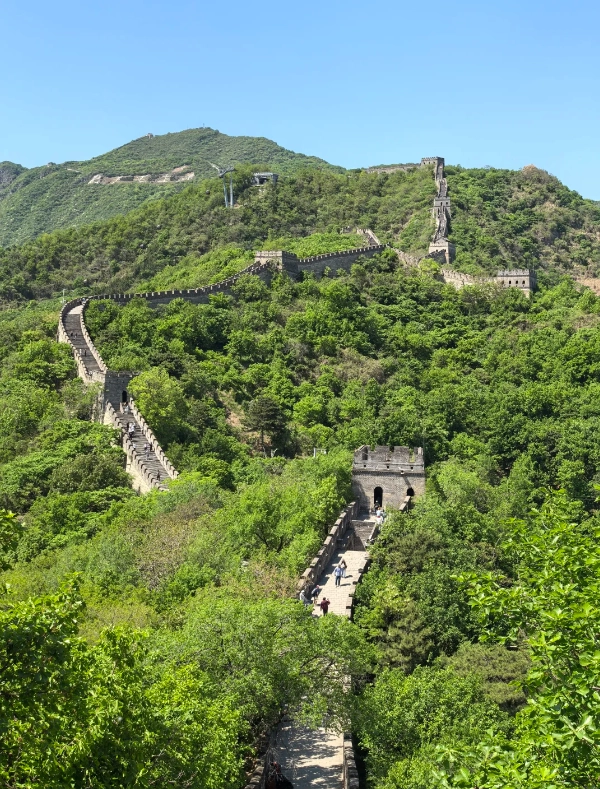
Mutianyu FAQ: Your Questions, My Blunt Answers
Is Mutianyu suitable for elderly visitors or young children?
Absolutely, more so than any other section. The cable car and chairlift eliminate the hardest part—the climb up the mountain. Once on the wall, the section between Towers #14 and #15 is relatively flat and wide. For the very young or old, simply enjoying the view from the platform at Tower #14 after the cable car ride is a worthy experience. The toboggan has a minimum height requirement (usually around 130cm/4'3"), so check that if it's a key attraction for your kid.
What's the deal with the toboggan? Is it safe or just a tourist trap?
It's legitimately fun and safe. It's a stainless steel slide with a brake lever you control—pull back to stop, push forward to go. Attendants regulate the spacing between riders. It's not a roller coaster; it's a smooth, winding descent through the trees. Is it historically relevant? No. But after a few hours of hiking, it's a joyful and memorable way to end your visit. I've taken senior citizens on it who giggled the whole way down.
Should I visit Mutianyu in winter?
Winter is my secret favorite time. The crowds are minimal, and seeing the Wall dusted with snow is magical. However, it comes with challenges. The wall can be icy and dangerously slippery. The cable cars and chairlifts operate in light snow but close in heavy weather. Dress in serious layers, wear shoes with excellent grip, and check the weather forecast diligently. The toboggan usually still operates in winter, which is a unique cold-weather thrill.
 How does Mutianyu compare to Simatai or Jinshanling?
Simatai and Jinshanling are farther away (2.5+ hours from Beijing) and are known for their "wild," less-restored states. They are for serious hikers seeking a rugged, authentic challenge. Mutianyu offers the perfect middle ground: superb restoration for comfort and safety, stunning scenery, and great amenities, but with a sense of authenticity and space that Badaling lacks. For 95% of visitors, Mutianyu is the ideal choice.
Where can I eat? The food options look questionable.
You're right to be cautious. There are no gourmet restaurants. Your best bets are:
1. The Commune by the Great Wall: A high-end hotel complex at the base of Mutianyu. Their restaurants are clean, serve good Western and Chinese food, but are pricey. A nice splurge.
2. Small Village Restaurants near the parking lot: Look for places with more locals. Stick to simple, hot dishes like noodle soup (miantiao), fried rice (chaofan), or dumplings (jiaozi). Avoid elaborate seafood or cold dishes.
My standard move? I eat a big breakfast in Beijing, pack energy bars and fruit, have a late lunch back in the city. It saves time and avoids stomach issues.
Look, at the end of the day, the Great Wall is a physical and symbolic monument. At Mutianyu, you get to connect with both—the physical act of walking its stones and the symbolic awe of its history—without the distraction of a thousand other tourists doing the same. It's the Wall experience you actually came to China for. Trust me on this one.
This article is based on my personal, repeated visits and client tours over the years. Details like pricing and transport schedules should be verified closer to your travel date, but the core experience remains timeless.





No comments yet.