 Bo Wu
Bo Wu
Let me tell you something most travel blogs won't: the first time you walk out of the Olympic Park subway station and see the Bird's Nest, it doesn't feel real. It's like a giant sculpture someone left in a park. I've been guiding tours here for over a decade, and I still catch my breath. But here's the kicker—most visitors just snap a photo from outside and leave, missing about 80% of what makes this place incredible. They follow the herd, pay for the basic walk, and walk away with a nice picture but zero stories.
My job is to make sure you're not one of them. This isn't just a stadium; it's a living piece of engineering and cultural history. Whether you're a sports fanatic, an architecture nerd, or just someone who wants to tick off a Beijing must-see, I'll show you how to do it right. We'll cover how to save money (and time), where to find the angles that make professional photographers jealous, and even a few spots most Beijingers don't know about.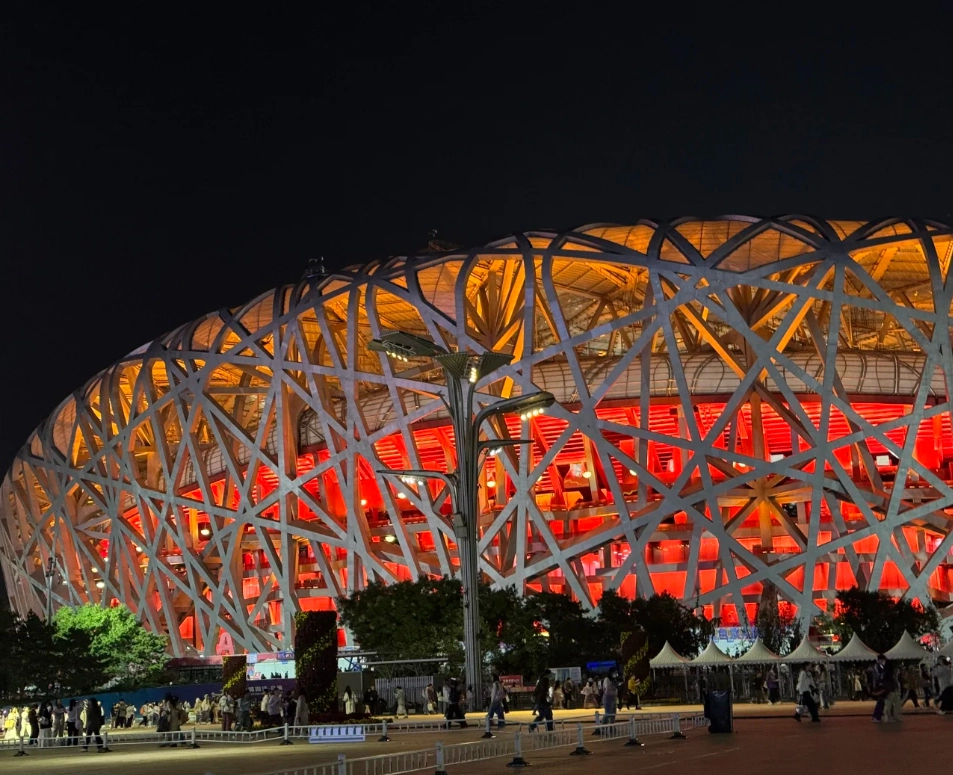
Your Bird's Nest Navigation
Why Visit Beyond the Photo Op?
Sure, you can see it from the outside for free. But walking into the bowl of the National Stadium is a completely different sensory experience. The scale hits you. The intricate lattice of the steel structure, which gives it the "Bird's Nest" name, isn't just a facade—it's the entire load-bearing skeleton. Architects Herzog & de Meuron and artist Ai Weiwei created something that feels both impossibly heavy and delicately light.
More importantly, it's a living venue. It's not a museum frozen in 2008. I've taken clients to winter sports events here, concerts, and even marathons that finish on the track. Checking the event schedule before you go can transform your visit from a historical tour to a live cultural experience. The energy during a soccer match is electric, and it's a side of Beijing life few tourists see.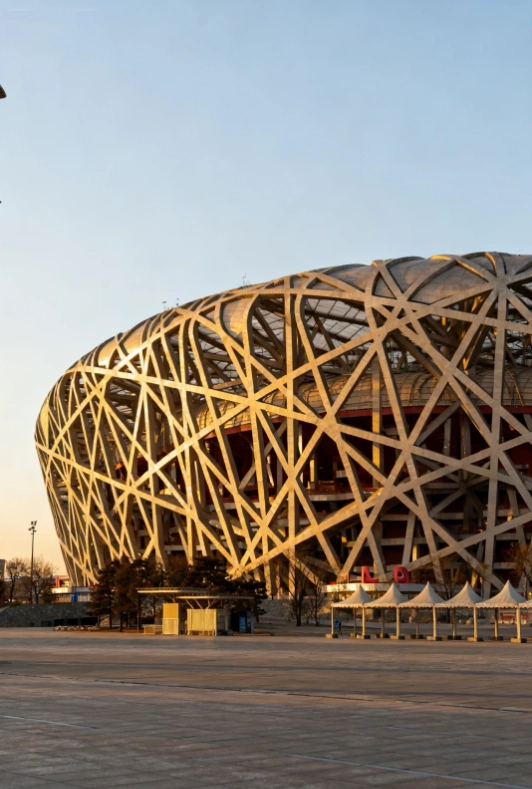
Local's Context: For Beijingers, the Bird's Nest and the surrounding Olympic Green symbolize a pivotal "coming of age" moment for the city on the world stage. It's less about the Games themselves now and more about civic pride and a transformed northern part of the city that was mostly empty fields before 2008.
Planning Your Visit: Tickets, Times & Beating the Crowds
This is where you can save yourself a headache. The basics are simple, but the devil's in the details.
My Top Tip: Never buy tickets from touts outside the subway station. They sell overpriced, sometimes fake combo tickets. Always walk to the official ticket windows on the north side of the stadium, near the entrance.
| Ticket Type | Price (Approx.) | What It Gets You | Best For... |
|---|---|---|---|
| Basic Admission | 50 RMB (Adult) 25 RMB (Child) |
Access to the stadium stands, field-level viewing (from a designated perimeter), basic exhibition areas. | First-time visitors on a budget who just want to see the interior scale. |
| VIP Tour / Access | 80-110 RMB | Everything in Basic, PLUS access to the VIP lounge areas, locker rooms, press conference podium, and sometimes a guided walk on the actual athletic track (depends on event schedule). | Sports fans and anyone wanting the "behind-the-scenes" feel. This is the one I recommend most. |
| Event Ticket | Varies Widely | Entry to a specific game, concert, or show. This is your ticket to the venue and you can explore the public areas before/after. | If your dates align with an event, this is the absolute best value and experience. |
Opening Hours: Generally 9:00 AM - 7:00 PM (last entry 6:00 PM). Hours can extend for evening events. No major weekly closing day, but always check ahead for unexpected closures for private events or maintenance. I once showed up with a family only to find it closed for a corporate run—lesson learned.
Crowd-Beating Strategy: The worst time is weekend afternoons, especially in summer. Aim for a weekday morning right at 9:00 AM. You'll have the place nearly to yourself for an hour. The second-best window is after 4:30 PM. Most big tour buses are heading out, and the light is turning golden for photos.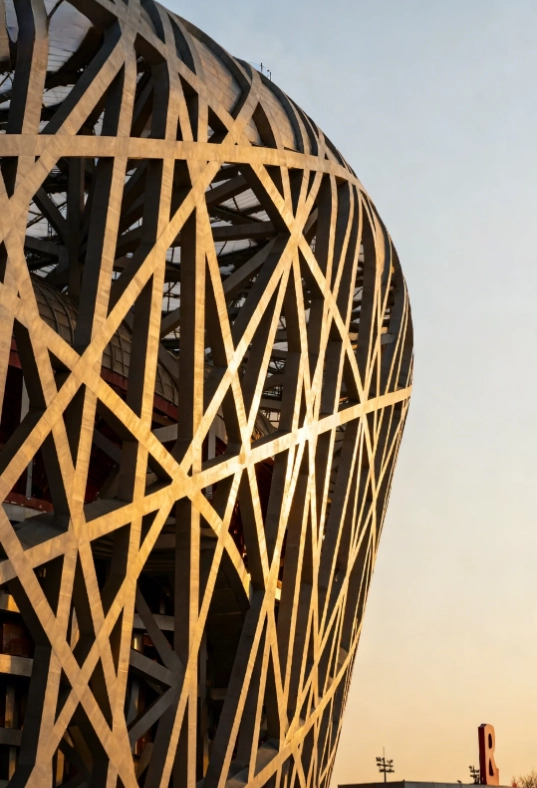
How to Get There Without the Hassle
The address is straightforward: 1 National Stadium South Road, Chaoyang District, Beijing. But plugging that into a map app is only half the battle.
By Subway (Easiest & Recommended): Take Line 8 to Olympic Sports Center Station or Olympic Green Station.
- From Olympic Sports Center Station (Exit B2): You'll come up right at the southwest corner of the complex. It's a 5-7 minute walk straight north to the stadium's main southern plaza. You'll pass local families flying kites—a nice scene.
- From Olympic Green Station (Exit D or E): This drops you deeper into the Olympic Green park. You'll walk south towards the stadium, with the Water Cube on your right. It's a slightly longer walk (10 mins) but more scenic through the park.
By Taxi/Ride-Hail (Didi): Tell the driver "Niao Chao" (Bird's Nest). The most convenient drop-off is at the south entrance on National Stadium South Road. There's a designated taxi zone. Pro tip: After your visit, getting a taxi from here can be chaotic. Walk 5 minutes north towards the shopping mall (Beijing National Stadium North) or the China National Convention Center to find easier pick-up spots.
Avoid the Bus unless you're an adventurous local transit enthusiast. The traffic on Beichen Road can be unpredictable, and the subway is faster and air-conditioned.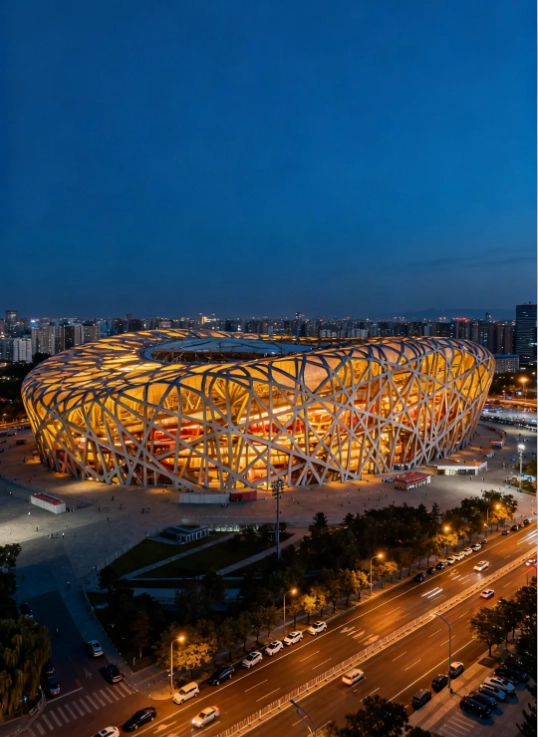
Inside the Nest: What to Actually Do & See
Don't just wander. Have a plan. Here’s how I structure a 90-minute visit for my small groups.
First Stop: The Stands & The View
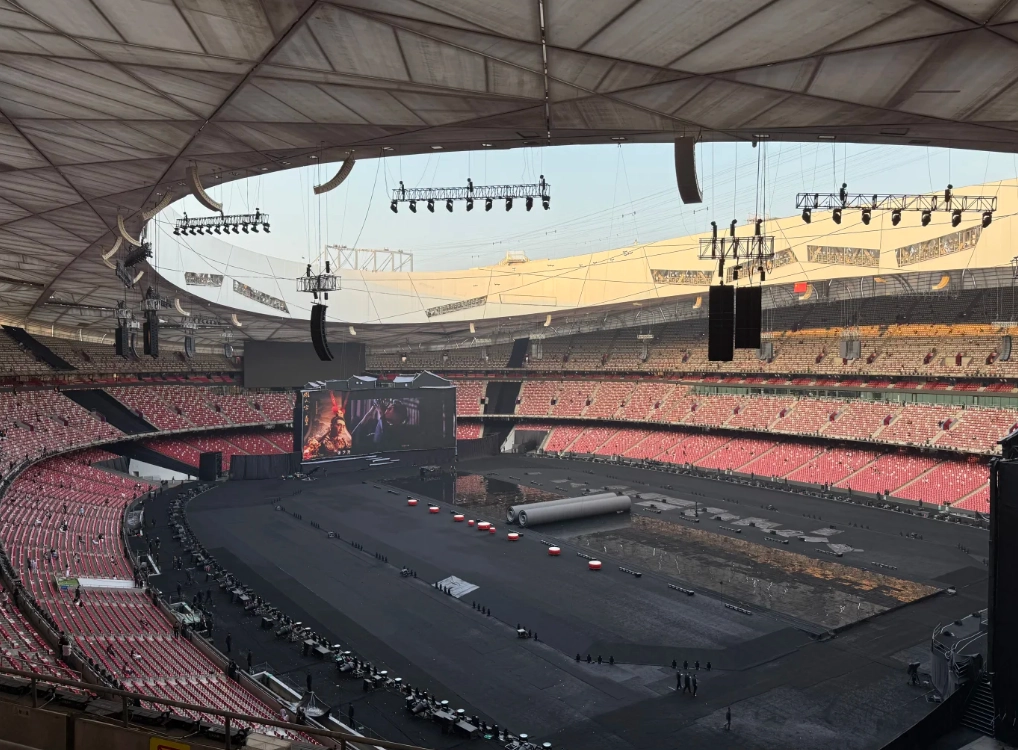
Head straight up the ramps to the mid-level stands (around section 104 or 124 for a symmetrical view). Sit down. Take it in. Look at the steel web enveloping you. This is the moment. Most people rush to the field level first, but seeing the entire canvas from above is more dramatic.
Second Stop: Field Level & The Track
Walk down to the perimeter of the field. If you have the VIP ticket, you might get to step onto the rubberized track. Feel the spring. Look back up at the 91,000 seats. This is the athlete's perspective. There's usually a photo op set up here with the Olympic rings.
Third Stop (The Hidden Gem): The Corridors & Exhibits
Most visitors miss this. In the bowels of the stadium, accessed from the concourse level, there are small, often quiet exhibits. You'll find scale models of the stadium's design, artifacts from the opening ceremony (like the giant scroll), and explanations of the sustainable engineering (rainwater collection, natural ventilation). It's not the Louvre, but it adds a layer of understanding. I found it by accident years ago when looking for a bathroom that wasn't crowded.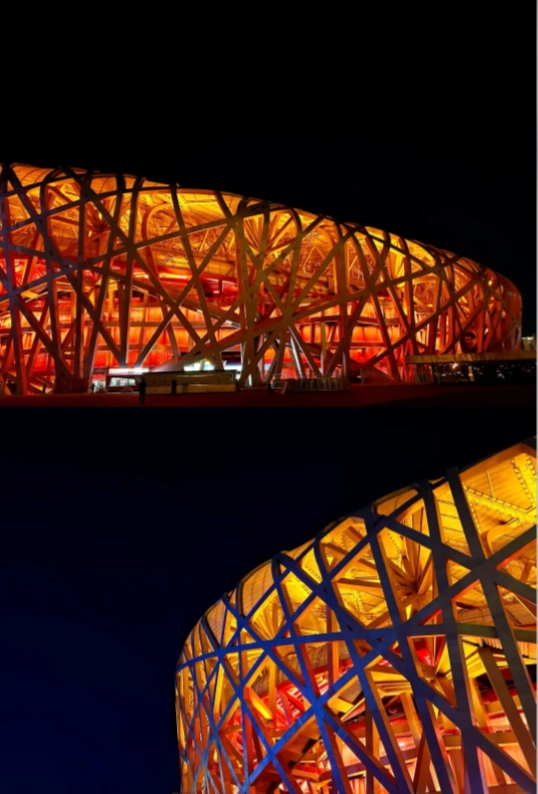
Fourth Stop: The Souvenir Shop
Skip the generic shops outside. The official one inside (near the north exit) has better quality merch. Look for the mini Bird's Nest models made from recycled stadium steel—they're a unique, if slightly pricey, souvenir.
A Tour Guide's Photo Secrets
Everyone takes the same shot from the south plaza. Yawn. Here’s where I take my clients for shots that will make your friends ask, "Wait, where was that?"
The Reflection Shot: On the west side of the stadium, there are long, shallow pools of water. Crouch down and shoot the stadium's reflection in the water on a calm day. It doubles the drama.
The Steel Web Detail: Get close. I mean, really close to the outer steel beams at the northeast corner. Use a wide-angle lens or your phone's ultra-wide mode to shoot up along the twisting metal. It creates an abstract, powerful image.
The Golden Hour Portrait: About 45 minutes before sunset, stand on the steps of the China National Convention Center (north of the Bird's Nest). You can get the entire stadium, bathed in warm light, with your subject in the foreground. The light is soft and flattering.
What to Avoid: Midday bright sun. It creates harsh shadows on the lattice and washes out your photos. The south side is completely backlit in the afternoon. Morning light from the east is your best friend for exterior shots.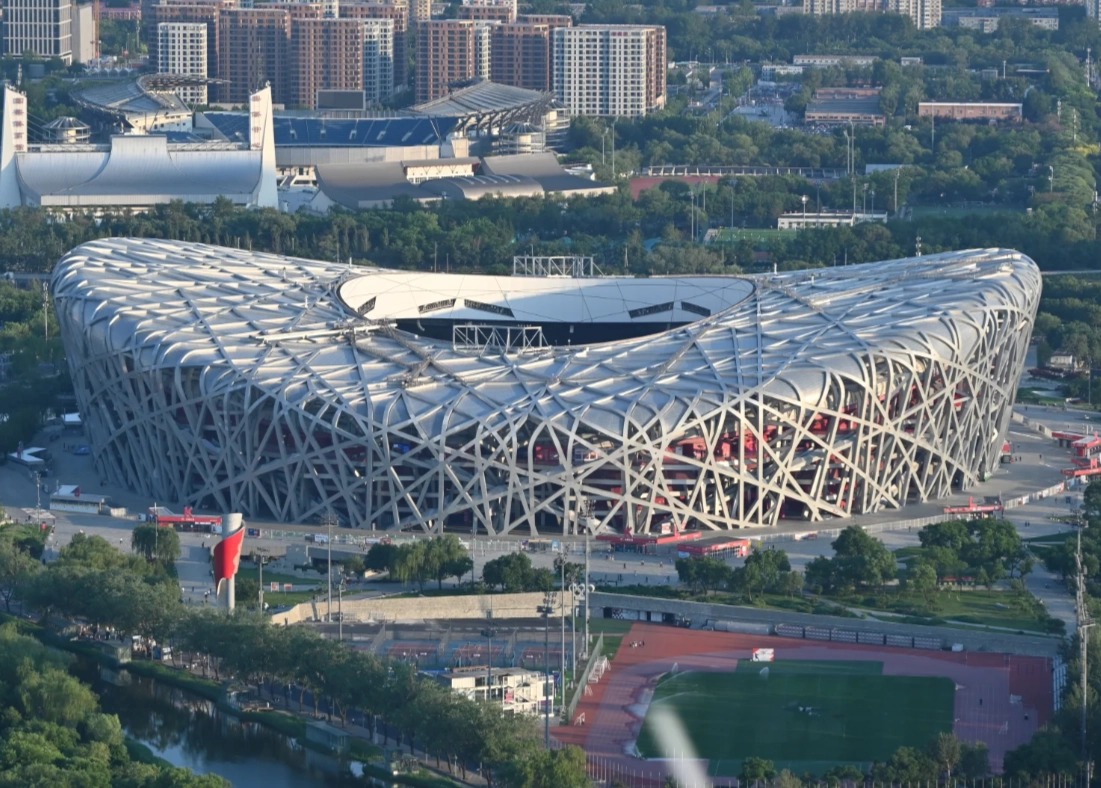
The Smart Combo: Bird's Nest & Water Cube in One Trip
You can't talk about one without the other. The Water Cube (now officially the National Aquatics Center) is literally across the plaza.
The Smart Plan: Visit the Bird's Nest in the morning (9 AM - 11 AM). Walk across to the Water Cube. Its interior has been transformed into an incredible water park (Water Cube Waterpark) and leisure pools. You can buy a combo ticket sometimes, but often it's easier to buy them separately at each venue. A ticket for the Water Cube water park gives you access to see the main competition pool area as well.
Lunch Break: Don't eat at the overpriced tourist cafes right next to the landmarks. Walk 10 minutes north to the Malls at Olympic Green (like the one under the Ling Long Pagoda). You'll find everything from local noodle joints to Starbucks, with normal city prices and cleaner bathrooms.
This combo gives you architecture, history, and fun—a perfect full-day itinerary for families or groups with mixed interests.
Your Questions, My (Blunt) Answers
Is the Bird's Nest worth visiting if I'm not into sports or architecture?
It depends on your time. If you have 3+ days in Beijing, yes, because it's a landmark that defines modern Beijing's skyline as much as the Forbidden City defines its history. The sheer scale is impressive to anyone. If you're on a tight 24-hour layover, prioritize the Forbidden City and Temple of Heaven. But if you're nearby at the Summer Palace, a short subway ride can get you here for a powerful contrast between old and new China.
What's the one thing most tourists regret not knowing before their visit?
How much walking is involved. The Olympic Green is massive. From the subway to the stadium, around it, inside it, and then over to the Water Cube—you'll easily clock 5-8 km (3-5 miles) on a full visit. Wear comfortable shoes. Seriously. I've handed out more blister pads than I can count.
 Can you go up on the roof or the top of the structure?
No, regular public access to the upper roof structure isn't allowed for safety reasons. The VIP tour gets you to higher lounge levels with better views down into the bowl, but not onto the external "twigs." The best elevated public view is from the stands themselves.
Is the area safe and easy to navigate for solo travelers or families with young kids?
Extremely safe. It's a well-patrolled, open public park. It's also very stroller and wheelchair-friendly with wide, smooth pavements and ramps everywhere. The main challenge is the lack of shade on the wide plazas in summer—bring hats, sunscreen, and water. There are few vendors selling drinks inside the park at reasonable prices, so buy water before you enter the main plaza.
How does visiting during a major event change the experience?
Completely. Access to the stands and field is restricted to your ticket's event area. You won't be able to roam freely to all the photo spots mentioned. However, you trade that for the electric atmosphere of a live crowd. For a first visit, I recommend a non-event day to explore. For a repeat visit or if you're a huge fan of what's on, go for the event. Check schedules on platforms like Damai.cn (a major Chinese ticketing site) or the stadium's official social media channels.
Look, the Bird's Nest isn't just a stop on a checklist. It's a testament to a moment, a piece of functional art, and a vibrant part of Beijing's present. With this guide, you're not going as a tourist following a herd. You're going as a traveler who knows where to walk, what to look for, and how to feel the place. That's the difference between taking a photo and having an experience.
Now go see it. And wear good shoes.
This article is based on firsthand experience and observations from over a decade of guiding international visitors in Beijing. Details regarding ticketing and access are subject to change; always verify on the official venue channels before your visit.





No comments yet.