 Bo Wu
Bo Wu
Let's be honest. The first time I took a group to the Old Summer Palace, or Yuanmingyuan, I saw the disappointment flash across a few faces. They'd just come from the Forbidden City, all gold and red and perfectly restored. Here, they saw mostly… foundations. Piles of carved stone. A vast, beautiful park with a heartbreaking story written in its broken columns.
But by the end of that day, after I'd explained not just what they were looking at, but how to look at it, that disappointment turned into a deeper, more thoughtful kind of awe. This isn't a palace you visit to see opulence. You come here to feel history, to understand a pivotal moment, and honestly, to enjoy one of Beijing's most peaceful and sprawling green spaces. As a guide who's navigated these paths in every season for years, I'm here to give you the keys to that experience. Forget the dry history books; this is how you actually visit the Old Summer Palace.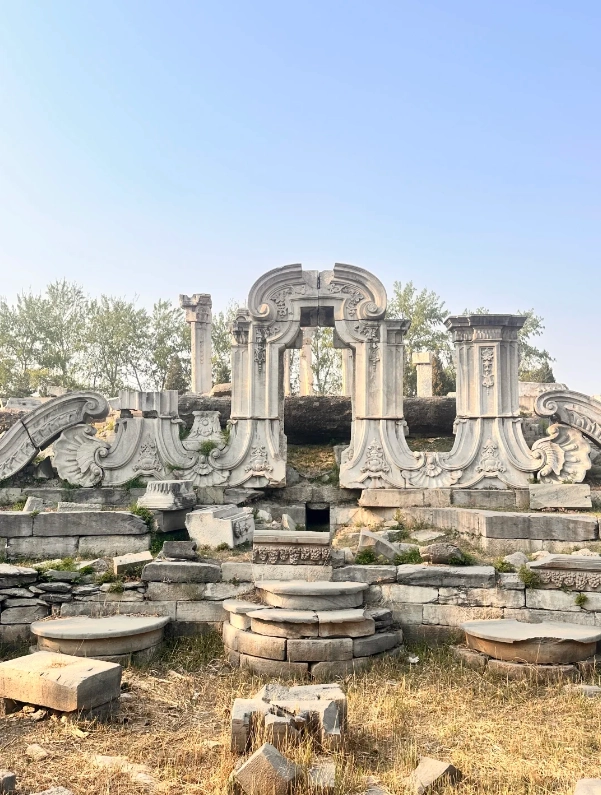
What's in This Guide?
What Is the Old Summer Palace, Really?
Most summaries will tell you it was a vast complex of palaces and gardens built over 150 years, looted and burned by British and French troops in 1860. That's true, but it misses the point for a visitor. Think of it like this: the Forbidden City was the formal, administrative heart. The Old Summer Palace was the emperors' private playground—a place for art, relaxation, and imperial imagination run wild.
It incorporated European-style Baroque buildings (the famous Western-style ruins you see in photos), traditional Chinese pavilions, lakes, hills, and even a miniaturized landscape of China's great scenic spots. The destruction wasn't just about burning buildings; it was a deliberate erasure of a unique cultural fusion. When you walk here, you're not walking through a ruin. You're walking through a deliberately preserved scar on the landscape, which China has chosen not to fully rebuild as a permanent lesson.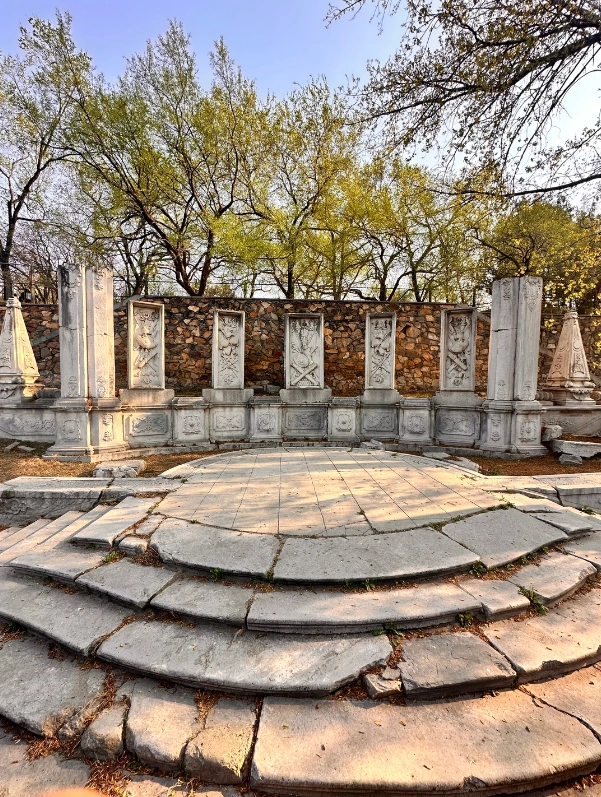
Local Insight: Many Chinese visitors have a deeply personal, almost solemn connection to this site. It's a staple of school trips. You might see parents quietly explaining the history to their kids. The mood is more reflective than at other tourist hotspots. I find that respecting that quiet contemplation makes the visit more meaningful.
Practical Info: Tickets, Hours & Getting There
Let's get down to brass tacks. This is the info you need to actually plan your day.
Address & Entrance Gates
The official address is No. 28 Qinghua West Road, Haidian District, Beijing. Don't plug that into your maps app for navigation—it's too vague. You need to know which gate you're targeting.
There are three main gates: South Gate (Changchun Yuan Palace Gate), East Gate, and Southwest Gate. For 95% of first-time visitors, I say go to the South Gate. Why? It's closest to the subway, has the main ticket office, and right inside is the essential Sand Table Model exhibition, which gives you the crucial bird's-eye view of the entire complex you'll never get on the ground. Without seeing this model, the scale and layout will confuse you.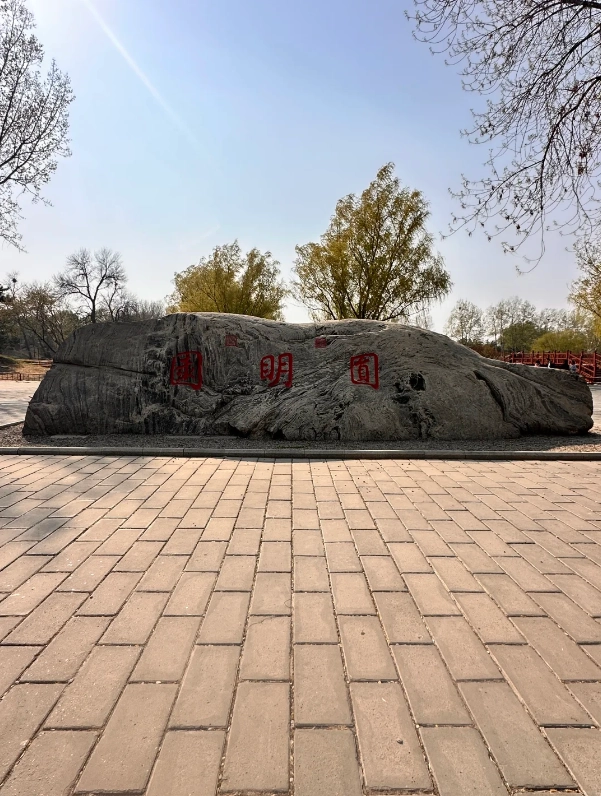
Ticket Prices & Hours
| Ticket Type | Price (Apr-Oct Peak) | Price (Nov-Mar Off-Peak) | Notes |
|---|---|---|---|
| Park Entrance Only | 10 RMB | 10 RMB | Gets you into the gardens. You need this plus the ruins pass. |
| Ruins Pass (Mandatory for main sites) | 25 RMB | 20 RMB | This is the key ticket for the Western-style ruins area. |
| Total Combo Ticket (Recommended) | 25 RMB | 20 RMB | This combines both. Just ask for the "combo ticket" at the window. |
Opening Hours: 7:00 AM – 7:00 PM (peak season, last entry 6:00 PM). 7:00 AM – 5:30 PM (off-season). The ruins areas close at the same time. Pro tip: The ticket windows close one hour before the park closure time. Don't cut it too fine.
How to Get There: The Foolproof Method
The absolute easiest way is the Beijing Subway. Take Line 4 (the light blue line) to Yuanmingyuan Station. Come out of Exit B. You'll see a pedestrian street. Walk straight north for about 4 minutes. You can't miss the grand, imposing South Gate arch. If you see a bunch of tour buses and people lining up, you're in the right place.
Taking a taxi? Tell the driver “Yuanmingyuan Nan Men” (South Gate). If you just say "Yuanmingyuan," they might drop you at a random gate, adding a 20-minute unnecessary walk to your day.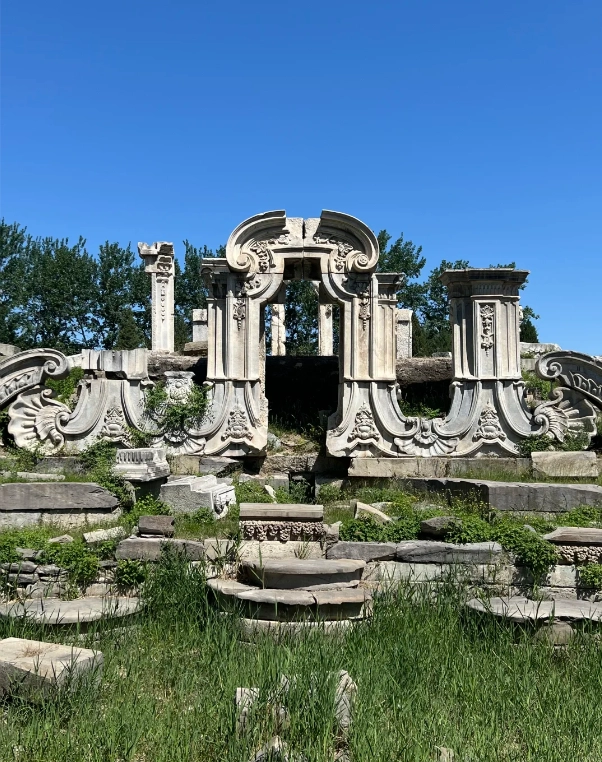
My Personal Routine: I always stop at the convenience store right outside Exit B of the subway. Grab a big bottle of water and some snacks. Once you're inside, vendor options are sparse and more expensive, and you'll be walking a lot. Also, the bathroom right by the South Gate ticket office always has a line. Use the ones inside the subway station before you exit.
How to Tour It: Routes for Different Paces
This place is enormous. You cannot see it all in one day without collapsing. You must choose a strategy. Here are my two recommended routes, based on a decade of shepherding groups.
The Half-Day "Essentials" Route (3-4 hours)
This is for most people. You get the history, the iconic photos, and a taste of the gardens without marathon fatigue.
- Start at South Gate. Buy your combo ticket. Immediately go see the Sand Table Model in the hall on your right. Spend 10-15 minutes here. It's not optional. This map in your head saves hours of confusion.
- Walk straight north through the gardens. Your goal is the Western-style Ruins (Xiyang Lou) area. It's a 15-20 minute pleasant walk. Follow the signs or the crowd.
- Explore the Ruins. This is the postcard spot—the broken marble columns of the Great Fountain, the maze of the Huanghuazhen. Budget a good 60-90 minutes here. Read the placards, imagine the scale. The Observation Tower offers the best overview photo op.
- Exit via the East Gate. After the ruins, instead of backtracking, walk east for 10 minutes to the East Gate. This gate is well-served by taxis and has several bus stops if you're tired of walking.
This route is efficient, covers the must-see, and gets you out without retracing your steps.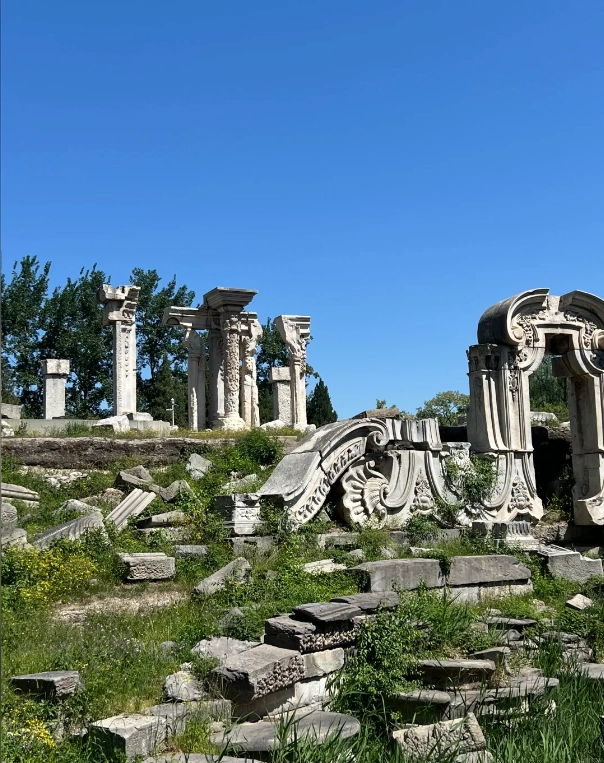
The Full-Day "Immersive" Route (5-7 hours)
You're a history buff, a landscape lover, or just have the stamina. This route adds the peaceful southern garden sections most tour groups skip.
- Follow the Half-Day Route through the Sand Table and the Western Ruins.
- After the ruins, do NOT exit. Instead, head south along the eastern shore of the Fu Hai Lake. This is where the park feels like a local's retreat. You'll see people fishing, painting, and flying kites.
- Cross the bridges and explore the Islands of the Immortals area. These reconstructed traditional Chinese pavilions on islands give you a glimpse of what the Chinese-style parts of the palace looked like.
- Find a bench by the lake, eat your packed snacks. The crowds are thin here.
- Loop back west and south, eventually making your way back towards the Southwestern parts of the park. You can exit from the Southwest Gate, which is a short walk from the Peking University campus, if you fancy a look.
Bring water, wear great shoes, and prepare for a lot of walking on uneven paths.
Hidden Details Most Visitors Miss
This is the stuff I point out on my tours that makes people go, "Oh! I never would have noticed that."
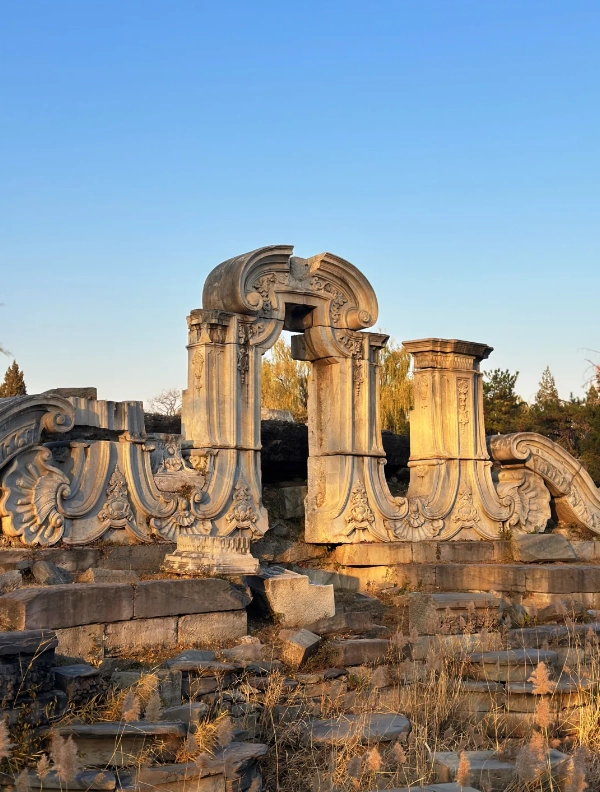
1. The Stone Carvings Tell a Story. On the broken marble in the Western Ruins, look closely. You'll see carved ropes, shells, and waves—Baroque motifs. Then, right beside them, look for faint traces of traditional Chinese lotus patterns. The fusion was in the details. The most photographed column pile has a perfectly intact section of spiral carving; run your hand over it (gently). That's 18th-century craftsmanship.
2. The "Best" Photo Spot Isn't the Obvious One. Everyone crowds the main platform in front of the Great Fountain ruins. For a better, less crowded shot that includes the lake reflection, walk around to the north side of the ruins. There's a small viewing area there. The light is better in the late afternoon from this angle.
3. The Sound of the Park. In the southern gardens, away from the ruins, listen. You'll hear the hum of cicadas in summer, the rustle of reeds, the distant laughter from a boat on the lake. It's incredibly peaceful. Compare that to the murmur of shocked tourists in the ruins area. The contrast is part of the experience.
4. A Local Lunch Spot (Outside the Park). Exhausted and hungry? Don't eat at the overpriced noodle shop inside the park near the ruins. Exit from the East Gate. Turn right and walk about 300 meters. You'll hit a local street with small, authentic restaurants. Look for one with pictures on the menu. My go-to is a simple spot that does fantastic zhajiangmian (noodles with fried bean sauce) for about 25 RMB. It's where the park workers eat.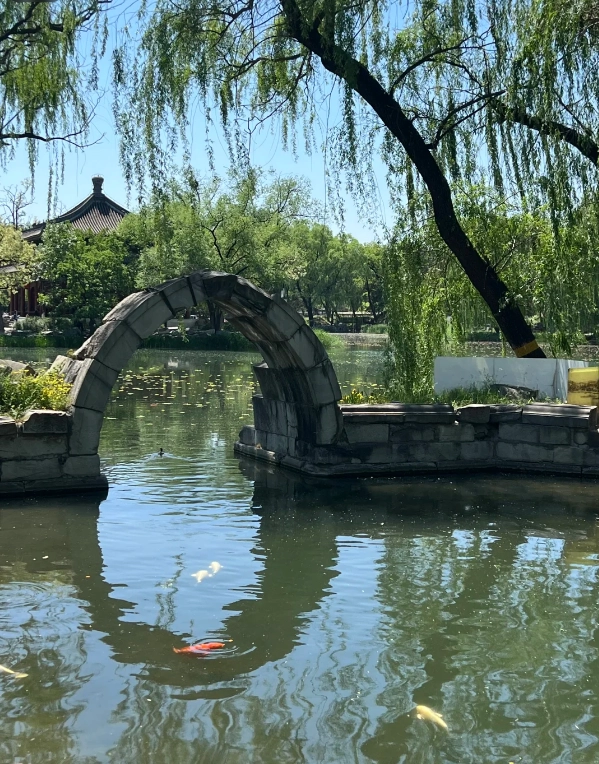
Your Questions, Answered (The Real Ones)
 What's the biggest mistake visitors make here?
The Old Summer Palace asks a little more of you than other attractions. It asks for your imagination, for a bit of historical context, and for comfortable shoes. In return, it gives you an experience that sticks with you long after you've forgotten the color of a throne room. It's not just a site; it's a feeling. Go see for yourself.
This article has been fact-checked based on my extensive on-the-ground experience and current visitor information.





No comments yet.