 Lei Li
Let me tell you a secret most Beijing tour guides won't. The first time you walk into the 798 Art District, you might be a bit... confused. You've heard it's this massive, world-famous contemporary art hub. And it is. But you're staring at these huge, grey, Bauhaus-style factory buildings with pipes running along the ceilings and giant Chinese characters from the 1950s still faintly visible on the walls. Where's the art? Then you turn a corner, see a 10-foot-tall bronze sculpture of a laughing Mao Zedong next to a neon pink anime character, and a gallery door opens, blasting experimental electronic music. That's the magic of 798. It's not a sterile museum; it's a living, breathing, slightly chaotic conversation between China's industrial past and its frenetic creative present. I've been bringing people here for over a decade, and I'm going to give you the map the galleries don't sell you.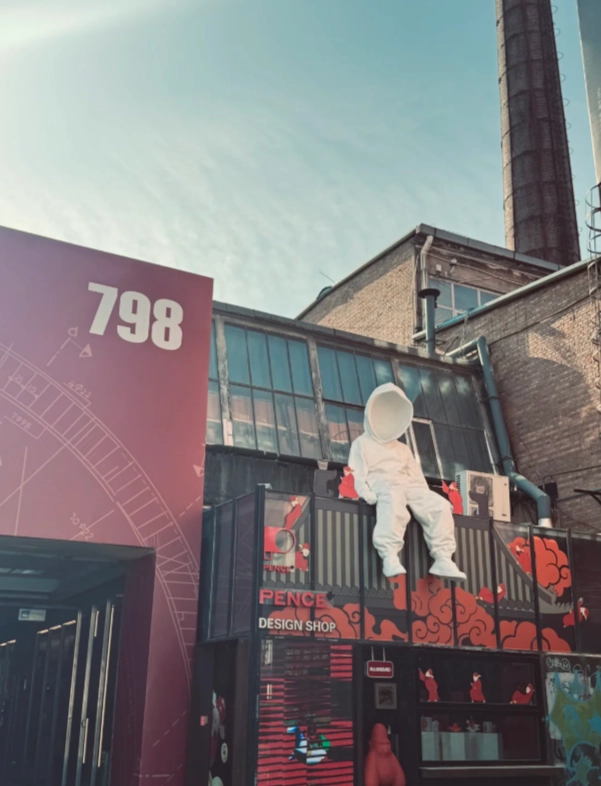
Your 798 Navigation Cheat Sheet
- How to Get There Without the Hassle
- When to Go: Timing is Everything
- The Galleries You Can't Miss (And Some to Skip)
- Hidden 798 Spots Most Tourists Walk Right By
- The Perfect 798 Photo: How to Avoid the Clichés
- Where to Eat and Drink: Refuel Like a Local
- Your 798 Itinerary: 24 Hours or 4
- Your 798 Questions, Answered
How to Get There Without the Hassle
Most guides just say "take the subway to Wangjing South." That's only half the story. Here's the full, foolproof method.
By Subway (The Smart Way): Take Line 14 to Wangjing South Station. This is crucial. Get off, and take Exit C. Once you surface, you'll be on a busy road. Do not follow the crowds wandering aimlessly. Turn immediately left and walk for about 5 minutes. You'll see a small, unassuming pedestrian bridge over a canal. Cross it. On the other side, you're at the north gate of 798. This entrance is quieter and drops you right into a cool area, not the crowded main drag.
By Taxi/Ride-Hail (Didi): Never, ever tell the driver "798 Art District." They might take you to a random spot on the massive perimeter. The specific address to input is: 798 Art District, No. 4 Jiuxianqiao Road, Chaoyang District, Beijing. Even better, name a specific landmark inside, like "UCCA Center for Contemporary Art" or "798 Art Zone Gate 1."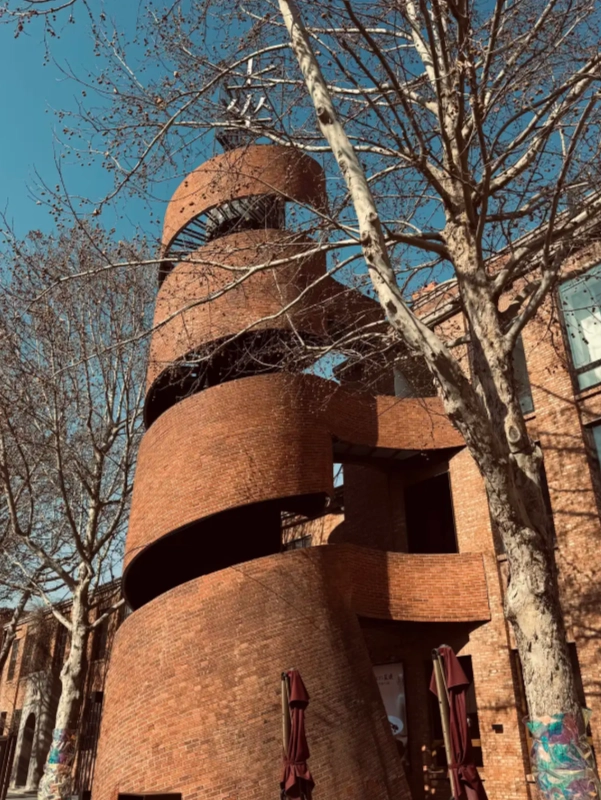
When to Go: Timing is Everything
Going on a sunny Saturday afternoon in October? You'll be sharing every photo op with a thousand other visitors. Let's be smarter.
The Best Time of Day: Weekday mornings, between 10:30 AM and 1:00 PM. Galleries have just opened, the light for photography is soft and perfect, and the tour buses haven't fully arrived yet. By 2 PM, the main lanes get packed. Many smaller galleries are closed on Mondays, so avoid them.
The Best Time of Year: Late spring (April-May) and early autumn (September-October) are ideal. Summer is hot and crowded. Winter is cold but has a stark, beautiful atmosphere, and you'll have many spaces almost to yourself. Major exhibition openings often happen in September and March, so the energy is high then.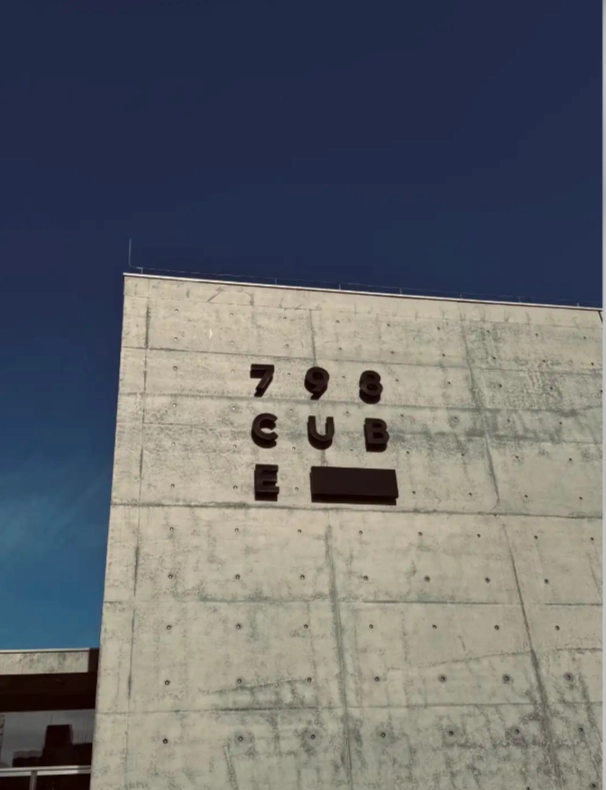
The Galleries You Can't Miss (And Some to Skip)
There are hundreds of spaces. You can't see them all. Focus on these pillars and a few personal favorites.
| Gallery Name | Address / Landmark | What Makes It Special | My Tip |
|---|---|---|---|
| UCCA Center for Contemporary Art | 798 Art District, No. 4 Jiuxianqiao Rd. Impossible to miss. | The heavyweight. Major international and Chinese artists, impeccable curation. This is the must-see exhibition space. | Check their website for the current show. Tickets usually around 100-150 RMB. Worth it for a blockbuster show. |
| Pace Beijing | 798 Art District, No. 2 Jiuxianqiao Rd. (Inside the famous "798 Factory" complex). | Part of the global Pace gallery empire. Shows are consistently thought-provoking and the space, in a converted factory hall, is stunning. | Free entry. Often less crowded than UCCA. The architecture alone is a reason to visit. |
| Galleria Continua | 798 Art District, No. 2 Jiuxianqiao Rd. (Red brick building near Pace). | An Italian gallery with a fantastic eye for large-scale, immersive installations. Their shows often play brilliantly with the industrial space. | Another free, high-quality stop. The vibe is more European contemporary. |
| Beijing Commune | 798 Art District, No. 4 Jiuxianqiao Rd. (Look for a more discreet facade). | Focuses on pioneering Chinese conceptual artists. If you want to understand the cutting edge of the local scene, start here. | Smaller, more intellectual. Don't expect flashy pieces; expect to think. |
What to skip? The countless small shops selling mass-produced "art" souvenirs, Mao memorabilia, and generic oil paintings. They're fun for a quick browse but not why you're here. Also, many of the "photography studios" offering quick portraits in cheesy setups are tourist traps.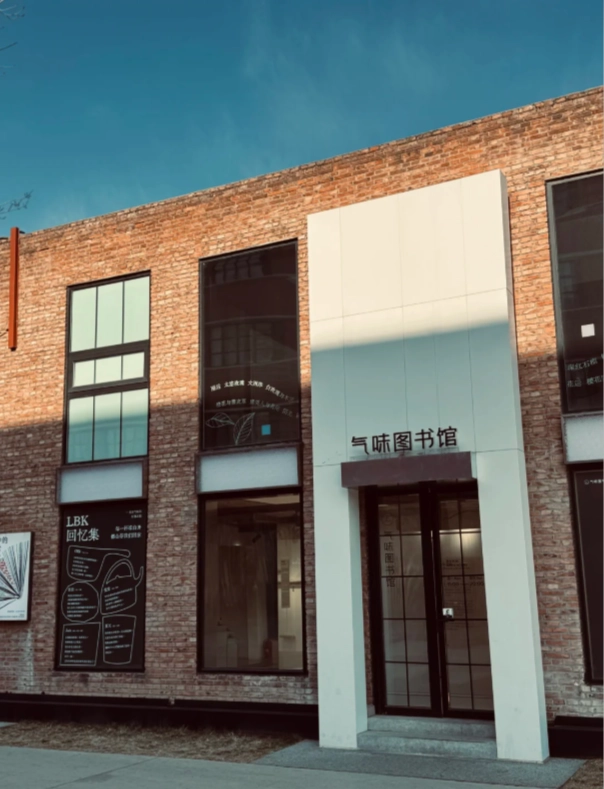
Hidden 798 Spots Most Tourists Walk Right By
The real character is in the alleys. Here’s where I take my clients when they want to see something different.
- The "Pipe Street" Alley: Behind the main UCCA building, there's a narrow alley completely shrouded by massive, rust-colored industrial pipes. It feels like you're walking through the guts of the factory. It's quiet, dramatic, and leads to a few fantastic, tiny artist studios that are usually open to peek into.
- M Woods: Not exactly hidden, but often overlooked because it's a 10-minute walk from the core 798 area. The address is D-06, 798 Art Zone. It's a private museum founded by young collectors, and its exhibitions are often the coolest, most Instagrammed shows in town. The building is modern and sleek. Worth the detour.
- The Rooftop of the 798 Live Building: Find the building with "798 Live" on it (it often hosts music events). There's usually an accessible staircase or elevator to the roof. The view over the sea of factory roofs and chimneys is unparalleled, especially at sunset. Great for a quiet moment.
Once I was with a German architect who spent two hours just sketching the junction where three different types of industrial piping met on a wall. That's the kind of detail you find when you slow down.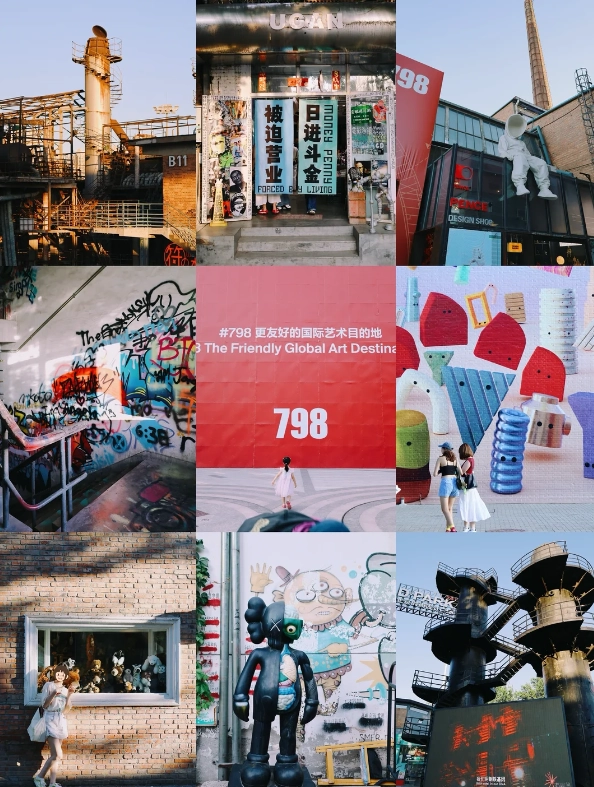
The Perfect 798 Photo: How to Avoid the Clichés
Everyone takes the same shot: posing under the big "798" sign. Let's get creative.
Light is Key: The harsh midday sun creates deep shadows in the factory windows. The best light for photography is before 11 AM or after 3:30 PM. The angular shadows become part of the composition.
Look for Textures and Contrasts: Don't just shoot the big sculptures. Focus on the peeling red paint next to a slick new gallery sign. The rusted iron staircase against a pure white wall. The reflection of a modern glass building in a puddle on the old concrete.
Specific Photo Op Coordinates:
1. The long, straight alley lined with dormant steam locomotives (near the 798 Time Zone building). Stand at one end for a powerful leading-line shot.
2. The interior of the old factory hall that houses Pace Gallery. Look up at the giant trusses and skylights.
3. The wall of vintage factory gauges and dials, preserved near the south gate. Get close-up.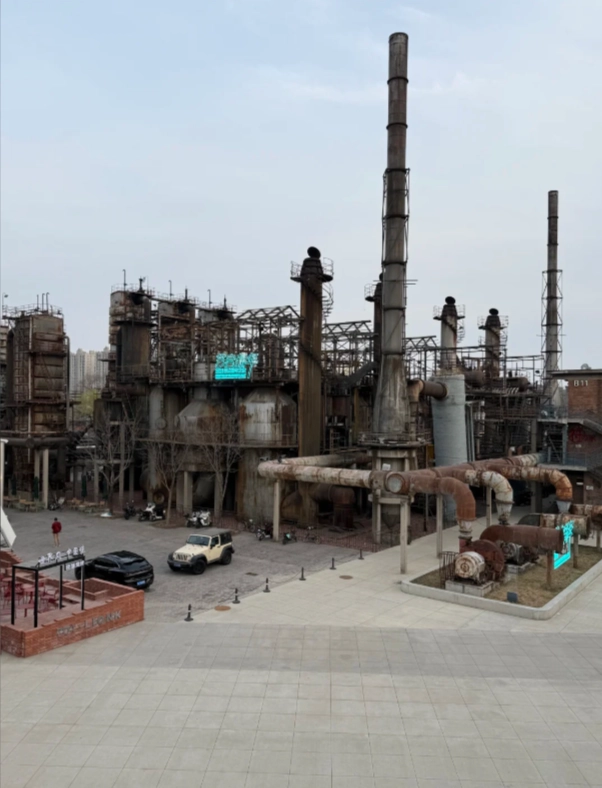
Where to Eat and Drink: Refuel Like a Local
You will get hungry. The options range from overpriced tourist cafes to genuine gems.
For a Proper Meal: Head to At Cafe (798 Middle Street, 2nd Floor). It's been an institution for years. The pasta is reliable, the coffee is strong, and the balcony offers a great people-watching perch. Expect to spend 80-120 RMB per person. My go-to order is their spaghetti carbonara and a flat white.
For a Quick & Tasty Bite: Ramo (E District, near the south end) does excellent, fresh wraps and healthy bowls. It's where many gallery staff eat. A filling lunch is about 50 RMB.
For a Coffee & Cake Break: Soloist Coffee Co. has several branches in 798. Their roastery branch (in a quieter corner) is the best. They take their coffee seriously. A pour-over will cost you 40-50 RMB, but it's a world away from Starbucks.
The Local's Evening Spot: If you're here late, 4Corners (near the north gate area) is a bar/restaurant with a great vibe, craft beer, and decent burgers. It feels more like a community spot than a tourist trap.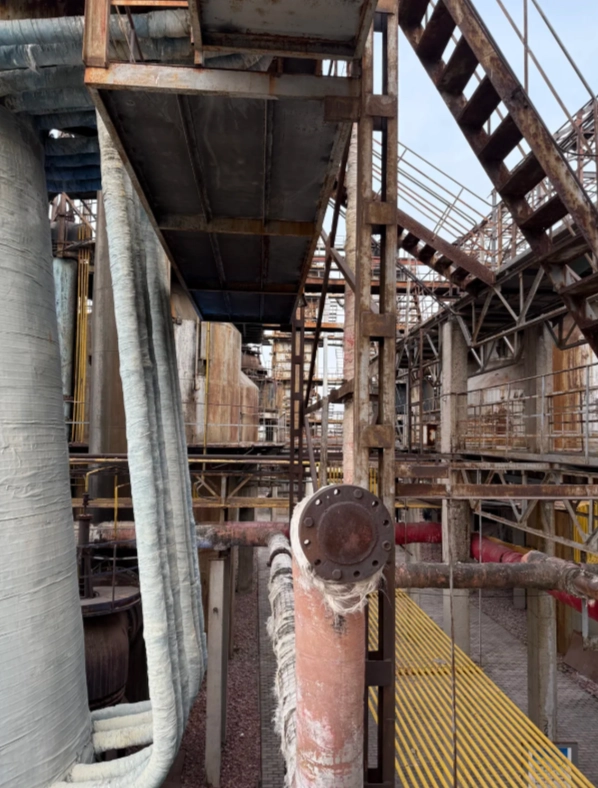
Your 798 Itinerary: 24 Hours or 4
The "I Only Have an Afternoon" Sprint (4 Hours):
1. Enter via the North Gate (subway hack from earlier).
2. Head straight to UCCA. Spend 60-90 minutes on the main exhibition.
3. Walk down the main road, pop into Pace Beijing and Galleria Continua (30 mins each).
4. Grab a coffee at Soloist.
5. Wander down "Pipe Street" alley for 20 minutes of atmosphere.
6. Exit via the South Gate, maybe snapping the classic "798" sign photo on your way out.
The "I Want to Feel It" Full Day (6-8 Hours):
10:30 AM: Arrive, North Gate entry.
11:00 AM - 12:30 PM: Deep dive at UCCA.
12:30 PM - 1:30 PM: Lunch at At Cafe.
1:30 PM - 3:30 PM: Explore Pace, Galleria Continua, and Beijing Commune. Allow yourself to get lost in the side alleys.
3:30 PM - 4:30 PM: Walk to M Woods for a different perspective.
4:30 PM - 5:30 PM: Golden hour photography session. Hunt for textures and the long locomotive alley.
5:30 PM onwards: Early dinner or drinks at 4Corners.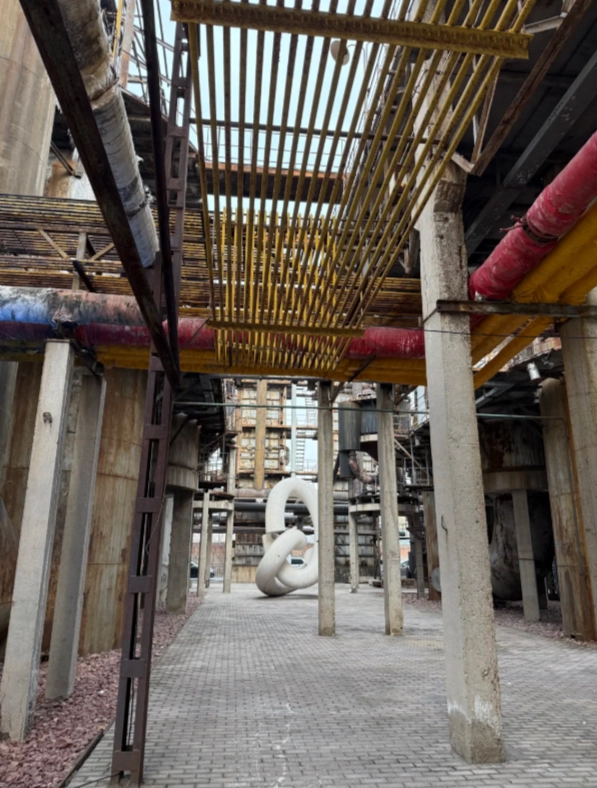
Your 798 Questions, Answered
Is 798 Art District worth visiting for non-art lovers?
Absolutely, but frame it differently. Don't go for the "art." Go for the architecture and atmosphere. It's a stunning example of adaptive reuse of industrial heritage. The scale of the buildings, the history in the walls, the clash of old and new—it's fascinating from an urban design and photography perspective. Think of it as an open-air museum of 20th-century industry with cool cafes, not a traditional art gallery crawl.
What's the biggest mistake first-time visitors make in 798?
Trying to see everything and sticking only to the wide, main avenues. You'll just see shops and crowds. The magic is in the small perpendicular alleys and the interior courtyards. Every time you see a narrow opening between buildings, walk down it. That's where you'll find the working artist studios, the quiet installations, and the best photo opportunities without the people.
How do I know what exhibitions are on when I visit?
Don't rely on printed maps at the gate; they're often outdated. As soon as you have wifi, do two things: 1) Check the official websites or social media (WeChat/Instagram) of the major galleries like UCCA, Pace, and M Woods. 2) Look for the small, professionally printed A4 posters stuck on gallery doors or pillars. These are for current shows and are the most accurate. Many smaller galleries don't have an online presence beyond WeChat.
Is it okay to bargain in the art shops?
For mass-produced souvenirs, t-shirts, and trinkets, yes, light bargaining is expected. Start at 60-70% of the asking price. For actual artwork in a proper gallery, never bargain. The price listed is the price. It's considered deeply disrespectful. If you're in a smaller artist-run studio and are genuinely interested in a piece, a conversation about the work is better than haggling.
798 isn't just a place you see; it's a place you experience. It's loud, quiet, polished, raw, commercial, and profoundly creative—all at once. Go with curiosity, comfortable shoes, and the willingness to explore beyond the obvious. You'll leave with more than photos; you'll leave with a real sense of Beijing's pulsing creative heart.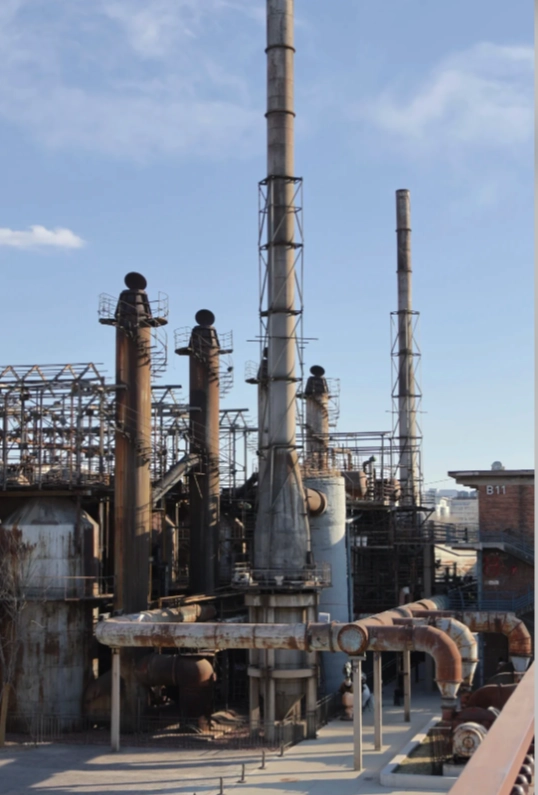
This article is based on my personal, on-the-ground experience guiding hundreds of visitors through 798 Art District over the past decade.





No comments yet.