 Lei Li
The first time I led a group to Beihai Park, I made a classic rookie mistake. I followed the main tourist flow from the Forbidden City's north exit, got swept up in the crowd, and ended up at a ticket booth that only sold combo tickets for a smaller adjacent garden. We wasted twenty minutes. That's the thing about Beijing's imperial gardens—they're full of subtle traps for the unprepared visitor. Having spent over a decade guiding folks from all over the world here, I've learned every shortcut, every quiet corner, and the exact time of day when the light hits the White Dagoba just right. Forget the dry history lectures. This guide is about how to actually experience Beihai Park, save your energy, and discover the parts most tourists march right past.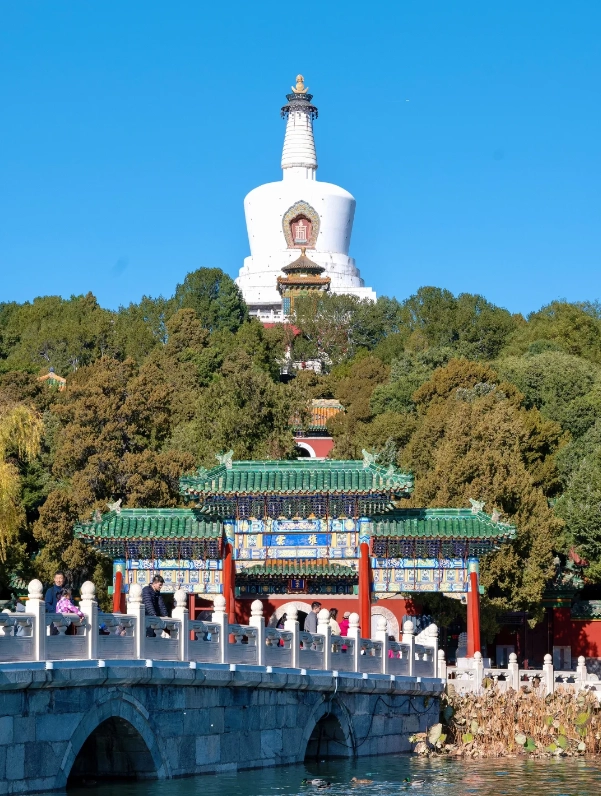
Your Quick Navigation
What You Absolutely Need to Know First
Let's get the logistics out of the way. This is the boring but critical stuff that shapes your entire day.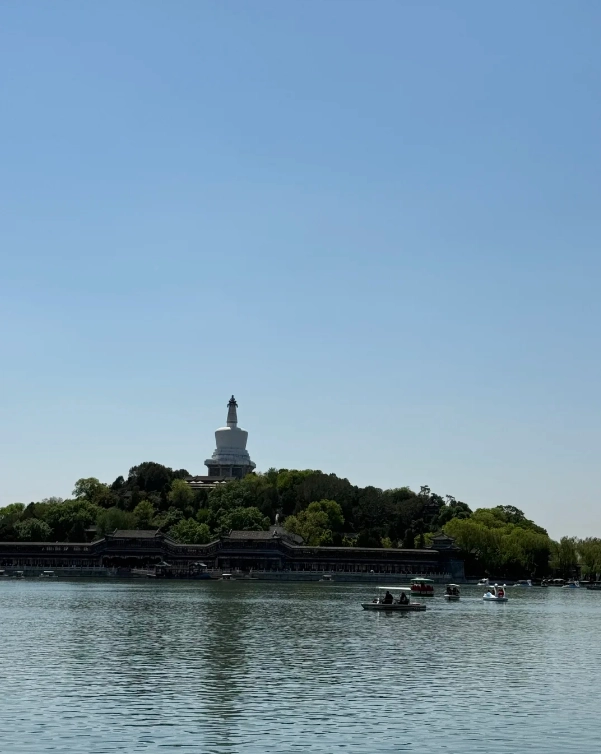
The Core Facts at a Glance
Address: 1 Wenjin Street, Xicheng District, Beijing. Don't just plug "Beihai Park" into your maps app—use this street address or you might end up at a wrong gate.
Opening Hours:
Apr-Oct (Peak Season): 6:30 AM - 9:00 PM (last entry at 8:30 PM).
Nov-Mar (Off Season): 6:30 AM - 8:00 PM (last entry at 7:30 PM).
The pavilions and halls inside usually close 30-60 minutes before the park itself.
Beihai Park Tickets & Entry Gates
There are several gates, but you only need to know two: the North Gate and the South Gate.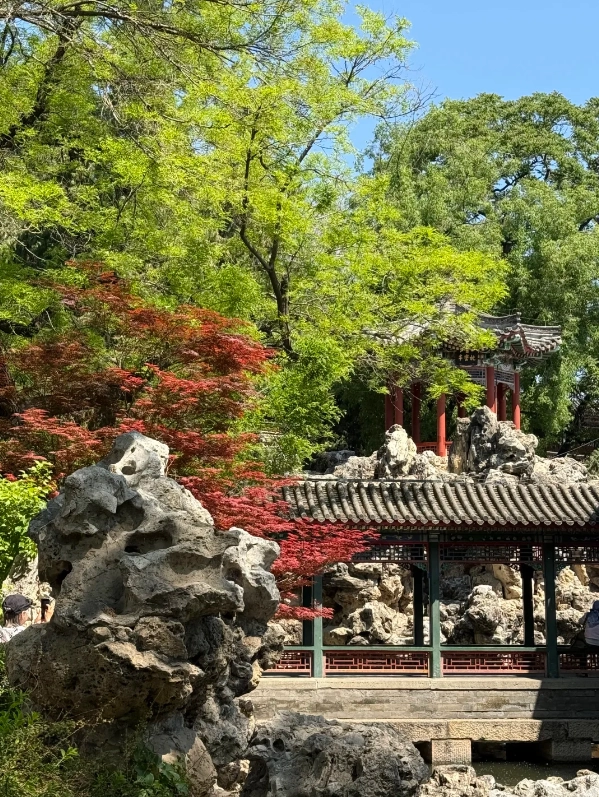
| Ticket Type | Peak Season (Apr-Oct) | Off Season (Nov-Mar) | Notes |
|---|---|---|---|
| Park Entry Only | ¥10 (Adult) ¥5 (Student) |
¥5 (Adult) ¥2.5 (Student) |
This is all you need for 90% of visitors. Buy it at the main gates. |
| Through Ticket (Park + Gardens) | ¥20 | ¥15 | Includes entry to smaller gardens like the Round City (Tuancheng). Only buy this if you're a garden enthusiast with extra time. |
| White Dagoba Hill | ¥10 | ¥10 | Separate ticket purchased on the island. Worth it for the climb and view. |
Here's the local's gate tip: Use the SOUTH GATE (main gate). It's the most iconic entrance, facing the Forbidden City across the street. The ticket booths are obvious and well-staffed. The North Gate is fine too, but it's less grand and the area outside is more congested with traffic.
How to Get to Beihai Park
By Subway (Recommended): Take Line 6 to Beihai North Station. Leave from Exit B. Turn left after exiting, walk south for about 5-7 minutes, and you'll see the North Gate on your right. It's straightforward.
By Bus: Many buses stop near the South Gate. Look for routes 5, 101, 103, 109, 124, 128, or Zhuan 1. Get off at the "Beihai" stop.
From the Forbidden City: After exiting the Forbidden City through the Shenwu Gate (North Gate), walk straight north. You'll hit a main road (Wenjin Street). Cross it, and the South Gate of Beihai Park is right there. It's a 5-minute walk, but be prepared for crowds.
The Top Sights (Beyond the Postcard View)
Everyone sees the lake and the white tower. I'll tell you what to actually do and look for at each spot.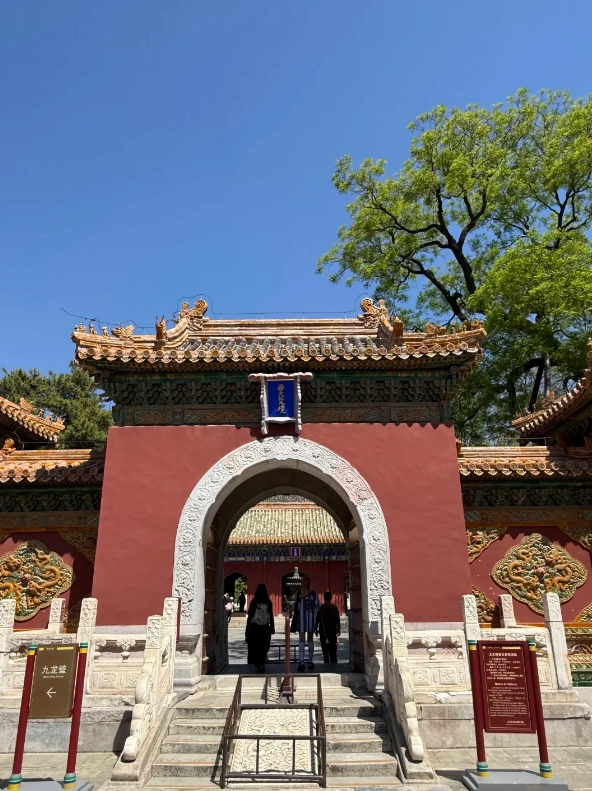
1. The White Dagoba (Baita)
Yes, it's the symbol of the park. Built in 1651, it's a Tibetan-style stupa. The climb up Qionghua Island to its base is a gentle series of stone steps. The view from the platform is the classic Beijing imperial axis view.
My advice: Go up there, but don't just snap a picture and leave. Walk a full circle around the base. On the north side, you get a completely different, quieter view of the back lakes and the ancient city walls. It feels like a secret. The ticket booth for the hill is halfway up the island—have cash ready (¥10).
2. The Nine Dragon Wall (Jiulong Bi)
This is my personal favorite. It's one of only three nine-dragon walls in all of China. Located in the northwest part of the park, near the Fast Snow Hall. Most tour groups give it a 2-minute stop. Big mistake.
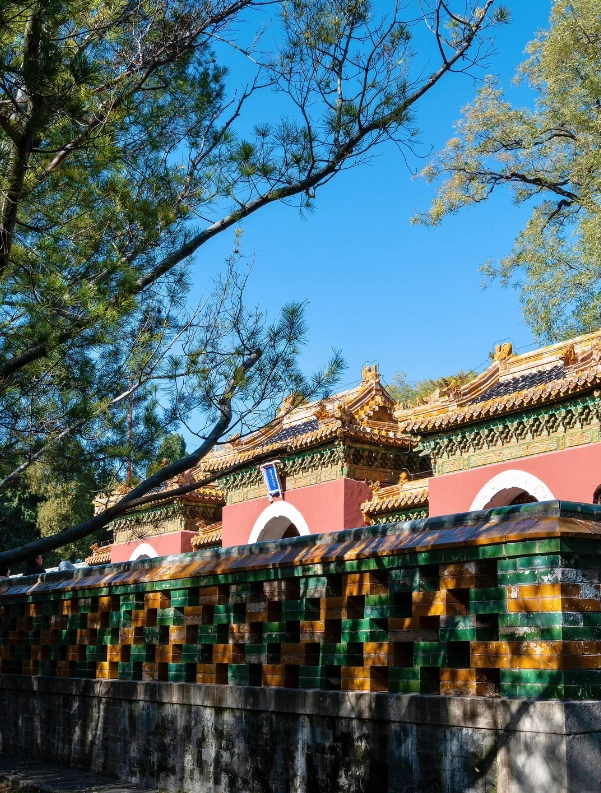
Look closer: The wall is made of glazed tiles in seven vibrant colors. Find the dragon in the center of the wall. Now, look at the small patch of tiles under its belly. See the slight color difference? That section was damaged and repaired during the reign of Emperor Qianlong. The new tiles, while ancient now, never quite matched the original glaze. It's a tiny piece of history most people miss.
3. Qionghua Island & the Circular Wall
This is the island under the White Dagoba. The "circular wall" is a beautiful, covered corridor that snakes around parts of the island. It's not just for decoration—it was designed to offer framed views of the lake from every angle, like a living scroll painting.
How to enjoy it: Walk slowly through it. Stop at the arched openings. Look at the intricate painted beams above you (the paintings are recent restorations, but follow traditional patterns). In the summer, it's a cool escape from the sun. In the fall, it's the best spot to watch the golden ginkgo leaves reflect in the water.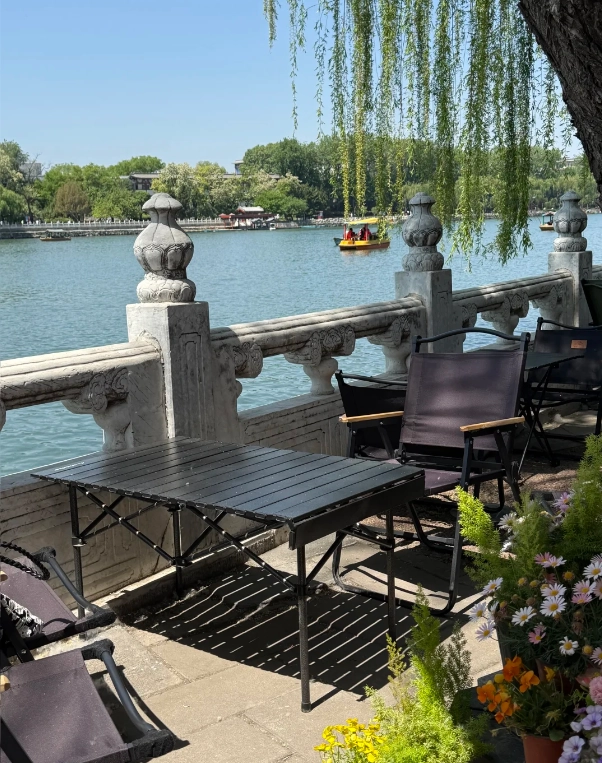
4. The Quiet Heart Studio (Jingxin Zhai) & The Studio of Rippling Water (Yanqing Zhai)
These are two exquisite garden-within-a-garden complexes in the park's northern section. They are masterpieces of miniature landscape design.
Why they're special: They represent the pinnacle of Chinese scholar garden aesthetics—rockeries, tiny ponds, winding paths, and pavilions with poetic names. The crowds here are usually 80% thinner than on the main island.
What to do: In Jingxin Zhai, find the "Pavilion for Listening to the Orioles." Sit there for five minutes. You'll hear the water trickle, the wind in the bamboo, and yes, maybe birds. It's a designed sensory experience. Yanqing Zhai has a stunning rockery grotto you can actually walk through—watch your head, it's low.
5. Paddle Boats on the Lake
It's not just a gimmick. Paddling on the lake gives you the only view an emperor would have had—looking from the water towards the shores and palaces.
Boat Dock: Near the North Gate.
Cost: Around ¥80-¥120 per hour for a 4-6 person boat, depending on type.
Best time: Late afternoon, around 4 PM. The sun is behind you, lighting up the White Dagoba and the southern shores. The heat has died down, and the queue is shorter.
I once took a family from California out. The teenage kids were bored until we got on the boat. Seeing the park from the center of the lake completely changed their perspective.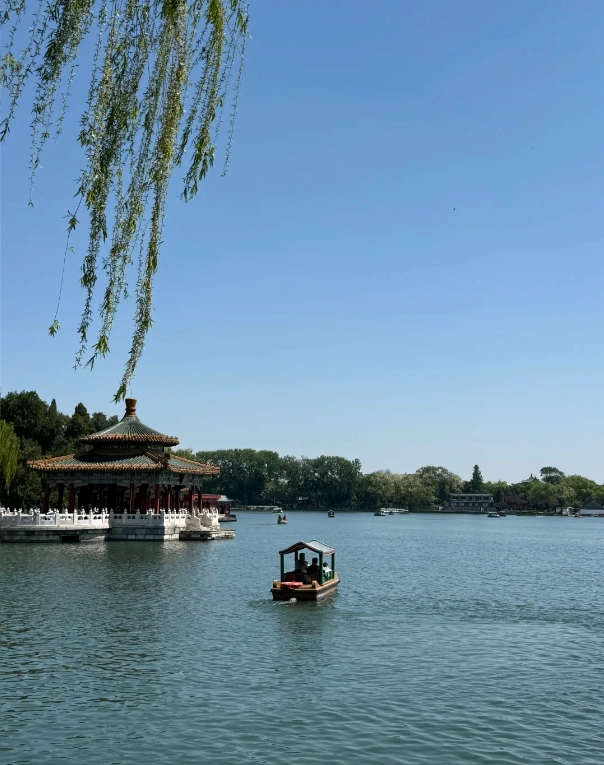
How to Build Your Perfect Visit
The Smart Half-Day Itinerary (The Classic)
Target: First-time visitors, those with limited time, or combining with the Forbidden City. Start (9:00 AM): Enter from the South Gate. Buy the basic park ticket (¥10). Morning (9:15 - 11:30): Walk straight north across the bridge to Qionghua Island. Climb up to the White Dagoba (buy the ¥10 hill ticket). Take in the views. Descend and stroll through the circular corridor. Midday (11:30 - 1:00 PM): Walk west along the northern shore of the lake. Have a simple lunch. Options: Pack a picnic (there are benches everywhere), or grab something from the small kiosks (think instant noodles, steamed buns—basic fuel). Afternoon (1:00 - 3:00 PM): Visit the Nine Dragon Wall. Then, explore the Quiet Heart Studio (Jingxin Zhai) complex. Its serene ponds and rockeries are a perfect contrast to the grand island. Exit (3:00 PM): Leave from the North Gate. You're now a 5-minute walk from Beihai North subway station (Line 6).
The Leisurely Full-Day Immersion
Target: Photography enthusiasts, garden lovers, or anyone wanting to escape the city's pace. Key Addition: Paddle boating and exploring the eastern shore. Morning: Follow the half-day plan, but move slower. Spend more time in Jingxin Zhai. Lunch: Consider exiting the North Gate briefly. On the street outside, you'll find more proper local noodle and dumpling shops than inside the park. Early Afternoon (2:00 PM): Rent a paddle boat for an hour from the North Gate dock. Mid-Afternoon (3:30 PM): Explore the park's eastern shore, which is often overlooked. Visit the Studio of Rippling Water (Yanqing Zhai) and the Hall of Rippling Jasmine (Yanhua Ge). Late Afternoon: Find a bench facing west. Watch the sunset paint the white dagoba in golden light. The park empties out, and the atmosphere becomes magical.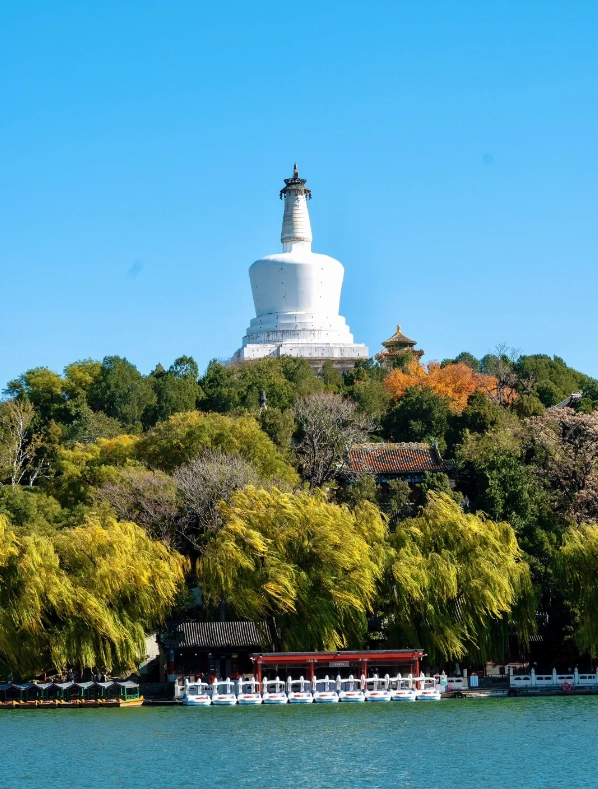
Hidden Details Most Guides Miss
This is the stuff I point out to my small groups that makes them go, "How do you know that?"
- The Afternoon Light Secret: The White Dagoba is backlit in the afternoon. For the best photos of the dagoba, shoot in the morning from the south or west bank. For the best photos from the dagoba platform (viewing south), late afternoon is perfect.
- Bathroom Strategy: The busiest bathrooms are near the South Gate and on Qionghua Island. The cleanest and least crowded ones are usually near the Quiet Heart Studio (Jingxin Zhai) and by the Five Dragon Pavilions on the north shore.
- The "Other" Island: Everyone goes to Qionghua. The smaller island in the southwest corner, near the Round City, is called the "Island of the Immortals." It's connected by a beautiful zig-zag bridge and is often deserted. It's a five-minute detour for total peace.
- Local Life: Come early (around 7 AM). You'll see the park belong to Beijingers: people practicing tai chi, singing opera, dancing, writing calligraphy with water on the paving stones. It's a living cultural scene, not just a museum.
- Winter Magic: If you visit in a cold winter when the lake freezes solid (usually late December to February, safety permitting), they open a section for ice skating. Gliding on a frozen imperial lake with the White Dagoba overhead is an unforgettable experience. Check local news for ice thickness announcements.
Questions I Get Asked All the Time
 Can I buy food and water inside, or should I bring my own?
Look, Beihai Park isn't just another attraction. It's the living lung of Beijing's imperial past. It's where grandeur meets intimacy. Use this guide not as a rigid script, but as a way to avoid the common pitfalls. Find your own quiet corner, watch the light change on the lake, and for a moment, you'll understand why emperors built this place as their personal escape. Now you're ready to see it not as a tourist, but as a traveler.
This article is based on personal, repeated visits and guiding experience. Details like ticket prices and opening hours are subject to change; always check the official park notices for the latest information.





No comments yet.