 Lei Li
Your Quick Navigation
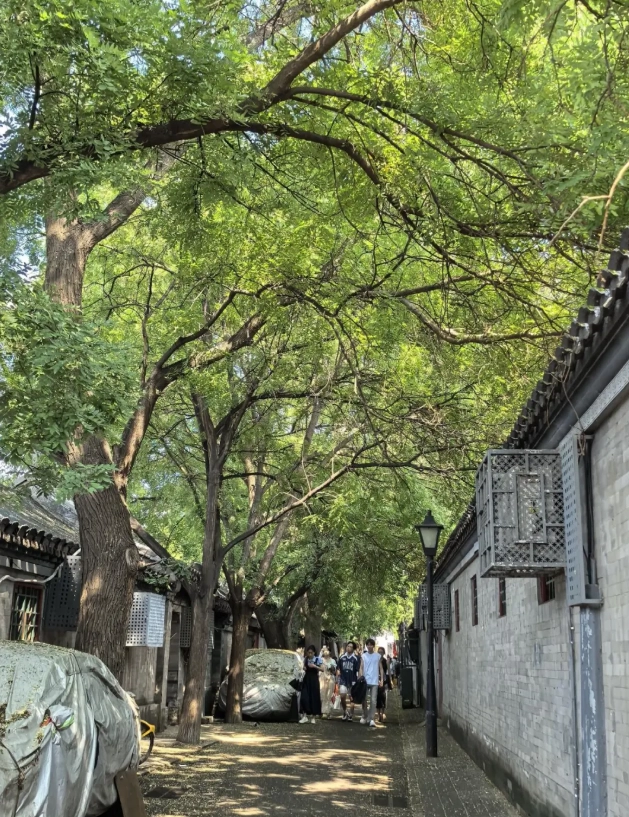
I've walked Nanluoguxiang more times than I can count. The first time, over ten years ago, it felt like stepping into a living museum. Now, it's on every tourist itinerary, but most visitors see only the surface—a crowded lane with souvenir shops. Let me tell you, the real Nanluoguxiang is in the quiet moments: the smell of jasmine tea from a hidden courtyard, the sound of a bicycle bell in a narrow alley, the taste of a dumpling made by a family that's been here for generations. I'm here to show you how to find those moments.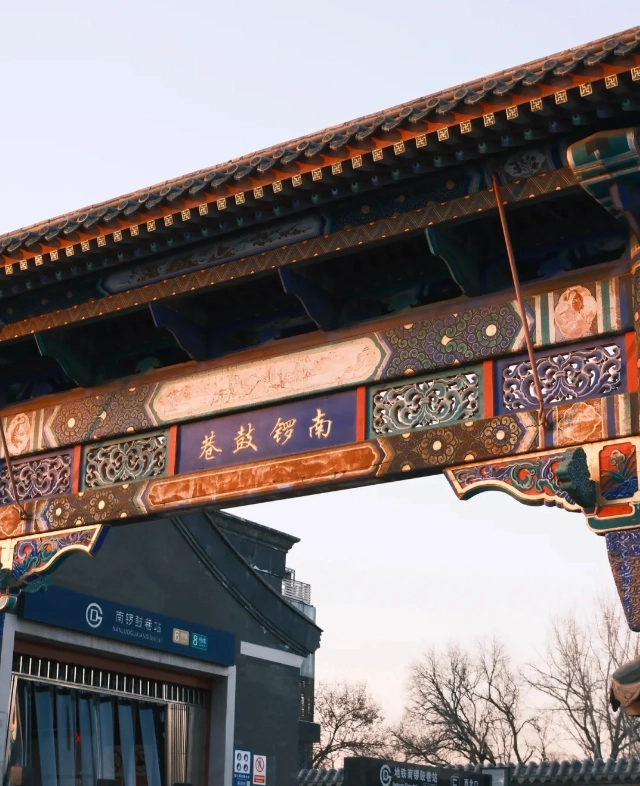
What is Nanluoguxiang Really Like?
Nanluoguxiang is an 800-meter-long historic hutong in Beijing's Dongcheng District. It dates back to the Yuan Dynasty, making it one of the oldest surviving hutongs in the city. But here's what most guides skip: the main street is just the gateway. The soul of the place lies in the network of smaller alleys that branch off, where daily life unfolds slowly. It's free to enter the area—no tickets, no gates. However, some restored courtyards now function as museums or cafes and charge a small fee, typically 20 to 50 RMB for entry.
The address is straightforward: Nanluoguxiang, Dongcheng District, Beijing. But don't just plug that into your map; the experience starts when you step off the main drag.
How to Get to Nanluoguxiang
The simplest way is by Beijing Subway. Take Line 6 or Line 8 to Nanluoguxiang Station. Use Exit C. When you come up, turn left, walk about 50 meters, and you'll see the stone archway that marks the southern entrance. It's unmistakable.
If you're taking a taxi, show the driver the Chinese address: 北京市东城区南锣鼓巷. Most drivers know it by name. From popular spots like the Forbidden City, it's a 10 to 15-minute ride, depending on traffic. I once had a client insist on walking from Houhai Lake; it's a pleasant 20-minute stroll through backstreets, but not ideal if you're short on time.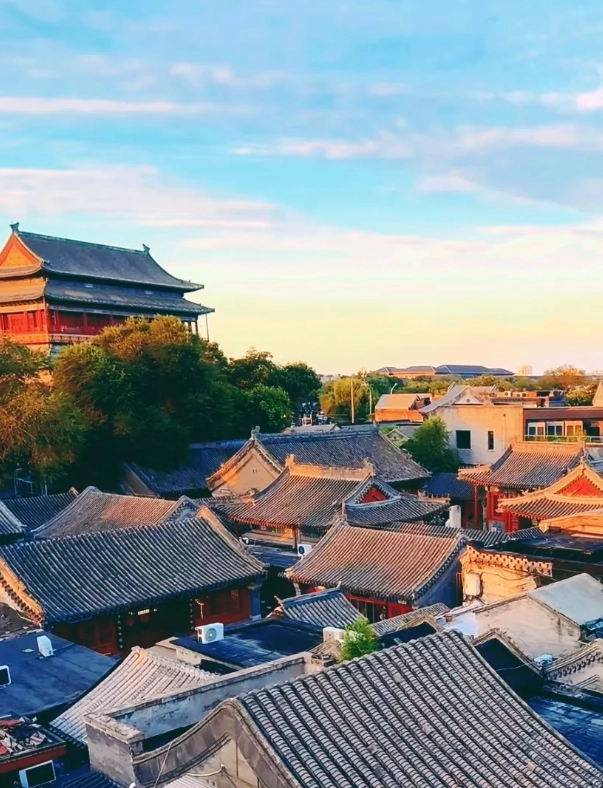
A Perfect Day in Nanluoguxiang
Let's say you have only 24 hours in Beijing and want to maximize your time here. This is the itinerary I've refined after leading countless tours. It balances sightseeing, food, and local flavor.
Morning: Explore the Historic Alleys (9:00 AM - 12:00 PM)
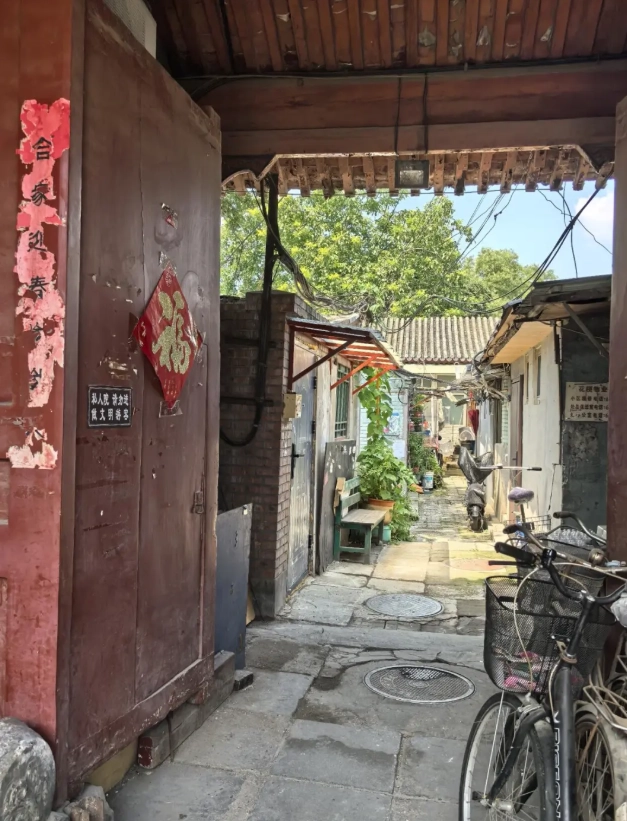
Start early. By 10:30 AM, the main lane becomes a river of people. Enter from the south archway and walk north slowly. Don't just march straight; duck into side alleys like Mao'er Hutong or Ju'er Hutong. These are quieter, with traditional siheyuan (courtyard homes) where residents still live. I once found a tiny bookshop in Mao'er Hutong run by an elderly couple—they let me browse for an hour without a single other tourist in sight.
Visit Mao Er Hutong No. 7 Courtyard at 7 Mao'er Hutong. It's a beautifully restored courtyard open to the public. Entry is 30 RMB for adults, 15 RMB for children. Open 9:00 AM to 5:00 PM daily. It gives you a glimpse into traditional Beijing architecture without the crowds.
Lunch: Local Food Finds (12:00 PM - 1:30 PM)
Skip the generic skewer stalls on the main street. For authentic Beijing snacks, head to Yuanxiao Lao Dian at 49 Nanluoguxiang. It's a no-frills spot specializing in yuanxiao (sweet glutinous rice balls). My must-order: a bowl of sesame yuanxiao (25 RMB) and a plate of jiaozi (pork dumplings) for 30 RMB. It's cash-only, so have yuan handy. Google Maps rating: 4.3 stars. They open at 10:00 AM and close around 8:00 PM, but get busy at lunch.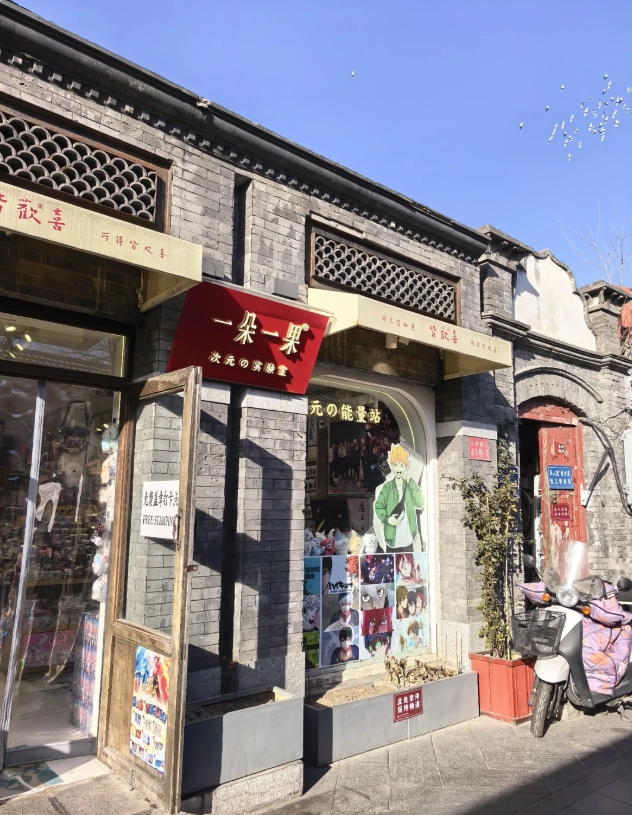
Afternoon: Hidden Courtyards and Shops (1:30 PM - 5:00 PM)
After lunch, explore the northern part of Nanluoguxiang. Check out the Beijing Hutong Culture Museum at 24 Nanluoguxiang. Free entry, open 9:00 AM to 4:30 PM, closed on Mondays. It's small but informative, explaining the history of hutongs in Beijing.
For shopping, avoid the souvenir shops selling mass-produced items. Instead, try Plastered 8 at 61 Nanluoguxiang for creative T-shirts with Beijing-themed designs. Prices range from 100 to 300 RMB. Another gem is Song Song Song at 35 Nanluoguxiang, a boutique selling handmade ceramics—I bought a tea set there years ago and still use it.
Evening: Atmosphere and Drinks (5:00 PM onwards)
As the sun sets, lanterns light up the alleys. The crowd thins, and the atmosphere becomes more relaxed. For a drink, I recommend Great Leap Brewing #6 at 6 Doujiao Hutong, a side alley off Nanluoguxiang. It's a microbrewery set in a converted courtyard. A pint of their local craft beer costs 40 to 60 RMB. They have outdoor seating—perfect for watching the world go by. Open from 2:00 PM to midnight.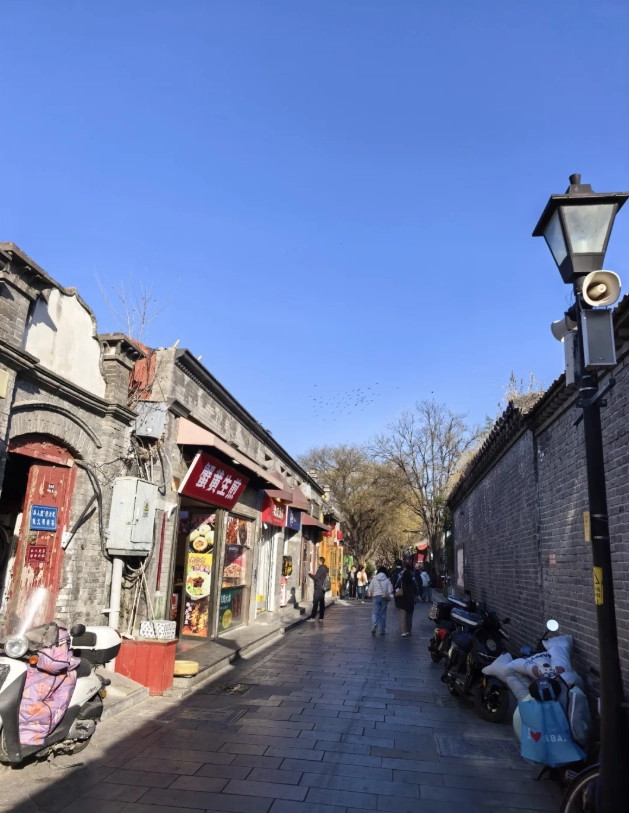
Here's a quick overview of the day:
| Time | Activity | Key Details |
|---|---|---|
| 9:00 AM | Start at South Archway | Enter from Nanluoguxiang Station Exit C |
| 9:30 AM | Explore Side Alleys | Visit Mao'er Hutong, Ju'er Hutong |
| 11:00 AM | Courtyard Visit | Mao Er Hutong No. 7, 30 RMB entry |
| 12:30 PM | Lunch at Yuanxiao Lao Dian | 49 Nanluoguxiang, cash only, avg 30-50 RMB |
| 2:00 PM | Hutong Culture Museum | Free entry, closed Mondays |
| 3:30 PM | Shopping at Plastered 8 | Creative T-shirts, 100-300 RMB |
| 5:00 PM | Evening Drinks | Great Leap Brewing, 6 Doujiao Hutong |
Where to Eat: My Top Picks
Based on my years of eating here, these spots stand out for authenticity and flavor. Always check hours—some close early.
- Yuanxiao Lao Dian: As above, for traditional snacks. Address: 49 Nanluoguxiang. Avg price: 30-50 RMB per person. Open 10:00 AM - 8:00 PM.
- Mr. Shi's Dumplings: A bit off the beaten path but worth it. Address: 74 Jiaodaokou Nandajie, a 5-minute walk from Nanluoguxiang. Try the pork and chive dumplings—they're juicy and flavorful. Price: 40-60 RMB per person. Google Maps rating: 4.5 stars. Open 11:00 AM - 9:00 PM.
- Bell Tower: For Beijing-style noodles. Address: 1 Zhonglouwan Hutong. It's touristy, but the noodles are decent. Price: 35-50 RMB. Open 10:30 AM - 10:00 PM.
- Jianbing Stall near Exit C: Not a restaurant, but a street vendor right outside the subway exit. They serve jianbing (savory crepes) for 10 RMB. It's a quick, delicious breakfast. I grab one every time I'm early.
Most eateries accept mobile payments like Alipay or WeChat Pay, but smaller places might prefer cash.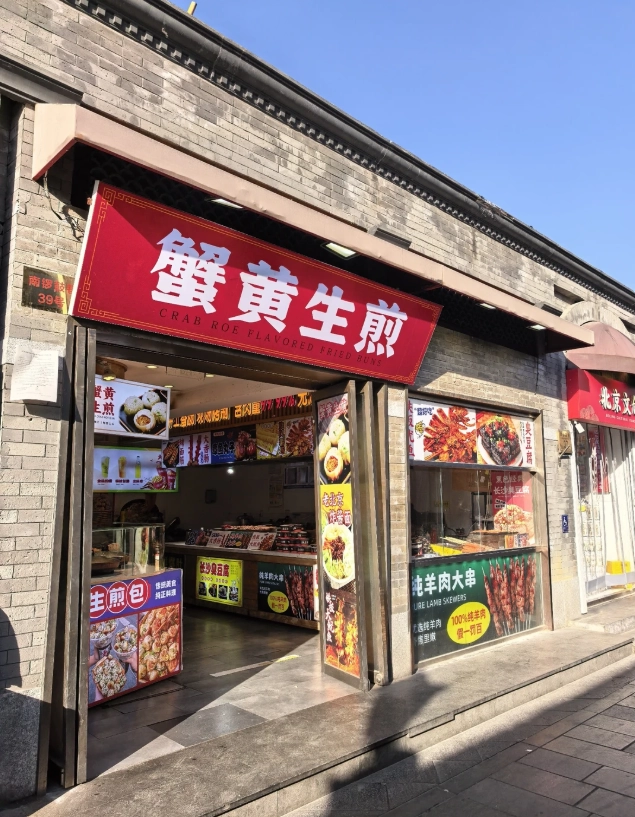
Where to Stay Nearby
If you want to immerse yourself in the hutong atmosphere, consider staying in a courtyard hotel. Here are two I've personally recommended to clients, with different budgets in mind.
- The Orchid Hotel: Address: 65 Baochao Hutong. A boutique hotel blending traditional architecture with modern comforts. Prices range from 800 to 1200 RMB per night. Ideal for couples or solo travelers seeking charm. Book well in advance.
- Beijing Prime Hotel: Address: 2 Wangfujing Street. Not a courtyard, but a reliable hotel a short taxi ride away. Prices: 600 to 1000 RMB per night. Better for families or those preferring standard amenities.
- Happy Dragon Hostel: Address: 85 Nanluoguxiang. A budget option for backpackers. Dorm beds start at 80 RMB, private rooms around 200 RMB. It's basic but clean and right in the action.
Prices fluctuate with season—higher during holidays like Chinese New Year or October Golden Week.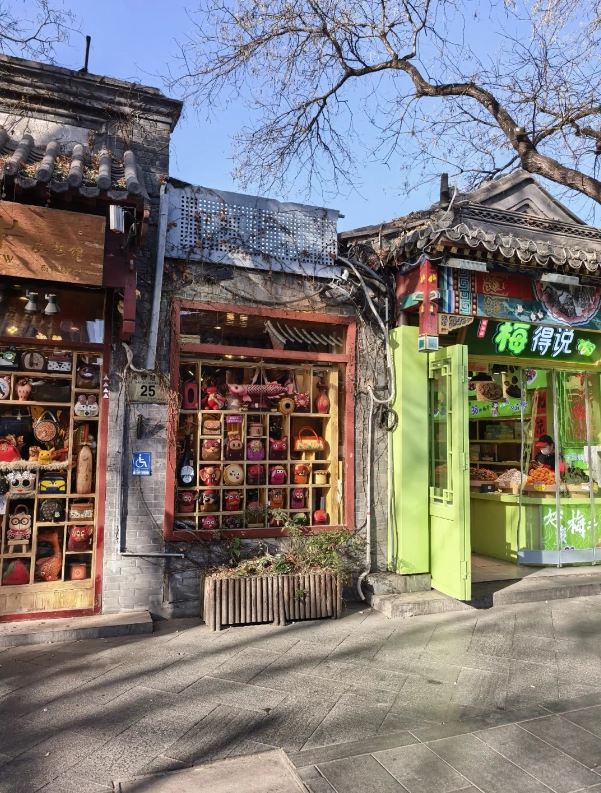
Common Mistakes to Avoid
I've seen these errors repeatedly, and they can ruin your experience.
- Visiting at peak hours: Noon to 3 PM is the worst for crowds. Aim for early morning or late afternoon. I once took a group at 8:30 AM; we had the alleys almost to ourselves.
- Staying only on the main lane: You'll miss the authentic hutong life. Venture into side alleys—they're safe and more interesting.
- Overpaying for souvenirs: Bargain politely. If a item is marked 100 RMB, start at 50 RMB and meet around 70 RMB. Don't be afraid to walk away.
- Wearing uncomfortable shoes: The ground is uneven in places—cobblestones and steps. Heels or stiff shoes are a recipe for blisters.
- Ignoring the weather Summers are hot and humid; bring water and a hat. Winters are cold; layer up. I've had clients get sunburned in April because they underestimated the sun.
Your Questions Answered
 Are there any hidden fees or scams to watch out for?
This guide is based on my personal experiences as a tour guide in Beijing for over a decade. Details like opening hours and prices were verified during my recent visits. For official updates, you can refer to resources like the Beijing Tourism Administration website. Remember, travel is about the stories you collect—Nanluoguxiang has plenty if you know where to look.





No comments yet.