 Bo Wu
Bo Wu
Beijing hits you with scale. It's not just the size of the city, but the weight of history in every stone of the Forbidden City and every step on the Great Wall. Most first-time visitors come with a mental checklist, and it's easy to get overwhelmed trying to tick every box. After countless trips and guiding friends through the city, I've found that focusing on a few core, immersive experiences beats rushing through a dozen sights. This list isn't about everything you could see; it's about the five things you absolutely should do to feel Beijing's pulse.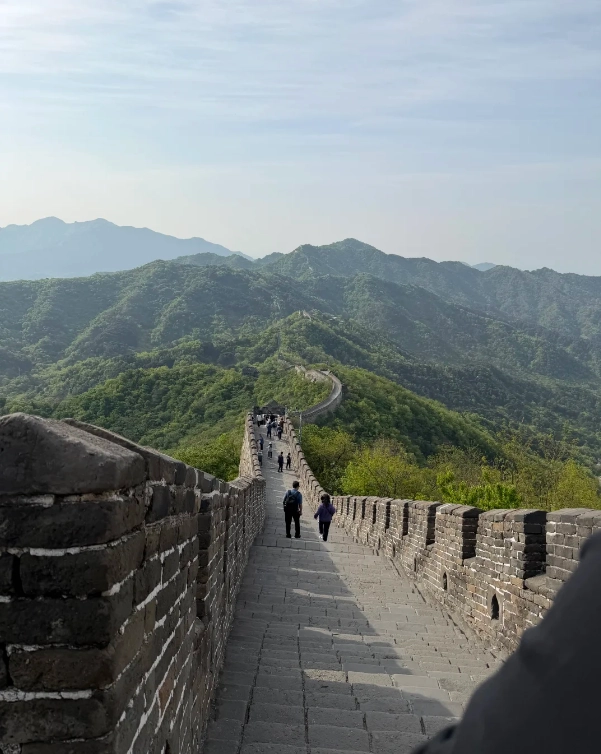
Quick Navigation
Walk the Great Wall at Mutianyu
Let's get the obvious one out of the way first. Yes, you must go to the Great Wall. The real question is where. Badaling is the closest and most famous, which is precisely why I tell people to avoid it unless you enjoy navigating through seas of tourists and souvenir stalls. For a balance of accessibility, stunning scenery, and a relatively authentic feel, Mutianyu is my top pick.
Mutianyu is about a 90-minute drive from central Beijing. The section is beautifully restored but not overly commercialized. The views of the wall snaking over forested ridges are iconic. You have options here: take a cable car up, a chairlift up, or for the truly energetic, hike up the steep steps from the entrance (I've done it once and my legs regretted it for days). My favorite combo is the chairlift up to Tower 6, then walk east towards Tower 1. This stretch has some steep climbs and offers fantastic photo opportunities looking back at the watchtowers.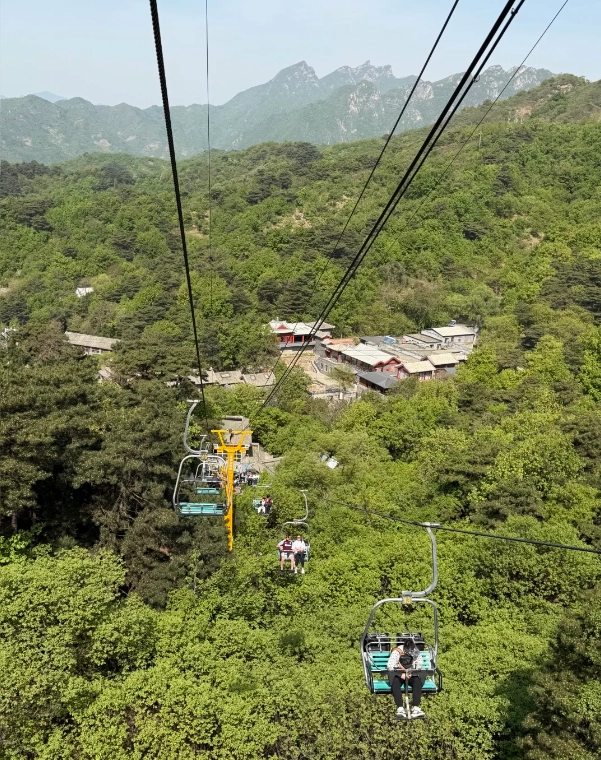
Practical Details for Mutianyu:
Address: Mutianyu Village, Huairou District, Beijing. There's no precise street address; your driver or tour will know.
Opening Hours: 7:30 AM - 6:00 PM (Summer), 8:00 AM - 5:00 PM (Winter).
Getting There: No direct public transport is convenient. Book a private car or join a small group tour. A taxi for the day will cost around 600-800 RMB. Some tour companies offer direct shuttle buses.
Tickets: Entrance ticket is 45 RMB. Cable car (round trip) is 140 RMB. Chairlift up & toboggan down combo is 140 RMB. The toboggan slide down is a hilariously fun way to end your visit.
The wall is exposed, so weather is key. A clear day is transformative. On a hazy day, the views disappear. Go as early as you can to beat the tour groups that arrive from 10 AM onwards. Bring water and snacks, though there are small vendors at the base and on the wall itself.
Explore the Forbidden City (Palace Museum)
The Forbidden City is vast. I mean, overwhelmingly vast. 720,000 square meters, 980 buildings. Walking through the Meridian Gate feels like stepping into another world of red walls, yellow glazed tiles, and marble terraces. The common mistake is trying to see everything. You can't. Your ticket gives you access to the main central axis and a number of halls, but the key exhibitions are in separate, often less-crowded halls.
Most visitors follow the central axis from the south (Meridian Gate) to the north (Gate of Divine Prowess). It's packed and you're mostly looking at exteriors. My advice? Walk the central axis quickly to grasp the scale, then peel off to the sides. The Hall of Clocks and Watches (in the Fengxian Palace area) and the Treasure Gallery (in the Palace of Tranquil Longevity area) are where the real artifacts are, and they're fascinating. You'll see intricate timepieces gifted by European emperors and jade carvings that defy belief.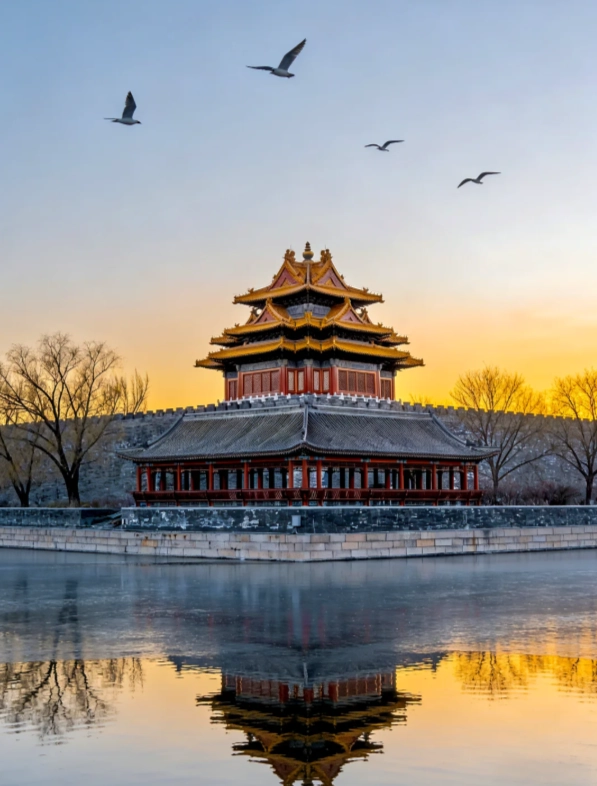
| Item | Detail |
|---|---|
| Ticket Price (Apr-Oct) | 60 RMB (Entrance only). 80+ RMB for combo tickets with exhibitions. |
| Ticket Price (Nov-Mar) | 40 RMB (Entrance only). |
| Address | 4 Jingshan Front St, Dongcheng District. |
| Opening Hours | 8:30 AM - 5:00 PM (Last entry at 4:10 PM). Closed Mondays. |
| Key Tip | You MUST book online in advance through the official Palace Museum website or authorized platforms. No tickets are sold at the gate. |
Exit through the north gate and walk directly across the street to Jingshan Park. For a small fee (2 RMB), you can climb the hill to get the single best panoramic view of the Forbidden City's layout. It's the perfect capstone to the visit.
Wander Through a Hutong
To understand modern Beijing, you need to see its skyline. To understand its soul, you need to get lost in a hutong. These narrow alleyways, lined with traditional courtyard homes (siheyuans), are the old heart of the city. Many have been demolished, but several protected areas remain.
Skip the overly touristy ones like Nanluoguxiang during peak hours—it's just a shopping street now. For a more authentic feel, I prefer the area around Lama Temple (Yonghegong). Walk the hutongs west of the temple. You'll see daily life: people playing chess, buying vegetables from mobile carts, and bikes zipping by. It's quiet, residential, and real.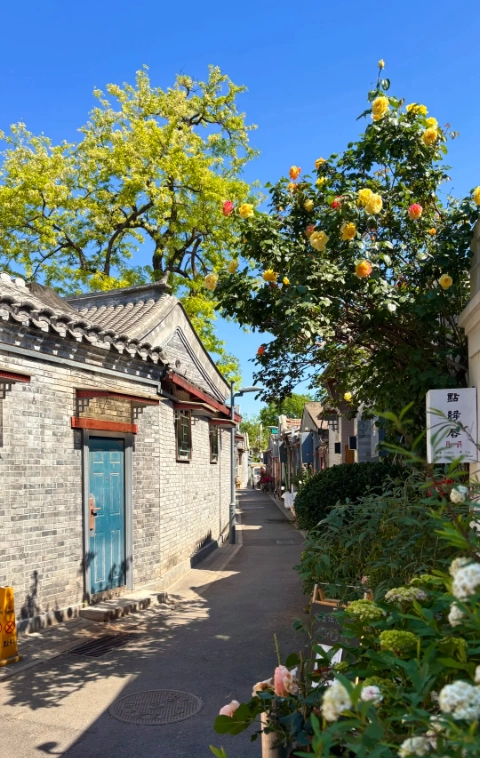
My Hutong Strategy: Start at the Lama Temple subway station. Visit the stunning Lama Temple itself if you have time (it's an active monastery). Then, just wander aimlessly south or west. Don't be afraid to peek into open courtyard gates (politely). You might find a hidden café or a local artist's studio. Finish by walking to the Confucius Temple and Imperial College, an oasis of calm few tourists bother with.
Another great option is taking a rickshaw tour through the Shichahai hutongs, but agree on the price and route firmly before you get in. The best part of hutong life is the unexpected detail—the stone door guardians, the vines climbing a wall, the smell of someone's lunch cooking.
Visit the Temple of Heaven
The Temple of Heaven isn't just one building; it's a massive park complex where emperors would perform solemn rituals for good harvests. The architecture is sublime, but what makes it a top-tier experience is the atmosphere. Locals treat the park like their backyard. You'll see people practicing tai chi, dancing, playing cards, and singing opera. It's a living cultural space.
The main structures—the Hall of Prayer for Good Harvests, the Imperial Vault of Heaven, and the Circular Mound Altar—are arranged along a north-south axis. The Hall of Prayer for Good Harvests, with its triple-eaved blue roof, is the poster child. It's stunning. But the quieter moments are just as valuable. Stand in the center of the Circular Mound Altar and speak—the acoustics are designed to make your voice sound louder to the heavens.
Go in the morning, especially on a weekend, to see the park at its most active. The energy is contagious. It's less about ticking off a monument and more about soaking in a place that is both a UNESCO site and a community hub.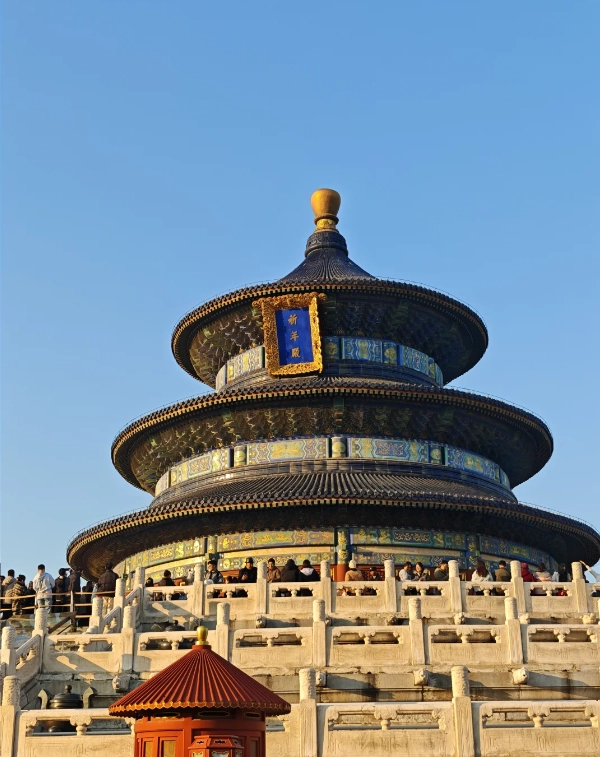
How to Get to the Temple of Heaven
Take Subway Line 5 to Tiantan Dongmen Station (East Gate of Temple of Heaven). The East Gate is a good starting point. A combo ticket (including entrance to the park and all main buildings) is about 34 RMB. The park opens at 6:00 AM, but the historic buildings open at 8:00 AM.
See the Summer Palace
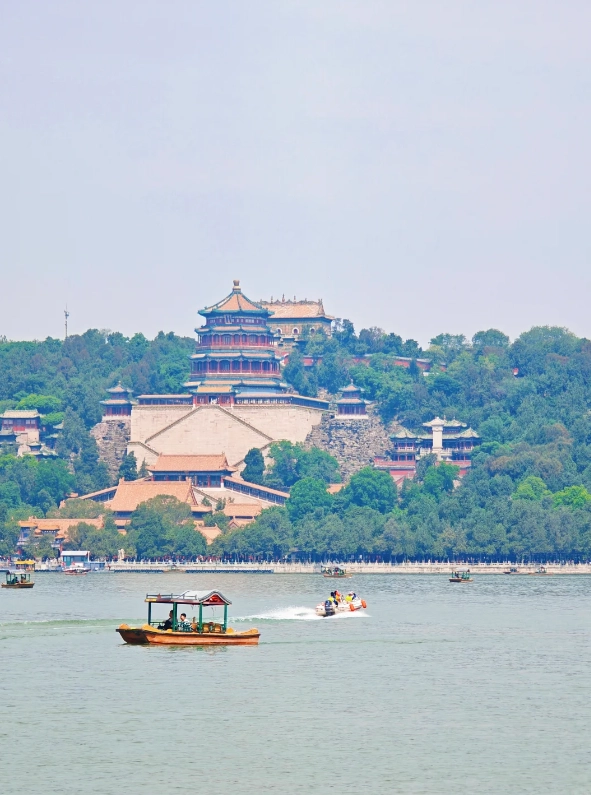
If the Forbidden City is about imperial power, the Summer Palace is about imperial leisure. It's an escape. The Dowager Empress Cixi famously used funds meant for the navy to rebuild this lakeside retreat, and you can see why she wanted it. It's centered on Kunming Lake and Longevity Hill, a masterpiece of Chinese landscape garden design.
People make the error of trying to walk the entire perimeter in one go. It's huge. Focus on the north side of the lake. Walk along the Long Corridor, a covered walkway decorated with thousands of paintings. Climb up to the Tower of Buddhist Incense for the view over the lake. Then, take a boat ride across to South Lake Island. The boats are cheap and save your feet. In winter, the lake freezes and becomes a public ice-skating rink, which is a completely different, magical experience.
The Summer Palace feels more like a park than a museum. Bring a picnic, find a quiet spot by the water, and watch the paddle boats. It's a relaxing counterpoint to the intensity of the city's other major sites.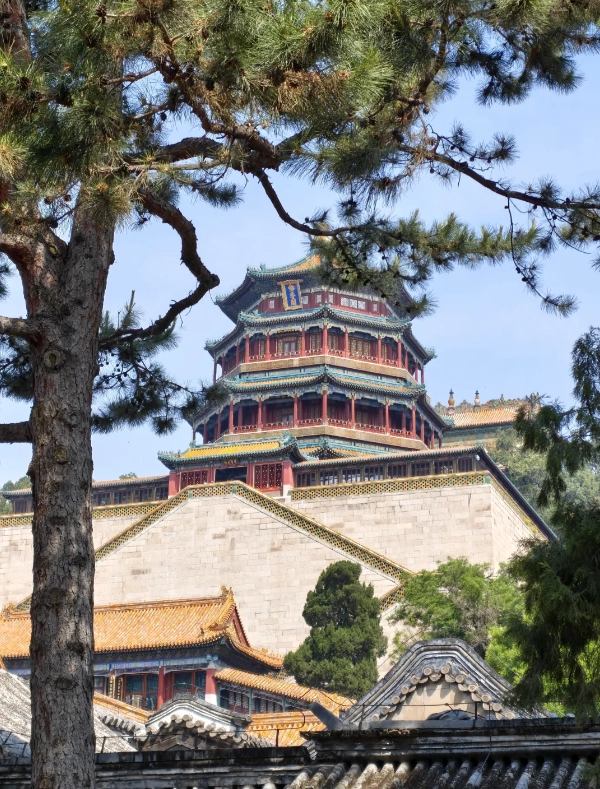
Your Beijing Travel Questions Answered
 How do I handle the language barrier when ordering food in local restaurants?
This article is based on personal, repeated visits and observations. Information regarding ticketing and hours is subject to change; always check official sources before your visit.





No comments yet.