 Tao Xu
Quick Guide
I've been guiding travelers around Macau for a decade. And if there's one question I hear every week—when should I come?—the answer is always the same: October and November. Not June, not December. Those two months hit the sweet spot: dry air, mild temps, and manageable crowds. No typhoons, no humidity, no peak-season price hikes. Let me walk you through why, and exactly how to make the most of it.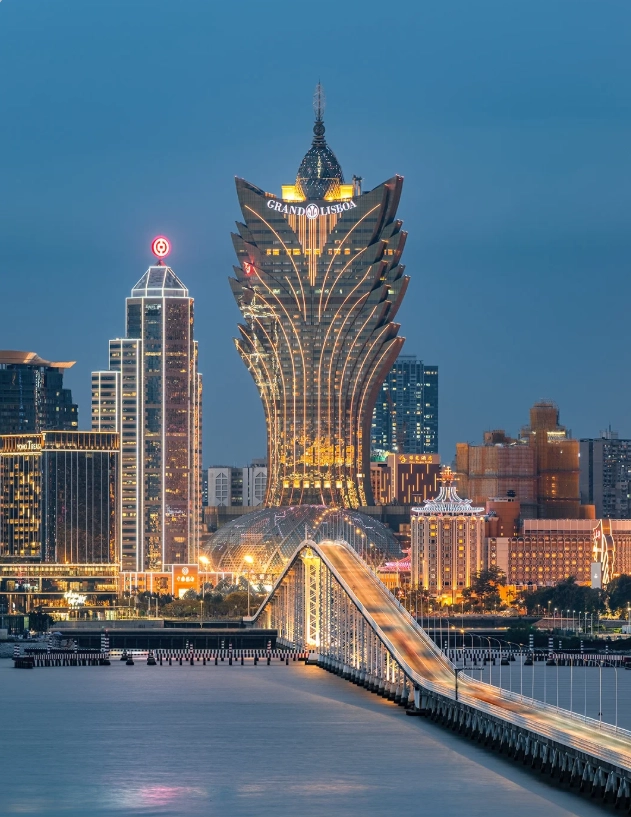
Why October & November Are the Best Months to Visit Macau
Most first-timers assume summer is ideal—beach weather, right? Wrong. Macau's summer (June–September) is a swamp. I've seen tourists drenched in sweat after a 10-minute walk to Senado Square. The humidity hovers around 80%, and sudden downpours flood the streets. I once had a group stuck under a casino awning for an hour because a typhoon warning popped up. Not fun.
October and November are the opposite. The northeast monsoon kicks in, pushing out the moisture. Skies are clear, and the breeze from the Pearl River Delta keeps things comfortable. You can walk the entire Ruins of St. Paul to Monte Fort loop without needing a shower afterwards.
Another hidden perk: air quality. In spring, Macau gets dust from inland China; in summer, ozone spikes. Autumn has the cleanest air of the year. Your photos will look crisp, not hazy.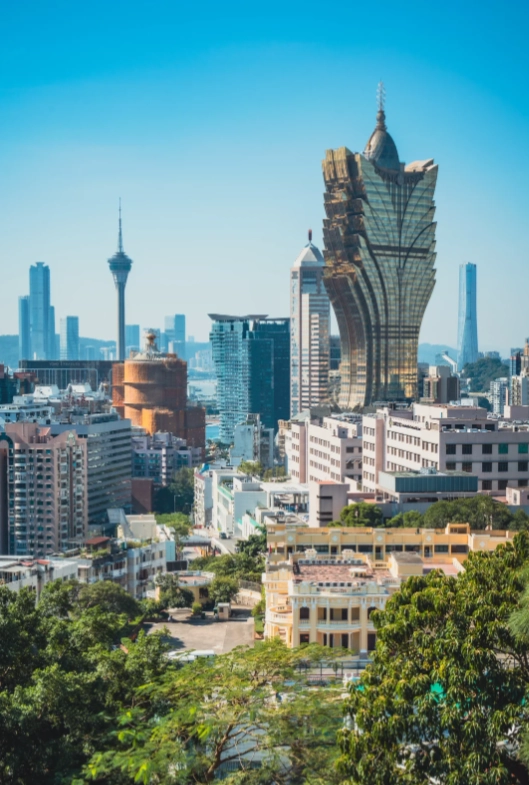
Weather Breakdown by Season (So You Can Decide)
| Season | Months | Avg Temp (°C) | Rainfall | Humidity | My Verdict |
|---|---|---|---|---|---|
| Spring | Mar–May | 18–25 | Moderate | High | Muggy, sudden showers; okay but not great |
| Summer | Jun–Sep | 26–33 | Heavy (typhoon risk) | Very High | Avoid unless you love saunas |
| Autumn | Oct–Nov | 20–27 | Low | Low–Moderate | Best – exactly what you want |
| Winter | Dec–Feb | 13–20 | Low | Moderate | Cool and pleasant, but can get chilly at night |
Winter (Dec–Feb) is also decent, but the temperature can drop to 10°C at night, and some hotels crank the AC so high you'll freeze. Plus, Christmas and Chinese New Year bring huge crowds and inflated prices. Autumn is the Goldilocks zone.
Crowds, Festivals & Events: Beat the Rush
Here's the thing about Macau: it's not just a casino town. The cultural sites—A-Ma Temple, the Historic Centre, Taipa Village—get packed on weekends and public holidays. The worst times are Chinese Golden Week (Oct 1–7), Labour Day (May 1), and the week of Chinese New Year (late Jan/early Feb). I've seen queues for the Ruins of St. Paul stretch 200 meters. Insane.
October and November have one public holiday: Chung Yeung Festival (usually early October), but locals mostly visit cemeteries, so it barely affects tourism. The week after Golden Week (Oct 8–15) is blissfully quiet.
The Macau Grand Prix (third weekend of November) is a huge draw—streets around the circuit get closed, and the city buzzes. If you're a motorsports fan, plan around it. If not, avoid that weekend because hotel prices triple.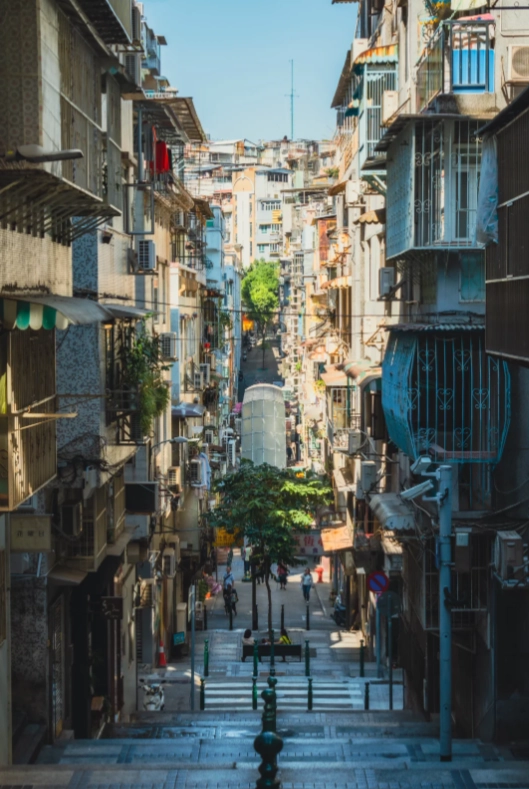
Practical Survival Tips for Foreigners in Macau
Payment – Don't Rely on Cash
Macau is almost a cashless society, but unlike mainland China, many shops still accept Hong Kong dollars and Macanese patacas. That said, international credit cards work at major hotels, casinos, and chain restaurants. For street food, local bakeries, and small shops, you'll need Alipay or WeChat Pay. If you haven't set these up with an international card, do it before you arrive. I always tell my clients: download Alipay, link your Visa/Mastercard, and top up a small balance. Many taxis also accept Alipay now. Cash is still useful for the old lady selling egg tarts, so carry 200–300 patacas in small bills.
Navigation – Google Maps Lies
Google Maps is blocked and inaccurate in Macau. I've seen people walk in circles near the Macau Ferry Terminal. Use Apple Maps (it works well here) or Waze. For public buses, download the Macau Bus app. Taxis are easy to hail, but always use the meter. If you're heading to Cotai (the casino strip), it's a flat 20–30 minute ride from the peninsula, about 80–100 patacas.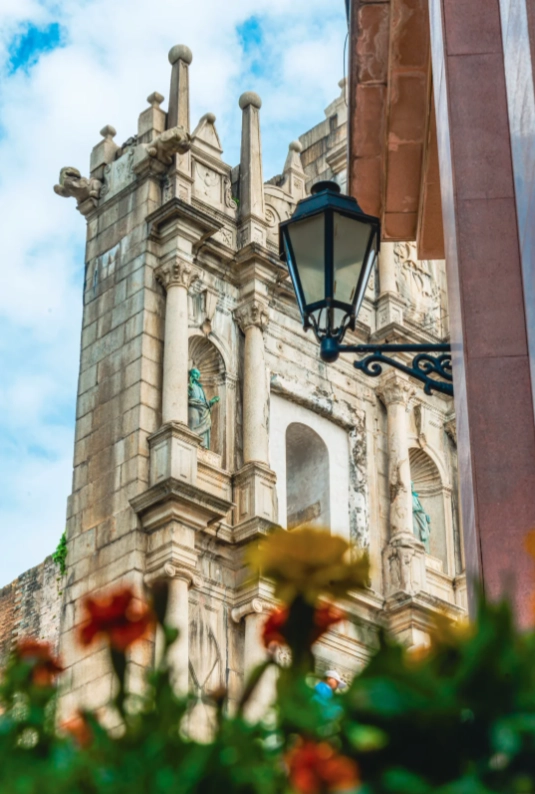
Booking – You Need WeChat or Trip.com
Many attractions require advance booking with your passport number. The official websites often ask for a Chinese phone number (a pain). I recommend using Trip.com (formerly Ctrip) or Klook – both have English interfaces and accept international cards. For the Ruins of St. Paul, you don't need a ticket (it's an outdoor site), but the Macau Museum and Macau Tower do require online tickets. Show the QR code on your phone.
Language & Connectivity
English is spoken in hotels and casinos, but not much on the streets. Download Google Translate (offline pack: Cantonese) or Apple Translate. For VPN, set it up before you leave home – many free ones don't work. I use a paid one like ExpressVPN. Also, buy a local SIM at the airport (CMHK or CTM) for cheap data.
Where to Stay: My Honest Recommendations
For a mix of culture and convenience, stay on the Macau Peninsula near Senado Square. Avoid the Cotai Strip unless you only care about casinos and shows – it's far from the historic sites.
| Hotel | Area | Price Range (per night, off-peak) | Best For | Note |
|---|---|---|---|---|
| Hotel Lisboa | Peninsula (central) | HKD 800–1200 | Culture lovers, first-timers | Iconic, old-school Macau; 10 min walk to Ruins |
| Mandarin Oriental | Peninsula (waterfront) | HKD 1500–2500 | Luxury, peace | No casino; quiet; great service |
| The Venetian | Cotai | HKD 1000–1800 | Family, gamblers, mega-resort fans | Huge rooms, but far from old town |
| Pousada de Mong-Há | Peninsula (near Mong-Há Fort) | HKD 500–800 | Budget, authentic | Colonial charm; simple but clean; English limited |
My personal pick for October/November: Hotel Lisboa. It's right in the heart, walking distance to most sights, and the old-school vibe is part of Macau's charm. Plus, the Portuguese restaurant inside serves excellent bacalhau.
24-Hour Itinerary (If You Only Have One Day)
Let's say you arrive at 9am and leave next morning. Here's how to maximize it without burning out.
9:00–9:30 – Drop bags at hotel (if early check-in isn't available, most hotels store luggage). Walk to Senado Square (starting point). Grab a coffee at the local Pastelaria Ieng Kei – their egg tarts are fresh out of the oven.
9:30–11:00 – Ruins of St. Paul and Monte Fort. Go early – by 11am tour groups arrive. The fort gives you a panoramic view of the peninsula. Avoid the stairs up the fort if you have knee issues; there's a ramp on the left side.
11:00–12:30 – Walk down to A-Ma Temple (30 min walk or take bus 18). This is Macau's oldest temple. Free entry. The incense can be strong, but the atmosphere is serene.
12:30–13:30 – Lunch at Riquexó (Rua do Almirante Sérgio). They serve Portuguese-African fusion – try the African chicken. Pay with cash or Alipay. No English menu, but point at what others are eating.
13:30–15:30 – Rest time. Go back to hotel or find a café. Macau's sun can still be strong in October. I recommend McDonald's (yes, really – they have Portuguese-style pies) for a quick air-conditioned break.
15:30–17:00 – Macau Museum (under Monte Fort). Small but well-curated. Entry is 15 patacas. Shows Macau's history from fishing village to gambling hub.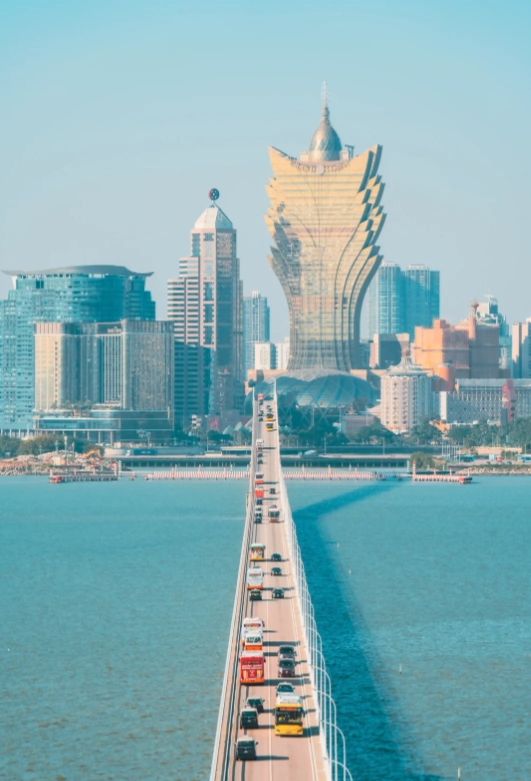
17:00–18:30 – Walk along the Na Tcha Temple and neighborhood. This area is lively in late afternoon. Grab a pork chop bun from Tai Lei Loi Kei.
18:30–20:00 – Head to Macau Tower. Evening views are stunning. Skip the bungee jump unless you're brave. The revolving restaurant is overpriced; just go to the observation deck (entry 165 patacas).
20:00–21:30 – Dinner at Fernando's in Coloane. It's a bit of a ride (taxi 15 min from Macau Tower), but the Portuguese seafood is the best in town. Book ahead – it's always full.
21:30–23:00 – Stroll through Cotai Strip to see the fountains and light shows. The Venetian's canal is free to walk. If you're not gambling, it's still a spectacle.
23:00 onwards – Back to hotel. Pack and sleep.
If it rains (rare in Oct/Nov, but possible): Swap outdoor sites for the Macau Science Center, Casino shopping arcades, or Wynn Macau's performance lake (free every 30 minutes).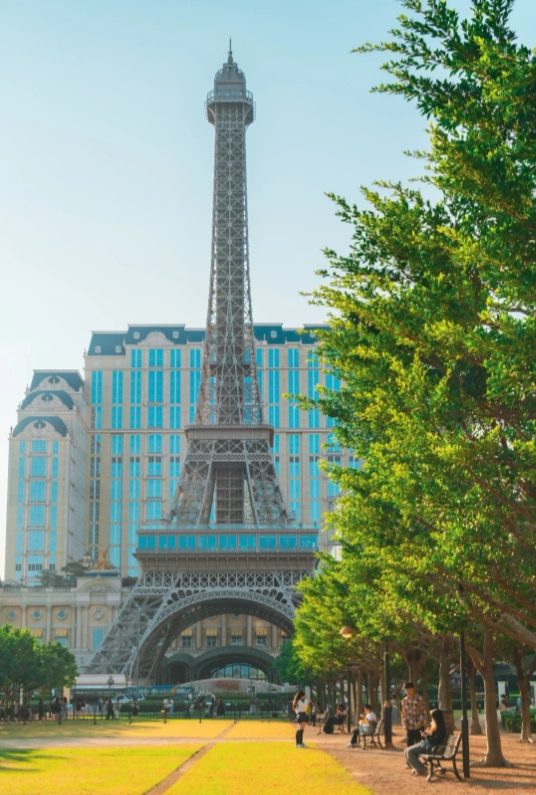





No comments yet.