 Bo Wu
Bo Wu
Quick Navigation
- The Forbidden City: Heart of Imperial China
- The Great Wall of China: A Timeless Wonder
- Tiananmen Square: Symbol of Modern China
- Temple of Heaven: Imperial Sacrificial Site
- Summer Palace: Imperial Garden Retreat
- Lama Temple: Tibetan Buddhist Gem
- Beihai Park: Ancient Royal Garden
- 798 Art Zone: Contemporary Art Hub
- Hutong Tours: Traditional Alleyway Life
- Olympic Park: Modern Architectural Marvel
- How to Plan Your Beijing Attractions Visit
- Frequently Asked Questions About Beijing Attractions
Beijing is a city where ancient history collides with modern ambition. I've spent weeks exploring its streets, and let me tell you, the sheer scale of its attractions can overwhelm even seasoned travelers. This guide cuts through the noise to bring you the top 10 must-see spots, based on my personal visits and countless conversations with local guides. Forget generic lists; here, you'll get the practical details—ticket prices, exact addresses, operating hours, and transport hacks—that actually help you plan. Whether it's your first time or you're returning for deeper exploration, these sites form the backbone of any Beijing itinerary.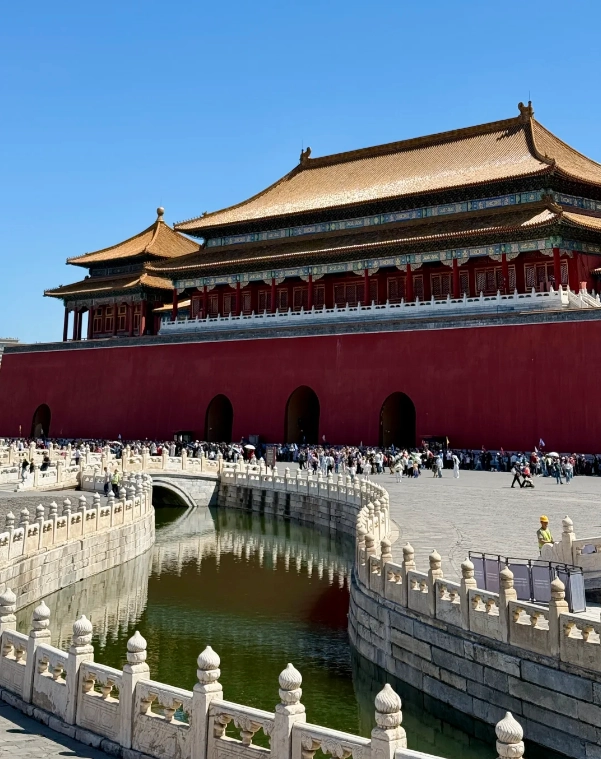
The Forbidden City: Heart of Imperial China
Walking through the Meridian Gate into the Forbidden City feels like stepping into a different era. The first thing that struck me was the color—those vibrant red walls and yellow glazed tiles under a clear blue sky. But here's a tip most guides miss: the crowds peak around 10 AM. I made the mistake of arriving mid-morning once and spent more time navigating people than appreciating the architecture. Go right at opening time, and you'll have moments of relative peace in the outer courtyards.
Practical Information for the Forbidden City
Address: 4 Jingshan Front St, Dongcheng District, Beijing. It's directly north of Tiananmen Square.
Operating Hours: 8:30 AM to 5:00 PM (April to October), 8:30 AM to 4:30 PM (November to March). Last entry is one hour before closing. Closed on Mondays.
Ticket Price: Approximately 60 RMB for the peak season (April-October), 40 RMB for the off-season. You must book online in advance through the official website or platforms like WeChat—walk-up tickets are rarely available.
Getting There: Take Subway Line 1 to Tiananmen East Station (Exit B) or Tiananmen West Station (Exit A). From there, it's a short walk through Tiananmen Square. Avoid taxis during rush hour; the area gets congested.
The palace complex is massive, covering 72 hectares. Don't try to see everything in one go. Focus on the central axis—the Hall of Supreme Harmony, Hall of Central Harmony, and Hall of Preserving Harmony—then explore a side palace or two. I found the Clock and Watch Exhibition Hall in the Fengxian Palace oddly fascinating, showcasing intricate timepieces gifted to emperors.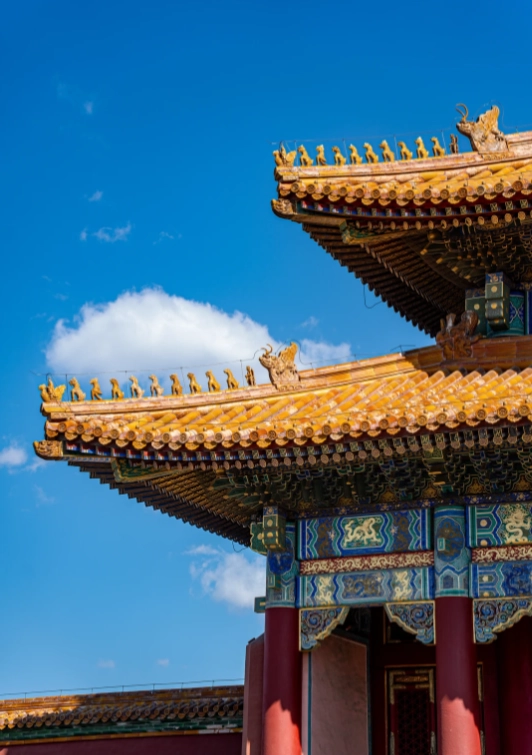
The Great Wall of China: A Timeless Wonder
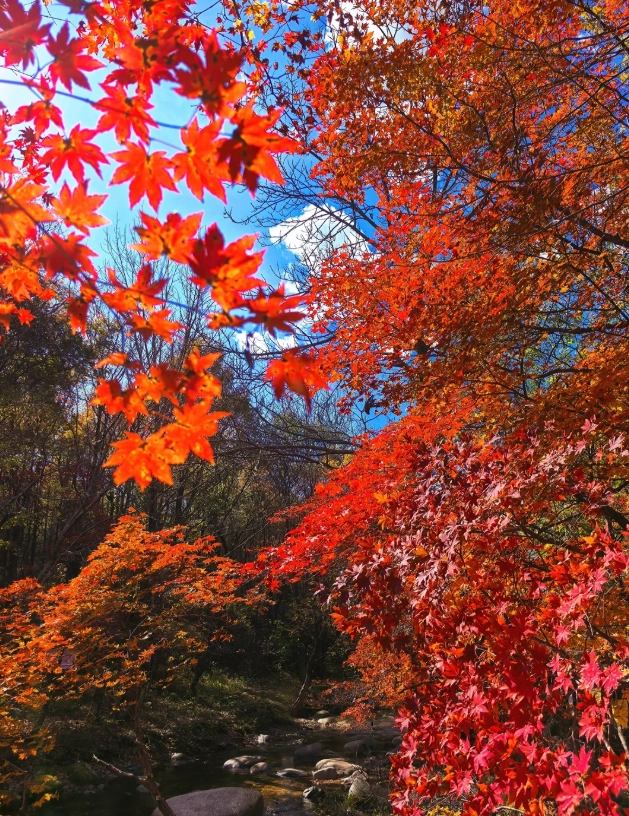
Visiting the Great Wall is a bucket-list item, but choosing which section matters. Badaling is the most famous, but it's also the most crowded. I've been there, and on a holiday, it felt like a queue rather than a hike. Mutianyu, about 90 minutes from downtown, offers a better balance. It's restored but less packed, with a cable car option for those who prefer not to climb. The view from Tower 14 is spectacular, especially in autumn when the leaves turn gold.
Great Wall Sections Compared
| Section | Distance from Beijing | Ticket Price (Approx.) | Best For | My Personal Take |
|---|---|---|---|---|
| Badaling | 70 km, 1.5 hours by car | 45 RMB (peak season) | First-timers, accessibility | Too touristy; go early or avoid weekends. |
| Mutianyu | 90 km, 2 hours by car | 45 RMB | Families, scenic views | Less crowded, cable car available. |
| Jinshanling | 150 km, 2.5 hours by car | 65 RMB | Hikers, photography | More rugged, great for sunrise hikes. |
Transport Tip: For Mutianyu, I took a tourist bus from Dongzhimen Transport Hub—it costs around 30 RMB round-trip and leaves around 7:30 AM. Hiring a private car is easier but pricier (about 500-600 RMB for the day). Wear sturdy shoes; the steps are uneven and steep in parts.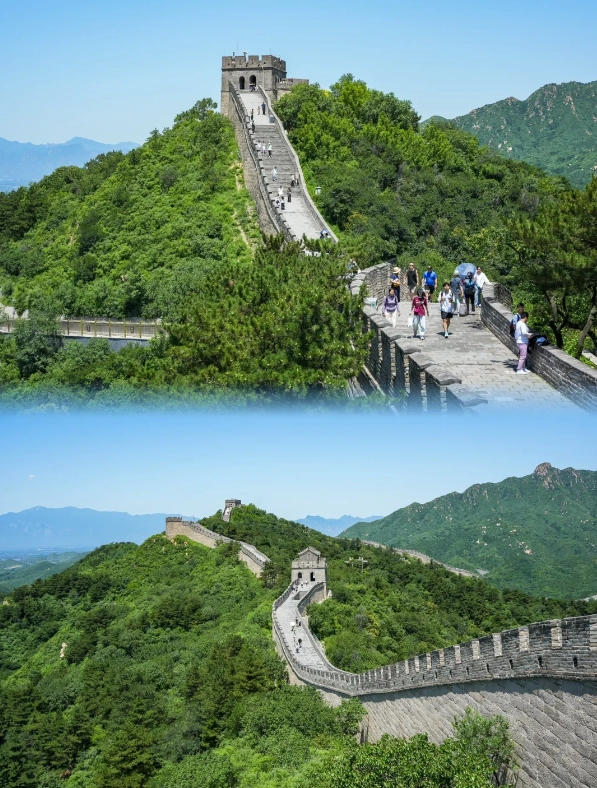
Tiananmen Square: Symbol of Modern China
Tiananmen Square is vast, open, and often windy. I remember standing there at dawn for the flag-raising ceremony; it's a solemn experience, but get there at least 30 minutes early to secure a spot. The square itself is free to enter, but security checks are strict—no large bags or liquids. Nearby, the Chairman Mao Memorial Hall requires separate timing; it's open Tuesday to Sunday mornings, and lines can be long.
Address: Dongcheng District, Beijing, adjacent to the Forbidden City.
Hours: Open 24 hours, but access may be restricted during events.
Ticket: Free, but bring ID for security checks.
Transport: Subway Line 1 to Tiananmen East or West Station.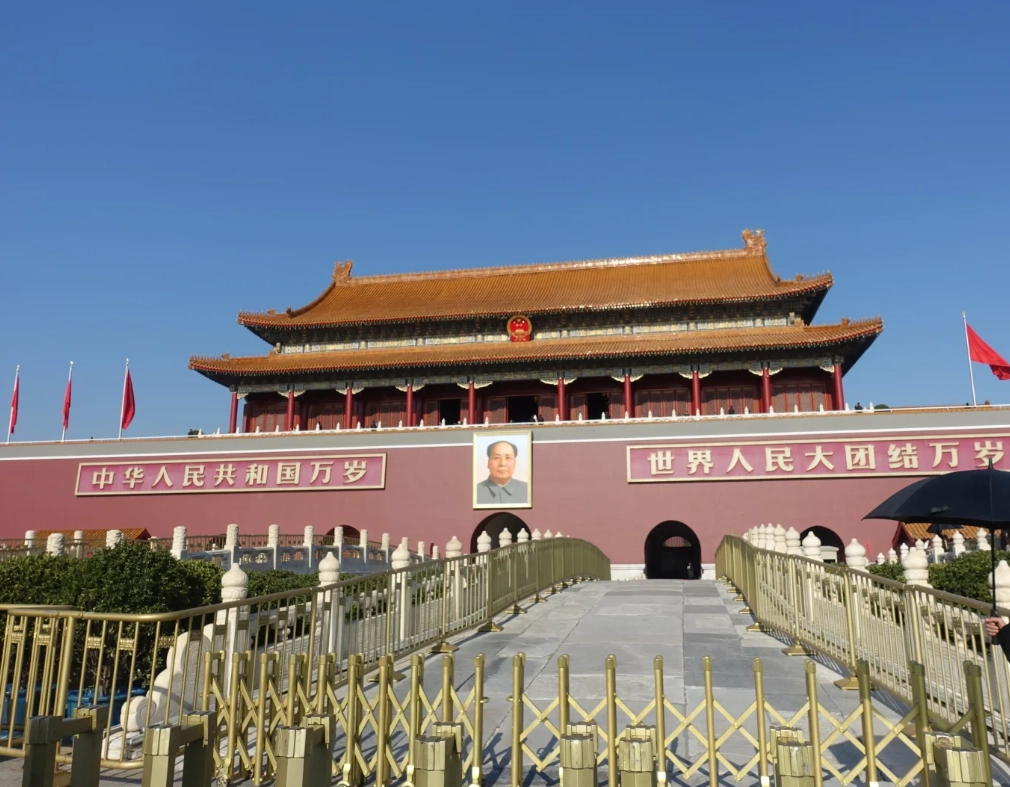
Temple of Heaven: Imperial Sacrificial Site
The Temple of Heaven is where emperors prayed for good harvests. The Hall of Prayer for Good Harvests is iconic, but my favorite part is the Echo Wall. When I visited, a local showed me how to whisper against the wall and hear it clearly on the other side—it actually works if the crowd isn't too loud. The park surrounding the temple is filled with locals practicing tai chi or playing chess, giving it a lively, authentic feel.
Address: 1 Tiantan E Rd, Dongcheng District.
Hours: 6:00 AM to 8:00 PM for the park, 8:00 AM to 5:30 PM for the temple complex.
Ticket: 15 RMB for the park, 35 RMB for the combined ticket including the hall. Buy at the gate; no need for advance booking.
Transport: Subway Line 5 to Tiantan East Gate Station.
Summer Palace: Imperial Garden Retreat
The Summer Palace is a sprawling garden with a lake, palaces, and temples. I spent a whole afternoon here and still didn't cover everything. Take a boat ride on Kunming Lake—it's touristy, but the view of the Longevity Hill from the water is worth it. Avoid the main halls in the middle of the day; instead, walk along the Long Corridor, admiring the painted scenes. In winter, the lake freezes, and you can ice-skate, which is a unique experience.
Address: 19 Xinjian Gongmen Rd, Haidian District.
Hours: 6:30 AM to 6:00 PM (April to October), 7:00 AM to 5:00 PM (November to March).
Ticket: 30 RMB for the garden, 60 RMB for the through ticket including all sites. Tickets available on-site.
Transport: Subway Line 4 to Beigongmen Station, then a short walk.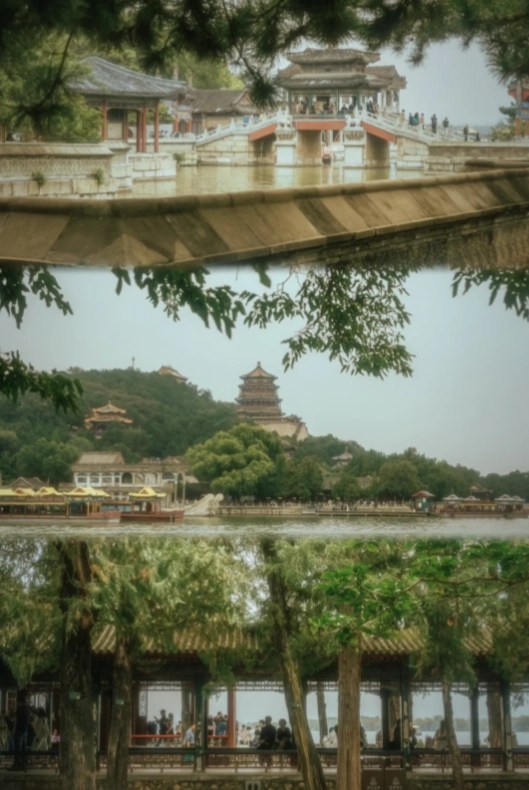
Lama Temple: Tibetan Buddhist Gem
Yonghe Temple, commonly called Lama Temple, is an active monastery with a serene atmosphere. The smell of incense hits you as soon as you enter. I watched monks chanting in the halls, and it's a peaceful contrast to the city's hustle. The 26-meter tall Maitreya Buddha carved from a single sandalwood tree is awe-inspiring. Don't miss the side halls with intricate thangkas.
Address: 12 Yonghegong St, Dongcheng District.
Hours: 9:00 AM to 4:30 PM daily.
Ticket: 25 RMB, purchase at the entrance.
Transport: Subway Line 2 or 5 to Yonghegong Lama Temple Station.
Beihai Park: Ancient Royal Garden
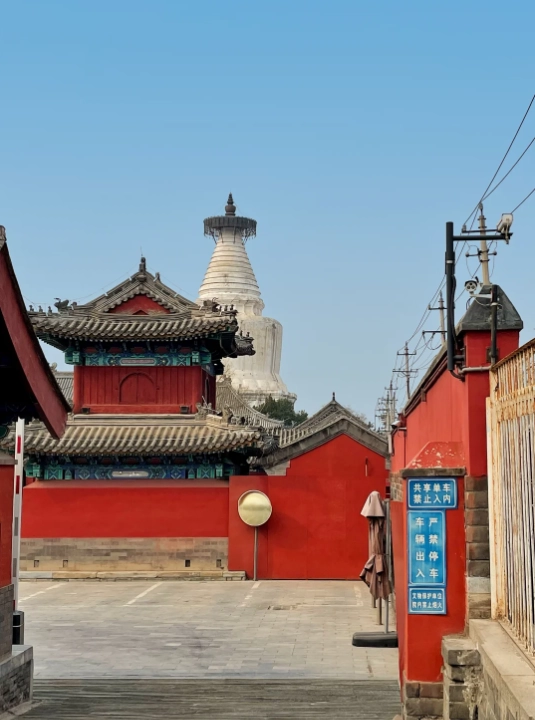
Beihai Park is one of Beijing's oldest imperial gardens, centered around a large lake. I rented a paddle boat here—it's cheap and fun, offering views of the White Dagoba on Qionghua Island. The park is less crowded than the Summer Palace, making it a good spot for a relaxed stroll. The Nine-Dragon Wall is a highlight, with vibrant glazed tiles depicting dragons.
Address: 1 Wenjin St, Xicheng District.
Hours: 6:30 AM to 8:00 PM (April to October), 6:30 AM to 6:00 PM (November to March).
Ticket: 10 RMB for the park, additional fees for some sites like the White Dagoba (10 RMB).
Transport: Subway Line 6 to Beihai North Station.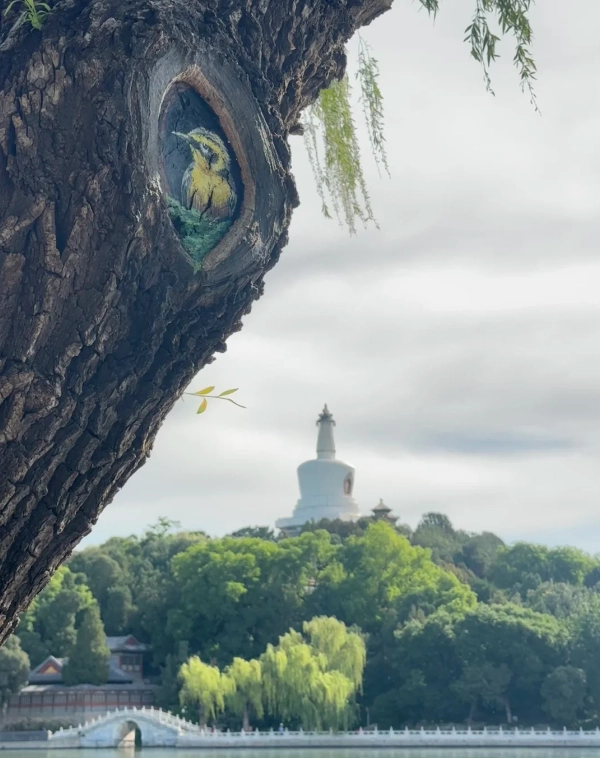
798 Art Zone: Contemporary Art Hub
798 Art Zone is a repurposed factory complex turned art district. It's gritty, creative, and totally different from the historical sites. I spent hours gallery-hopping; some exhibits are free, others charge a small fee. The industrial architecture—exposed pipes and brick walls—adds to the vibe. Cafés here are overpriced, but the people-watching is excellent.
Address: 4 Jiuxianqiao Rd, Chaoyang District.
Hours: Galleries open around 10 AM to 6 PM, but vary; the area is accessible 24/7.
Ticket: Free for most public areas, some galleries may charge 20-50 RMB.
Transport: Take Subway Line 14 to Jiangtai Station, then walk 10 minutes.
Hutong Tours: Traditional Alleyway Life
Beijing's hutongs are narrow alleys lined with siheyuan (courtyard houses). I took a rickshaw tour through Nanluoguxiang, but it felt too commercial. Instead, I recommend wandering the quieter hutongs around the Drum and Bell Towers. You'll see daily life—locals hanging laundry, playing mahjong, and selling street food. Try jianbing (savory crepes) from a street vendor; it's cheap and delicious.
Best Areas: Nanluoguxiang for vibrancy, Yandaixie Street for shops, or the Back Lakes area for authenticity.
Tour Options: Walking tours start around 200 RMB per person; rickshaw tours are 100-150 RMB for 30 minutes.
Transport: Subway Line 8 to Shichahai Station for the Back Lakes.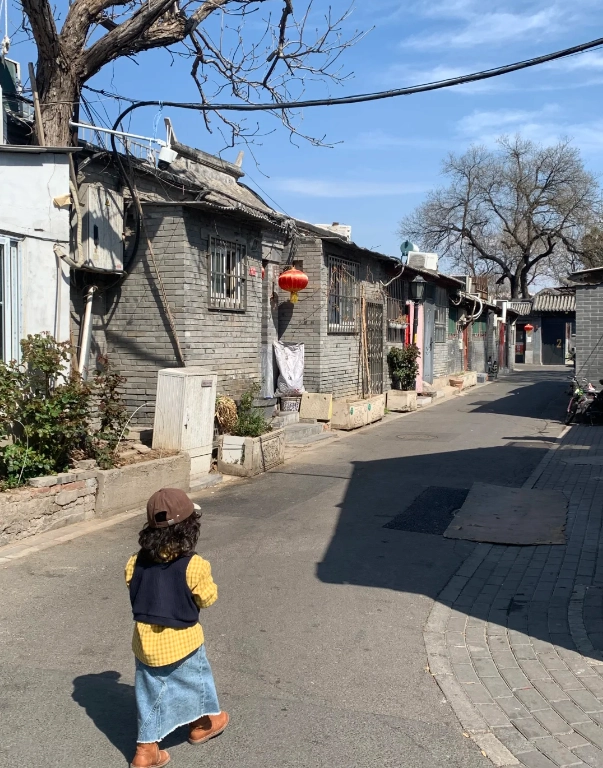
Olympic Park: Modern Architectural Marvel
Olympic Park, built for the 2008 Olympics, showcases modern design. The Bird's Nest (National Stadium) and Water Cube (National Aquatics Center) are impressive, especially lit up at night. I visited the Water Cube; it's now a water park, which feels a bit gimmicky, but the architecture is still striking. The park is huge, so wear comfortable shoes.
Address: Olympic Green, Chaoyang District.
Hours: Park open 24 hours; Bird's Nest 9:00 AM to 7:00 PM, Water Cube 9:00 AM to 6:00 PM.
Ticket: Park free; Bird's Nest tour 50 RMB, Water Cube entry 30 RMB.
Transport: Subway Line 8 to Olympic Green Station.
Insider Tip: Many attractions offer discounted tickets if booked online via official Chinese platforms like Ctrip or Meituan. Use a translation app if needed, as English interfaces can be limited. Also, carry cash—some smaller sites don't accept foreign credit cards.
How to Plan Your Beijing Attractions Visit
Planning is key to avoiding burnout. Based on my trips, here's a sample 3-day itinerary:
- Day 1: Start early at Tiananmen Square, then explore the Forbidden City (book tickets weeks ahead). After lunch, head to Jingshan Park across the street for a panoramic view of the palace. End with a hutong walk in the evening.
- Day 2: Dedicate to the Great Wall—choose Mutianyu for a balance. Leave by 7 AM to beat crowds. Return to the city by late afternoon and visit the Olympic Park at night.
- Day 3: Morning at the Temple of Heaven, then the Summer Palace in the afternoon. If time allows, stop by Lama Temple on the way back.
Use the subway for most travel; it's efficient and cheap. Buy a transportation card at any station for easier access. For attractions, always check official websites for last-minute closure notices.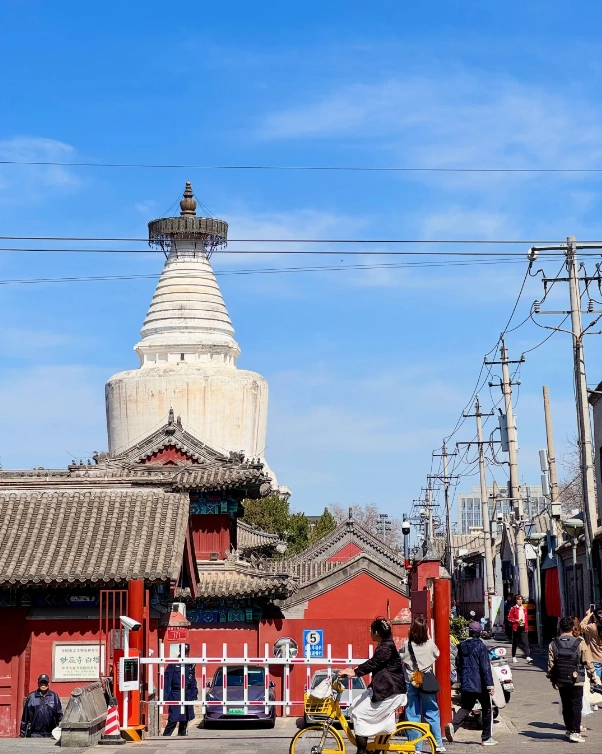
Frequently Asked Questions About Beijing Attractions
 How can I avoid crowds at the Great Wall?
This guide is based on personal visits and verified information from official sources like the Beijing Municipal Culture and Tourism Bureau. Details such as ticket prices and hours are subject to change; always double-check before your trip.





Paid partnership inquiry: We are ChinaPal AI (https://aihubai.cn/), an AI travel assistant for China. We would like to commission a sponsored recommendation article on China Travel Compass featuring our pricing page (https://aihubai.cn/pricing.html) and our AI translation tool (https://aihubai.cn/translate.html). We offer $50 USD via PayPal for the post. Please reach us at [email protected] to discuss. Thank you!