 Tao Xu
What You'll Find Here
I've lost count of the times I've seen tourists stranded at the Cotai Strip because they didn't know the last bus runs at midnight. Or worse, stuck in a taxi that refused their international card. Macau's public transport system is efficient once you crack the code — but the code isn't written in English. Let me save you the frustration.
Here's the deal: Macau is tiny (about 33 km²), but the transport options can be confusing. Buses, light rail, taxis, and free casino shuttles all overlap. The biggest traps? Thinking Google Maps works (it doesn't), assuming all taxis take credit cards (they don't), and not carrying enough cash. This guide will make you move like a local by dinner time.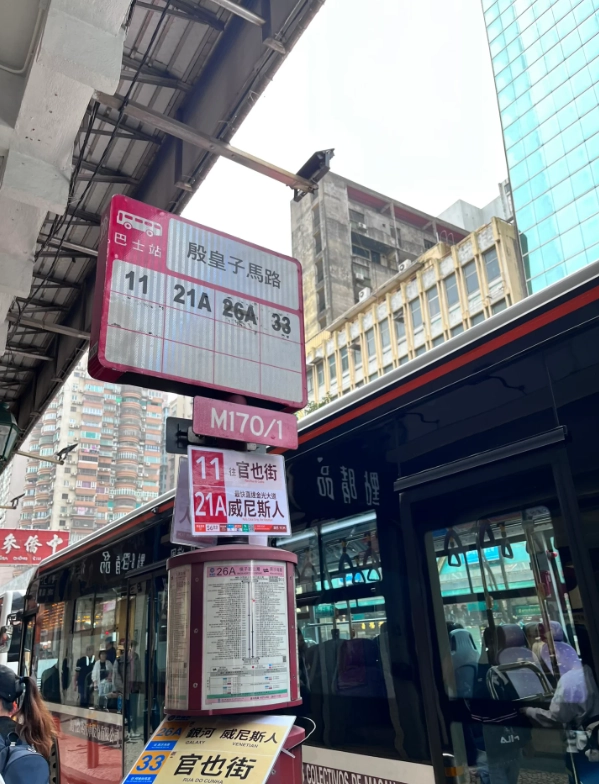
Why Macau Public Transport Needs a Guide
First, a reality check. Macau's public transportation is designed for Chinese speakers and digital payment users. As a foreigner, you'll hit three walls: navigation apps fail, many drivers speak only Cantonese or Mandarin, and cash is still king for taxis and some buses. But that's exactly why I'm writing this — to turn those walls into stepping stones.
Macau Bus System: The Backbone
Buses cover everywhere — from the historic center to Coloane. Frequency is high (every 5-15 minutes), and fares are cheap. But the learning curve is real.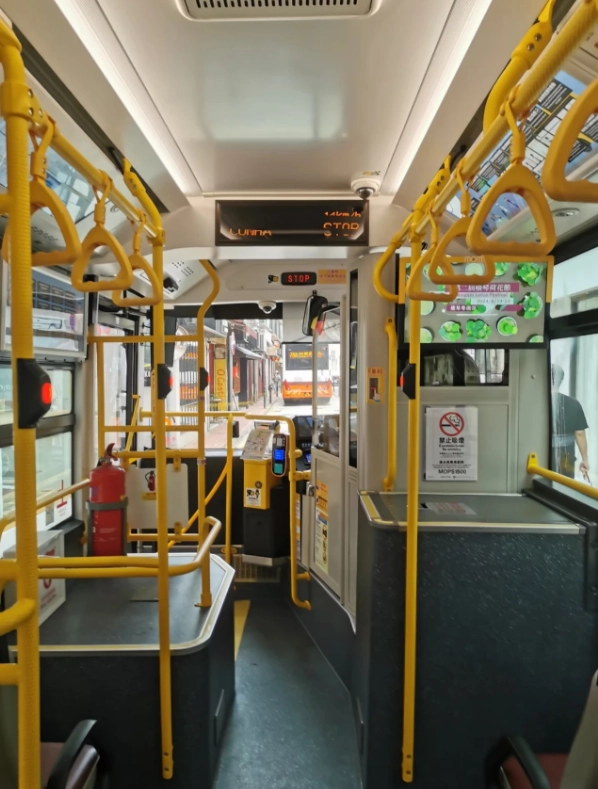
How to Read Bus Routes and Stops
Each stop has a number and Chinese name. Look for the route map at the stop (usually only in Chinese). Pro tip: use the app Moovit (download before arrival) — it's the only reliable English-friendly transit app for Macau. Apple Maps also works okay, but never Google Maps.
Bus Fares and Payment Methods
| Payment Method | Fare (MOP) | Notes |
|---|---|---|
| Macau Pass (prepaid card) | 3.00 per ride | Cheapest; buy at convenience stores or bus terminals |
| Alipay / WeChat Pay | 6.00 per ride (full fare) | Works on most buses; need to scan QR code |
| Cash (coins only) | 6.00 exact change | Drivers rarely give change; bring MOP 1, 2, 5 coins |
My personal frustration: Cash-only on some older buses — I always keep a stash of MOP 20 in coins just in case.
Key Bus Routes for Tourists
- 21A: Links the Border Gate (Portas do Cerco) to the historic center (Senado Square) and continues to Taipa and Coloane. Essential for exploring the peninsula.
- 25: Runs from the outer harbor ferry terminal to the Cotai Strip (Venetian, City of Dreams). Handy for casino hoppers.
- 26A: Connects the Macau Peninsula to Taipa and Coloane village. Scenic route along the coast.
- AP1: Airport to the Border Gate via Taipa. Fast and direct.
Common Bus Mistakes to Avoid
Another trap: Not pressing the stop button early enough. If you don't signal, the driver may skip your stop. Press the red button a stop before yours.
My tip: Use Moovit's live bus tracker — it shows the bus location and how many stops away. A lifesaver when you're unsure.
Macau Light Rail: Fast but Limited
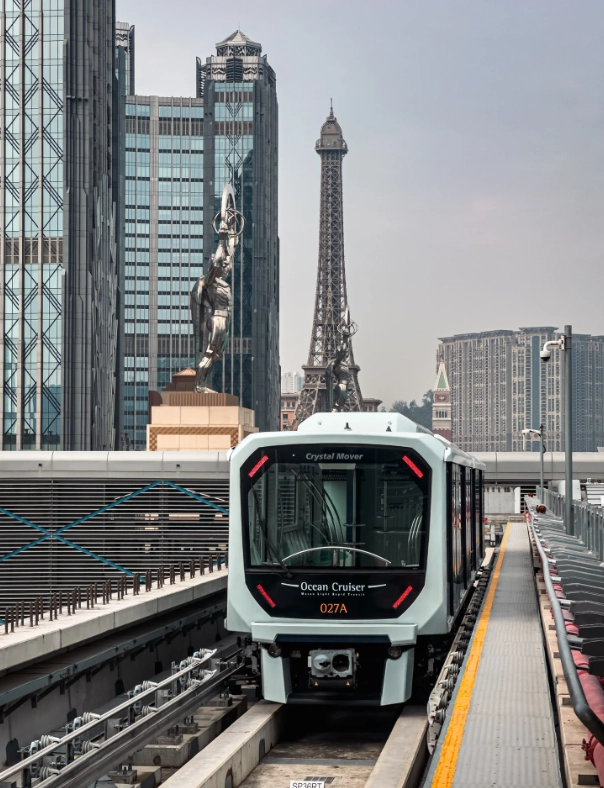
The Taipa line opened in 2019. It's modern, air-conditioned, and avoids traffic. But it only covers Taipa and Cotai — not the Macau Peninsula.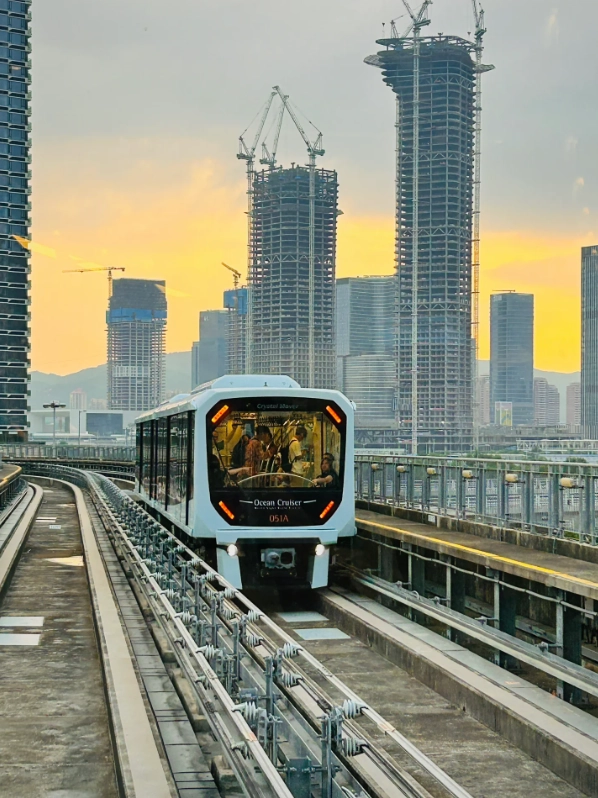
Light Rail Routes and Stations
Stations from Ocean to Barra on the peninsula connect via the bridge. Key stops: Taipa, Cotai West (Venetian), Cotai East (Wynn Palace), Macau University. Trains run every 5-10 minutes from 6am to midnight.
Ticket Prices and How to Buy
| Ticket Type | Price | Notes |
|---|---|---|
| Single journey | MOP 6-10 (distance-based) | Tickets from vending machines (cash or Alipay) |
| Macau Pass stored value | Value loaded | Same card as bus; tap in and out |
When to Use Light Rail vs Bus
Light rail is best for smooth rides between Cotai casinos or to the Macau University area. But if you're going from Cotai to the historic center (Senado Square), take a bus (25 or 26A) — it's faster and cheaper. Light rail to Barra then a short walk or bus is an alternative, but I find the bus more direct.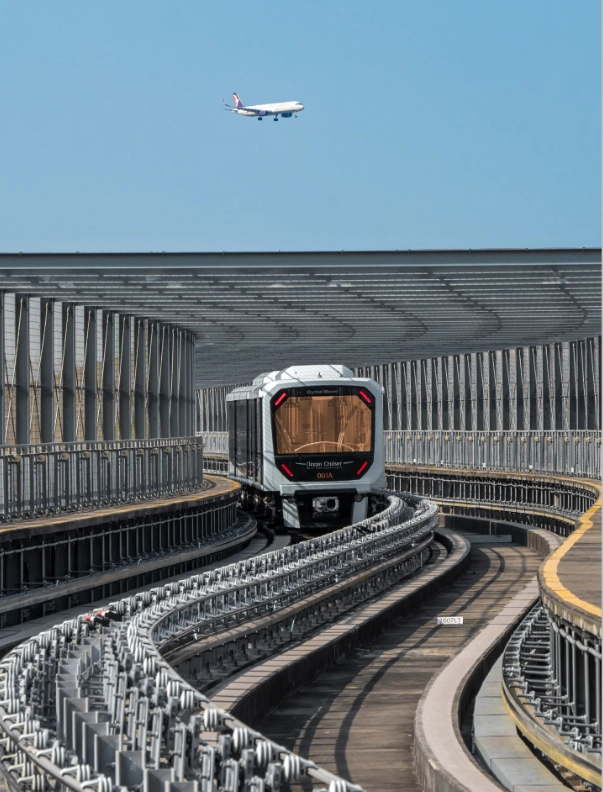
Taxis in Macau: Convenience at a Cost
Taxis are everywhere, but getting one to stop and accept payment can be a hassle.
How to Hail a Taxi (Black vs Green)
Black taxis serve the peninsula and Taipa. Green taxis only operate in Coloane and the remote areas. Both charge similar fares. Hail on the street, especially near hotels or bus stations — they rarely pick up at random spots.
Taxi Fares and Surcharges
| Item | Amount |
|---|---|
| Flag fall | MOP 19 (first 1.6 km) |
| Each additional 260m | MOP 2 |
| Waiting time (per min) | MOP 2 |
| Large luggage (each) | MOP 3 |
| Tunnel surcharge (e.g., Sai Van Bridge) | MOP 5 |
Warning: Most taxi drivers do NOT accept international credit cards. Cash only. A few take Alipay or WeChat Pay — ask first. I always carry MOP 200 in small bills for taxi trips.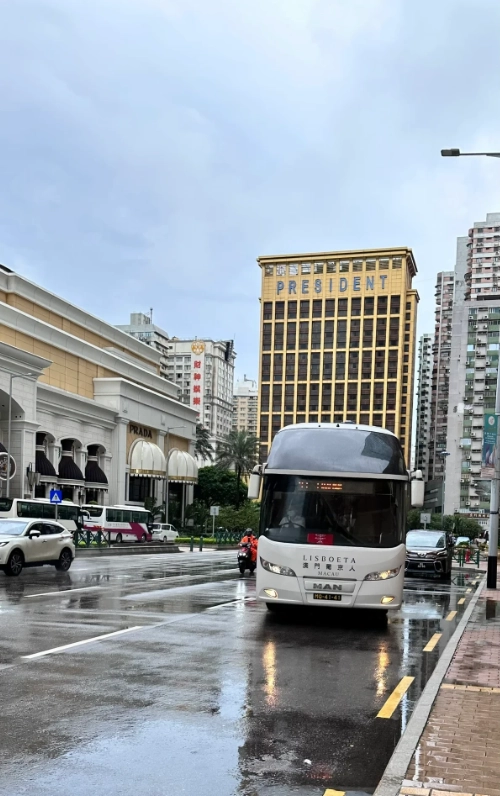
Payment Tips
Free Shuttle Buses: Tourist's Best Friend
Casino resorts operate free shuttles between key transport hubs and their properties. You don't need to gamble to ride them.
Major Shuttle Routes
- Venetian / Galaxy / Wynn: Airport ↔ Cotai resorts (every 15 min).
- Lisboa / Grand Lisboa: Ferry terminal ↔ Macau Peninsula casinos.
- Border Gate Shuttle: Many casinos run shuttles from the Border Gate to the Cotai Strip (free, but you might need to show a membership card — just smile and walk on).
How to Find and Use Shuttles Without Staying at the Resort
Shuttle stops are clearly marked at the arrivals hall of the airport, outside ferry terminals, and near the Border Gate. Just queue up. They run until about 11pm. Pro tip: Use the shuttles as a hop-on-hop-off service — ride from the airport to the Venetian, then walk to the next shuttle to Taipa village. But note: some shuttles require a resort membership (free to sign up at the hotel lobby). Don't be shy; just ask the driver.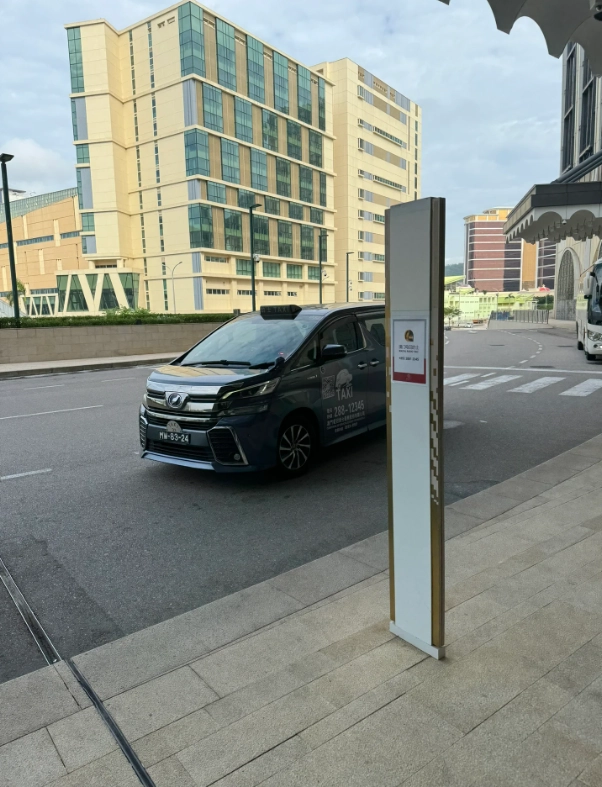
Walking & Biking: Underrated Options
Macau is walkable in patches. The historic center (Senado Square to Ruins of St. Paul) is best on foot. Taipa Village is tiny and charming. But don't try walking between Cotai casinos — it's deceivingly far (20 min between some resorts).
Best Walkable Areas
- Senado Square to Ruins of St. Paul: 10-minute walk, packed with shops and pastel-colored buildings.
- Taipa Village: Food street (Rua do Cunha) and small temples — 1 hour to explore.
- Coloane Village: Quieter, with the famous Lord Stow's Bakery and a beach.
Where to Rent Bikes
Bike rentals are scarce. There's a public bike-sharing system called Bike Sharing Macau (stations near the Macau Science Center and some parks). However, stations are limited, and registration requires a local phone number. Honest opinion: Skip biking unless you're a cycling enthusiast. It's hilly and traffic can be chaotic. Stick to walking or buses.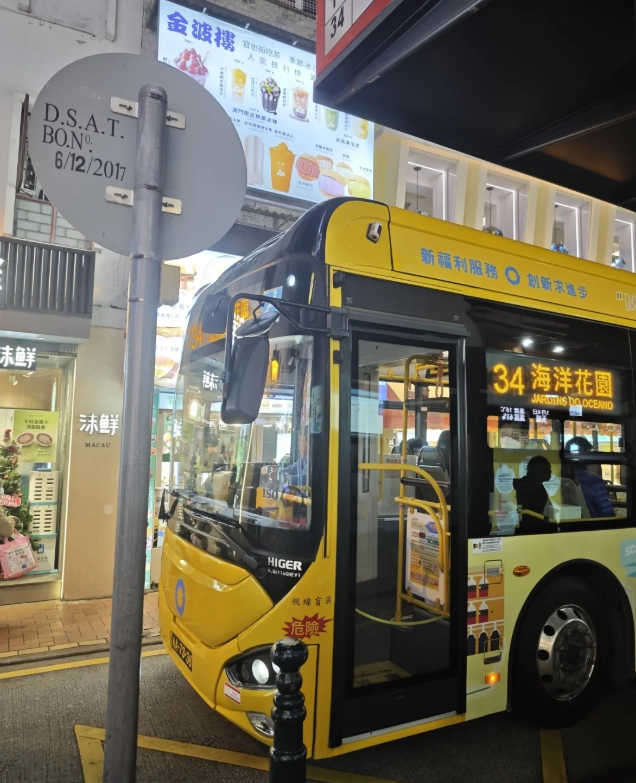
Practical Tips for Foreign Tourists
Payment: Alipay WeChat vs Cash
Set up Alipay before you arrive — it's accepted on buses (scan QR), light rail, taxis (some), and stores. Link your international credit card. WeChat Pay also works but is less prevalent for transport. Always carry MOP 200-300 in cash (coins and small bills) for taxis and small shops. Many ATMs dispense MOP using your foreign card (HSBC, Bank of China).
Navigation: Apple Maps or Moovit?
Google Maps is useless in Macau — it doesn't have accurate bus routes or real-time info. Apple Maps works surprisingly well for driving and walking directions (it uses local data). For public transit, use Moovit — it shows bus lines, stops, and real-time arrivals. Download it before you leave wifi.
Language Barriers and How to Overcome
Bus drivers rarely speak English. Prepare the name of your destination in Chinese (write it down or show on your phone). Use Baidu Translate or Apple Translate for voice translation. Most taxi drivers know a few English words like "airport" and "ferry." If lost, ask a younger person — many speak basic English.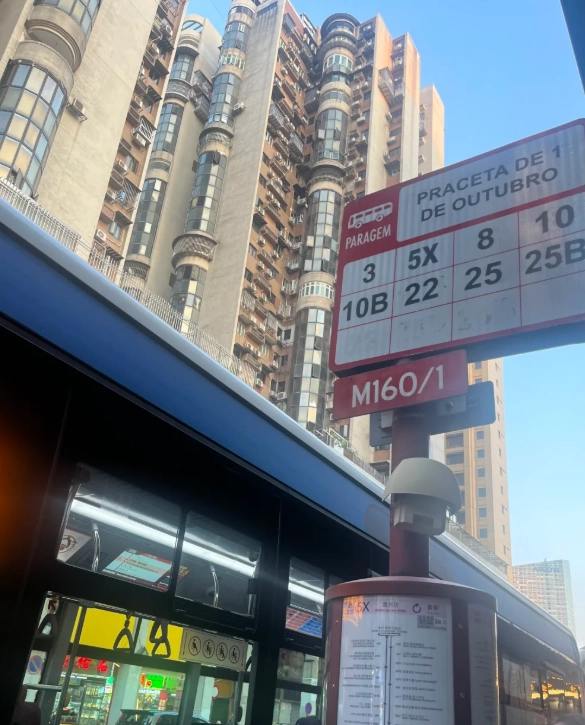
Connectivity: VPN and SIM Cards
You need a VPN to access Google, Facebook, Instagram, and WhatsApp. Install it before you arrive. For internet, buy a local SIM card at the airport (e.g., CMHK or 3 Macau) for about MOP 100 with 5GB data. Or use a travel eSIM like Airalo. Hotel wifi is usually good but can be slow.






No comments yet.