 Chen Liu
Quick Navigation
- How to Book Guangzhou to Haikou Train Tickets
- Guangzhou to Haikou Train Schedule and Duration
- What to Expect: Train Types and Seat Classes
- Tips for Foreign Travelers: Payments, Navigation, and Language
- Arriving in Haikou: Getting from the Station to Your Hotel
- Frequently Asked Questions about Guangzhou to Haikou Train
I’ve lost count of how many times I’ve made this trip myself. The train from Guangzhou to Haikou is a lifeline for anyone heading to Hainan — but if you’re a foreigner, the process can be a maze of WeChat miniprograms, passport checks, and confusing platform signs. Let me walk you through every step so you don’t end up stuck at Guangzhou South like I once did with a group of very jet-lagged tourists.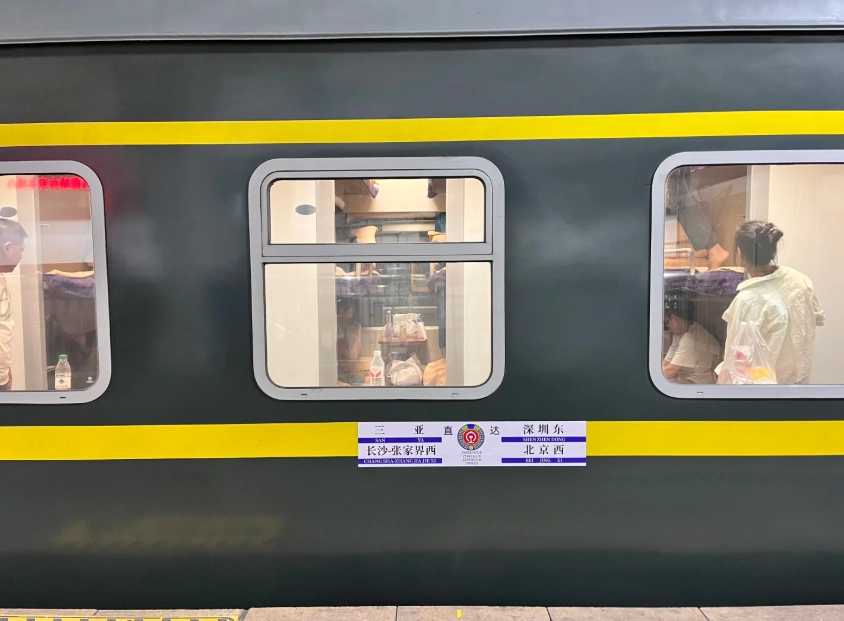
Verified and fact-checked by the editorial team.
How to Book Guangzhou to Haikou Train Tickets
Booking is where most foreigners trip up. The official Chinese railway website 12306.cn has an English version, but it’s notoriously glitchy and often rejects international credit cards. Here’s what I recommend:
Use Trip.com (formerly Ctrip)
Trip.com is a lifesaver. They have an English interface, accept Visa/Mastercard, and show real-time availability. You’ll pay a small service fee (about $2–$3), but it saves you from the headache of China’s digital ecosystem. I’ve used it dozens of times without a hitch. Just search “Guangzhou South” to “Haikou East” — those are the main stations.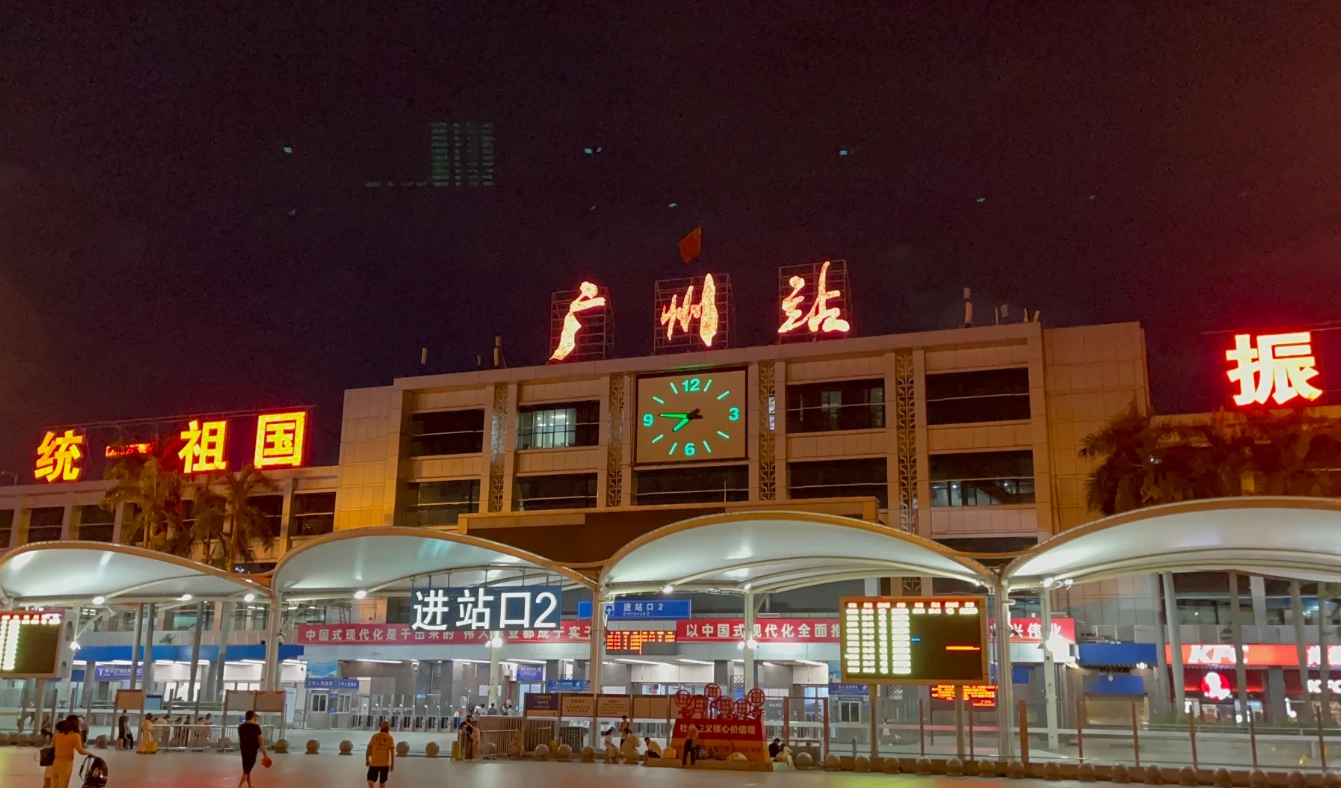
What about WeChat or Alipay?
If you have a Chinese bank account or a friend in China, you can use the 12306 miniprogram inside WeChat. But for most tourists, Trip.com is far easier. Warning: The official 12306 English site sometimes requires a Chinese phone number for registration — a real pain. If you insist, try using a VPN and an international number, but honestly, just go with Trip.com.
When to book
Tickets go on sale 15 days in advance (for high-speed trains). If you’re traveling during Chinese holidays (like Spring Festival or National Day), book as soon as they’re released. Otherwise, 3–5 days ahead is usually fine. I once booked the morning of and still got a seat — but it was a Tuesday in October. Don’t risk it during peak season.
I learned this the hard way after missing a train with a whole tour group.
Guangzhou to Haikou Train Schedule and Duration
Trains run from around 7:00 AM to 8:00 PM. The first train is usually around 7:10 and the last around 19:30. Here’s a sample timetable — but always check Trip.com for live updates because schedules change seasonally.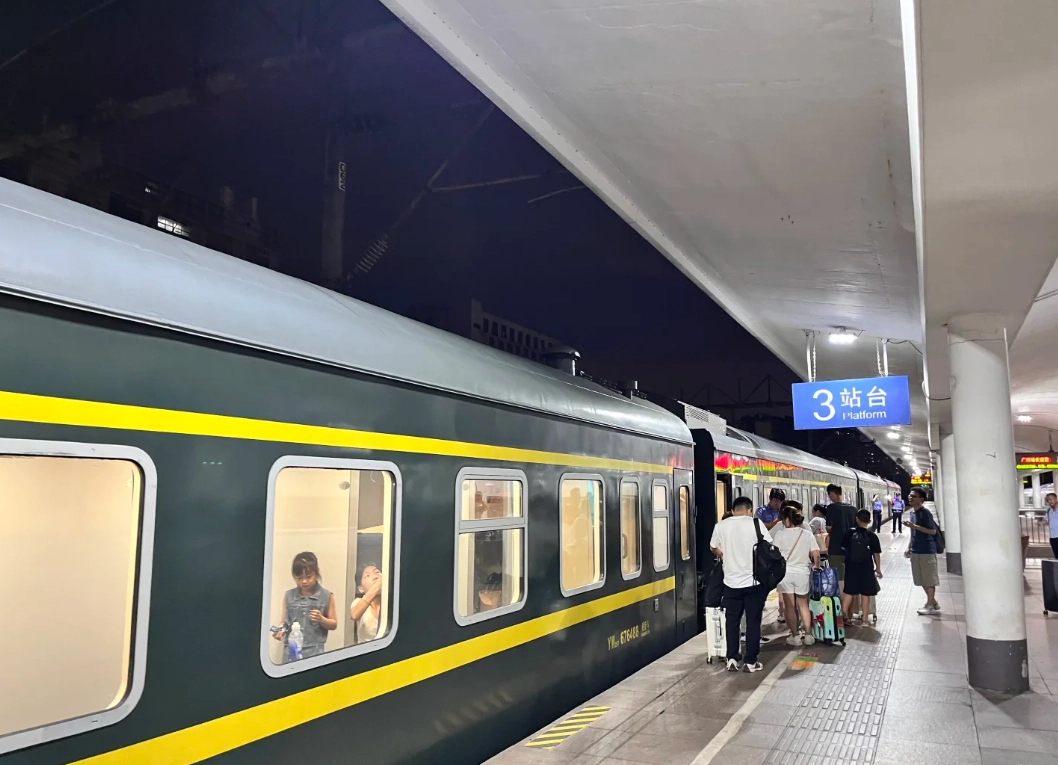
| Departure (Guangzhou South) | Arrival (Haikou East) | Duration (approx.) |
|---|---|---|
| 07:10 | 12:15 | 5h 05m |
| 09:20 | 14:14 | 4h 54m |
| 12:30 | 17:28 | 4h 58m |
| 15:40 | 20:32 | 4h 52m |
| 18:10 | 23:05 | 4h 55m |
Notice the “duration” includes the ferry crossing. The actual high-speed rail portion (Guangzhou South to Zhanjiang West) is about 2 hours 40 minutes. Then the ferry takes another 1–1.5 hours. The train is split into four sections and shunted onto the ferry — you stay seated the whole time. It’s surprisingly stable, though sometimes you can feel a slight sway. Don’t worry, it’s designed for it.
Which station in Haikou?
Most trains arrive at Haikou East Station (海口东站), which is just south of the city center. Some older trains go to Haikou Station (海口站) further west — that’s the old station and less convenient. Always check your ticket. I usually recommend aiming for Haikou East; from there it’s a 20-minute taxi to the center (about 30–40 RMB).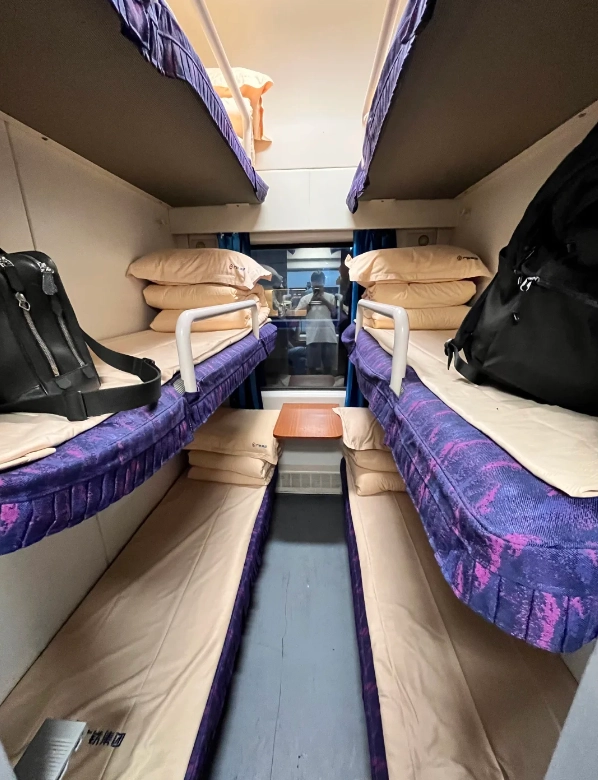
What to Expect: Train Types and Seat Classes
The Guangzhou to Haikou route mainly uses high-speed trains designated “D” (Dongche) or “C” (Chengji). The “G” trains (the fastest) don’t run directly to Haikou because of the ferry requirement. D trains are plenty comfortable — think clean carriages, AC power outlets, and a snack cart that comes by occasionally.
Seat classes
Second Class (二等座) – the standard. Seats are 2+2 configuration, similar to economy on a plane. Plenty of legroom for most people. I’m 185 cm and I fit fine. Price: around 250 RMB (about $35).
First Class (一等座) – 2+2 with more legroom and wider seats. Worth the extra 100 RMB if you’re tall or want to work. Price: around 350 RMB.
Business Class (商务座) – rare on D trains, but if available, it’s a lie-flat seat. Not necessary for a 5-hour trip, but if you have deep pockets, go for it (600+ RMB).
I always tell my clients to get first class if possible. The extra space makes the ferry crossing feel less claustrophobic, and the seats recline more. Second class is fine for a short trip, but the ferry portion can get a bit warm when the train is boarded — first class has better air conditioning.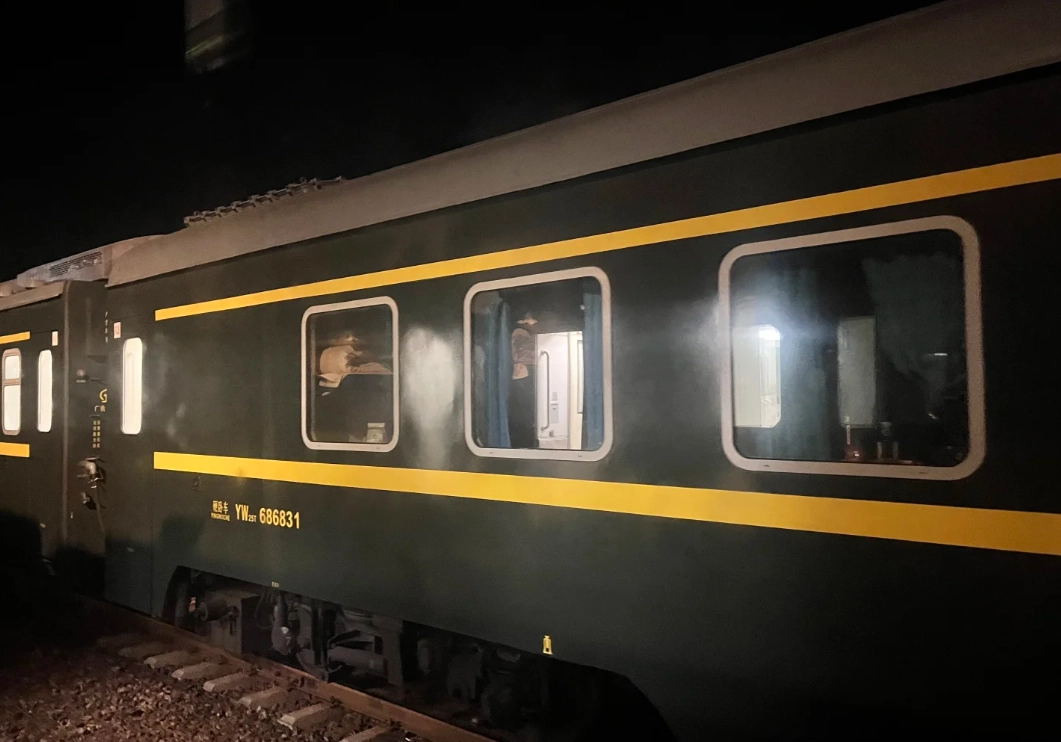
Tips for Foreign Travelers: Payments, Navigation, and Language
Payments
Inside the train, you’ll likely need WeChat Pay or Alipay for snacks and drinks. Cash is sometimes accepted but change is rare. The station itself has convenience stores and restaurants (like KFC, McDonald’s, and local noodle shops) — most accept Alipay/WeChat, but international credit cards are a no-go. I always carry 100–200 RMB in cash for emergencies, but I rely on my Alipay linked to my international Visa. Set up Alipay before you leave home — it’s a game changer.
Navigation
Google Maps is junk in China. Use Apple Maps (which works OK for public transit in major cities) or download Baidu Maps — though it’s Chinese-only. For getting to Guangzhou South Station, I always tell people: take Metro Line 2 directly to Guangzhou South Railway Station (exit B or H). It’s about 40 minutes from the city center. Taxi will cost around 100 RMB and take 30-60 minutes depending on traffic.
Language
Station announcements are in Chinese and English at major stations like Guangzhou South and Haikou East. But the ferry segment has no English announcements. Download a translation app (Baidu Translate or Apple’s built-in translate) for the onboard staff. Most conductors speak zero English, but they’re used to dealing with confused foreigners — just show them your ticket and they’ll point you to the right carriage.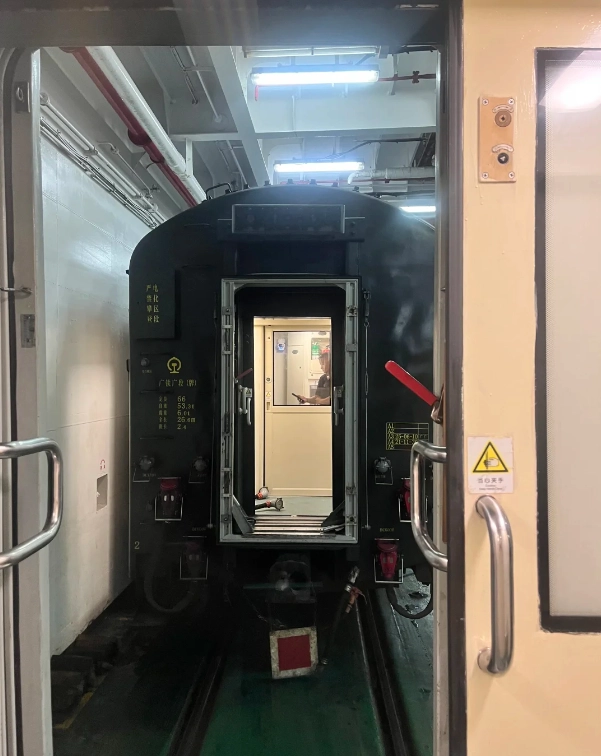
Last month I had a guest who nearly fainted because she didn’t eat for 6 hours. Don’t be that person.
Arriving in Haikou: Getting from the Station to Your Hotel
Haikou East Station is modern and well-signed. After you exit, you’ll see taxi stands and bus stops. Taxi queue moves fast — just show the driver your hotel address in Chinese (have it ready on your phone). The official taxi to the city center costs about 30–40 RMB. Didi (China’s Uber) is also an option but you need WeChat or Alipay to pay. I usually recommend taking a taxi because it’s simpler for first-timers.
If your hotel is near the beach (e.g., Mission Hills)
It’s about 20 minutes east of the station, taxi cost around 50 RMB. If your hotel is in the old town (Longhua district), it’s closer, about 15 minutes.
Bus option
There’s a bus line (K2 or 35) that goes to downtown Haikou from the station. It costs 2 RMB and takes 40 minutes. But honestly, after a 5-hour train ride, you’ll probably want a taxi.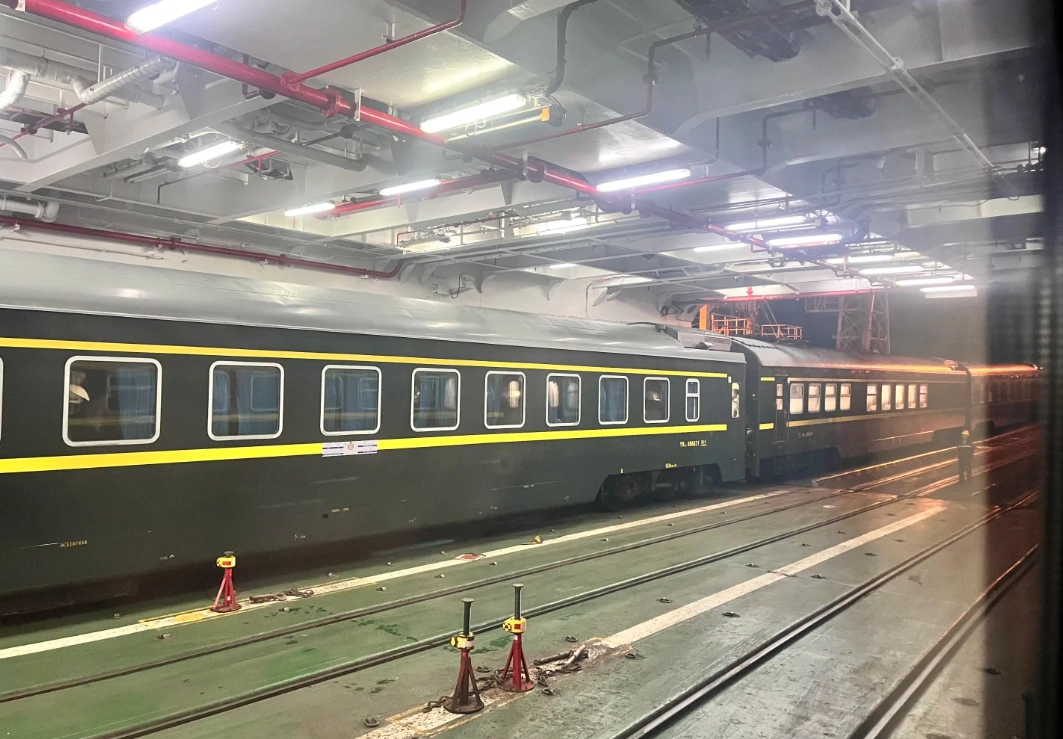







No comments yet.