 Qiang Huang
What's Inside This Guide
I’ve spent countless afternoons getting lost in the maze of Jinshanzui Fishing Village, and each time, I stumble upon something new—a tiny stall selling just-caught fish, a hidden workshop crafting shell ornaments, or a vendor with a secret recipe for dried shrimp. This isn’t your typical mall shopping; it’s an experience steeped in the rhythm of coastal life. If you’re planning a visit and want to bring home more than just photos, this guide will walk you through exactly where to go, what to buy, and how to navigate it all like someone who’s been there dozens of times.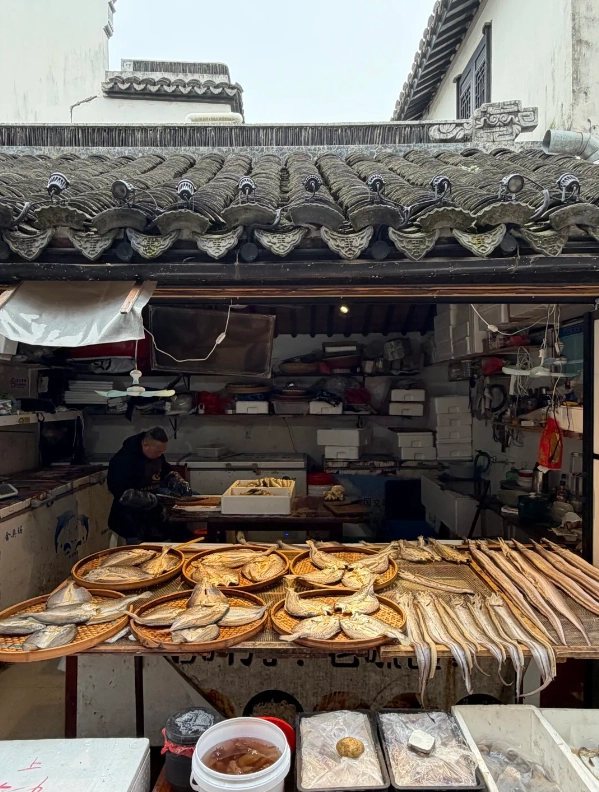
Why Shop at Jinshanzui Fishing Village?
Let’s be honest: you could buy seafood or souvenirs anywhere in Shanghai. But at Jinshanzui, you’re getting it straight from the source. The village has managed to retain its authentic fishing community vibe despite the city’s rapid modernization. When you shop here, you’re supporting local families who’ve been in the trade for generations. I remember chatting with an elderly vendor who explained how his grandfather used the same nets—that connection to history is palpable in every transaction.
The atmosphere is chaotic in the best way. The air smells of salt and frying oil, and the chatter of haggling fills the lanes. It’s not sterile or predictable. Some stalls are messy, with products piled haphazardly, but that’s part of the charm. You’re hunting for treasures, not picking items off a shelf.
Top Shopping Spots You Can't Miss
Based on my repeated visits, here are the key areas where you’ll find the best shopping. I’ve put together a table to give you a quick overview, but I’ll dive into the nuances afterward.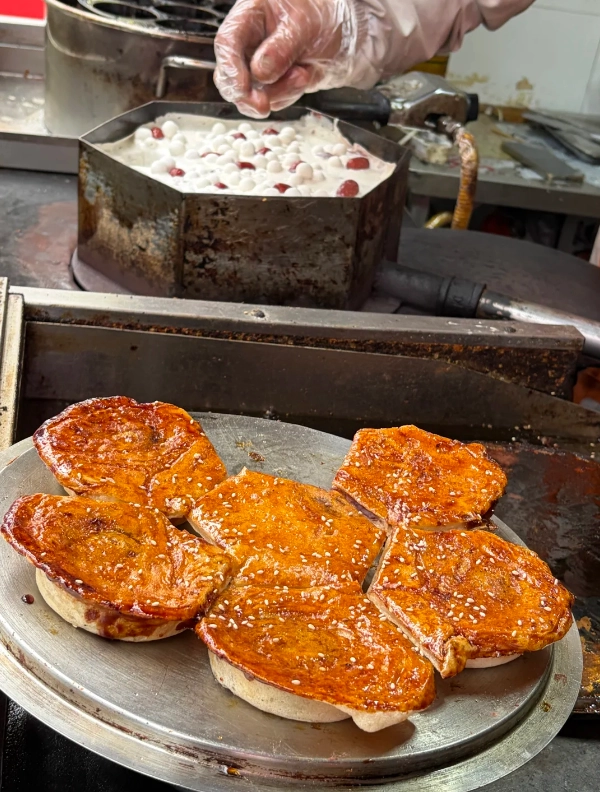
| Spot Name | Address/Location | Operating Hours | Key Products | Price Range | Personal Tip |
|---|---|---|---|---|---|
| Main Fishermen's Market | Central lane near the harbor, Jinshanzui Fishing Village | 6:00 AM – 2:00 PM daily | Fresh seafood (fish, crabs, shellfish), live catches | ¥20 – ¥200 per kg | Go before 9 AM for the freshest picks; vendors are more open to bargaining later in the morning. |
| Old Street Shops | Along the cobblestone street off the main square | 8:00 AM – 6:00 PM, some close on Mondays | Dried seafood, local snacks, handicrafts, souvenirs | ¥10 – ¥500 per item | Look for shops with handwritten signs—they often have homemade products. Avoid the first few stalls; prices drop as you go deeper. |
| Seafood Processing Stores | West side near the drying racks | 9:00 AM – 5:00 PM, closed during heavy rain | Preserved fish, shrimp paste, bottled sauces | ¥15 – ¥300 per jar/pack | Ask for samples! I once bought a shrimp paste that was too salty; now I always taste first. |
| Weekend Artisan Market | Village square (only on Saturdays and Sundays) | 10:00 AM – 4:00 PM | Shell jewelry, painted ceramics, woven baskets | ¥50 – ¥800 | Arrive early to snag unique pieces. The artisans are friendly and share stories about their crafts. |
Now, let’s break these down. The Main Fishermen's Market is the heart of the action. I’ve gotten there at dawn a few times, and it’s a spectacle—fishermen unloading their night’s catch, buyers jostling for the best fish. If you’re not a morning person, aim for around 10 AM; the selection is still good, and vendors start lowering prices to clear stock.
The Old Street Shops are more relaxed. I prefer the ones tucked in the middle—like “Auntie Li’s Dried Goods.” Her dried squid has a subtle sweetness others lack. But watch out for tourist traps near the entrance; they sell mass-produced trinkets at inflated prices. I made that mistake once, buying a shell necklace for ¥80 that I later saw for ¥20 further in.
Seafood Processing Stores are where locals stock up. These aren’t fancy; they’re functional spaces with barrels of drying fish. The owners know their stuff. At “Chen’s Preserves,” the owner showed me how to identify high-quality dried abalone by its texture—a tip you won’t find online.
The Weekend Artisan Market is a newer addition, but it’s grown organically. I met a sculptor there who uses recycled fishing nets in his artworks. It’s hit-or-miss; some items are overpriced, but the genuine crafts are worth it.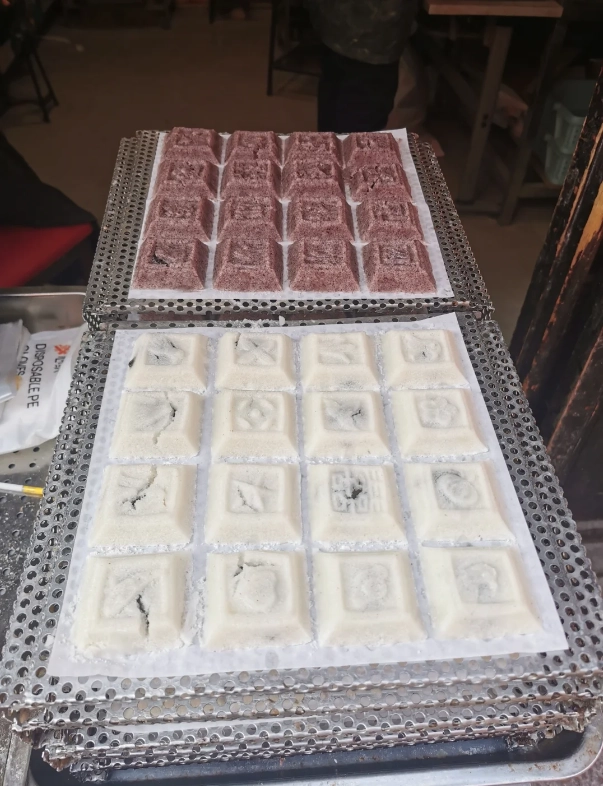
What to Buy: A Curated List of Local Products
Don’t just buy anything—focus on items that capture the essence of Jinshanzui. Here’s my personal ranking, based on quality, uniqueness, and value.
Top-Tier: Must-Have Souvenirs
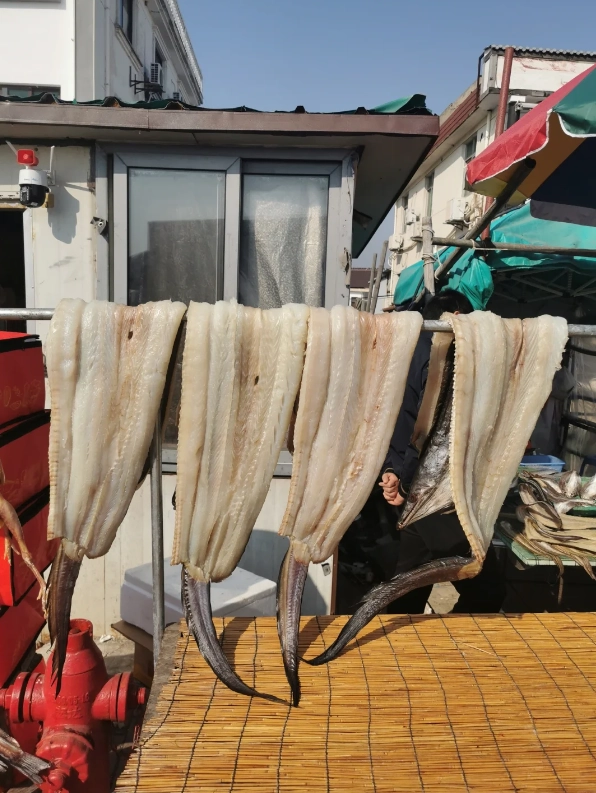
Sun-Dried Yellow Croaker: This is a staple. The best ones come from the Main Fishermen's Market, where they’re dried on racks right by the shore. Look for fish with a golden hue and firm flesh. Price: around ¥50-100 per piece. I’ve found that vendors near the back sell them slightly cheaper because they get less foot traffic.
Hand-Painted Shell Ornaments: Available at the Weekend Artisan Market, these are delicate and colorful. The artists often depict fishing scenes. I bought a small shell pendant for ¥120—it felt steep, but the craftsmanship was impeccable. Avoid plastic imitations sold on Old Street.
Local Shrimp Paste: A condiment that packs umami punch. At Seafood Processing Stores, ask for the “homemade” version; it’s less salty and more aromatic. A jar costs ¥20-40. My tip: store it in the fridge after opening, or it loses flavor quickly.
Budget-Friendly Finds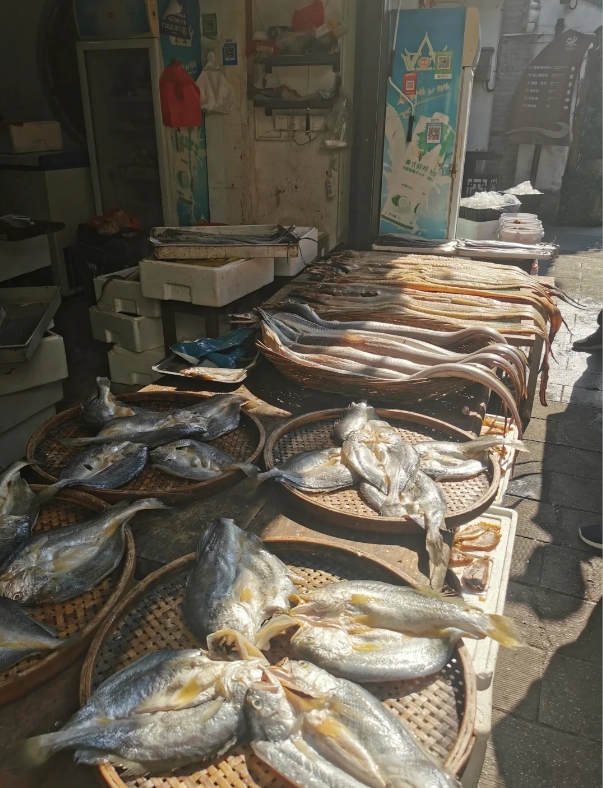
Dried Seaweed Snacks: Crispy and lightly salted, sold in bulk at Old Street Shops. ¥10-20 per bag. Perfect for munching on the go.
Simple Shell Keychains: Cute and affordable, around ¥5-15 each. They make great gifts for kids.
Fresh Clams: From the Main Fishermen's Market, ¥15-30 per kg. Cook them simply with garlic—I’ve done it at a friend’s nearby apartment, and they taste like the ocean.
How to Shop Like a Local: Bargaining and Timing
Bargaining is expected, but do it respectfully. I’ve seen tourists aggressively haggle over a few yuan and ruin the vibe. Start by offering 70% of the asking price, especially for non-perishable goods. For fresh seafood, prices are more fixed, but you can ask for a small discount if buying in bulk.
Timing is everything. Visit on weekdays if possible—Saturdays are packed, and vendors are less flexible. Mornings (6-9 AM) are ideal for fresh seafood; afternoons (2-4 PM) are better for dried goods as vendors want to close early. Avoid rainy days; many stalls shut down, and the selection dwindles.
Carry small bills. Many vendors prefer cash, though some now accept mobile payments like Alipay. I’ve had situations where my phone battery died, and cash saved the day.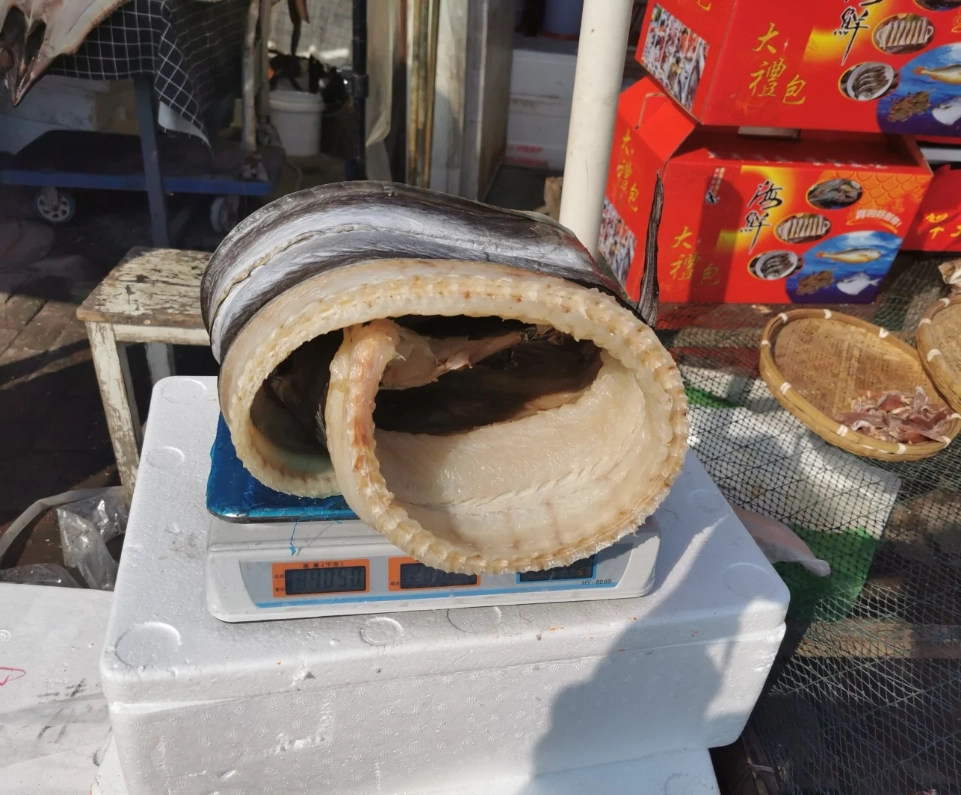
Practical Information for Your Shopping Trip
Getting there is straightforward. From central Shanghai, take the Jinshan Railway Line to Jinshanwei Station, then a taxi or bus (e.g., bus Jinshan 6) to Jinshanzui Fishing Village. The journey takes about 1.5 hours. If driving, park at the village entrance lot; it fills up by 10 AM on weekends.
The village itself is walkable, but wear comfortable shoes—the lanes are uneven. Public restrooms are near the main square; they’re basic but clean. For food, try the street-side stalls selling fried fish balls; they’re a tasty break from shopping.
According to the Shanghai Cultural Heritage Administration, Jinshanzui is recognized for preserving traditional fishing village architecture, which adds to its authenticity. While I haven’t found an official online map, the layout is intuitive once you’re there.
Frequently Asked Questions (FAQ)
 Are credit cards or foreign currencies accepted at Jinshanzui shops?
This guide is based on multiple personal visits and cross-checked with local vendor information to ensure accuracy. Jinshanzui Fishing Village offers a shopping experience that’s as much about the journey as the purchases—embrace the chaos, talk to the locals, and you’ll leave with more than just bags.







No comments yet.