 Jian Zhao
Jump Straight to What You Need
I still remember my first bite of Shaanxi Hulutou in a cramped alley near the Bell Tower. The steam rising from the bowl, the rich aroma of broth and spices—it was nothing like the bland tourist food I'd tried earlier. If you're searching for Shaanxi Hulutou, you're probably curious about this traditional dish that locals swear by. Let's cut through the noise and get into what makes it special, where to find the real deal, and how to enjoy it without the usual pitfalls.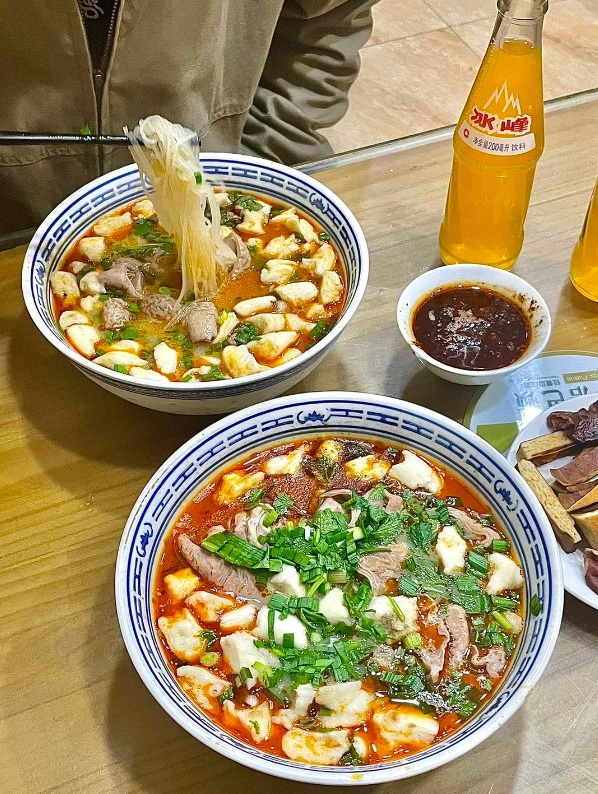
What Is Shaanxi Hulutou Really?
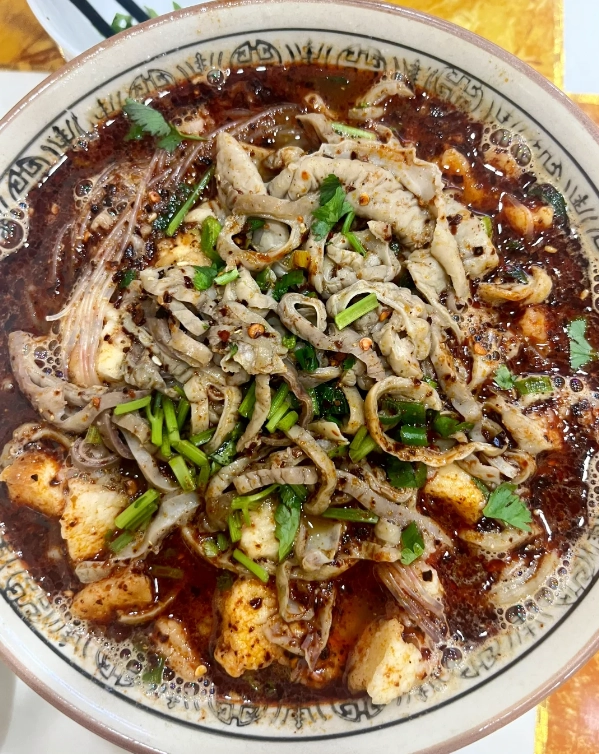
Shaanxi Hulutou, often just called Hulutou, is a traditional Xi'an dish that centers on stewed pork intestines, served in a hearty broth with flatbread pieces. The name "Hulutou" translates to "gourd head," referring to the shape of the intestines after preparation. It's a comfort food staple in Shaanxi province, particularly in Xi'an, where it's enjoyed as a warming meal, especially during colder months.
Don't let the idea of intestines put you off. When done right, the texture is tender, not rubbery, and the flavors are deep and savory. The dish typically includes a rich bone broth, slices of pork intestine, and chunks of mo (a type of flatbread), all seasoned with garlic, chili oil, and coriander. It's filling, affordable, and packs a punch of umami.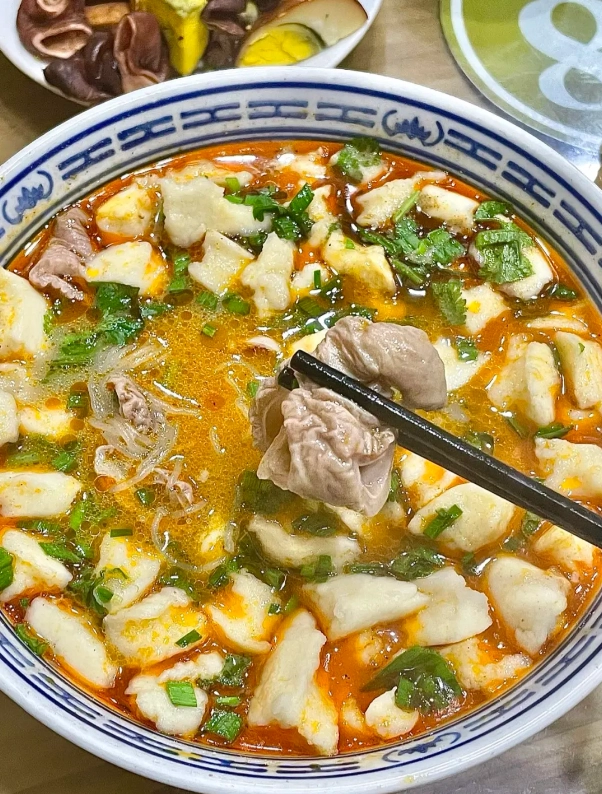
Key takeaway: Hulutou isn't just food; it's a cultural experience. Locals often eat it for breakfast or lunch, and it's common to see people slurping bowls at small street stalls. The dish reflects Shaanxi's culinary history—simple, hearty, and built on nose-to-tail eating.
The Story Behind Hulutou
Hulutou dates back to the Tang Dynasty, evolving from medicinal soups to a popular street food. Originally, it was made with lamb or beef offal, but pork intestines became standard in Xi'an due to availability and flavor. The dish gained fame in the Muslim Quarter, where Hui chefs perfected the recipe, balancing spices and cooking techniques.
I talked to a vendor who's been selling Hulutou for over 30 years. He mentioned that the secret lies in the cleaning process—the intestines must be scrubbed meticulously to remove any unpleasant odors, then simmered for hours until they melt in your mouth. This attention to detail is what separates authentic Hulutou from mediocre versions.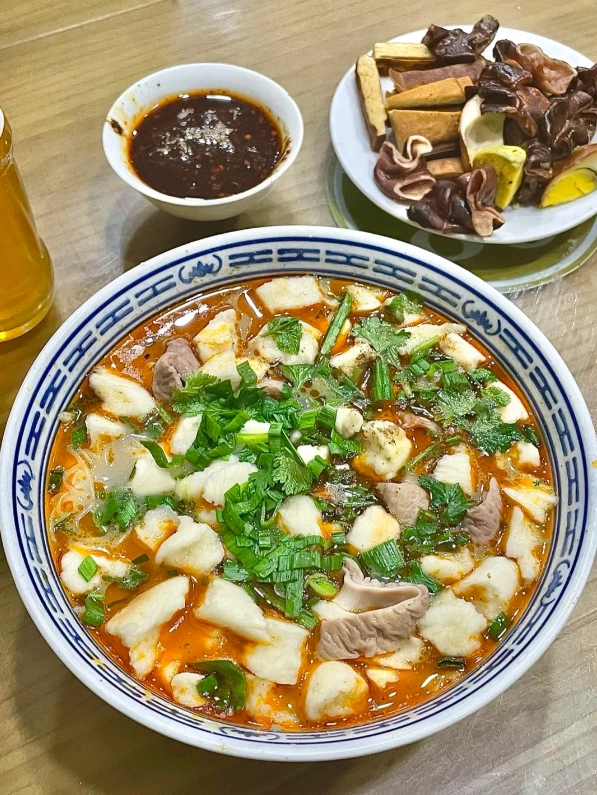
Top Spots for Hulutou in Xi'an
Finding good Hulutou can be tricky. Some places cater to tourists with bland, overpriced bowls, while hidden gems offer the real experience. Based on my visits and local recommendations, here are the top spots.
| Restaurant Name | Address | Specialty / What to Order | Price Range (per bowl) | Opening Hours |
|---|---|---|---|---|
| Lao Sun Jia Hulutou | 18 Beiyuanmen, Lianhu District, Xi'an (near Muslim Quarter) | Classic Hulutou with extra chili oil; their homemade flatbread is a must | 7:00 AM - 2:00 PM daily | |
| Wang Ji Hulutou | 32 Xiyangshi, Beilin District, Xi'an | Spicy Hulutou with added tofu skin; known for rich broth | ¥30 - ¥40 (approx $4 - $6) | 8:00 AM - 3:00 PM, closed Mondays |
| Muslim Quarter Street Stall (no official name) | Corner of Huajue Lane and Beiyuanmen, Xi'an | Basic Hulutou, quick service, authentic local vibe | ¥20 - ¥25 (approx $2.8 - $3.5) | 6:00 AM - 1:00 PM, varies by day |
| Xi'an Hulutou Heritage Restaurant | 55 Jiefang Road, Xi'an | Premium Hulutou with side dishes; cleaner presentation | ¥50 - ¥70 (approx $7 - $10) | 10:00 AM - 9:00 PM daily |
Lao Sun Jia is my personal favorite. I went there on a rainy morning, and the place was packed with locals. The broth had a depth I haven't found elsewhere—slightly peppery with a hint of anise. But be warned: their chili oil is potent. If you're not used to spice, ask for it on the side.
Wang Ji Hulutou offers a more refined setting, but the taste remains traditional. Their broth is simmered overnight, which you can tell from the first sip. The downside? It gets crowded around noon, so go early.
The street stall in the Muslim Quarter is for the adventurous. There's no menu, just a guy serving bowls from a large pot. It's messy, loud, and utterly delicious. Cash only, and don't expect English signage.
How to Pick the Right Spot
Look for places with a steady stream of local customers, not just tourists. Check if the broth is clear but flavorful—murky broth often means poor preparation. Also, observe how they handle the intestines; they should be cut evenly and look tender, not greasy.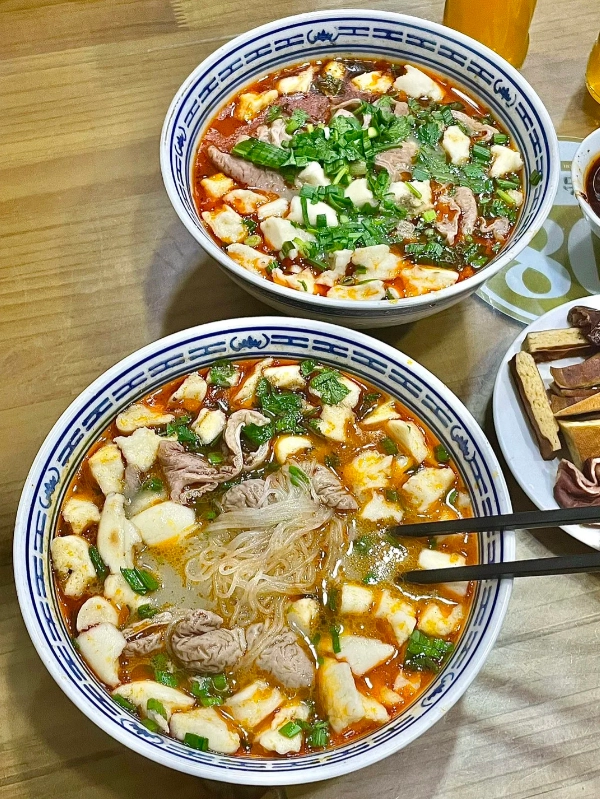
How Hulutou Is Prepared
The process is labor-intensive, which explains why good Hulutou isn't fast food. Here's a simplified breakdown from watching chefs in Xi'an.
Step 1: Cleaning the intestines. This is crucial. They're rinsed multiple times, soaked in vinegar and salt, then boiled briefly to remove impurities. A common mistake is skipping this step, leading to a gamey taste.
Step 2: Making the broth. Pork bones, sometimes with chicken, are simmered for hours with ginger, scallions, and spices like star anise and Sichuan pepper. The broth should be milky-white and rich.
Step 3: Assembling the dish. Flatbread pieces are placed in a bowl, topped with sliced intestines, then hot broth is poured over. Garnishes include garlic paste, chili oil, coriander, and sometimes pickled vegetables.
I tried making it at home once—it took me six hours, and it still wasn't as good as the street version. The key is patience and quality ingredients.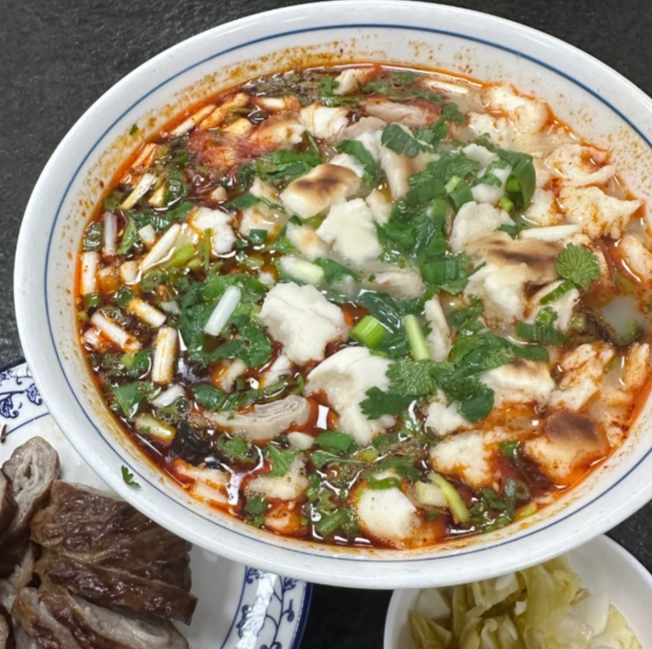
My Hulutou Tasting Experience
Let me walk you through a typical Hulutou meal. I visited Lao Sun Jia on a Tuesday morning. The place smelled like heaven—savory broth and fresh bread. I ordered a medium bowl with extra chili.
The bowl arrived steaming. First, I sipped the broth. It was warm, slightly fatty, with a peppery kick. Then, I tried the intestines. They were soft, almost creamy, with no off-flavors. The flatbread soaked up the broth, becoming chewy and flavorful.
Halfway through, I added more garlic. Big mistake—it overpowered the subtle spices. Lesson learned: go easy on the condiments initially. The total cost was ¥30, and I was full for hours.
Another time, at a touristy spot near the Terracotta Army, I had a bad version. The intestines were tough, the broth watery, and it cost ¥50. That's why location matters.
FAQs About Shaanxi Hulutou
 Shaanxi Hulutou is more than a meal—it's a slice of Xi'an's soul. From its Tang Dynasty roots to the bustling stalls today, it embodies resilience and flavor. Whether you're a foodie or a curious traveler, give it a try. Skip the fancy restaurants, head to the alleys, and let the broth warm you up. You might just discover your new favorite dish.
This guide is based on personal visits and local insights. For more on Shaanxi cuisine, check resources like the Xi'an Tourism Board or culinary blogs focused on Chinese regional food.





No comments yet.